P.F. Chang's Singapore Street Noodles (Copycat Recipe)
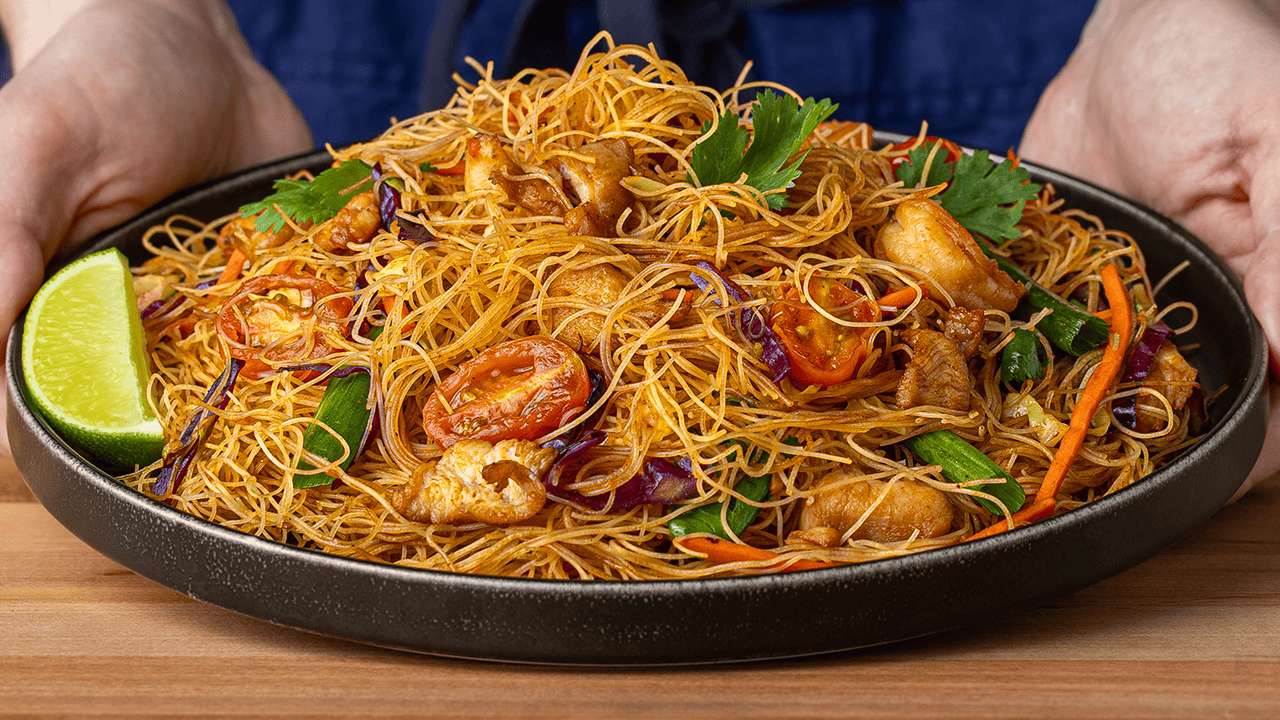
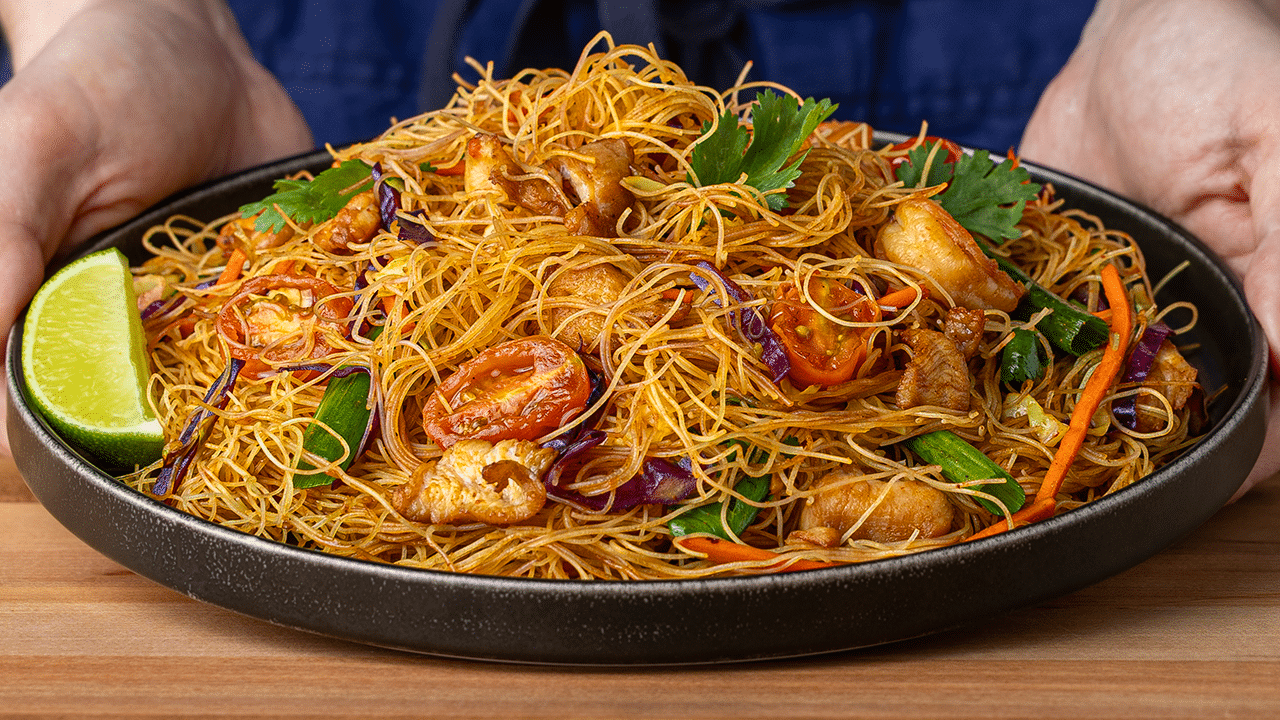
P.F. Chang's Singapore Street Noodles taste different from most takeout versions, and the main reason is something you won't find in any other recipe online: a wet curry sauce. Instead of blooming dry curry powder in oil (which is traditional, but also why most homemade versions end up greasy), I whisk the curry powder into a sauce with soy sauce, oyster sauce, vinegar, sriracha, and ketchup. Every noodle gets an even coating of curry flavor without the oil.
The hardest part of this dish is the noodles. If you've made Singapore noodles at home and ended up with a sticky, mushy mess, it almost certainly came down to how the noodles were prepped, not anything you did wrong at the wok. Thin rice vermicelli goes from properly hydrated to completely overcooked in a matter of seconds. The method that's worked best across my test batches is soaking the noodles in room-temperature water for about 30 minutes, then drying them thoroughly before you finish them in the wok.
This post contains affiliate links, which means I may earn a small commission if you make a purchase. It doesn't cost you anything extra. Full disclosure.
Why This Singapore Street Noodles Recipe Works
- A wet curry sauce instead of dry spices. Instead of blooming dry curry powder in oil, I whisk it into a sauce with soy sauce, oyster sauce, vinegar, sriracha, and ketchup. That gets an even coat of curry on every noodle instead of the oily patches you get the traditional way.
- S&B Oriental Curry Powder. This is the brand that got me closest in testing. It's a mild Japanese curry that adds flavor without overpowering everything else in the dish.
- Soak the noodles in room-temperature water. Soaking the rice vermicelli in room-temperature water for about 30 minutes hydrates them gently without the risk of the noodles turning mushy, which happens easily with boiling or hot water.
- Alkaline soy marinade for both proteins. The same baking soda and soy sauce brine I use across the P.F. Chang's proteins tenderizes the chicken and gives the shrimp that bouncy texture you get at the restaurant.
- Dehydrated minced garlic, rehydrated before cooking. I use this across the P.F. Chang's stir-fries instead of fresh garlic because fresh garlic scorches at wok temperatures and the rehydrated kind doesn't. You'll find it on the spice aisle at most grocery stores.
Ingredients You'll Need
Thin rice vermicelli. This is the most important ingredient to get right, and the most confusing to shop for. You'll see tons of varieties at Asian grocery stores labeled as rice vermicelli, rice sticks, mei fun, or bún. You want the thinnest ones you can find, slightly thinner than angel hair pasta. Look for loosely packed noodles rather than tightly compressed bricks, which tend to clump together during soaking. And make sure you don't accidentally grab mung bean thread noodles (also called glass noodles). They look similar but won't work well for this dish.
S&B Oriental Curry Powder. This is a mild Japanese curry powder and the one that got me closest to the restaurant flavor. If you can't find it, standard curry powder from the spice aisle at any grocery store will work as a substitute. Madras curry powder will also work but it's spicier.
Lee Kum Kee Low Sodium Light Soy Sauce (green bottle). This is the soy sauce I use for the curry sauce. The low sodium version gives you better control over the saltiness of the final dish since the sauce calls for a significant amount of soy sauce.
Oyster sauce. A major component of the curry sauce. I use Lee Kum Kee Panda Brand.
Baking soda. A small amount dissolved in water creates an alkaline brine that tenderizes the chicken breast and gives the shrimp their signature bouncy texture. Half a teaspoon is all you need for the whole batch of marinade.
Dehydrated minced garlic. I use this instead of fresh garlic in most of the P.F. Chang's stir-fries. You'll find it in small containers on the spice aisle. To use it, soak the garlic in warm water for 20-30 minutes, then drain and squeeze out the excess liquid. You can prepare it several days in advance and keep it in the fridge.
How to Make P.F. Chang's Singapore Street Noodles
1. Soak the noodles. Place 4 ounces of dried thin rice vermicelli in a bowl and cover with room-temperature water. Let them soak for about 30 minutes, or until they're pliable and mostly translucent when you pick them up. Every brand is a little different, so you may need to adjust the time. After soaking, drain the noodles and dry them thoroughly with kitchen towels. This step matters more than anything else in the recipe. Wet noodles create steam in the wok, and that steam is what turns them into mush. Once they're dry, snip or tear them into shorter pieces and separate any clumps. You can hydrate the noodles up to a few days in advance and store them in a covered container in the fridge.
2. Make the curry sauce. Whisk together 4 teaspoons of curry powder and ¼ teaspoon of turmeric in a large bowl. Pour in 1 ½ tablespoons of white vinegar and 5 ½ tablespoons of light soy sauce, then whisk until the dry spices are fully dissolved. Add 5 ½ tablespoons of oyster sauce, 1 ½ tablespoons of sriracha, and 2 tablespoons of ketchup. Whisk until smooth. The sauce can be refrigerated for several weeks and seems to get better the longer it sits.
3. Brine the proteins. Dissolve ½ teaspoon of baking soda in 1 cup of water, then add ⅓ cup of soy sauce and whisk until combined. For the chicken, slice a boneless skinless breast into thin ⅛-inch slivers and submerge them in the marinade for at least 2 hours, or up to 24 hours. For the shrimp, pour the marinade over frozen 41/50 count shrimp and let them thaw in it at room temperature (30 minutes to an hour) or in the fridge (a few hours). Use separate batches of marinade for the chicken and shrimp. Drain and pat both dry before cooking.
4. Prep the cabbage mix and garlic. Combine finely shredded green cabbage, red cabbage, and carrots in a 4:4:1 ratio. Rehydrate the dehydrated garlic by soaking it in warm water for 20-30 minutes, then drain and squeeze dry. Both can be prepared several days ahead and stored in the fridge.
5. Cook the proteins. Heat neutral oil in a wok or large pot to 300°F. Add 3 ounces of the marinated chicken slivers and fry until about 50% done (60-90 seconds), separating the pieces as they cook. Add 3 ounces of the brined shrimp and continue cooking for 1-2 more minutes, or until the shrimp are just done. Remove both from the oil and drain well. If you'd rather not deep-fry at home, stir-frying the chicken and shrimp in a tablespoon or two of oil works fine. The restaurant deep-fries because it's faster for high-volume service, but the end result is similar either way.
6. Stir-fry everything together. Heat a wok over medium heat until it starts to lightly smoke. Add about a tablespoon of neutral oil, then toss in 1 teaspoon of the rehydrated garlic and stir-fry for a few seconds until fragrant. Add 2 cups of the cabbage mix, ⅓ cup of halved grape tomatoes, and both proteins. Stir-fry for about 10 seconds until everything is heated through. Add the soaked noodles and 6 tablespoons of curry sauce. Toss everything together using tongs until every noodle is golden from the curry sauce with no white noodles remaining. Take your time with this step. If anything sticks, lower the heat. Once the noodles are sauced, add ½ cup of green onion sticks and ¼ cup of rough-chopped cilantro. Toss for 15-20 seconds. Kill the heat and drizzle in 1 teaspoon of toasted sesame oil, tossing briefly to distribute.
7. Plate and garnish. Pile the noodles high in the center of a plate or bowl. Top with a handful of fried shallots and serve with a lime wedge.
Tips for the Best Singapore Street Noodles
The noodles are the most important part. If you prepare the noodles incorrectly, you will ruin the dish. Soak them in room-temperature water (not hot, not boiling), dry them completely after draining, and cut them shorter before they go into the wok. If you've had mushy or clumpy noodles in the past, the problem was almost certainly one of those three steps.
You can prep almost everything in advance. The curry sauce keeps for several weeks in the fridge. The brined chicken and shrimp can sit in the fridge for a couple of days after draining. The cabbage mix lasts about a week. The rehydrated garlic keeps for several days. The soaked and dried noodles can be stored in a covered container in the fridge for a few days. If you do the prep on a weekend, this becomes a 10-minute weeknight dinner.
The sauce seems to get better with time. Like a good lasagna, the curry sauce seems to improve the longer it rests in the fridge. If you can make it a day or two before you plan to cook, you'll probably notice a more cohesive flavor.
If things stick, lower the heat or switch pans. Thin rice noodles are notoriously difficult to work with in a wok. If sticking is a problem, lower the heat first. If that doesn't help, a large nonstick pan is a perfectly acceptable alternative. You'll lose some wok hei, but you'll keep your noodles intact.
Keep the proteins separate during brining. Don't brine the chicken and shrimp together. The chicken needs a longer soak (at least 2 hours) while the shrimp only need long enough to thaw and absorb the marinade. Make separate batches of the alkaline soy marinade for each.
What to Serve With Singapore Street Noodles
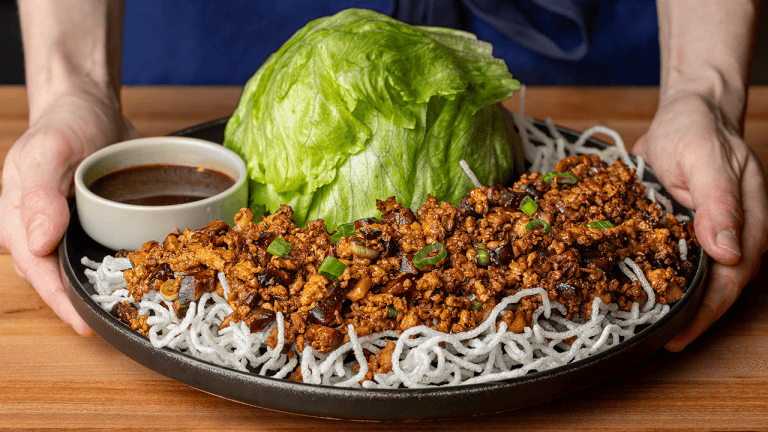
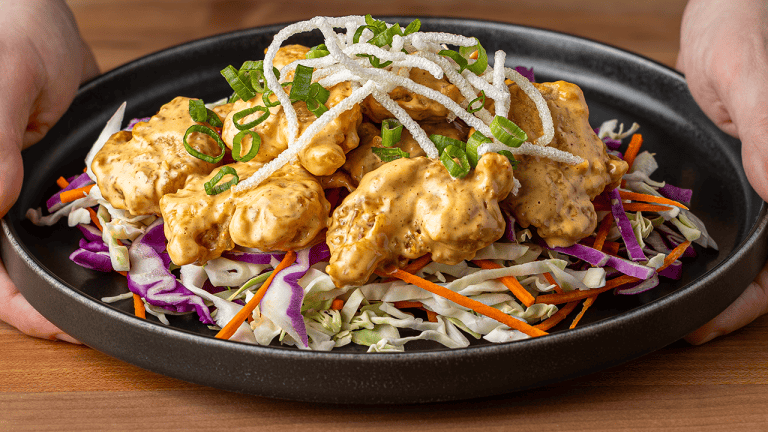
This is a full meal on its own, but if you're serving it as part of a larger spread, P.F. Chang's Lettuce Wraps or P.F. Chang's Dynamite Shrimp work well as appetizers beforehand.
Storage and Reheating
Leftover noodles will keep in an airtight container in the fridge for 3-4 days. The noodles will absorb some of the sauce overnight, so leftovers may taste slightly less saucy than when first served. Reheat in a wok or large skillet over medium heat with a small splash of water to loosen things up. Microwave reheating works but the noodles tend to dry out and clump. This dish doesn't freeze well because the rice vermicelli breaks down when thawed.
Frequently Asked Questions
Can I substitute angel hair pasta for rice vermicelli?
You can. Angel hair pasta is similar in thickness and avoids the soaking and clumping challenges entirely. The texture will be different (wheat noodles are chewier and heavier than rice noodles), and you'll lose the light, delicate chew that rice noodles give you. But if rice vermicelli isn't available near you, angel hair is the closest substitute.
Why did my noodles turn mushy?
One of three things: the noodles were soaked too long, they weren't dried well enough after soaking, or both. Rice vermicelli goes from al dente to mush very quickly, especially in hot water. Stick with room-temperature water and check them around the 20-minute mark. After draining, dry them as thoroughly as you can with kitchen towels. Any water left on the noodles turns to steam in the hot wok and overcooks them from the inside.
Where did Singapore noodles actually come from?
The dish was most likely invented in Hong Kong, probably in the 1960s when the city was a British colony and a transportation hub between Europe and Southeast Asia. The curry influence probably came from Indian spices that were common in the region at the time. Why it got named after Singapore is a bit of a mystery, but Hong Kong restaurants have a long tradition of naming dishes after places that have nothing to do with the recipe's origin. It's similar to how Mongolian Beef has nothing to do with Mongolia.
More P.F. Chang's Recipes
- P.F. Chang's Mongolian Beef
- P.F. Chang's Lettuce Wraps
- P.F. Chang's Beef with Broccoli
- P.F. Chang's Dynamite Shrimp
- P.F. Chang's Stir-Fried Eggplant
- P.F. Chang's Fried Rice
- P.F. Chang's Kung Pao Chicken
- P.F. Chang's Spicy Chicken
- P.F. Chang's Crispy Honey Chicken
More Chinese Takeout Recipes
- Chinese Takeout Crab Rangoon
- Chinese Takeout Egg Foo Young
- Chinese Takeout Egg Rolls
- Chinese Takeout Orange Chicken
- Chinese Takeout Kung Pao Chicken
- Chinese Takeout General Tso's Chicken
- Chinese Takeout Wonton Soup
- Chinese Takeout Hot and Sour Soup
- Chinese Takeout Egg Drop Soup
- Chinese Takeout Chow Mein
- Chinese Takeout Lo Mein
- Chinese Takeout Fried Rice
More Panda Express Recipes
More Din Tai Fung Recipes
More Noodle Recipes
- Benihana Yakisoba
- Thailand Street Food Pad Thai
- 15 Minute Chili Garlic Noodles
- Homemade Ramen from Scratch
Recipe
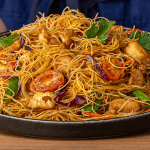
P.F. Chang's Singapore Street Noodles
Equipment
- 1 Made-In Carbon Steel Wok For deep-frying the proteins
- 1 14-inch Mandarin Wok For stir-frying
- 1 Glass Mixing Bowls For sauce and marinades
- 1 Deli Containers For storing prepped ingredients
- 1 Wok Spider/Strainer For removing proteins from oil
- 1 Wire Cooling Rack For draining fried proteins
- 1 Whisk For the curry sauce
- 1 Colander For draining noodles
- 1 Infrared Thermometer For checking oil temperature
Ingredients
Singapore Street Noodle Sauce
- 4 teaspoon curry powder S&B Oriental Curry Powder. Standard curry powder works as a substitute.
- ¼ teaspoon turmeric
- 1 ½ tablespoon white vinegar
- 5 ½ tablespoon soy sauce Lee Kum Kee Low Sodium (green bottle)
- 5 ½ tablespoon oyster sauce
- 1 ½ tablespoon sriracha
- 2 tablespoon ketchup
Alkaline Soy Marinade
- 1 cup water
- ⅓ cup soy sauce Lee Kum Kee Low Sodium (green bottle). Any brand works.
- ½ teaspoon baking soda
The Proteins
- 3 oz chicken breast boneless, skinless, sliced into ⅛-inch slivers
- 3 oz shrimp 41/50 count, frozen or fresh
The Noodles
- 4 oz thin rice vermicelli dried; yields about 8 oz (227 g) after soaking
Cabbage Mix
- 4 parts green cabbage finely shredded
- 4 parts red cabbage finely shredded
- 1 part carrots finely shredded
Vegetables & Aromatics
- 1 teaspoon dehydrated minced garlic rehydrated in warm water 20-30 min, drained
- 2 cups cabbage mix
- ⅓ cup grape tomatoes halved
- ½ cup green onion sticks
- ¼ cup cilantro rough chopped
For Cooking
- neutral oil for deep-frying proteins to 300°F. Can stir-fry instead.
- 1 tablespoon neutral oil for stir-frying
For Serving
- 1 teaspoon toasted sesame oil
- fried shallots
- 1 lime wedge
Instructions
Soak the Noodles
- Place 4 ounces of dried thin rice vermicelli in a large bowl and cover with room-temperature water. Soak for 20-30 minutes, or until the noodles are pliable and mostly translucent when lifted.
- Drain the noodles in a colander and dry thoroughly with clean kitchen towels. Remove as much moisture as possible.
- Snip or tear the noodles into shorter, more manageable lengths and separate any clumps.
Make the Curry Sauce
- Add the curry powder and turmeric to a large mixing bowl.
- Pour in the white vinegar and light soy sauce. Whisk until all dry ingredients are fully dissolved.
- Add the oyster sauce, sriracha, and ketchup. Whisk until the sauce is evenly combined and smooth.
- Transfer to a covered container and refrigerate until ready to use. The sauce keeps for up to 2 weeks.
Make the Alkaline Soy Marinade
- Add the water to a small bowl. Add the baking soda and whisk until dissolved.
- Pour in the soy sauce and whisk until combined.
Brine the Proteins
- Remove the tenderloin from a boneless skinless chicken breast. Slice the breast lengthwise into 2-3 strips, then cut each strip crosswise into ⅛-inch slivers.
- Pour the alkaline soy marinade over the chicken and refrigerate for at least 2 hours, or up to 24 hours.
- For frozen shrimp, pour a separate batch of alkaline soy marinade over the shrimp and let them thaw completely at room temperature (30-60 minutes) or in the refrigerator (a few hours). For fresh shrimp, marinate in the fridge for 30-60 minutes.
- When ready to cook, drain both proteins from the marinade and pat dry with paper towels.
Prep the Cabbage Mix and Garlic
- Combine finely shredded green cabbage, red cabbage, and carrots in a 4:4:1 ratio. Toss until evenly mixed.
- Soak the dehydrated minced garlic in warm water for 20-30 minutes. Drain and squeeze out excess liquid.
Cook the Proteins
- Heat neutral oil in a wok or large pot to 300°F. Add the marinated chicken slivers, separating the pieces as they cook. Fry until about 50% done, roughly 60-90 seconds.
- Add the brined shrimp to the oil and continue cooking for 1-2 minutes more, or until the shrimp are just done.
- Remove both proteins from the oil and drain well on a wire rack set over a baking sheet.
Final Stir-Fry
- Heat a wok over medium heat until it starts to lightly smoke. Add about 1 tablespoon of neutral oil.
- Add the rehydrated garlic and stir-fry for a few seconds until fragrant.
- Add the cabbage mix, halved grape tomatoes, and both proteins. Stir-fry for about 10 seconds until heated through.
- Add the soaked rice vermicelli noodles and 6 tablespoons of curry sauce. Toss well using tongs, making sure all noodles are evenly coated in sauce with no white noodles remaining.
- Add the green onion sticks and cilantro. Toss for 15-20 seconds until evenly distributed.
- Kill the heat. Drizzle in the sesame oil and briefly toss to coat.
- Pile the noodles high in the center of a plate or bowl. Garnish with fried shallots and a lime wedge.