Chinese Takeout Lo Mein Recipe
I talked to 27 takeout restaurant kitchens to figure out why their lo mein tastes different from every recipe on the internet. Turns out, most home recipes get three things wrong: the noodle choice, the beef treatment, and cooking everything in one batch instead of stages.
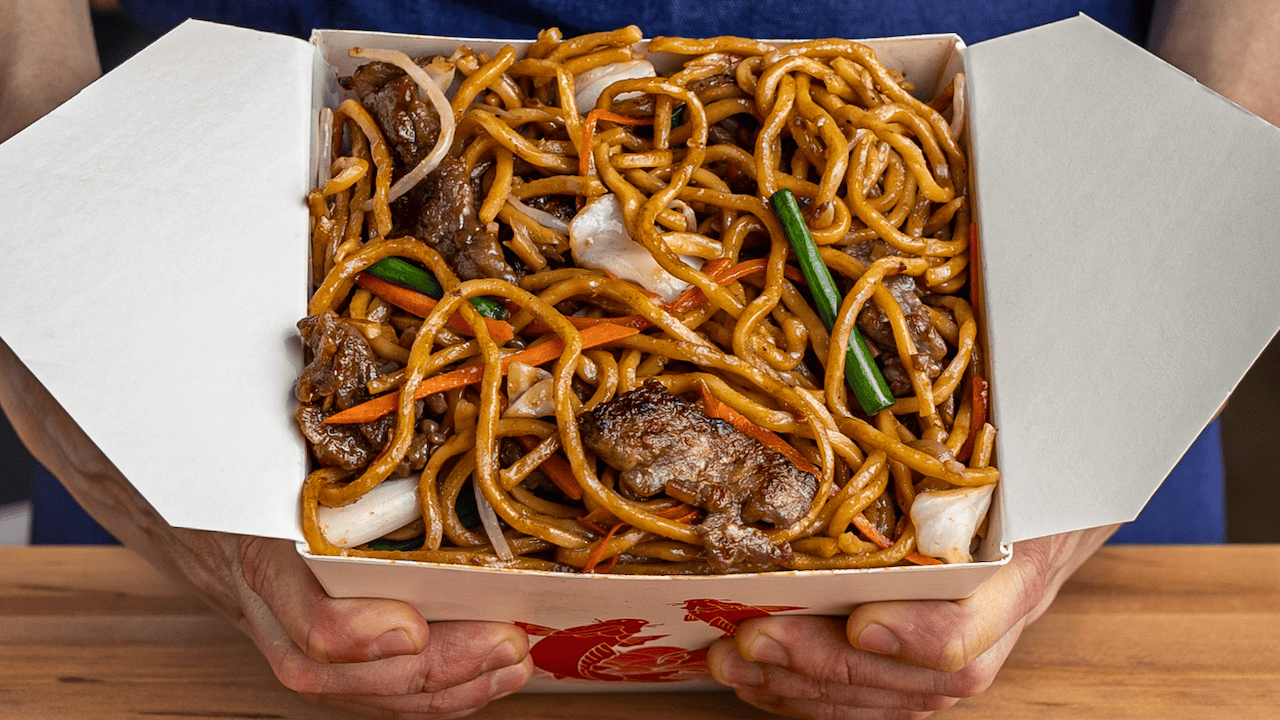
If you've tried making lo mein at home and it tasted nothing like takeout, the recipe you followed was the problem. This one fixes all three mistakes. The noodles are Twin Marquis (the exact brand most takeout kitchens use), the beef gets a baking soda treatment that alkalizes the surface for tender slices, and every component cooks separately before coming together at the end. The result is lo mein that actually tastes like takeout, not a vaguely Asian noodle stir-fry.
This post contains affiliate links, which means I may earn a small commission if you make a purchase. It doesn't cost you anything extra. Full disclosure.
Why This Lo Mein Recipe Works
- Uses the exact noodle brand found in most takeout kitchens. Twin Marquis lo mein noodles are what the majority of Chinese-American takeout restaurants actually use. Not udon, not spaghetti, not ramen.
- Baking soda tenderizes the beef the way restaurants do it. A quarter teaspoon of baking soda alkalizes the meat surface, preventing protein bands from tightening during high-heat cooking. This is the actual technique takeout kitchens use, not a hack.
- Everything cooks in small batches. Cooking vegetables, beef, and noodles separately prevents the steaming problem that makes most homemade stir-fries soggy.
- No puddle of sauce at the bottom of the bowl. The cornstarch-thickened sauce ratio is calibrated to cling to every strand of noodle, not collect underneath it.
- A home stovetop, not a restaurant wok burner. The batch-cooking method compensates for the BTU gap between your stove and a 100,000 BTU commercial wok station.
Ingredients You'll Need
Lo mein noodles. The most common brand in takeout kitchens is Twin Marquis. You'll find them in the refrigerated section of Asian grocery stores, usually labeled as "lo mein noodles" or "cooked noodles." The cooked version comes pre-oiled and only needs 15-20 seconds in boiling water to loosen up. The uncooked version is dusted with flour and needs 3-5 minutes of boiling. Either works. If you can't find Twin Marquis, look for thick yellow wheat-and-egg noodles sometimes labeled as "pancit" or even "chow mein." And if you strike out entirely, regular spaghetti is a legitimate fallback. It's not identical, but it works better than you'd expect.
Flank steak. The standard cut in Chinese takeout for stir-fry beef. Skirt steak also works. The key is slicing thin, across the grain, so you get tender pieces instead of chewy strips. If you're struggling to get thin slices, toss the steak in the freezer for 10-15 minutes to firm it up.
Baking soda. Just a quarter teaspoon for the beef marinade. This is the ingredient that separates restaurant-quality stir-fry beef from the tough, dry version most people make at home. It alkalizes the meat surface so the proteins don't seize up over high heat.
Shaoxing wine. Chinese rice cooking wine that adds acidity and brightness. It goes directly onto the hot wok surface (not the noodles) to deglaze and distribute flavor. If you can't find Shaoxing or don't use alcohol, substitute a splash of chicken stock with a bit of rice vinegar and a pinch of sugar. Not exactly the same, but it gets close.
Oyster sauce. What the whole sauce is based on. Lee Kum Kee premium oyster sauce is the brand I keep coming back to after testing every option available. If you're allergic to shellfish or want a vegan option, Lee Kum Kee also makes a vegetarian version with mushrooms and a vegan oyster-flavored sauce. Either one works in this recipe.
Light and dark soy sauce. Two different jobs. Light soy sauce provides the primary seasoning (salt and umami). Dark soy sauce is mostly for color, giving the noodles that deep caramel look you see at takeout restaurants. You only need a teaspoon of dark soy. If you can only find one type, use regular soy sauce for both and accept slightly lighter-colored noodles.
Toasted sesame oil. A finishing flavor, not a cooking oil. One teaspoon in the sauce mixture is enough to add that signature aroma without overwhelming everything else.
How to Make Chinese Takeout Beef Lo Mein
1. Prep and marinate the beef. Slice 8 oz of flank steak across the grain into thin strips. Rinse the sliced beef under cold running water for about a minute, massaging it the whole time. This step sounds unusual, but it removes some of the mineral taste and helps the marinade penetrate deeper. Squeeze out the water, then add a quarter teaspoon of baking soda and massage it into the meat for a full minute. Add the remaining marinade ingredients (cornstarch, sugar, salt, light soy sauce, Shaoxing wine, neutral oil) and set aside for at least 15 minutes or up to overnight.
2. Mix the sauce. Combine the dry ingredients first (cornstarch, sugar, white pepper, salt), then whisk in the chicken stock until the cornstarch dissolves completely. Add the light soy sauce, dark soy sauce, oyster sauce, and sesame oil. Set it aside and stir it again right before using, because the cornstarch settles.
3. Cook the noodles. Follow the package instructions for your noodles. Drain them well. The drier the noodles, the better your stir-fry will turn out. Either spin them in a salad spinner or spread them on a baking sheet to let the steam evaporate. Toss with a bit of oil so they don't clump into a solid mass.
4. Stir-fry the vegetables. Heat your wok or largest pan over medium-high until you see light wisps of smoke. Add a tablespoon of neutral oil. Toss in the cabbage, onion, and carrot. Cook for about a minute. You want crisp-tender, not wilted. Set the vegetables aside.
5. Sear the beef. Return the wok to medium-high heat with 2 tablespoons of oil. Add the marinated beef and press it down into a single layer. Leave it alone. One of the biggest mistakes in home stir-frying is constantly moving the meat around. Let it sear until nicely browned on the first side, then set it aside with the vegetables.
6. Toast the aromatics and add noodles. Back on medium-high heat with a bit more oil. Add the ginger and garlic and cook for 10-15 seconds, just until they release aroma. Immediately add the noodles and gently toss them with the aromatics until they're pliable and evenly coated. If the noodles start to scorch, turn the heat down.
7. Combine everything. Add the vegetables and beef back to the wok and toss with the noodles until well combined.
8. Deglaze with Shaoxing wine. Push the noodles to one side of the wok and add a tablespoon of Shaoxing wine directly to the exposed wok surface, not on the noodles. This helps the other flavors come through. Toss the noodles through the wine once it hits the hot surface.
9. Add the sauce. Push the noodles to one side again. Stir the sauce one more time to redistribute the cornstarch, then pour it directly onto the wok surface. Let it bubble for 15-20 seconds until it starts to thicken and the edges caramelize. Kill the heat. Gently toss the noodles into the thickened sauce until every strand is coated. Be gentle here. Broken noodles are bad luck (and just sad to look at).
10. Finish with fresh vegetables. Toss in the scallions and bean sprouts. Adding these at the very end keeps them fresh and crunchy instead of wilted. Serve immediately.
Tips for the Best Lo Mein
Cook in small batches. This is the single most important technique for home stir-frying. Your burner produces a fraction of the BTUs a restaurant wok burner does. Every time you add food to the pan, the temperature drops. Cooking vegetables, beef, and noodles separately and combining at the end is how you compensate. Dump everything in at once and you're basically boiling your food.
Don't stir the beef. Press it into a single layer and walk away. The sear is where the flavor develops. Constant stirring prevents browning and gives you gray, steamed beef.
Dry your noodles thoroughly. Excess water on the noodles turns your stir-fry into a steam bath. The salad spinner trick from the video works well. Spreading noodles on a sheet pan for a few minutes also works.
Add sauce to the wok, not the noodles. Pouring sauce directly on the noodles dilutes and cools it. Pouring it onto the hot wok surface lets the cornstarch activate and thicken before it touches the noodles. This is how you get sauce that coats instead of pools.
Have everything prepped before you start cooking. This entire stir-fry comes together in under 5 minutes once the wok is hot. There is no time to chop vegetables or measure sauce between steps. Full mise en place or you'll burn something.
Variations
Western grocery store version. If you can't find any Asian ingredients, you can still make a solid lo mein. Replace Chinese egg noodles with regular spaghetti. Swap oyster sauce for hoisin (more widely available). Use whatever soy sauce you can find. Substitute dry sherry for Shaoxing wine. Use a cast iron skillet if you don't have a wok. Work in very small batches. This makes a solid lo mein that's still better than most delivery.
Chicken lo mein. Replace the flank steak with boneless skinless chicken thigh, sliced thin. The baking soda marinade works the same way. Chicken cooks faster than beef, so reduce the searing time.
Vegetable lo mein. Skip the meat entirely. Add more vegetables: snow peas, mushrooms, bell pepper, baby bok choy. Increase the sauce quantity by about 50% since there's no protein to absorb it. Use vegetable stock instead of chicken stock and the mushroom-based oyster sauce.
Shrimp lo mein. Use 8 oz of peeled, deveined shrimp. Skip the baking soda marinade (shrimp don't need it). Sear quickly, about 1-2 minutes per side, until pink. Overcooking shrimp is the main risk here.
Storage and Reheating
Lo mein stores well in the fridge for 3-4 days in an airtight container. It's one of those dishes that's just as good cold straight out of the container. If you want to reheat it, the best method is back in a hot wok or skillet with a splash of water or stock to loosen the noodles. Microwave works in a pinch but tends to dry out the edges.
The noodles will absorb sauce as they sit, so leftover lo mein can taste slightly drier than the fresh version. Adding a teaspoon of soy sauce and a splash of sesame oil when reheating helps.
I wouldn't freeze lo mein. The noodle texture suffers. If you want to meal prep, make the sauce and marinate the beef ahead of time (both keep well for a day or two in the fridge), then stir-fry fresh when you're ready to eat.
Frequently Asked Questions
What's the difference between lo mein and chow mein?
This depends on where you live and who you ask. Traditionally, lo mein means "tossed noodles" (softer noodles stirred into a sauce) and chow mein means "fried noodles" (crisped noodles with sauce poured over top). In American Chinese takeout, the terms are often used interchangeably. On the West Coast, this exact dish is usually called chow mein. On the East Coast, it's lo mein. The recipe is the same either way.
Can I use regular spaghetti instead of lo mein noodles?
Yes. It's not identical to Chinese egg noodles, but spaghetti works well. Cook it to al dente or just slightly past, so the texture is closer to soft lo mein noodles. Toss with oil immediately after draining to prevent clumping.
What does the baking soda actually do to the beef?
Baking soda alkalizes the surface of the meat, which raises the pH and makes it harder for protein bands to contract and squeeze out moisture during high-heat cooking. The result is beef that stays tender and juicy instead of turning tough and dry. This is the same technique used by Chinese takeout restaurants for virtually all of their stir-fry beef.
What can I substitute for Shaoxing wine?
If you can't find Shaoxing or prefer not to use alcohol, mix a splash of chicken stock with a bit of rice vinegar and a pinch of sugar. Dry sherry is the closest alcohol-based substitute. Mirin is too sweet on its own but works if you cut back on the sugar in the sauce.
Why is my lo mein soggy?
Three likely causes: your noodles weren't dried enough after cooking, you added too many ingredients to the wok at once (dropping the temperature and steaming instead of frying), or you added the sauce on top of the noodles instead of onto the hot wok surface. Cook in small batches, dry your noodles thoroughly, and let the sauce thicken on the wok before tossing.
More Noodle Recipes
- Benihana Yakisoba
- Thailand Street Food Pad Thai
- 15 Minute Chili Garlic Noodles
- Homemade Ramen from Scratch
- Beef Chow Fun (Dry-Fried Beef Ho Fun)
More Chinese Takeout Recipes
- Chinese Takeout Crab Rangoon
- Chinese Takeout Egg Foo Young
- Chinese Takeout Egg Rolls
- Chinese Takeout Orange Chicken
- Chinese Takeout Kung Pao Chicken
- Chinese Takeout General Tso's Chicken
- Chinese Takeout Wonton Soup
- Chinese Takeout Hot and Sour Soup
- Chinese Takeout Egg Drop Soup
- Chinese Takeout Chow Mein
- Chinese Takeout Fried Rice
- Char Siu (Chinese BBQ Pork)
More P.F. Chang's Recipes
- P.F. Chang's Mongolian Beef
- P.F. Chang's Lettuce Wraps
- P.F. Chang's Beef with Broccoli
- P.F. Chang's Dynamite Shrimp
- P.F. Chang's Singapore Street Noodles
- P.F. Chang's Stir-Fried Eggplant
- P.F. Chang's Fried Rice
- P.F. Chang's Kung Pao Chicken
- P.F. Chang's Spicy Chicken
- P.F. Chang's Crispy Honey Chicken
More Panda Express Recipes
More Din Tai Fung Recipes
Recipe
Chinese Takeout Beef Lo Mein
Equipment
- 1 Large Pot for boiling noodles
- 1 Baking Sheet for drying noodles
- 1 Microplane Grater for ginger
- 1 Whisk for sauce
- 1 Deli Containers for mise en place
- 1 Colander for draining noodles
- 1 Chinese Cleaver for slicing beef
- 1 Tongs for noodles
- 1 Salad Spinner for drying noodles after draining
Ingredients
Beef Marinade
- 8 oz flank steak or skirt steak thinly sliced across the grain
- ¼ teaspoon baking soda
- ¼ teaspoon cornstarch
- ¼ teaspoon sugar
- Pinch kosher salt
- ¼ teaspoon light soy sauce Chinese light soy sauce
- ½ teaspoon Shaoxing wine
- ½ teaspoon neutral oil
Sauce (dry)
- 1 tablespoon cornstarch
- 1 ½ teaspoon sugar
- ¼ teaspoon white pepper
- ½ teaspoon kosher salt
Sauce (wet)
- ¼ cup chicken broth ½ teaspoon chicken bouillon powder dissolved in 4 tablespoon water
- 2 tablespoon light soy sauce Chinese light soy sauce
- 1 teaspoon dark soy sauce Chinese dark soy sauce
- 2 tablespoon oyster sauce
- 1 teaspoon toasted sesame oil
Noodles
- 16 oz lo mein noodles fresh, from refrigerated section
- neutral oil for tossing
Vegetables
- 1 cup cabbage roughly chopped
- ¼ cup onion thinly sliced
- ¼ cup carrot thinly sliced
- 1 tablespoon ginger minced
- 1 tablespoon garlic minced
- ½ cup bean sprouts
- 2-4 scallions cut into 1-inch slices
For Cooking
- neutral oil preferably peanut, for stir-frying
- 1 tablespoon Shaoxing wine for deglazing
Instructions
Prep the Beef
- Slice flank steak across the grain into thin strips. Rinse under cold running water for 1 minute, massaging the entire time. Drain well.
- Add baking soda to the beef and massage into the meat for 1 minute.
- Mix in the remaining marinade ingredients (cornstarch, sugar, salt, light soy sauce, Shaoxing wine, neutral oil). Marinate for at least 15 minutes or up to overnight.
Make the Sauce
- Mix all dry sauce ingredients (cornstarch, sugar, white pepper, salt) in a small bowl.
- Stir in chicken stock and whisk until dry ingredients are fully dissolved.
- Add light soy sauce, dark soy sauce, oyster sauce, and sesame oil. Mix well. Set aside. Stir again before using.
Cook the Noodles
- Cook noodles according to package instructions. Drain well.
- Dry the noodles thoroughly using a salad spinner or by spreading on a baking sheet.
- Toss cooked noodles with a small amount of oil to prevent clumping.
Stir-Fry
- Heat wok over medium-high heat until lightly smoking. Add 1 tablespoon oil.
- Add cabbage, onion, and carrot. Saute for 1 minute until crisp-tender. Set aside.
- Return wok to medium-high heat. Add 2 tablespoon oil. Add marinated beef and press into a single layer. Cook until nicely browned on the first side. Set aside.
- Return wok to medium-high heat. Add 1 tablespoon oil, then ginger and garlic. Saute 10-15 seconds until aromatic.
- Add noodles and toss with ginger and garlic until pliable.
- Add vegetables and beef back in. Toss until well combined.
- Push noodles to one side. Add 1 tablespoon Shaoxing wine directly to the wok surface. Toss with noodles.
Finish
- Push noodles to one side. Stir the sauce to redistribute cornstarch. Pour sauce directly onto the wok surface (not on the noodles). Let it bubble for 15-20 seconds to thicken.
- Turn off heat. Gently toss noodles into the thickened sauce until fully coated.
- Add scallions and bean sprouts. Mix thoroughly and serve immediately.