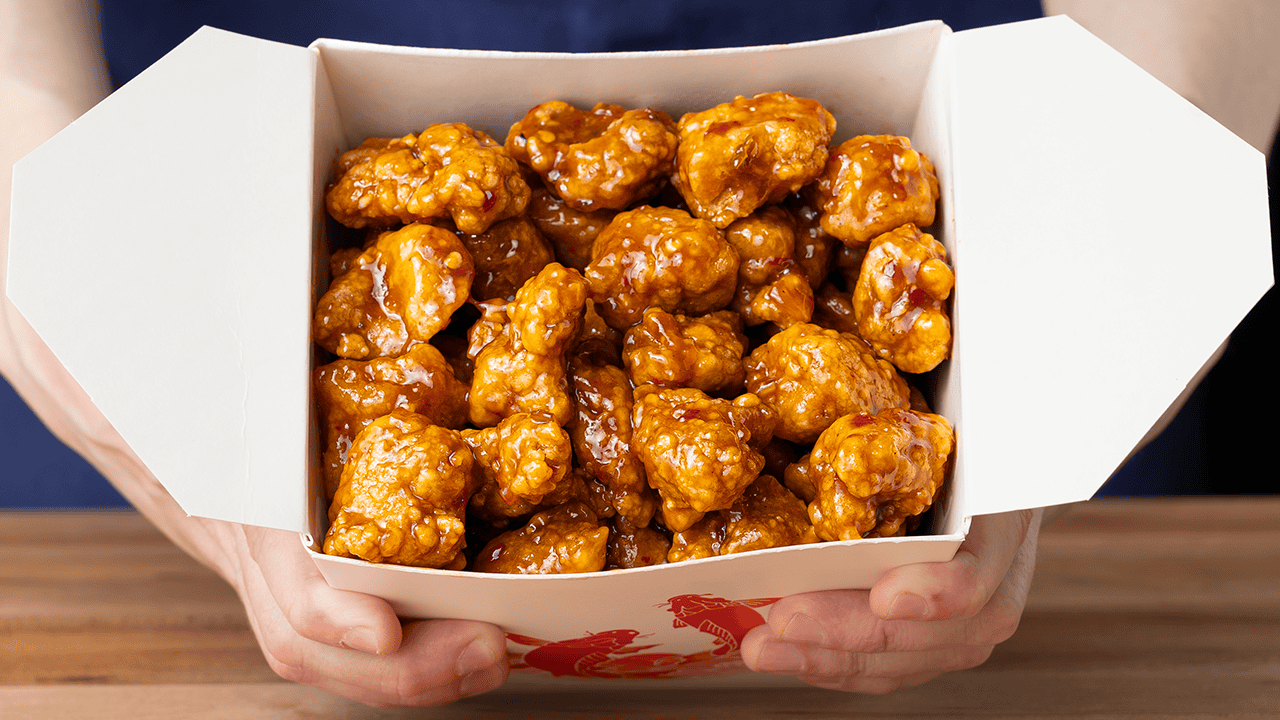
Chinese Takeout Orange Chicken Recipe
Most orange chicken recipes tell you to use orange juice. The problem is, once you cook it into a sauce with sugar and vinegar, whatever citrus flavor the juice had disappears completely. After testing this recipe across multiple batches, I found that using orange extract alongside real orange juice is what keeps the sauce actually tasting like orange. That's the same approach Panda Express uses, and it's why their version tastes like orange instead of generic sweet and sour.
If you've made orange chicken at home and the sauce tasted like nothing but sugar and vinegar, the recipe you used was probably leaving out the extract. I also wanted to solve the crispiness problem. Standard takeout batter starts going soggy within minutes of being sauced, which is fine if you're eating it immediately but useless for leftovers. So this recipe gives you two batter options: the classic takeout-style wet batter, and a more modern method adapted from Kenji Lopez-Alt's book The Wok that stays crunchy even after you sauce it or reheat it in the microwave.
This post contains affiliate links, which means I may earn a small commission if you make a purchase. It doesn't cost you anything extra. Full disclosure.
Why This Orange Chicken Recipe Works
- Orange extract and real orange juice together, not just juice alone. Orange juice loses its citrus flavor when cooked into a sweet and sour sauce. Adding a teaspoon of orange extract keeps the orange front and center where you can actually taste it.
- Two complete batter methods: classic takeout for right now, Kenji's vodka method for leftovers and meal prep. The traditional wet batter gives you the familiar takeout texture. The modern method uses vodka and egg white to produce a crust that holds its crunch through saucing, storing, and reheating.
- Double-frying at two temperatures for maximum crunch. The first fry at a lower temperature cooks the chicken through and sets the crust. The second fry at 375°F makes it extra crispy without drying out the meat.
- Sambal oelek instead of dried red pepper flakes. Most recipes call for flakes, but sambal integrates into the sauce more evenly and adds more complex heat than dried flakes sitting on the surface.
- The chicken can be prepped and frozen after the first fry. Fry a big batch, freeze it, and do the second fry directly from the freezer whenever you want orange chicken ready in about 10 minutes.
Ingredients You'll Need
Orange extract is the ingredient most recipes leave out, and it's the reason their sauce doesn't taste like orange. It's concentrated citrus flavor that survives cooking with sugar and vinegar. You can find it on the baking aisle of most grocery stores. You'll use it alongside real orange juice, not instead of it. The extract carries the citrus flavor, and the juice adds liquid body to the sauce.
Chicken thighs are the better choice here over breast meat. Thighs have more connective tissue and stay juicier through the double-fry process. Most takeout kitchens default to breast because that's what American customers are more familiar with, but thighs hold up much better to this cooking method. You'll want to cut them into 1-inch pieces.
White sugar and brown sugar both go into the sauce. The white sugar handles the clean sweetness, and the brown sugar adds a layer of molasses flavor that gives the sauce more depth than using just one type. Using both gives the sauce a more layered, complex sweetness than either one alone.
Sambal oelek is an Indonesian chili paste that works better in this sauce than dried red pepper flakes. It dissolves into the liquid and distributes heat evenly instead of leaving you with random flakes that stick to individual pieces. If you can't find it, ¼ teaspoon of dried red pepper flakes will work.
Vodka (modern batter only) sounds wrong in a chicken recipe, but it serves a specific purpose. It boils off faster than water and limits how much moisture the starches absorb, which prevents too much gluten from forming. That's what gives the Kenji method its signature crunch that lasts through saucing and reheating. You won't taste any alcohol in the finished chicken.
Shaoxing wine is used in both the sauce and the modern batter. If you can't find it, dry sherry is the closest substitute. Avoid Western "cooking wines" sold in the vinegar aisle, which are loaded with salt.
How to Make Orange Chicken
The sauce is the same regardless of which batter method you choose, so make it first.
Step 1: Mix the sauce. Whisk together the white sugar, brown sugar, MSG, white pepper, vinegar, orange juice, chicken broth, oyster sauce, orange extract, light soy sauce, and dark soy sauce in a small bowl until everything dissolves. You can make this ahead and store it in the fridge for up to two weeks.
Step 2: Choose your batter method. The traditional batter is the classic takeout-style wet batter. The Kenji method produces a crunchier crust that holds up to sauce and reheating. Both use the same double-fry technique and the same sauce. If you're eating it immediately, either method works. If you're meal prepping or care about leftovers, go with the Kenji method.
Traditional Takeout-Style Batter
Step 3: Make the batter. Whisk together the flour, cornstarch, baking powder, baking soda, salt, MSG, and white pepper in a large bowl. Add the egg and ice cold water and stir until you reach a pancake batter consistency. If it's too thick, add water a tablespoon at a time. Stir in the neutral oil until evenly mixed.
Step 4: Coat and rest the chicken. Add the chicken pieces to the batter and stir until every piece is completely covered. Refrigerate for 30 to 60 minutes before frying. This rest helps the batter adhere to the chicken during frying.
Kenji Lopez-Alt Modern Batter
Step 3: Make the marinade. Beat an egg white in a large bowl until frothy. Add the soy sauce, Shaoxing wine, sesame oil, and vodka. Set aside 2-3 tablespoons of this wet mixture for the dredge. Then add the cornstarch, white pepper, MSG, salt, and baking soda to the remaining liquid and whisk to combine.
Step 4: Marinate the chicken. Add the chicken pieces and stir until evenly coated. Marinate for at least 15 minutes, or up to 8 hours in the fridge. Stir well before using because the cornstarch settles to the bottom.
Step 5: Make the dredge. Whisk together the cornstarch, flour, baking powder, salt, and MSG in a separate bowl. Add those reserved 2-3 tablespoons of marinade and whisk or crumble it in with your fingers. This is called seeding. Those little clumps of flour create the craggy, textured surface that gives this batter its extra crunch.
Step 6: Bread the chicken. Coat the marinated chicken in the dredge a few pieces at a time, pressing gently to make sure every piece is completely coated. Shake off the excess.
Double Frying (Both Methods)
Step 7: First fry. Heat several inches of neutral oil to 325°F (traditional batter) or 350°F (Kenji method) in a large pot or wok. Lower the chicken piece by piece in small batches. If you add them all at once, they'll fuse into one mass before the batter sets. Agitate the pieces after a few seconds so they don't stick to the bottom. Fry for 4-5 minutes until cooked through. Remove to a wire rack or paper towel-lined baking sheet.
Step 8: Second fry. Raise the oil to 375°F. Drop the chicken back in and fry for about 2 minutes, or until the crust starts to brown. The chicken is already cooked, so this is purely about crispiness. Remove to a wire rack.
Finishing the Dish
Step 9: Cook the aromatics. Add a splash of neutral oil to a large pan or wok over medium heat. Add the grated garlic, grated ginger, and sambal oelek. Sauté for 20-30 seconds, just until fragrant. Grating the garlic and ginger instead of mincing lets them dissolve into the sauce so you don't get chunks.
Step 10: Make the sauce. Add the Shaoxing wine and let it reduce slightly, about 1-2 minutes. Pour in the prepared sauce mixture and bring it to a simmer. While stirring continuously, drizzle in the cornstarch slurry (1 tablespoon cornstarch mixed into 1 tablespoon water) and let the sauce thicken to your desired consistency.
Step 11: Toss and serve. Kill the heat. Add the fried chicken to the pan and toss until every piece is evenly coated. Drizzle in a teaspoon of toasted sesame oil and stir it through. Serve immediately.
Tips for the Best Orange Chicken
Lower the chicken into the oil piece by piece. This was the single most common complaint across every recipe I researched. If you add the chicken to the oil all at once, the pieces fuse together into one giant clump before the batter has time to set. Take a few extra seconds to drop them individually and use a spider or tongs to separate them after a few seconds.
Watch your batter consistency. The traditional batter should look like pancake batter. If it's too thick, the coating will be heavy and doughy instead of light and crispy. Add water a tablespoon at a time until it pours off a spoon in a steady stream.
Stir the Kenji marinade right before you bread. The cornstarch settles to the bottom as it sits. If you don't stir it back up before dredging, the first few pieces will be under-coated and the last few will have a thick paste on them.
Don't be afraid of the vinegar amount. Vinegar overpowering the sauce was the most common complaint I found in comment sections across dozens of recipes. This recipe balances it with two types of sugar and orange extract. Follow the amounts as written and the balance works.
You can scale this up for meal prep. The fry-and-freeze method is how takeout kitchens serve orange chicken in minutes. Do the first fry on a big batch, cool the pieces completely, then spread them on a baking sheet to flash-freeze for about an hour before transferring to freezer bags. When you want orange chicken, do the second fry directly from frozen at 375°F for 5-7 minutes instead of 2. You'll want to make the sauce fresh each time, but it only takes a few minutes.
What to Serve With Orange Chicken
Orange chicken pairs well with most Chinese takeout sides. Here are a few from this site:
- Chinese Takeout Fried Rice
- Chinese Takeout Chow Mein
- Chinese Takeout Lo Mein
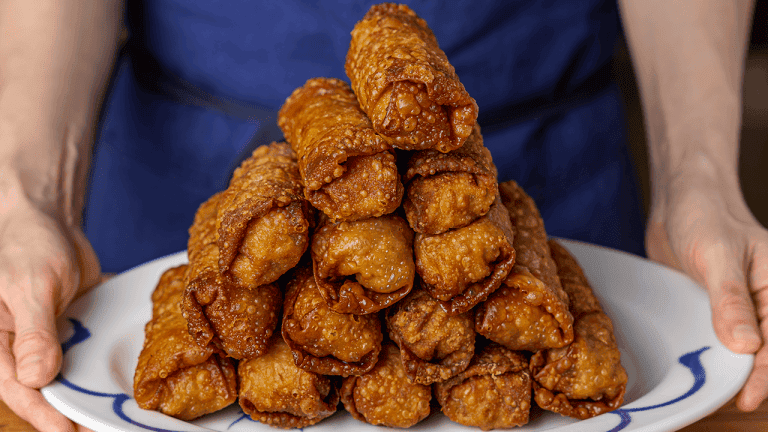
- Chinese Takeout Egg Rolls
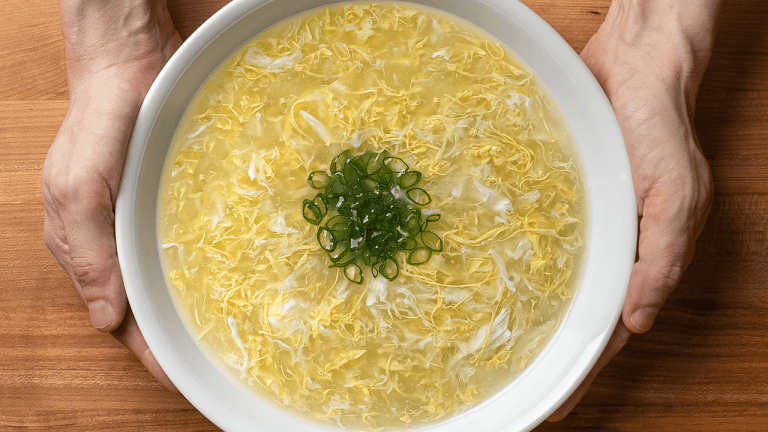
- Chinese Takeout Egg Drop Soup
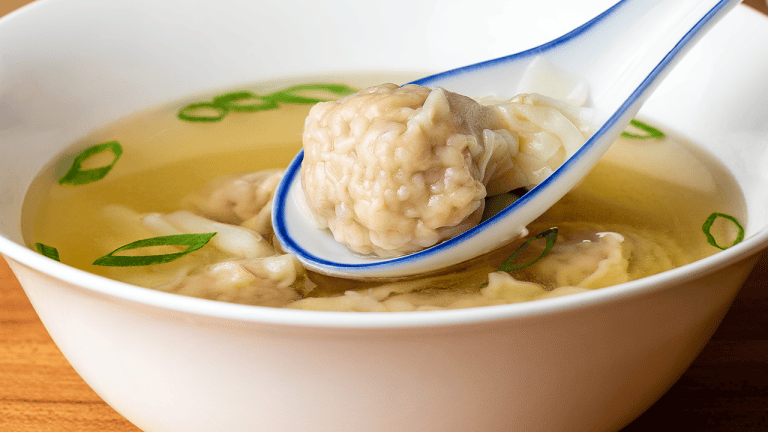
- Chinese Takeout Wonton Soup
Storage and Reheating
Fried chicken (unsauced): Store in an airtight container in the fridge for up to 3 days. Reheat in a 400°F oven for 8-10 minutes to re-crisp. This works better with the Kenji batter, which was designed to hold its texture.
Fried chicken (freezer method): After the first fry, cool completely, then spread on a baking sheet and freeze for about 1 hour. Transfer to freezer bags once they're solid. Keeps for up to 2 months. Second-fry at 375°F directly from frozen for 5-7 minutes.
Sauced orange chicken: Refrigerate for up to 3 days. The traditional batter will soften in the sauce overnight. The Kenji batter holds up noticeably better. Reheat in a pan over medium heat or in the microwave.
Orange sauce (unmixed): The whisked sauce mixture keeps in the fridge for up to 2 weeks before cooking. Make it ahead so the dish comes together faster on a weeknight.
Frequently Asked Questions
Can I use chicken breast instead of thighs?
Yes. Breast meat is leaner and tends to dry out faster through the double-fry process, so if you go that route, the Kenji batter method is the better choice. The egg white marinade helps the meat retain moisture. Cut into the same 1-inch pieces and watch the fry time carefully.
Why vodka in the batter?
Vodka boils off faster than water and limits how much moisture the starches can absorb. Less moisture means less gluten development, which means a lighter crust that stays crispy longer. All of the alcohol cooks off during frying, so you won't taste it.
Can I use potato starch instead of cornstarch?
Potato starch works as a substitute in the dredge and produces a slightly different texture. Some people prefer it. For the cornstarch slurry that thickens the sauce, stick with cornstarch. That's what gives the sauce its characteristic glossy sheen.
What kind of orange juice should I use?
Fresh-squeezed or a standard not-from-concentrate brand like Simply Orange both work fine. The orange extract is doing most of the work for citrus flavor, so the juice is more about adding liquid body to the sauce. Some commenters mentioned frozen orange juice concentrate as an alternative, which would intensify the flavor further. If you go that direction, reduce the liquid amount to compensate.
What's the difference between the two batter methods?
The traditional batter is a wet batter made from flour, cornstarch, egg, and water. It produces the classic takeout coating that's crispy when fresh but softens within 10-15 minutes once sauced. The Kenji method uses vodka, egg white only (no yolk), and a separate seeded dredge. It stays crunchy through saucing and reheating. Choose traditional if you're eating it right away. Choose Kenji if you're meal prepping or want leftovers that reheat well.
More Chinese Takeout Recipes
- Chinese Takeout Crab Rangoon
- Chinese Takeout Egg Foo Young
- Chinese Takeout Egg Rolls
- Chinese Takeout Kung Pao Chicken
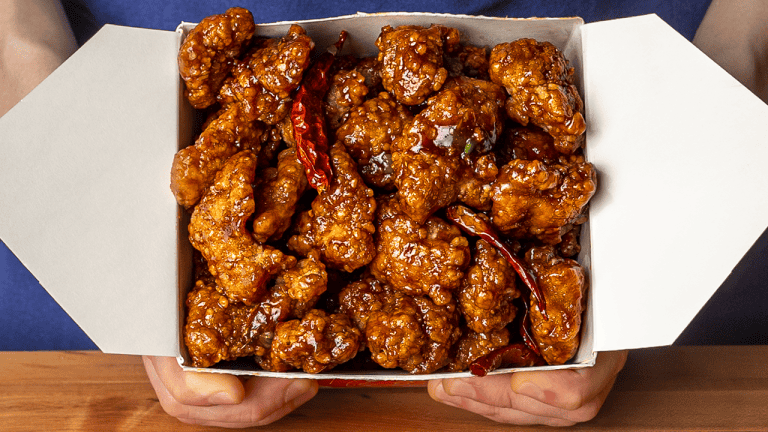
- Chinese Takeout General Tso's Chicken
- Chinese Takeout Wonton Soup
- Chinese Takeout Hot and Sour Soup
- Chinese Takeout Egg Drop Soup
- Chinese Takeout Chow Mein
- Chinese Takeout Lo Mein
- Chinese Takeout Fried Rice
More P.F. Chang's Recipes
- P.F. Chang's Mongolian Beef
- P.F. Chang's Lettuce Wraps
- P.F. Chang's Beef with Broccoli
- P.F. Chang's Dynamite Shrimp
- P.F. Chang's Singapore Street Noodles
- P.F. Chang's Stir-Fried Eggplant
- P.F. Chang's Fried Rice
- P.F. Chang's Kung Pao Chicken
- P.F. Chang's Spicy Chicken
- P.F. Chang's Crispy Honey Chicken
More Panda Express Recipes
More Din Tai Fung Recipes
Recipe
Chinese Takeout Orange Chicken
Equipment
- 1 Made-In Carbon Steel Wok for deep-frying
- 1 All-Clad Nonstick Pan for cooking the sauce
- 1 Infrared Thermometer for oil temperature
- 1 Wire Cooling Rack Baking Sheet
- 1 Microplane Grater for grating garlic and ginger
- 1 Whisk
- 1 Hefty Storage Gallon Bags for freezer storage
- 1 Rubbermaid Storage Containers for storing sauce or prepped chicken
Ingredients
Chicken
- 1 lb boneless skinless chicken thighs cut into 1-inch pieces
Traditional Takeout-Style Batter
- 1 ½ cups all-purpose flour
- ½ cup cornstarch
- 1 teaspoon baking powder
- ¼ teaspoon baking soda
- 1 teaspoon table salt
- ½ teaspoon MSG
- ¼ teaspoon white pepper
- 1 large egg
- 1 cup ice cold water
- 1 tablespoon vegetable oil
Kenji Lopez-Alt Marinade
- 1 large egg white beaten until frothy
- 1 tablespoon soy sauce
- 2 tablespoon Shaoxing cooking wine
- ½ teaspoon toasted sesame oil
- 2 tablespoon vodka
- 3 tablespoon cornstarch
- ⅛ teaspoon white pepper
- ¼ teaspoon MSG
- ⅛ teaspoon table salt
- ¼ teaspoon baking soda
Kenji Lopez-Alt Dry Dredge
- ¾ cup cornstarch plus 1 tbsp
- ½ cup all-purpose flour
- ¾ teaspoon baking powder
- ¼ teaspoon table salt
- ½ teaspoon MSG
- 2-3 tablespoon reserved marinade for seeding
Orange Sauce Mixture
- 2 tablespoon white sugar
- 2 tablespoon brown sugar
- ¼ teaspoon MSG
- ¼ teaspoon white pepper
- 2 tablespoon distilled white vinegar
- ¼ cup orange juice
- ¼ cup chicken broth or water
- 1 tablespoon oyster sauce
- 1 teaspoon orange extract
- 2 tablespoon soy sauce
- ½ teaspoon dark soy sauce
Aromatics
- 1 tablespoon vegetable oil
- 1 teaspoon garlic grated
- 1 teaspoon ginger grated
- 1 teaspoon sambal oelek chili paste or ¼ teaspoon dried red pepper flakes
- 1 tablespoon Shaoxing cooking wine
Cornstarch Slurry
- 1 tablespoon cornstarch
- 1 tablespoon water
Finishing
- 1 teaspoon toasted sesame oil
Instructions
Prepare the Chicken
- Slice 1 pound of boneless, skinless chicken thighs into roughly 1-inch strips. Turn the strips perpendicular and cut them into 1-inch pieces.
Traditional Takeout-Style Batter
- Add all-purpose flour, cornstarch, baking powder, baking soda, table salt, MSG, and white pepper to a large bowl.
- Add the egg and ice cold water and stir until you reach a pancake batter consistency. If the batter is too thick, add a touch more water.
- Add vegetable oil and stir it into the batter until it's evenly mixed.
- Add the chicken pieces to the batter and stir until all pieces are completely covered. Refrigerate the battered chicken for 30 to 60 minutes before frying.
Kenji Lopez-Alt Marinade
- Add one egg white to a large bowl and whisk it until it's frothy. Add light soy sauce, Shaoxing wine, toasted sesame oil, and vodka.
- Set aside 2-3 tablespoons of the wet mixture for the dredge.
- Add cornstarch, white pepper, MSG, table salt, and baking soda to the remaining liquid and whisk to combine.
- Add the chicken pieces to the marinade and stir until evenly coated. Marinate for at least 15 minutes, or up to 8 hours in the fridge. Stir well before using because the cornstarch will settle to the bottom.
Kenji Lopez-Alt Dry Dredge
- Add cornstarch, all-purpose flour, baking powder, table salt, and MSG to a large bowl and whisk to combine.
- Add the reserved 2-3 tablespoons of marinade to the dry ingredients and whisk or crumble it in with your fingers. This is called seeding and will create small clumps that give the crust a craggy, extra-crunchy texture.
- Coat the marinated chicken pieces in the dredge a few at a time, making sure every piece is completely coated in the flour mixture. Shake off the excess.
First Fry
- In a large pot or wok, heat several inches of neutral oil to 325°F for the traditional batter, or 350°F for the Kenji method.
- Working in several small batches, lower the chicken piece by piece into the hot oil. After a few seconds, agitate the chicken so it doesn't stick to the bottom of the pot.
- Cook the chicken for 4-5 minutes, or until it is cooked all the way through. Remove to a wire rack or baking sheet lined with paper towels.
Second Fry
- Allow the chicken to cool slightly and raise the temperature of the oil to 375°F.
- Fry the chicken again for about 2 minutes, or just until the crust has started to brown slightly. The chicken is already cooked through, so this second fry is purely for crispiness.
- Remove the chicken to a wire rack or baking sheet lined with paper towels.
Orange Sauce
- Whisk together the white sugar, brown sugar, MSG, white pepper, distilled white vinegar, orange juice, chicken broth, oyster sauce, orange extract, soy sauce, and dark soy sauce in a small bowl until the sugars and spices are dissolved. Set aside.
- Add neutral oil to a large pan or wok over medium heat. Add the grated garlic, grated ginger, and sambal oelek. Sauté for 20-30 seconds, or just until the aromatics are fragrant.
- Add the Shaoxing cooking wine to the pan, bring it up to a simmer, and let it reduce slightly for about 1-2 minutes.
- Add the prepared sauce mixture to the pan and bring it to a simmer. While stirring continuously, drizzle in the cornstarch slurry and bring the sauce back to a simmer. Continue stirring for a minute or two until the sauce has thickened to your desired consistency. Turn off the heat.
Finish and Serve
- Add the fried chicken to the pan and toss the pieces until they are all evenly coated in the orange sauce.
- Drizzle in 1 teaspoon of toasted sesame oil and stir it into the sauced chicken. Serve immediately.