Chinese Takeout Kung Pao Chicken Recipe
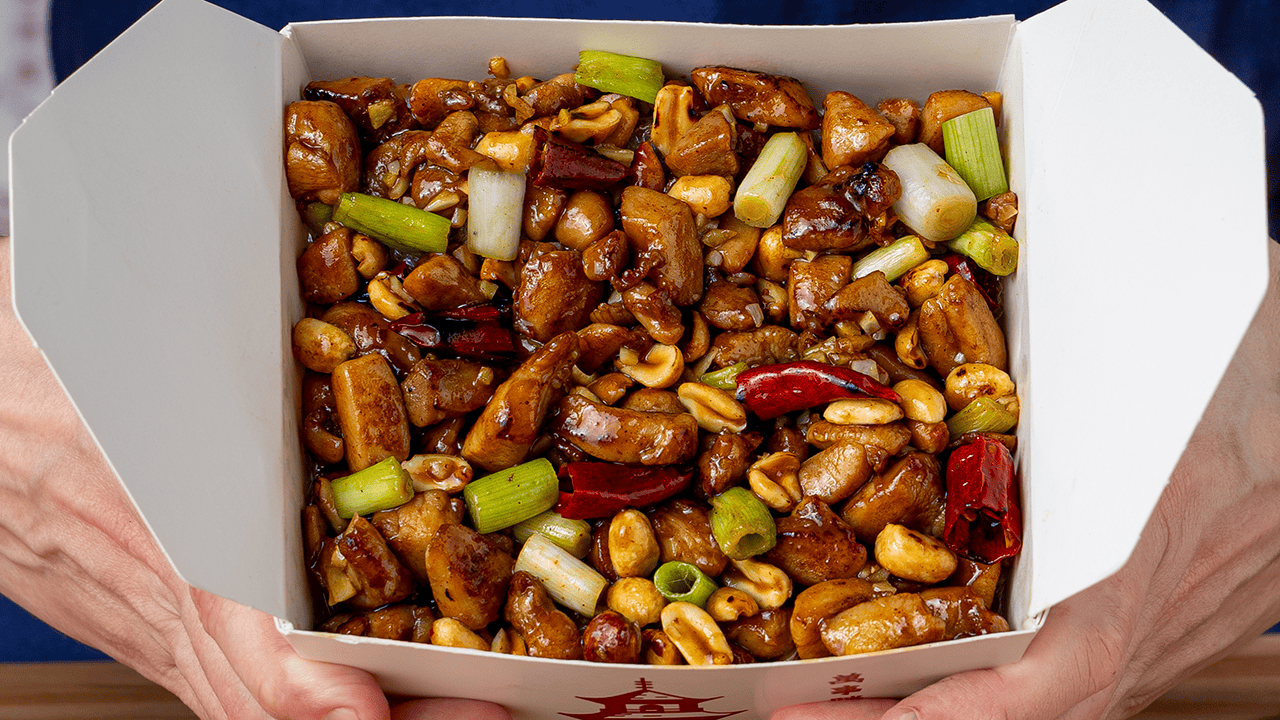
Most Kung Pao chicken recipes on the internet tell you to use Chinese black vinegar. But every takeout kitchen I've visited uses plain white distilled vinegar. That one swap is what separates a decent homemade version from the actual takeout flavor. This Chinese takeout Kung Pao chicken recipe covers both dark meat and white meat methods, plus the dried chili technique that gives the dish its signature smoky aroma without setting your mouth on fire.
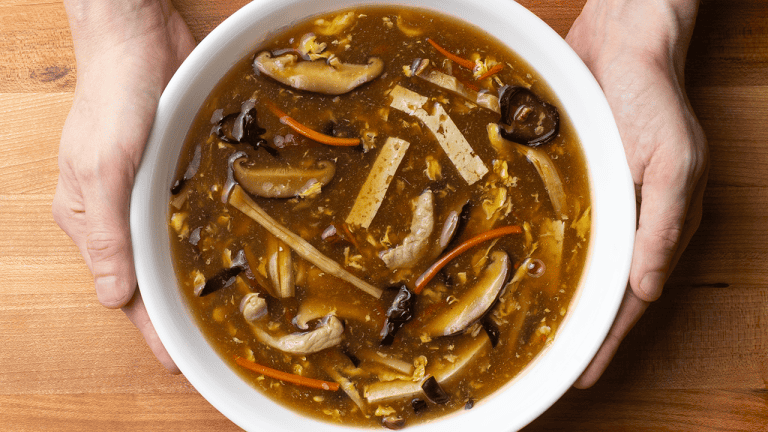
If you've made Kung Pao at home and it tasted off, the vinegar was probably the issue. Black vinegar works in dishes like Hot and Sour Soup where the liquid stays in the bowl, but in a fast stir-fry over high heat, its subtle flavor doesn't survive. White distilled vinegar can handle the heat without losing its flavor. That's what most takeout kitchens use, and that's the biggest reason their version tastes different from yours.
This post contains affiliate links, which means I may earn a small commission if you make a purchase. It doesn't cost you anything extra. Full disclosure.
Why This Kung Pao Chicken Recipe Works
- White distilled vinegar, not black. Black vinegar loses its subtle flavor over high heat. Every takeout kitchen I've visited uses white distilled vinegar, and it's the reason their sauce has a sharper, more defined flavor than most homemade versions.
- Half-inch dice on everything. The chicken, scallions, peanuts, and chilis should all be roughly the same small size. Most people cut their chicken way too big for Kung Pao, and you end up with a stir-fry instead of the balanced mix of textures you get at a restaurant.
- Dried chilis for aroma, not heat. You don't eat the chilis. They go into the oil to bloom their smoky, toasted flavor into the fat. Removing the seeds and cutting them into small pieces controls the heat and maximizes that roasted aroma.
- Peanuts go in last. Dry-roasting them in the wok first activates the oils in the nuts and improves their flavor, same reason you toast nuts for baked goods. Adding them right at the end keeps them crunchy.
- Both dark and white meat methods included. Chicken thighs get stir-fried directly. Chicken breast gets a baking soda and egg white treatment, then a quick shallow fry so it stays juicy under wok heat. Same dish, but the technique changes depending on your protein.
Ingredients You'll Need
Chicken thighs (or breast). This recipe uses boneless, skinless chicken thighs as the primary version. Thigh meat handles high heat well and doesn't dry out the way breast does. If you prefer white meat, there's a full chicken breast variation in the tips section below with baking soda, egg white, and a shallow-fry method to keep it tender.
White distilled vinegar. This is the big one. If you've been using Chinese black vinegar (Chinkiang) and your Kung Pao doesn't taste like takeout, this is the fix. White distilled vinegar is cheaper, sharper, and holds up to wok heat without losing its flavor. You probably already have a bottle in your pantry.
Dried red chilis. Look for the medium-sized, deep red ones at your Asian grocery store, typically labeled "dried red chilis" or "whole dried chilis." If you can't find Chinese dried chilis, chile de arbol or Thai bird's eye work as substitutes, but they're significantly spicier. Start with fewer if you're substituting.
Shaoxing cooking wine. Standard in Chinese marinades and sauces. It adds a slightly sweet, nutty flavor you can't really replicate with anything else. Dry sherry is the closest substitute if you can't find it.
Unsalted dry-roasted peanuts. Standard Planters-style roasted peanuts work perfectly. You'll toast them in a dry wok before cooking to bring out more of their flavor. If you have a peanut allergy, cashews are the most common substitute.
Light soy sauce. Used in both the marinade and the sauce. Pearl River Bridge is a good brand to look for. This isn't the same as Japanese soy sauce or Kikkoman. Chinese light soy sauce is thinner and saltier.
Dark soy sauce. Just a small amount for color. It gives the marinade and the chicken a darker color without adding much saltiness.
How to Make Kung Pao Chicken
1. Dice the chicken small. Cut boneless, skinless chicken thighs into half-inch cubes. This is smaller than most stir-fry cuts, and that's intentional. In a good Kung Pao, every piece of chicken, peanut, scallion, and chili should be roughly the same small, bite-sized piece. If your chicken pieces are much bigger than a peanut, they're too big.
2. Marinate the chicken. Toss the diced chicken with light soy sauce, dark soy sauce, Shaoxing wine, salt, sugar, MSG, and white pepper. Work the marinade into the meat with your hands for a couple of minutes, squeezing it through your fingers. This massage breaks down the muscle fibers and makes the meat more tender. Then add the cornstarch and mix until sticky, followed by a teaspoon of oil to keep the pieces from clumping. Let it sit for at least 30 minutes, or overnight in the fridge.
3. Mix the sauce. Whisk together white sugar, MSG, white pepper, salt, and cornstarch in a small bowl. Add the light soy sauce, chicken broth, Shaoxing wine, and white distilled vinegar. Stir until the dry seasonings dissolve. The cornstarch goes directly into the sauce here instead of as a separate slurry since the quantity is so small. You can make this a few days ahead and keep it in the fridge.
4. Prep the chilis. Cut the dried red chilis into half-inch pieces with kitchen scissors. Shake the pile around to remove most of the seeds. The seeds are basically flavorless. Most of the heat comes from the inner membrane, and removing the seeds just keeps things cleaner. You're adding these chilis for their roasted, smoky aroma in the oil, not for raw heat.
5. Toast the peanuts. Heat a dry wok over medium heat. Add the peanuts and toss them around for about a minute or two until they're lightly charred and fragrant. Dry-roasting makes them crunchier and brings out their flavor, same reason you toast nuts for baked goods. Set them aside in a separate bowl.
6. Stir-fry the chicken. Heat the wok over medium-high heat with a tablespoon or two of oil. Add the marinated chicken and press it down into a single layer. Leave it alone for about a minute so the first side sears and doesn't stick. Then stir-fry for 2-3 minutes total. You're not looking for a hard sear or browning here, just cooking it through. Remove the chicken and set it aside.
7. Bloom the aromatics. Turn the heat down to medium. Add another tablespoon of oil, then the minced garlic and ginger. Saute for about 20-30 seconds until fragrant. Drop in the sliced chilis and toss them with the aromatics for 10-20 seconds, just until they start darkening slightly in color. This is where all that smoky chili flavor gets infused into the oil.
8. Bring it all together. Add the cooked chicken back to the wok and toss it with the aromatic oil. Pour in the sauce along with the white sections of the sliced scallions. Toss everything together until the sauce thickens to your liking, then kill the heat. Add the toasted peanuts and drizzle in the sesame oil. Mix it all together and serve immediately.
Tips for the Best Kung Pao Chicken
White meat chicken breast variation. If you prefer chicken breast, the prep changes significantly. Sprinkle a quarter teaspoon of baking soda over the diced breast meat and massage it in for a couple of minutes. Then add all the same marinade ingredients as the thigh version. After the marinade, work in half an egg white until evenly coated, then 2 teaspoons of cornstarch (double the thigh version), and finish with a teaspoon of oil. The baking soda and egg white are both alkaline, which tenderizes the lean breast meat so it stays juicy. Instead of stir-frying, heat 1-2 cups of oil to 300°F and shallow fry the pieces for 2-3 minutes until cooked through. Then use the cooked breast in place of the thighs when you get to the aromatic stage. This extra insulation layer is how restaurants keep chicken breast tender in wok dishes.
Adding Sichuan peppercorns (optional). You won't find Sichuan peppercorns in most American-Chinese takeout Kung Pao. I've never tasted them in a takeout version. But if you want that traditional numbing, citrusy flavor, here's how to do it right: Toast a small handful in a dry pan over medium heat for a minute or two until you smell a slight citrus fragrance. Let them cool, then pick out any black seeds. Those seeds are what cause that unpleasant gritty texture. You only want the husks. Grind them in a mortar and pestle or spice mill, then sift the powder through a fine-mesh strainer to catch any tough bits. Add about half a teaspoon while you're blooming the aromatics in step 7. It's potent, so start small.
The aromatic brine trick. This is a more traditional technique. Take the trimmings from your garlic, ginger, and scallions and pour a bit of boiling water over them. Let it sit until it reaches room temperature. You'll have an aromatic-flavored brine you can add about a tablespoon of to the chicken during the marination step. It does improve the flavor, though it's not something I've seen in takeout kitchens.
Don't overcrowd the wok. This recipe calls for 8 ounces of chicken for a reason. If you load a full pound of meat into a home wok, the temperature drops too fast and the chicken ends up boiling in its own juices instead of stir-frying. If you're cooking for more people, work in batches and keep each batch at around 8-12 ounces of protein.
Freezer storage for dried chilis. Keep your dried chilis in a sealed ziploc bag in the freezer. They'll stay fresh much longer than they would sitting in your pantry. They're ready to use straight from the freezer with no thawing needed.
Storage and Reheating
Leftover Kung Pao chicken keeps well in the fridge for 3-4 days in a sealed container. Reheat in a hot wok or skillet over medium-high heat for 2-3 minutes. Microwave works in a pinch but you'll lose the wok flavor. This dish doesn't freeze particularly well because the sauce and peanuts change texture after thawing.
Frequently Asked Questions
Can I use a different nut instead of peanuts?
Cashews are the most common substitute and work well in this dish. Almonds and pecans are also options. Pistachios would be a little unusual for the flavor profile but technically work. If you have a tree nut allergy too, you can leave the nuts out entirely. The dish still tastes good without them.
Why don't you use Chinese black vinegar?
In every takeout kitchen I've visited, they use plain white distilled vinegar for stir-fry sauces. Black vinegar has a more complex, mellow flavor that works great in soups and dipping sauces where it's not exposed to high heat. In a stir-fry, that subtlety burns off quickly, and you're left with less flavor than if you'd just used white distilled. Your Kung Pao will taste more like takeout with white vinegar.
Can I add vegetables?
Most of the best takeout Kung Pao I've had didn't include vegetables, but plenty of restaurants add them. Bell peppers, celery, and water chestnuts are common additions. Cut them to the same half-inch dice as everything else and stir-fry them briefly before adding the chicken back to the wok.
More Chinese Takeout Recipes
- Chinese Takeout Crab Rangoon
- Chinese Takeout Egg Foo Young
- Chinese Takeout Egg Rolls
- Chinese Takeout Orange Chicken
- Chinese Takeout General Tso's Chicken
- Chinese Takeout Wonton Soup
- Chinese Takeout Hot and Sour Soup
- Chinese Takeout Egg Drop Soup
- Chinese Takeout Chow Mein
- Chinese Takeout Lo Mein
- Chinese Takeout Fried Rice
More P.F. Chang's Recipes
- P.F. Chang's Mongolian Beef
- P.F. Chang's Lettuce Wraps
- P.F. Chang's Beef with Broccoli
- P.F. Chang's Dynamite Shrimp
- P.F. Chang's Singapore Street Noodles
- P.F. Chang's Stir-Fried Eggplant
- P.F. Chang's Fried Rice
- P.F. Chang's Kung Pao Chicken
- P.F. Chang's Spicy Chicken
- P.F. Chang's Crispy Honey Chicken
More Panda Express Recipes
More Din Tai Fung Recipes
Recipe
Chinese Takeout Kung Pao Chicken
Equipment
- 1 Whisk
- 1 Anchor Glass Ramekins for mise en place
- 1 Fine Mesh Strainer for sifting Sichuan peppercorn powder
- 1 Deep Fry / Candy Thermometer for white meat version oil temp
Ingredients
Chicken & Marinade
- 8 oz boneless skinless chicken thighs diced into ½-inch cubes
- 1 teaspoon light soy sauce Lee Kum Kee or Pearl River Bridge recommended
- ¼ teaspoon dark soy sauce for color only
- 1 teaspoon Shaoxing cooking wine dry sherry as substitute
- ⅛ teaspoon salt
- ¼ teaspoon white sugar
- ⅛ teaspoon MSG
- ⅛ teaspoon ground white pepper
- 1 teaspoon cornstarch
- 1 teaspoon neutral oil added last to prevent clumping during stir-fry
Sauce
- 2 teaspoon white sugar
- ¼ teaspoon MSG
- ¼ teaspoon ground white pepper
- ¾ teaspoon salt
- ¼ teaspoon cornstarch whisked directly into the sauce, not as a separate slurry
- 2 teaspoon light soy sauce
- 1 tablespoon chicken broth or water
- ½ teaspoon Shaoxing cooking wine
- 1 tablespoon white distilled vinegar not black vinegar; white holds up to wok heat
Nuts & Aromatics
- ¼ cup unsalted dry-roasted peanuts toasted in dry wok before cooking
- 2 teaspoon garlic minced
- 1 teaspoon ginger minced
- 4 dried red chilis seeds removed; chile de arbol or Thai bird's eye as substitutes (much spicier)
- 2 scallions whites only, added with the sauce
Finish
- ½ teaspoon toasted sesame oil added off heat at the very end
For Cooking
- 2 tablespoon neutral oil divided: 1 tablespoon for chicken, 1 tablespoon for aromatics
Instructions
Marinate the Chicken
- Dice boneless, skinless chicken thighs into ½-inch cubes. For more tender meat, flip each thigh smooth side down and lightly pound the back with the dull edge of your knife before dicing. This loosens the muscle fibers and makes the protein softer when you chew it.
- Add the diced chicken to a bowl with light soy sauce, dark soy sauce, Shaoxing cooking wine, salt, white sugar, MSG, and ground white pepper. Work the marinade into the meat with your hands for 2-3 minutes, squeezing it through your fingers. This deep tissue massage further breaks down the muscle fibers.
- Add cornstarch and mix until the chicken feels evenly coated and slightly sticky. Then add the neutral oil and stir it in to keep the pieces from clumping together during stir-frying. Marinate for at least 30 minutes, or up to overnight in the fridge.
Make the Sauce
- In a small bowl, combine white sugar, MSG, ground white pepper, salt, and cornstarch. Pour in light soy sauce, chicken broth (or water), Shaoxing cooking wine, and white distilled vinegar. Whisk everything together until the dry seasonings are fully dissolved. The cornstarch goes directly into the sauce since the quantity is too small for a separate slurry. You can make this several days in advance and store it covered in the fridge.
Prep the Aromatics
- Cut dried red chilis into ½-inch pieces using kitchen scissors. Shake the pile around to remove most of the seeds. The seeds are basically flavorless; most of the heat comes from the inner membrane. Removing the seeds keeps the dish cleaner and controls the heat level.
- Mince the garlic and ginger. Slice the white sections of the scallions into ½-inch pieces. Set these aside separately since they go into the wok at different times.
Toast the Peanuts
- Heat a dry wok over medium heat. Add the unsalted peanuts and toss them around for 1-2 minutes until lightly charred and fragrant. Dry-roasting brings out their flavor and makes them crunchier. Remove the peanuts to a separate bowl and set aside.
Stir-Fry the Chicken
- Heat the wok over medium-high heat. Add about 1 tablespoon of neutral oil and swirl it around to coat the surface. Add the marinated chicken and press the pieces down into a single layer. Leave it alone for about 1 minute so the first side sears and doesn't stick to the cooking surface.
- Stir-fry the chicken for 2-3 minutes total. You're not looking to brown the meat heavily, just cook it through until done. Remove the chicken to a separate bowl and set aside.
Bloom the Aromatics
- Heat the wok again over medium heat. Add another tablespoon of neutral oil. Toss in the minced garlic and minced ginger and saute for 20-30 seconds, just until fragrant. Then drop in the sliced dried chilis and toss them with the aromatics for 10-20 seconds, or until you notice the chilis are slightly darkening in color. This step infuses the oil with the smoky, roasted chili flavor.
Finish the Dish
- Add the cooked chicken back to the wok and toss it with the aromatic-infused oil until everything is well mixed. Pour in the sauce along with the scallion whites. Toss everything together until the sauce has thickened to your liking.
- Kill the heat. Add the toasted peanuts and drizzle in the toasted sesame oil. Toss everything together so it's evenly distributed and serve immediately. The peanuts go in last and off heat so they stay crunchy.