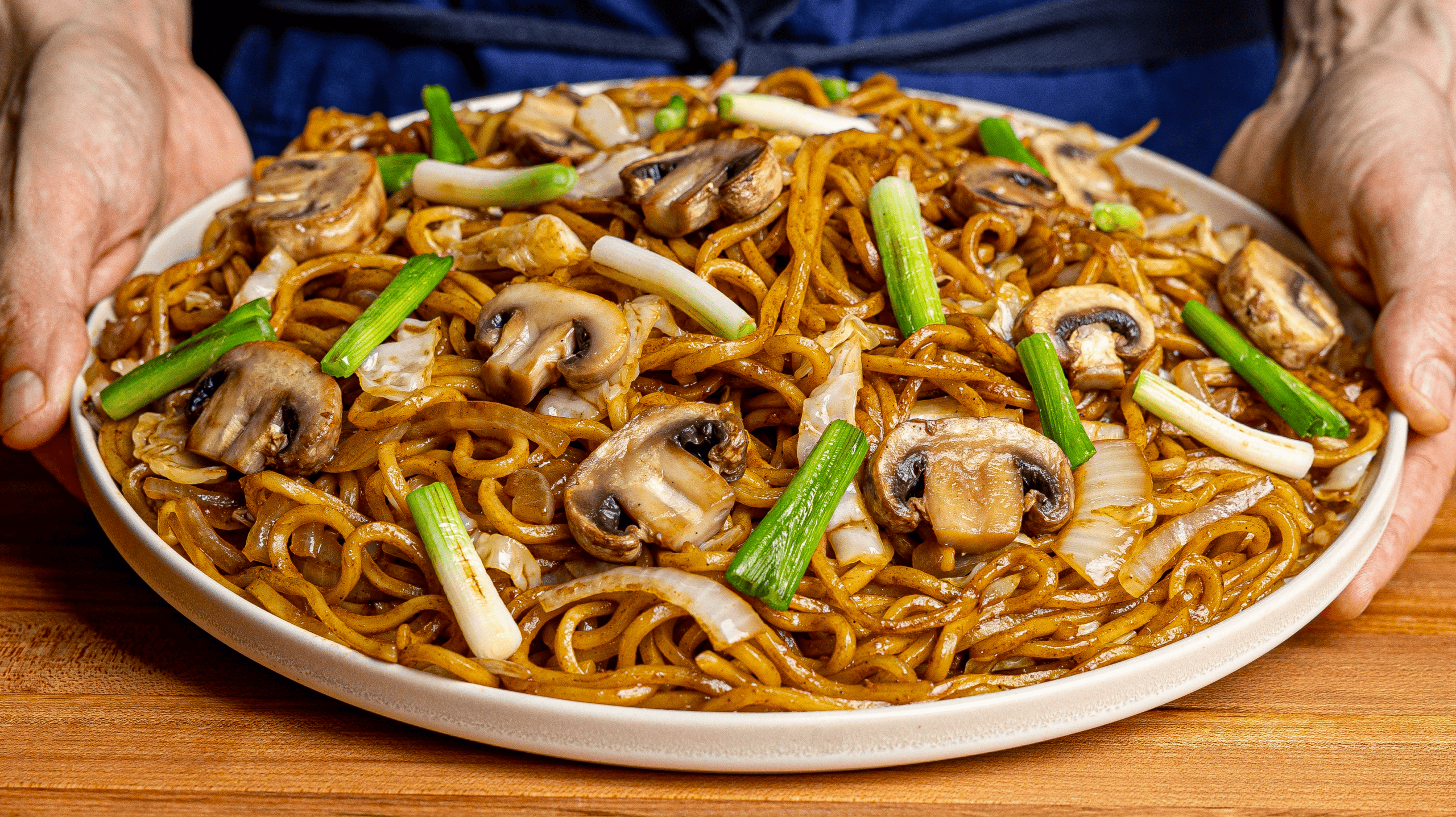
Benihana Yakisoba Recipe
Benihana's yakisoba recipe uses a specific bottled sauce that's never been publicly identified. I tracked down the exact brand, tested every commercially available yakisoba noodle to find the closest match to what they serve, and figured out the one ingredient that makes their version taste different from standard yakisoba.
The sauce used to be made in-house. At some point, corporate switched to a bottled product. I got confirmation from Benihana employees that the sauce is Otafuku brand yakisoba sauce. The other thing that separates their yakisoba from a regular stir-fried noodle dish is a tablespoon of hibachi garlic butter stirred in right at the end.
This post contains affiliate links, which means I may earn a small commission if you make a purchase. It doesn't cost you anything extra. Full disclosure.
Why This Benihana Yakisoba Recipe Works
- Otafuku yakisoba sauce, the actual brand used at Benihana. The restaurant switched from an in-house recipe to this bottled sauce. It's widely available at Asian grocery stores and online.
- Alkaline noodles, pre-heated before they go into the pan. Overlooking this step is the main reason home cooks end up with broken, mushy noodles instead of the chewy texture you get at the restaurant.
- Hibachi garlic butter stirred in at the end. This isn't a standard yakisoba ingredient. It's specific to Benihana, and it's what gives their version that rich, savory flavor the regular bottled sauce can't deliver on its own.
- Salt only on the mushrooms, not the other vegetables. The mushrooms need salt to release their liquid. The onion and cabbage stay unsalted so they cook up crisp, and the yakisoba sauce adds plenty of seasoning on its own.
- Ten minutes, start to finish. Once your noodles are pre-heated and your vegetables are sliced, the actual cooking takes about ten minutes. This is one of the fastest dishes in the entire Benihana lineup.
Ingredients You'll Need
Yakisoba noodles. You're looking for fresh alkaline noodles, the same family as ramen. They get their yellow color from kansui (alkaline salts), not egg. Despite the name, yakisoba noodles have nothing to do with buckwheat soba. Miyatake brand is the closest to what Benihana uses. If you can find the Miyatake Teppan Style version, those are the best option available. Sun Noodle brand ramen works just as well but needs a quick boil first. If none of those are available, Maruchan instant yakisoba (throw away the seasoning packets) or Shanghai Yangchun noodles are good alternatives. Chow mein noodles work too. And if you're completely stuck, instant ramen holds its texture better than dried noodles for this dish.
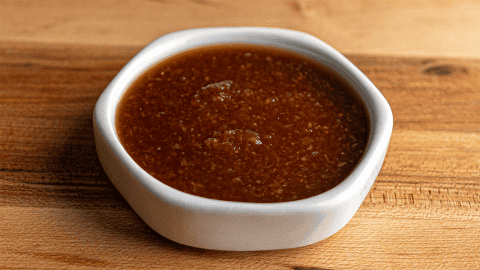
Otafuku yakisoba sauce. This is the brand Benihana actually uses. It's a tangy, slightly sweet sauce with a Worcestershire-like base. You'll find it at most Asian grocery stores or online. If you try it and decide it's not for you, that's fair. Even some Benihana employees prefer mixing teriyaki sauce, soy sauce, and garlic butter instead. That combination won't taste identical to the restaurant version, but it makes a good yakisoba.
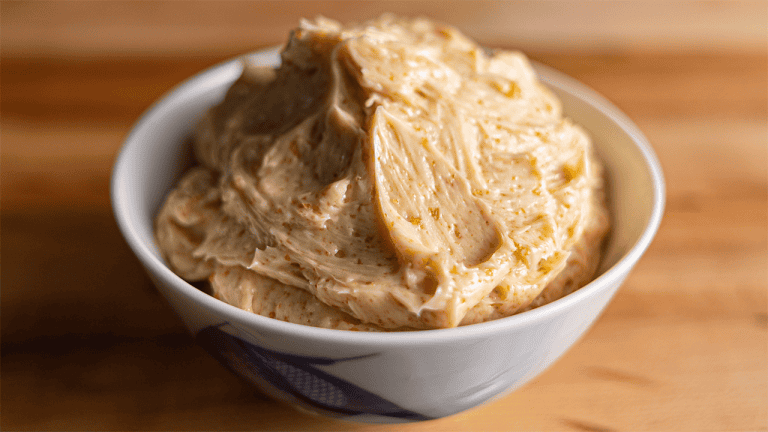
Hibachi garlic butter. This is what separates Benihana's yakisoba from a standard stir-fried noodle dish. It's unsalted butter blended with garlic and Kikkoman soy sauce. I have a full breakdown of how to make it in my Benihana garlic butter post. Make a batch ahead of time and keep it in the fridge or freezer. You'll use it in almost every Benihana recipe.
The vegetables. Cabbage, onion, mushroom, and green onion are the four you'll always find in Benihana's yakisoba. Some locations add carrots, bok choy, or red bell pepper, but those four are the constant. You can customize with whatever you have in the fridge. The dish is really about the noodles, so keep the vegetable volume reasonable.
Neutral oil. Vegetable, canola, peanut, or safflower. Anything with a high smoke point and no strong flavor.
How to Make Benihana Yakisoba
Step 1: Pre-heat your noodles. This is the step most people overlook, and it's why their noodles fall apart. Even though yakisoba noodles are pre-cooked, they're stiff and cold straight from the package. If you toss them into the pan like that, they'll break into small pieces instead of staying long and chewy. You have two options: heat a bit of oil in a pan over medium, lay the noodles in, cook about 20-30 seconds per side, then add a quarter cup of water and gently stir until the noodles loosen and the water evaporates. Or the easier way: microwave the package for 60-90 seconds. Either way, you want warm, pliable noodles before they go anywhere near the vegetables.
Step 2: Cook the mushrooms. Add a bit of neutral oil to a nonstick pan over medium-high heat. Toss in your thick-sliced mushrooms with a pinch of salt. The salt draws out the water. Cook them until the liquid has completely evaporated and the mushrooms have some color.
Step 3: Add the onion. Once the mushrooms are dry, add the sliced onion. Cook for about a minute until the onion has just a bit of color but still has some crunch. No salt on this one.
Step 4: Add the cabbage. Toss in the thinly sliced cabbage and cook for another minute or two. No salt here either. You want the vegetables crisp-tender, and the yakisoba sauce will handle the seasoning when it goes in.
Step 5: Add the scallions and noodles. Add the green onion pieces and your pre-heated yakisoba noodles. Gently stir everything together until it's well combined. Take your time with this step. Aggressive stirring is how noodles break.
Step 6: Add the garlic butter and sauce. Once the noodles are heated through, add 1 tablespoon of hibachi garlic butter and 3-4 tablespoons of Otafuku yakisoba sauce. Stir everything together until the noodles are evenly coated. Adjust seasoning with salt and pepper if needed.
Tips for the Best Benihana Yakisoba
Always pre-heat your noodles. This is the single most important step. Cold noodles snap apart when you stir them. Warm, pliable noodles hold together and give you the chewy texture that makes yakisoba what it is.
Keep the vegetables small and the volume low. Yakisoba is a noodle dish. The vegetables are there to support it, not take over. Slice them thin, keep the total amount in check, and they'll cook fast enough to stay crisp.
Use a nonstick pan. Benihana cooks this on a flat teppan grill with a huge surface area. At home, a nonstick pan is the easiest option and makes cleanup simple. A large nonstick skillet or a flat griddle is even better if you have one.
Cook your protein separately. Chicken, steak, or shrimp all work well in yakisoba. Cook them on their own first, seasoned and seared the way you would for any hibachi protein, then add the cooked protein to the noodles at the same time as the garlic butter and sauce.
Instant ramen is a better backup than dried noodles. If you can't find fresh yakisoba, Maruchan, or any of the recommended brands, use instant ramen instead of dried noodles from a box. Instant ramen holds its texture in a stir-fry significantly better.
What to Serve With Benihana Yakisoba
Yakisoba works as a full main course on its own, but if you're putting together a Benihana spread at home, a few things go well alongside it.
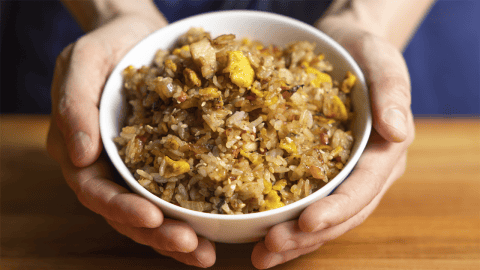
Benihana fried rice is the most natural pairing. At the restaurant, yakisoba and fried rice usually show up together as part of the same meal.
Benihana hibachi onion soup is the soup they bring out at the beginning of every Benihana dinner. It takes about 10 minutes and works well as a starter.
Make a full batch of the Benihana garlic butter while you're at it. You'll use it in the yakisoba, the fried rice, and just about everything else from the Benihana menu.
Storage and Reheating
Leftover yakisoba keeps in an airtight container in the fridge for 3-4 days. The noodles will absorb some of the sauce and firm up as they cool, which is normal.
To reheat, add a small splash of water to a pan over medium heat, then toss in the leftover yakisoba and stir gently until it's heated through. The water loosens the noodles back up and keeps them from drying out. Microwaving works too, but the stovetop method gives you better texture.
I wouldn't freeze yakisoba. The noodles lose their chew once they've been frozen and thawed.
Frequently Asked Questions
What does yakisoba mean?
Yakisoba translates to "fried noodles" in Japanese. "Yaki" means grilled or fried, and "soba" is a historical catch-all word for noodles in Japanese. Despite having "soba" in the name, yakisoba has nothing to do with buckwheat soba noodles. The noodles used in yakisoba are wheat-based alkaline noodles in the same family as ramen. Historically, all noodles in Japan were referred to as soba, which is why the name stuck even though the noodle type is completely different.
Can I use other noodles instead of yakisoba noodles?
Yes. Any fresh wheat noodle will work. Chow mein noodles, lo mein noodles, and Shanghai Yangchun noodles are all reasonable substitutes. In a pinch, instant ramen (discard the seasoning packet) holds up better than dried noodles from a box. The texture won't be identical to proper alkaline yakisoba noodles, but the dish will still taste good.
Can I make yakisoba sauce from scratch?
Yes. Traditional yakisoba sauce is a blend of Worcestershire sauce, ketchup, soy sauce, and sugar. I'm planning a future video showing how to make everything for yakisoba from scratch. For now, if you want Benihana's version specifically, you'll need the Otafuku bottle. If you want a quick homemade alternative, any standard yakisoba sauce recipe will get you close.
What protein can I add to yakisoba?
Chicken, steak, and shrimp are the three options Benihana offers. Cook the protein separately first, then add it to the noodles at the same time as the garlic butter and sauce. Pork belly, bacon, and tofu all work well too.
More Benihana Recipes
- Benihana Fried Rice
- Benihana Garlic Butter
- Benihana Hibachi Onion Soup
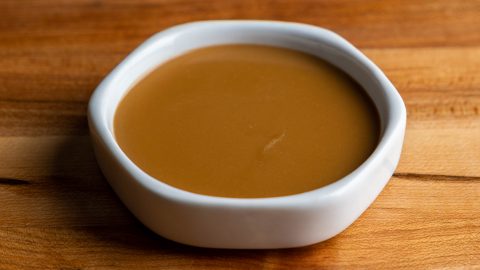
- Benihana Teriyaki Sauce
- Benihana Teriyaki Chicken
- Benihana Teriyaki Steak
- Benihana Spicy Teriyaki
- Hibachi Chicken
- Hibachi Steak
- Hibachi Shrimp
- Hibachi Vegetables
- Benihana Yum Yum Sauce
- Benihana Spicy Sauce
- Benihana Diablo Sauce
- Benihana Ginger Salad Dressing
- Benihana Mustard Dipping Sauce
- Benihana Ginger Dipping Sauce
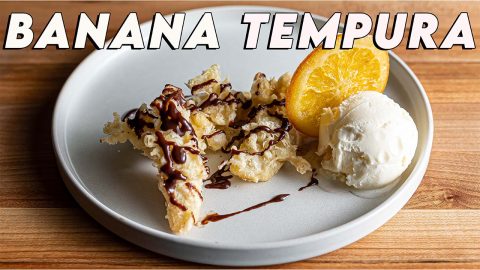
- Banana Tempura
- Every Benihana Recipe (Complete Guide)
More Japanese Recipes
More Teriyaki Recipes
More Noodle Recipes
- Chinese Takeout Chow Mein
- Chinese Takeout Lo Mein
- P.F. Chang's Singapore Street Noodles
- Thailand Street Food Pad Thai
- 15 Minute Chili Garlic Noodles
Recipe
Benihana Yakisoba
Ingredients
Yakisoba
- 1 tablespoon neutral oil vegetable, canola, peanut, or safflower
- 1 package yakisoba noodles pre-heated before use
- 2-3 white button mushrooms thick sliced
- ¼ cup onion thick sliced
- ½ cup green cabbage thin sliced
- 2-3 green onion thin sliced
- 1 tablespoon hibachi garlic butter see Benihana Garlic Butter Recipe
- 3-4 tablespoon Otafuku yakisoba sauce
- table salt to taste
- black pepper to taste
Instructions
Prepare the Noodles
- Pre-heat yakisoba noodles using one of two methods. Stovetop: heat a bit of oil in a pan over medium, lay noodles in, cook 20-30 seconds per side, add ¼ cup water and gently stir until loosened and water evaporates. Microwave: place package in microwave for 60-90 seconds until noodles are hot and pliable. Set aside.
Cook the Yakisoba
- Heat neutral oil in a nonstick pan over medium-high heat.
- Add mushrooms with a pinch of salt. Cook until liquid has been released and evaporated.
- Add onion and cook for 1-2 minutes, until onion has taken on a bit of color but is still crisp.
- Add cabbage and sauté for 1-2 minutes.
- Add green onion and pre-heated yakisoba noodles. Gently stir until everything is well combined.
- Add hibachi garlic butter and Otafuku yakisoba sauce. Stir until everything is well combined and noodles are evenly coated.
- Adjust seasoning with salt and pepper to taste.