P.F. Chang's Stir-Fried Eggplant (Copycat Recipe)
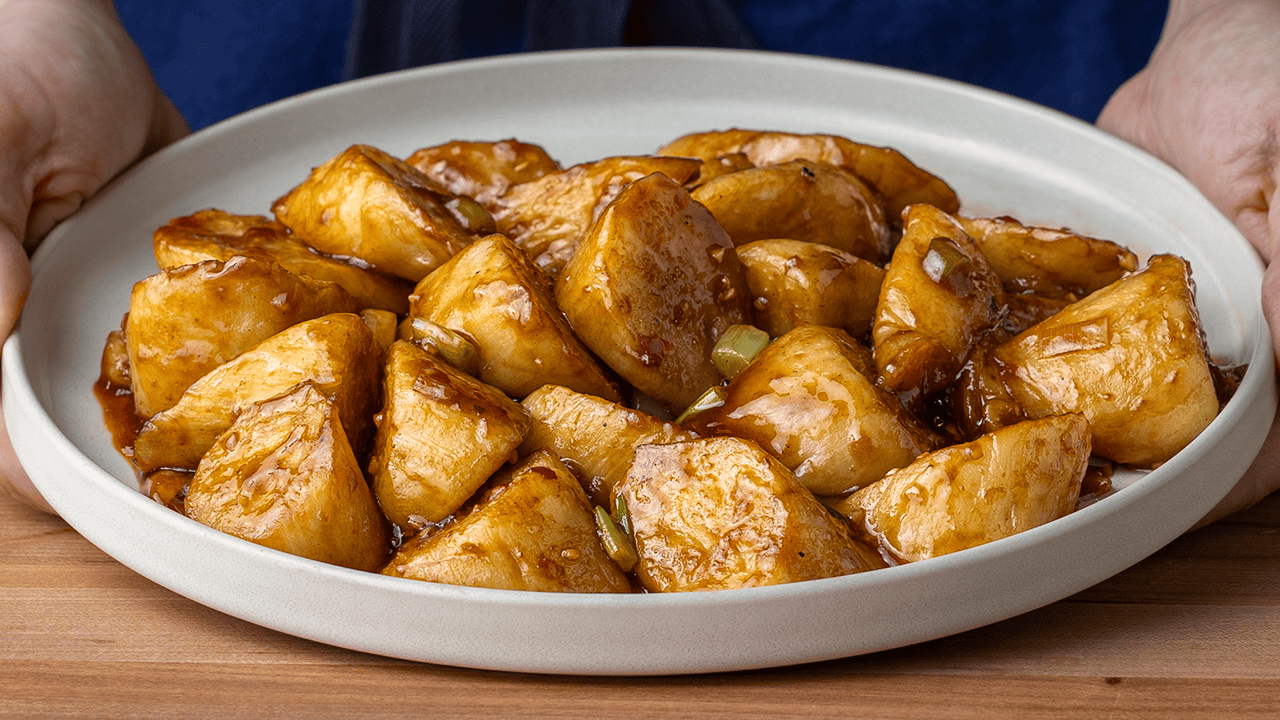
P.F. Chang's stir-fried eggplant used to be one of the best side dishes on the menu before they took it off. When I tore the sauce apart, it came back as two separate sauces blended together: the same dark sauce I use in my Mongolian Beef and across the rest of these P.F. Chang's stir-fries, mixed with a sweet-and-sour blend I call Chang's sauce.
But the sauce is only half of it. Most home recipes for stir-fried eggplant end up greasy and mushy because of how the eggplant is cooked. The fix is to deep-fry it to about 60-70% done, drain it, then finish it in the sauce. That fry-then-stir-fry approach is the difference between silky, sauce-coated pieces that hold their shape and the oily pile of mush you get when you try to stir-fry raw eggplant from the start.
This post contains affiliate links, which means I may earn a small commission if you make a purchase. It doesn't cost you anything extra. Full disclosure.
Why This Stir-Fried Eggplant Recipe Works
- Two-sauce blend. The eggplant sauce is the dark sauce and Chang's sauce blended together (Chang's sauce is just a sugar-vinegar reduction). That combination is what gives this dish its specific sweet-savory balance.
- Chinese eggplant. It has thinner skin, sweeter flesh, and no bitter seed pockets. Japanese eggplant works as a substitute, but Chinese is what got me closest to the restaurant version.
- Oblique (roll) cut for maximum sauce coverage. Each quarter-turn creates an irregular wedge with more surface area than a straight slice, so the sauce coats every piece instead of sliding off.
- Deep-fried to 60-70%, then finished in the wok. Intentionally undercooking the eggplant during the deep fry means it finishes cooking in the sauce without falling apart or turning to mush.
- All three sauces store for up to a month. The dark sauce, Chang's sauce, and the combined eggplant sauce all keep in the fridge, so you can prep them well ahead of time.
Ingredients You'll Need
Chinese eggplant. This is what I landed on after testing. It's longer and narrower than globe eggplant, with sweeter flesh and thinner skin that doesn't need to be removed (though I peel mine for this dish, which matches the restaurant version). Japanese eggplant is interchangeable, though the flesh is a bit firmer and slightly less sweet. If globe eggplant is your only option, quarter it lengthwise before making the oblique cuts because it's so much thicker, and pre-salt or brine it to pull out extra moisture.
Minor's Original Chicken Base. After enough test batches, this is the base in the dark sauce. Knorr or Lee Kum Kee Asian chicken bouillon powder both work if you can't find Minor's.
Lee Kum Kee mushroom dark soy sauce. Panda Brand in the green bottle is the one that matched, but I recommend the premium oyster sauce instead. It has a richer, more concentrated flavor and you can taste the difference in a sauce this simple.
Lee Kum Kee oyster sauce. The restaurant uses their Panda Brand in the green bottle. I recommend the premium oyster sauce instead. It has a richer, more concentrated flavor and you can taste the difference in a sauce this simple.
Michiu rice cooking wine. A Taiwanese cooking wine that goes into the dark sauce. If you can't find it, Shaoxing cooking wine is much more widely available and works well here.
Sambal Oelek. An Indonesian chili paste made from chilis, salt, and vinegar. I use the Huy Fong brand, from the same company that makes Sriracha. You'll usually find Sambal Oelek and Huy Fong's Chili Garlic Sauce sitting right next to each other on the shelf. Either one works for this dish. The only difference is the Chili Garlic Sauce has garlic in it.
Dehydrated minced garlic. I use dehydrated garlic instead of fresh for these stir-fries because fresh garlic burns at wok temperatures and the reconstituted kind doesn't. You'll find it on the spice aisle at any major grocery store. It needs to be rehydrated in warm water for 20-30 minutes before using, then drained and squeezed dry. You can prep this a few days ahead and store it in the fridge and use it for anything you'd use fresh garlic for.
How to Make P.F. Chang's Stir-Fried Eggplant
1. Prep the eggplant. Remove the stem end and blossom end. P.F. Chang's peels their eggplant for this dish, though with Chinese and Japanese varieties the skin is thin enough that many people prefer leaving it on. Cut the eggplant using an oblique cut: make a diagonal slice about 1.5 to 2 inches from the end, roll the eggplant a quarter turn, and make another diagonal slice. Keep going until the whole thing is cut. Try to make your pieces slightly smaller toward the stem end because the flesh is denser there and takes a bit longer to cook.
2. Make the dark sauce. Add ¼ cup of water, ½ teaspoon of chicken base, and ¼ cup of sugar to a small pot. Bring it to a light simmer over medium heat and whisk until everything dissolves. Kill the heat. Add the soy sauce, mushroom dark soy sauce, oyster sauce, and rice cooking wine. Whisk until combined. This is P.F. Chang's dark sauce. It keeps in the fridge for up to a month.
3. Make Chang's sauce. Add ¼ cup of sugar and 3 tablespoons of white vinegar to a small pot over medium heat. Whisk until the sugar dissolves and the liquid is clear. That's it. Also keeps for a month in the fridge.
4. Mix the eggplant sauce. Combine 3 tablespoons of dark sauce, 1½ teaspoons of Chang's sauce, and ¼ cup plus 1 tablespoon of water in a small bowl. Whisk until combined.
5. Rehydrate the garlic. Pour warm water over the dehydrated garlic and let it sit for 20-30 minutes. Drain and squeeze out the excess liquid before using.
6. Deep-fry the eggplant. Heat a few cups of neutral oil in a large pot or wok to 350°F. Add the eggplant and fry for about 2 minutes, or until it's 60-70% done. You're intentionally undercooking here because the eggplant finishes in the sauce during the stir-fry. If you overcook it now, it'll turn to mush later. Remove and drain on a wire rack. Gently squeeze the pieces with paper towels to get rid of excess oil. Eggplant is porous and absorbs a lot of oil, so this step matters.
7. Stir-fry the aromatics. Heat a clean wok over medium heat until it starts to lightly smoke. Add a bit of oil and swirl it around. Toss in the rehydrated garlic, sambal oelek, and sliced green onion whites. Stir-fry for about 10 seconds, just until they're fragrant.
8. Add the sauce and eggplant. Pour in the eggplant sauce, let it come to a simmer, and let it reduce by about 5-10%. Add the fried eggplant and gently turn the pieces until everything is coated and the eggplant is cooked through but still holding its shape.
9. Finish the dish. Sprinkle in the white pepper and stir until it dissolves into the sauce. Drizzle in the cornstarch slurry (2 teaspoons of cornstarch mixed with 1 tablespoon of water, stirred well right before adding) and gently turn the eggplant until the sauce thickens. Kill the heat, pour over the sesame oil, and give it one last toss to distribute it evenly.
Tips for the Best Stir-Fried Eggplant
Pre-salt or brine the eggplant for better texture. Eggplant is about 90% water, which is why it often turns to mush during cooking. Tossing the cut pieces in salt and letting them sit for 20-30 minutes draws out some of that moisture and makes the flesh denser. An even more effective method is to make a brine with about ¼ cup of table salt per liter of water and soak the eggplant for 30 minutes. It sounds counterintuitive, but the saline solution pulls moisture out more efficiently than dry salt alone. Either way, squeeze the pieces dry with paper towels before cooking.
If you don't want to deep-fry, you can use a wok. Heat it over medium heat until it lightly smokes, add about a tablespoon of oil, and swirl to coat. Add the eggplant and cook until the edges start to brown. Eggplant is porous and absorbs oil quickly, so only add more oil in small amounts when the wok goes dry. If you add too much at once, the eggplant soaks it all up and the finished dish is greasy. This method takes about 5-10 minutes compared to 2 minutes for deep-frying.
How to pick a good Chinese eggplant. Look for a dull skin rather than shiny. A shiny skin sometimes indicates the plant has overripened. Peel back the calyx at the stem end and check the area underneath. You want it as white as possible. The eggplant should feel firm but not hard.
Make the sauces ahead of time. All three sauces keep in the fridge for up to a month. If you're making my other P.F. Chang's dishes that use the same dark sauce (like the Mongolian Beef or Beef with Broccoli), prep a batch of dark sauce and you'll have it ready to go for multiple recipes.
What to Serve With Stir-Fried Eggplant
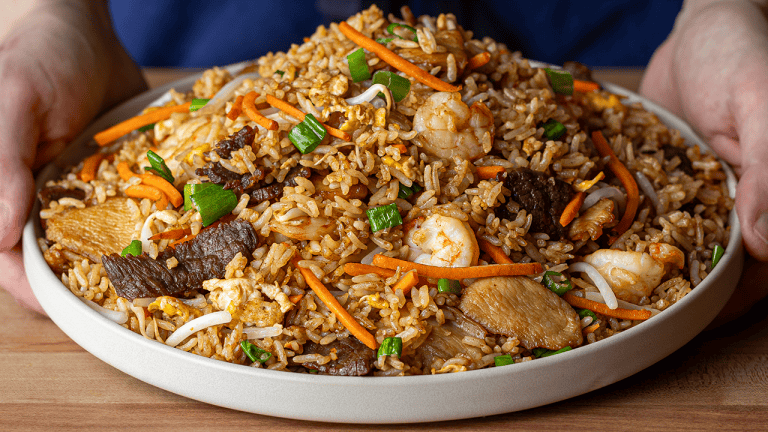
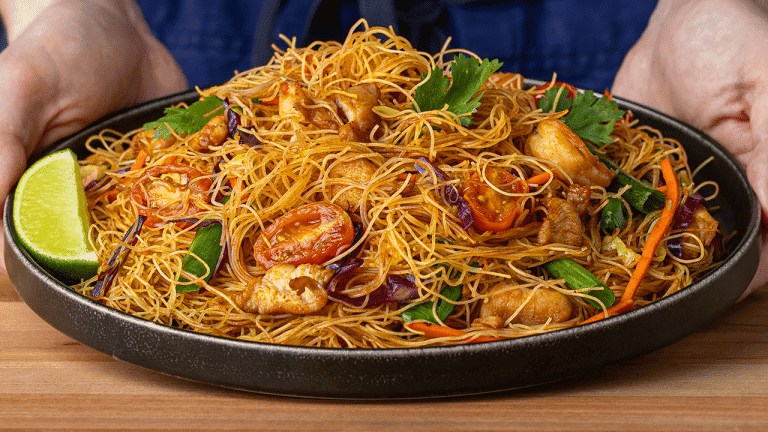
This is a side dish at P.F. Chang's, so it pairs well with any of their main courses. Their Mongolian Beef is a natural match if you want something rich and savory alongside it. For a lighter start, try their Lettuce Wraps. If you want a full P.F. Chang's spread, add their Singapore Street Noodles or serve the eggplant over fried rice.
Storage and Reheating
Stir-fried eggplant is best eaten right away. The texture changes noticeably within 5-10 minutes as the eggplant absorbs the sauce, so it won't have the same silky quality after sitting. Leftovers will keep in an airtight container in the fridge for 3-4 days. Reheat in a wok or skillet over medium-high heat. The microwave works but the texture will be softer. This dish doesn't freeze well.
If you're planning to serve this at a dinner party, deep-fry the eggplant in advance and save the final stir-fry step for right before you eat. The dish is at its best as soon as it comes out of the wok.
Frequently Asked Questions
Can I use globe eggplant for this recipe?
Yes, but it's not ideal. Globe eggplant has thicker skin, more seeds, and a slightly more bitter flavor than Chinese or Japanese eggplant. If it's all you can find, quarter the eggplant lengthwise before making the oblique cuts because it's much wider. Pre-salting or brining is especially important with globe eggplant because it has more moisture to draw out.
Do I have to peel the eggplant?
P.F. Chang's does peel their eggplant for this dish. With Chinese and Japanese varieties, the skin is thin enough that many people prefer leaving it on. Keeping the skin on also helps the pieces hold their shape during cooking.
Can I make this vegan or vegetarian?
Swap the oyster sauce for a mushroom-based vegetarian oyster sauce and use vegetable bouillon instead of chicken base. Everything else in the recipe is already plant-based.
What's the difference between Sambal Oelek and Chili Garlic Sauce?
They're both made by Huy Fong. The only difference is that Chili Garlic Sauce has garlic in it. Either one works for this recipe. P.F. Chang's uses Sambal Oelek.
More P.F. Chang's Recipes
- P.F. Chang's Mongolian Beef
- P.F. Chang's Lettuce Wraps
- P.F. Chang's Beef with Broccoli
- P.F. Chang's Dynamite Shrimp
- P.F. Chang's Singapore Street Noodles
- P.F. Chang's Fried Rice
- P.F. Chang's Kung Pao Chicken
- P.F. Chang's Spicy Chicken
- P.F. Chang's Crispy Honey Chicken
More Chinese Takeout Recipes
- Chinese Takeout Crab Rangoon
- Chinese Takeout Egg Foo Young
- Chinese Takeout Egg Rolls
- Chinese Takeout Orange Chicken
- Chinese Takeout Kung Pao Chicken
- Chinese Takeout General Tso's Chicken
- Chinese Takeout Wonton Soup
- Chinese Takeout Hot and Sour Soup
- Chinese Takeout Egg Drop Soup
- Chinese Takeout Chow Mein
- Chinese Takeout Lo Mein
- Chinese Takeout Fried Rice
More Panda Express Recipes
More Din Tai Fung Recipes
Recipe
P.F. Chang's Stir-Fried Eggplant
Equipment
- 1 Made-In Carbon Steel Wok for deep-frying
- 1 14-inch Mandarin Wok for stir-fry
- 1 Wok Spider/Strainer for removing eggplant from oil
- 1 Wire Cooling Rack for draining fried eggplant
- 1 Whisk
- 1 Colander
Ingredients
The Eggplant
- neutral oil for frying
- 6 cups Chinese eggplant peeled, oblique (roll) cut, roughly 1.5-2 inch pieces
Dark Sauce
- ¼ cup water
- ½ teaspoon Minor's original chicken base Minor's Original preferred; Knorr or Lee Kum Kee Asian chicken bouillon also works
- ¼ cup sugar
- 6 tablespoon low sodium soy sauce Lee Kum Kee low sodium (green bottle) or Kikkoman
- 1 tablespoon mushroom dark soy sauce Lee Kum Kee brand
- 1 tablespoon oyster sauce Lee Kum Kee Panda Brand (green bottle) or premium oyster sauce
- 2 tablespoon Michiu rice cooking wine substitute: Shaoxing cooking wine
Chang's Sauce
- ¼ cup sugar
- 3 tablespoon white distilled vinegar
Eggplant Sauce
- 3 tablespoon dark sauce
- 1 ½ teaspoon Chang's sauce
- 5 tablespoon water
The Stir-Fry
- 1 teaspoon neutral oil
- 1 teaspoon dehydrated minced garlic rehydrate in warm water 20-30 min, drain and squeeze dry
- ½ teaspoon sambal oelek chili paste Huy Fong brand; Chili Garlic Sauce also works
- 2 tablespoon green onions thinly sliced, mostly whites
- ⅛ teaspoon white pepper
- 2 teaspoon cornstarch mix with 1 tablespoon water for slurry; stir well before adding
- 1 tablespoon water
- ½ teaspoon toasted sesame oil
Instructions
Prep the Eggplant
- Remove the stem end and blossom end from the eggplant. Peel if desired (P.F. Chang's peels theirs, but the skin on Chinese and Japanese varieties is thin enough to leave on).
- Cut the eggplant using an oblique (roll) cut. Make a diagonal slice about 1.5 to 2 inches from the end, roll the eggplant a quarter turn, and make another diagonal slice. Continue until the entire eggplant is cut. Make pieces slightly smaller toward the stem end because the flesh is denser there.
Make the Dark Sauce
- Add water, chicken base, and sugar to a small pot. Bring to a light simmer over medium heat and whisk until dissolved.
- Remove from heat. Add soy sauce, mushroom dark soy sauce, oyster sauce, and rice cooking wine. Whisk until combined. Store covered in the fridge for up to 1 month.
Make Chang's Sauce
- Add sugar and white vinegar to a small pot over medium heat. Whisk until sugar is completely dissolved and the liquid is clear. Remove from heat. Store covered in the fridge for up to 1 month.
Make the Eggplant Sauce
- Combine dark sauce, Chang's sauce, and water in a small bowl. Whisk until combined.
Rehydrate the Garlic
- Pour warm water over the dehydrated garlic and let sit for 20-30 minutes. Drain and squeeze out excess liquid before using.
Cook the Eggplant
- Heat several cups of neutral oil in a large pot or wok to 350°F (177°C).
- Add the eggplant and deep-fry for about 2 minutes, or until roughly 60-70% done. The eggplant should be slightly underdone because it finishes cooking in the sauce.
- Remove eggplant from oil and drain on a wire rack set over a baking sheet. Gently squeeze the pieces with paper towels to remove excess oil.
Stir-Fry the Dish
- Heat a clean wok over medium heat until it starts to lightly smoke. Add oil and swirl to coat the wok.
- Add rehydrated garlic, sambal oelek, and green onion whites. Stir-fry for about 10 seconds, just until fragrant.
- Pour in the eggplant sauce. Bring to a simmer and let it reduce by about 5-10%.
- Add the fried eggplant to the sauce. Gently turn the pieces until everything is coated and the eggplant is cooked through but still holding its shape.
- Sprinkle in white pepper and stir until it dissolves into the sauce.
- Stir the cornstarch slurry well, then drizzle it over the eggplant. Gently turn the pieces until the sauce thickens to your desired consistency.
- Turn off the heat. Pour over sesame oil and gently stir until evenly distributed. Serve immediately.