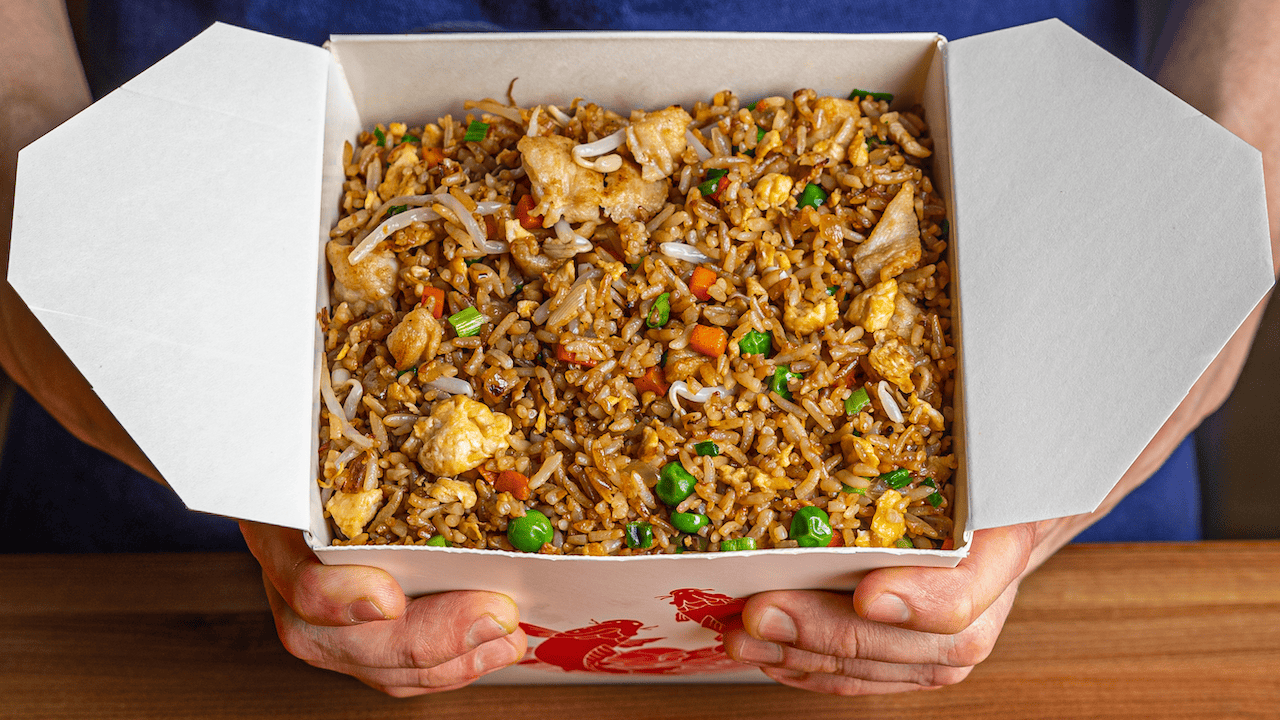
Chinese Takeout Fried Rice Recipe
I surveyed 36 Chinese takeout restaurants for this recipe. Most of them made decent fried rice. But a handful stood out, and they were all doing the same thing: blending two types of rice.
If your homemade fried rice keeps coming out bland and mushy, the rice itself is probably the problem. The ratio is 2 parts American long grain to 1 part Thai jasmine. Long grain on its own is too bland. Jasmine on its own is too delicate and falls apart. The blend gives you separate, sturdy grains from the long grain and the nutty aroma from the jasmine. Once I figured that out, every batch I made at home improved overnight.
This post contains affiliate links, which means I may earn a small commission if you make a purchase. It doesn't cost you anything extra. Full disclosure.
Why This Fried Rice Recipe Works
- The 2:1 rice blend is what the best restaurants actually use. The same blend I found at the 6 best restaurants out of 36 I surveyed. Two parts long grain for structure, one part jasmine for aroma.
- Baking soda velveting keeps chicken breast tender. Chinese restaurants alkaline-treat their lean proteins so the surface doesn't tighten when cooked over high heat. Half a teaspoon of baking soda massaged into the chicken for 30-45 seconds is the difference between rubbery and silky.
- Chinese soy sauce, not Japanese. Lee Kum Kee or Pearl River Bridge are what Chinese takeout restaurants actually use. Different fermentation, different wheat ratio, the flavor isn't even close. One commenter on the video said switching soy sauce was the single biggest change that made their stir-fries taste like the restaurant.
- Sauce goes around the rim, not into the rice. Pouring the soy mixture around the edge of a hot wok caramelizes it before it touches the rice. You get a deeper, richer flavor without making everything wet.
- I adapted everything for a standard home burner. You don't need a decommissioned jet engine to make restaurant-quality fried rice at home. Small batches on a regular stovetop so each component gets properly fried instead of steamed.
Ingredients You'll Need
The rice blend. Two parts standard American long grain white rice, one part Thai jasmine. Mix them together before cooking and treat it like any long grain rice. Some brands like Carolina actually sell a long grain and jasmine blend made specifically for fried rice. Wash under several changes of water until it runs clear to remove surface starch, but don't overdo it. Three to four washes is enough. If you only have one type of rice on hand, use it. Both long grain and jasmine make good fried rice solo. Medium grain works too if that's your preference.
Chicken breast. Every takeout place I talked to uses breast meat, sliced into thin slivers across the grain. The baking soda treatment is what prevents it from drying out. If you prefer thigh meat, skip the velveting step entirely since thighs have enough fat to stay tender on their own.
Light and dark soy sauce. Light soy sauce is just the Chinese version of standard soy sauce. "Light" doesn't mean low sodium. Dark soy sauce is thicker, less salty, slightly sweet, and adds color without adding much flavor. You need both. The two most common brands at Western-style Chinese restaurants are Lee Kum Kee and Pearl River Bridge. Either works.
Shaoxing wine. Used in roughly 90% of Chinese stir-fry dishes. Mildly acidic with a faint caramel sweetness. We use it to deglaze the fried rice at the very end, which brightens everything and helps the other flavors come through. Dry sherry is a reasonable substitute if you can't find it.
Toasted sesame oil. A finishing oil added after the heat is off. Because home burners can't generate real wok hei, toasted sesame oil gets you some of that smoky, toasty depth that makes restaurant fried rice taste like restaurant fried rice.
MSG. It's in the chicken marinade and in the seasoning mixture. If you've eaten at a Chinese restaurant, you've had MSG. It makes fried rice taste like fried rice.
How to Make Chinese Takeout Fried Rice
1. Prep and marinate the chicken. Slice one chicken breast into thin slivers across the grain, about ⅛ inch thick. Wash them under cold water until they turn slightly whiter, then wring out all the moisture. Mix in ½ teaspoon baking soda and massage it into the meat for 30-45 seconds. Then add the remaining marinade ingredients (soy sauce, sugar, cornstarch, salt, MSG, oil) and let it sit for at least 15 minutes, or up to overnight.
2. Prep your sauce and seasoning mixtures. Combine the sauce mixture (sugar, light soy, dark soy) in a small bowl and stir until the sugar dissolves. In a separate bowl, combine the dry seasoning mixture (MSG, kosher salt, white pepper). Have everything measured and ready before you turn on the burner. This comes together in minutes and you won't have time to prep mid-cook.
3. Cook the eggs. Heat your wok over medium-high until you see light wisps of smoke. Add 1 tablespoon of neutral oil, swirl, then drop the heat to low. Add two beaten eggs (seasoned with a pinch of salt and MSG). Let them puff up around the edges for 20-30 seconds, then lightly scramble. Remove to a bowl. Wipe out the wok.
4. Cook the chicken. Return the wok to medium-high with another tablespoon of oil. Add 2 ounces of the marinated chicken slivers in a single layer. Cook for 2-3 minutes until about 90% done. Remove to the bowl with the eggs.
5. Cook the aromatics. Add the last tablespoon of oil. Toss in the diced onion and carrot. Cook 1-2 minutes until the onion is translucent but still has some bite. Add the garlic and cook for 15-20 seconds.
6. Toast the rice. Add 2 cups of your cooled rice blend. Toss it with the vegetables, then press it flat with the back of your spatula to break up clumps. Cook for 2-4 minutes, constantly stirring and flipping so all sides get contact with the hot surface. You want to hear a steady sizzle. If the rice seems dry, add a small splash more oil. The goal is lightly toasted grains that move freely in the wok.
7. Combine. Add the chicken and egg back in. Mix everything together.
8. Add the sauce. Push the rice to the center. Pour the sauce mixture around the rim of the wok, not directly onto the rice. Immediately stir it in until the sauce is fully incorporated and you don't see any white clumps of rice.
9. Season and finish. Stir in the dry seasoning mixture. Add the frozen peas and bean sprouts, mix well. Push the rice to the center again, pour the Shaoxing wine around the rim to deglaze, and stir immediately. Cook off the alcohol for 20-30 seconds. Kill the heat. Stir in the green onions and toasted sesame oil. Taste, adjust with salt and white pepper, and serve.
Tips for the Best Chinese Takeout Fried Rice
Cook in small batches. On a restaurant wok burner, you can throw everything in at once. At home, your burner doesn't generate enough heat to handle that much mass without steaming instead of frying. Cooking the eggs, chicken, and rice separately ensures each one actually gets fried.
Store your rice correctly the night before. Let cooked rice cool to room temperature, then spread it on a sheet pan or in a wide container. Store it uncovered (or loosely covered with parchment) in the fridge for at least 12 hours. Never seal it in a tight container while warm. That traps steam and makes the rice clumpy and wet.
Experiment with your water-to-rice ratio. The range for good fried rice is somewhere between 1.5:1 and 1:1 (water to rice). Less hydrated grains fry better. You'll need to dial this in for your specific rice and cooking method.
Sugar belongs in fried rice. There are enough salty components (soy sauce, salt, MSG) that a small amount of sugar balances everything out. You won't taste anything sweet in the finished dish. It just keeps the seasoning from leaning too hard in one direction.
Frequently Asked Questions
Do I have to use day-old rice?
Day-old refrigerated rice is easier to work with because it's dry and the grains separate cleanly. But fresh rice works if you handle it right: spread it on a sheet pan, let it cool completely, and make sure your wok is hot enough to drive off the extra moisture. Restaurants with high-BTU burners use fresh rice all the time. On a home burner, overnight rice is more forgiving.
Can I use Kikkoman soy sauce?
You can, but it won't taste like Chinese takeout. Kikkoman is a Japanese soy sauce with a different flavor. Chinese brands like Lee Kum Kee or Pearl River Bridge are what most Chinese takeout restaurants actually use, and you can taste the difference. One commenter on the video said switching from Japanese to Chinese soy sauce was the single biggest change that made their stir-fries taste like the restaurant.
What if I don't have a wok?
A large skillet works. The technique matters more than the vessel. Keep the heat as high as your pan can handle, cook in small batches, and make sure the rice has room to spread out in a single layer. A crowded pan steams instead of fries.
Is MSG necessary?
MSG is in the chicken marinade and the seasoning mixture. It's what makes restaurant fried rice taste like restaurant fried rice. You can leave it out, but the result will taste more "homemade" and less "takeout." That's a tradeoff, not a health concern. MSG has been extensively studied and is recognized as safe by every major food safety organization.
Can I use chicken thighs instead of breast?
Yes. Thighs have more fat and stay tender without the baking soda velveting step. Skip the baking soda if you go with thighs. The texture will be different from what you get at most takeout places (which use breast), but the flavor is arguably better.
More Fried Rice Recipes
More Chinese Takeout Recipes
- Chinese Takeout Crab Rangoon
- Chinese Takeout Egg Foo Young
- Chinese Takeout Egg Rolls
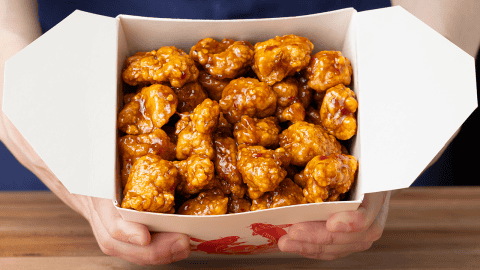
- Chinese Takeout Orange Chicken
- Chinese Takeout Kung Pao Chicken
- Chinese Takeout General Tso's Chicken
- Chinese Takeout Wonton Soup
- Chinese Takeout Hot and Sour Soup
- Chinese Takeout Egg Drop Soup
- Chinese Takeout Chow Mein
- Chinese Takeout Lo Mein
- Char Siu (Chinese BBQ Pork)
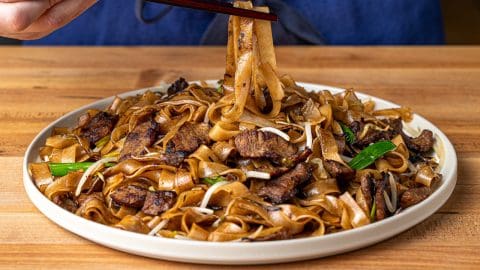
- Beef Chow Fun (Dry-Fried Beef Ho Fun)
More P.F. Chang's Recipes
- P.F. Chang's Mongolian Beef
- P.F. Chang's Lettuce Wraps
- P.F. Chang's Beef with Broccoli
- P.F. Chang's Dynamite Shrimp
- P.F. Chang's Singapore Street Noodles
- P.F. Chang's Stir-Fried Eggplant
- P.F. Chang's Fried Rice
- P.F. Chang's Kung Pao Chicken
- P.F. Chang's Spicy Chicken
- P.F. Chang's Crispy Honey Chicken
More Panda Express Recipes
More Din Tai Fung Recipes
Recipe
Chinese Takeout Fried Rice
Equipment
- 1 Chinese Cleaver for slicing chicken into slivers
- 1 Baking Sheet for cooling and drying rice overnight
- 1 Mixing Bowls for sauce and seasoning mixtures
- 1 Colander for draining washed chicken
Ingredients
Chicken & Marinade
- 1 chicken breast cut into thin slivers (12-16 oz / 340-450g)
- ½ teaspoon baking soda
- ½ teaspoon sugar
- ½ teaspoon cornstarch
- ¼ teaspoon kosher salt
- ⅛ teaspoon MSG
- ½ teaspoon light soy sauce
- 1 teaspoon neutral oil
Rice & Aromatics
- 3 tablespoon neutral oil divided
- 2 cups long grain/jasmine rice blend cooked, 2 parts long grain to 1 part jasmine
- 2 eggs beaten, seasoned with a pinch of salt and MSG
- 2 oz marinated chicken slivers see instructions below
- ½ cup yellow onion medium dice
- 2 tablespoon carrot medium dice
- 2 cloves garlic minced
- mung bean sprouts small handful
- 2 tablespoon frozen peas
- 2 tablespoon green onion sliced
Sauce Mixture
- ½ teaspoon sugar
- 2 teaspoon light soy sauce Chinese light soy sauce
- ½ teaspoon dark soy sauce Chinese dark soy sauce
Seasoning Mixture
- ½ teaspoon MSG
- 1 teaspoon kosher salt
- 2 pinch white pepper
Finishing Ingredients
- 2 teaspoon Shaoxing cooking wine
- 1 teaspoon toasted sesame oil
- salt and white pepper to taste
Instructions
Prep the chicken
- Slice chicken lengthwise into strips, then across the grain into ⅛-inch (3mm) slivers. Wash under cold water until slightly white, then wring out all moisture.
- Mix the chicken with the baking soda for 30-45 seconds. Then, mix in the rest of the marinade ingredients (soy, sugar, cornstarch, salt, MSG, oil). Let sit for at least 15 minutes (or overnight).
Cook
- Heat wok over medium-high heat until lightly smoking. Add 1 tablespoon oil. Turn heat to low, add eggs, and cook for 20-30 seconds until puffed. Scramble lightly, remove, and set aside. Wipe out the wok.
- Return wok to medium-high heat with 1 tablespoon oil. Add marinated chicken and cook for 2-3 minutes until 90% done. Remove and set aside with the eggs.
- Return wok to medium/medium-high heat with the final 1 tablespoon oil. Add onion and carrot; cook 1-2 minutes until translucent. Add garlic and cook for 15-20 seconds.
- Add the rice and toss with vegetables. Push rice down flat to break clumps. Cook for 2-4 minutes until lightly toasted.
- Add the cooked chicken and egg back in. Mix well.
Season and Finish
- Push rice to the center. Add "Sauce Mixture" (sugar, light/dark soy) around the rim. Immediately stir until fully incorporated and no white clumps remain.
- Add the "Seasoning Mixture" (MSG, salt, pepper) and stir. Add peas and bean sprouts; mix well.
- Push rice to center. Add Shaoxing wine around the rim and stir immediately. Turn off the heat. Stir in green onions and sesame oil. Adjust salt/white pepper to taste and serve.
Chicken thighs taste better and cost 1/2 as much
Amazing. Thank you!
Thank you, Lisa!
Hi, great recipe. Last time I made it, I used leftover rice from our great local Chinese restaurant, left it spread out on a sheet pan in the fridge 24 hours before. This time the rice came out very al dente, almost too firm. Still delicious, but any clue why?
Judy, hello! The rice just dried out a bit too much because the air inside a fridge is super dry. I'd let it cool down completely at room temperature and then lightly put some plastic wrap on top of it if you're putting it in the fridge.
Loved the recipe except the shoaxing wine. I felt this gave the fried rice a strange taste. Next time I will use the recipe but omit the wine.