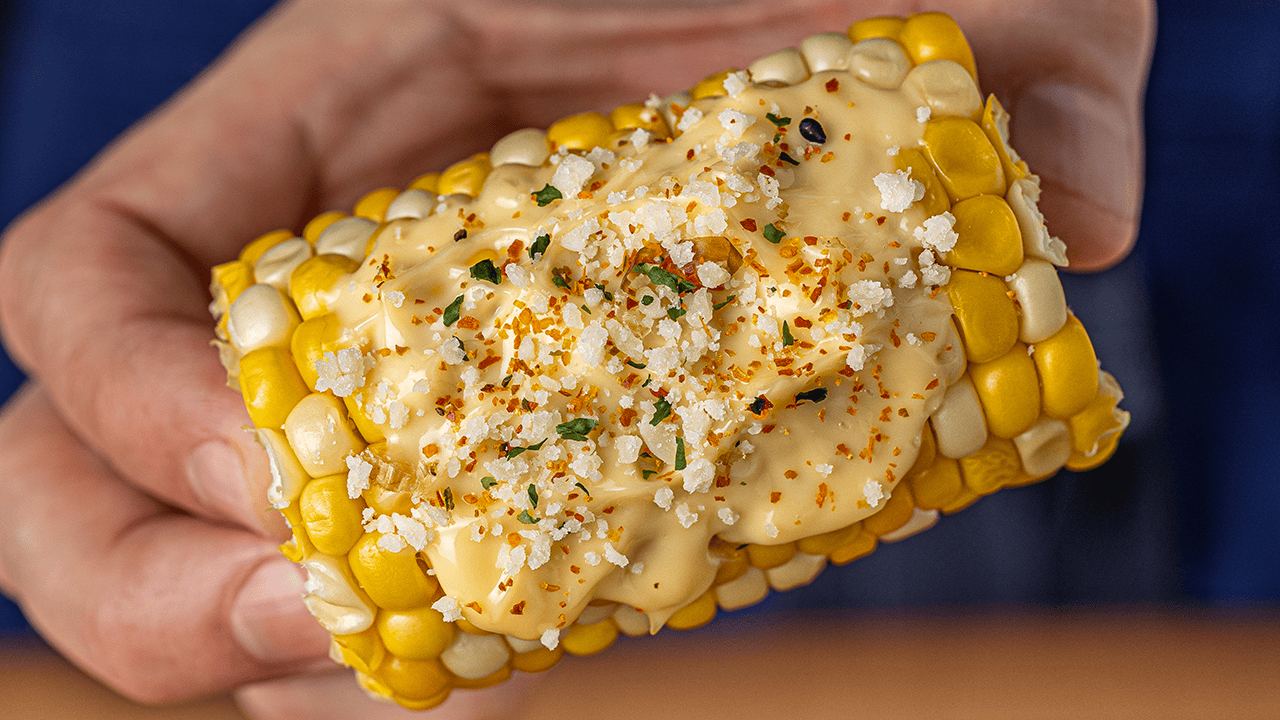
Japanese Street Corn Recipe
Traditional Mexican street corn works because it manages to hit all five basic tastes at once: sweetness from the corn, savoriness from mayo, saltiness from cotija cheese, and sour plus a little bitterness from lime. This Japanese street corn recipe keeps that same flavor balance intact but swaps in Japanese ingredients that match every one of those taste notes while adding flavors you've never had on an elote before.
I used to make these at an izakaya (basically a Japanese pub) where I worked, and we sold hundreds every night. Growing up in Texas, I also ate a lot of Mexican street corn, so this recipe comes from knowing both sides of that equation pretty well.
This post contains affiliate links, which means I may earn a small commission if you make a purchase. It doesn't cost you anything extra. Full disclosure.
Why This Japanese Street Corn Recipe Works
- Kewpie mayo instead of regular mayo. Kewpie is made with only egg yolks (no whites), plus rice vinegar and MSG. It's richer and tangier than Western mayo, which gives the corn an almost custardy coating.
- Yuzu kosho replaces both lime and hot sauce. This fermented Japanese condiment combines yuzu citrus, ground chili peppers, and salt into one ingredient. You get the sour citrus note and the heat from a single condiment instead of juggling lime juice and hot sauce separately.
- The corn gets a butter, soy, and mirin glaze. Instead of plain boiled corn, the cobs get glazed yaki-tomorokoshi style with equal parts butter, soy sauce, and mirin. The soy adds salt and umami, and the mirin adds sweetness that complements the corn.
- Bonito flakes add a layer that traditional elote doesn't have. Katsuobushi is shaved, smoked bonito fish, and it's one of the richest umami ingredients in Japanese cooking. It gives this version something savory that you won't find on a standard Mexican elote.
- Every swap maps to the original flavor profile. This isn't fusion for the sake of fusion. Each Japanese ingredient fills the exact role of its Mexican counterpart, so the underlying balance stays the same while the flavors are entirely new.
Ingredients You'll Need
Kewpie Mayonnaise. This is a Japanese mayo made with only egg yolks instead of the whole egg, which gives it a smoother, almost custardy consistency. It also contains rice vinegar and a little MSG, so it's tangier and more savory than American mayo. If you can't find Kewpie at your local grocery store, most Asian supermarkets carry it, and it's easy to order online. Regular mayo works as a substitute, but you'll miss some of the richness and tang.
Yuzu Kosho. This is a fermented blend of yuzu citrus zest, ground chili peppers, and salt. It's super concentrated, so you wouldn't eat it on its own. Think of it as a really intense citrus salsa. When you mix a tablespoon into Kewpie mayo, it adds a fermented citrus flavor with a mild chili heat that's pretty hard to replicate with anything else. If you can't find yuzu kosho, a squeeze of fresh lime juice with a pinch of red pepper flakes will get you in the neighborhood, but it won't be the same.
Cotija Cheese. This is the one ingredient staying from the Mexican version, because there isn't a great Japanese alternative for a salty crumbling cheese. If you can't find cotija, Parmesan or feta both work well. You're just looking for something salty that crumbles. This is also one of the few times I'd recommend buying the pre-grated version over a block, because the factory grates it finer than you can at home and it sticks to the corn more evenly.
Shichimi Togarashi. This is a Japanese seven-spice blend that replaces Tajin (the chili-lime powder used on traditional elote). Every brand is a little different, but they all have ground chili pepper and a citrus element, which makes it a natural swap. You'll find it labeled as "Japanese Seven Spice" at most grocery stores with an Asian section.
Katsuobushi (Bonito Flakes). This is shaved, salted, and smoked bonito fish. If you've ever had miso soup, you've already tasted it, because it's one of the two base ingredients in dashi broth. It tastes like bacon from the sea. You can leave it off if you can't find it, and the corn will still be good, but it adds a savory, smoky garnish that makes this taste distinctly Japanese.
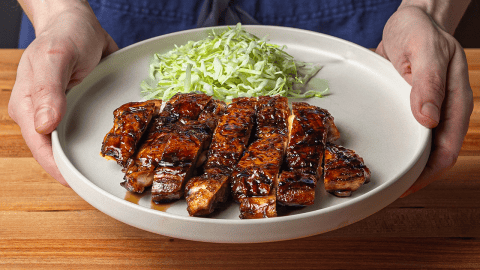
Soy Sauce and Mirin. These two go into the yaki-tomorokoshi glaze along with butter. If you're already familiar with Japanese soy sauce and mirin from recipes like my Japanese Teriyaki Chicken, you know how well they pair. The soy sauce adds salt and umami, and the mirin (a sweet Japanese rice wine) adds sweetness that complements the corn. Use equal parts of each with the butter.
How to Make Japanese Street Corn
There are three ways to cook the corn for this recipe, and they all work. Pick whichever fits your setup.
Method 1: Boiling (the traditional elote method). Bring 4 quarts of water to a boil, kill the heat, toss in your corn cobs, put a lid on, and leave it for 20 to 30 minutes. That's it. Perfectly cooked corn every time with almost no effort.
Method 2: Microwave and sear (my weeknight method). Toss the corn in the microwave with the husks still on. The rule of thumb is 4 minutes for one cob and 2 additional minutes for each extra cob. When they're done, cut off the bottom of each cob, grab the top, and shake the corn out. It should slide right out with very few silk strands attached. Then melt some butter in a pan and sauté the corn until it picks up some color. In the last few minutes of cooking, brush the cobs with equal parts soy sauce and mirin. You won't get quite the smoky flavor you'd get from a grill, but the taste is pretty close, and the whole thing takes about 10 minutes.
Method 3: Grilling (yaki-tomorokoshi style). Grill your corn as you normally would, and while it's cooking, brush it with a glaze made of equal parts melted butter, soy sauce, and mirin. This is the traditional yaki-tomorokoshi method, and if you're already firing up the grill, it gives you the best flavor of the three methods.
Make the yuzu kosho mayo. Add half a cup of Kewpie mayo to a bowl with 1 tablespoon of yuzu kosho. Stir until combined and give it a taste. If it's too citrusy or spicy, add more mayo. If it's too bland, add more yuzu kosho.
Assemble the corn. Push a wooden skewer into each cooked cob (much easier than trying to skewer raw corn). Spread a thin layer of yuzu kosho mayo over the corn. Spoon grated cotija cheese over the corn until it's totally covered. Sprinkle on shichimi togarashi, and finish with a handful of shaved bonito flakes.
Tips for the Best Japanese Street Corn
The bonito flakes aren't just garnish. They add something savory that the other toppings don't cover. And when you place them on warm corn, they wave and curl in the heat, which looks great if you're making these for a cookout.
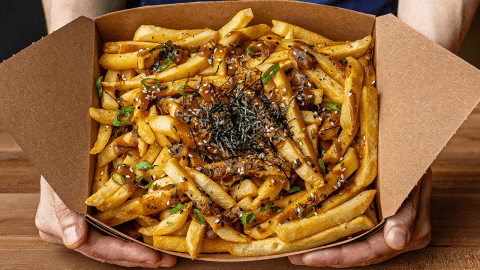
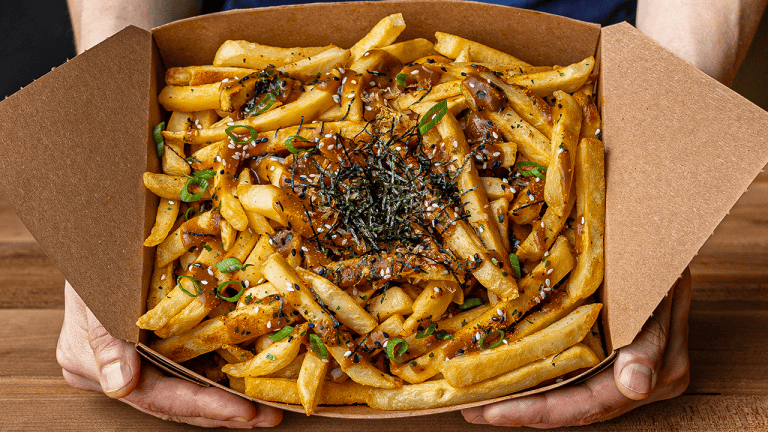
Turn leftover corn into Japanese esquites. If you have extra cobs, shave the kernels off and toss them with the remaining yuzu kosho mayo. Top with a little cotija, togarashi, and shaved bonito, and you've got a Japanese version of esquites (the cup version of Mexican street corn) that works as a side dish or snack. This pairs well with my Japanese Curry Fries if you're going all-in on a Japanese cookout spread.
Make extra yuzu kosho mayo. It keeps in the fridge for a few days, and it's good on more than just corn. Try it on grilled chicken, fish, or roasted vegetables.
Use cooked corn for the skewers. Trying to force a wooden skewer through raw corn is a pain. Cooked corn is softer at the base and the skewer goes right in.
Frequently Asked Questions
What is yuzu kosho?
Yuzu kosho is a fermented Japanese condiment made from yuzu citrus zest, chili peppers, and salt. It's concentrated, so a little goes a long way. In Japan, it's a common table condiment for sashimi, grilled chicken, and hot pot.
Can I use regular mayo instead of Kewpie?
You can, and it'll still taste good. Kewpie has a richer, tangier flavor because of the egg yolks and rice vinegar. If you're using regular mayo, adding a tiny pinch of MSG and a splash of rice vinegar gets you closer.
What's the best way to cook the corn?
If you're grilling anyway, the butter-soy-mirin glaze gives the best flavor. For a weeknight, the microwave-and-sear method is the fastest. Boiling works too and requires the least attention.
Can I make this without bonito flakes?
Yes. The corn is still excellent with just the yuzu kosho mayo, cotija, and togarashi. Bonito adds an umami garnish, but it's not essential.
More Japanese Recipes
More Benihana Recipes
- Benihana Fried Rice
- Benihana Garlic Butter
- Benihana Hibachi Onion Soup
- Benihana Yakisoba
- Benihana Teriyaki Sauce
- Benihana Teriyaki Chicken
- Benihana Teriyaki Steak
- Benihana Spicy Teriyaki
- Hibachi Chicken
- Hibachi Steak
- Hibachi Shrimp
- Hibachi Vegetables
- Benihana Yum Yum Sauce
- Benihana Spicy Sauce
- Benihana Diablo Sauce
- Benihana Ginger Salad Dressing
- Benihana Mustard Dipping Sauce
- Benihana Ginger Dipping Sauce
- Banana Tempura
- Every Benihana Recipe (Complete Guide)
More Teriyaki Recipes
More Asian Street Food
More Asian Vegetable Sides
Recipe

Japanese Street Corn
Equipment
- 1 All-Clad Saute Pan for sautéing the corn
- 1 Le Creuset Dutch Oven for boiling method
Ingredients
Corn
- 4 ears corn in husks if using microwave method
- 2 tablespoon unsalted butter melted for grilling method
- 2 tablespoon Japanese soy sauce Kikkoman, naturally brewed
- 2 tablespoon hon mirin Eden Foods, preferably; avoid "aji-mirin" (contains corn syrup instead of real rice wine)
Yuzu Kosho Mayo
- ½ cup Kewpie mayonnaise Japanese egg-yolk-only mayo; regular mayo works as substitute
- 1 tablespoon yuzu kosho fermented yuzu citrus, chili, and salt paste; adjust amount to taste
Toppings
- ½ cup cotija cheese pre-grated recommended; Parmesan or feta work as substitutes
- 2 teaspoon shichimi togarashi also labeled "Japanese Seven Spice"
- ¼ cup katsuobushi shaved bonito flakes; optional but recommended
Instructions
Cook the Corn (Choose One Method)
- Boiling method: Bring 4 quarts of water to a boil. Kill the heat, add the corn cobs, cover with a lid, and leave for 20 to 30 minutes. Remove and set aside.
- Microwave and sear method: Place corn in the microwave with husks still on. Microwave for 4 minutes for one cob, adding 2 minutes for each additional cob. Cut off the bottom of each cob, grab the top, and shake the corn out. The cobs should slide out with very few silk strands attached.
- Melt the butter in a sauté pan over medium-high heat. Add the shucked corn and sauté, turning occasionally, until golden-brown spots develop on all sides.
- In the last 2 minutes of cooking, brush the cobs with equal parts soy sauce and mirin. Remove from heat and set aside.
- Grilling method: Grill the corn over medium-high heat, turning occasionally. While grilling, brush repeatedly with a glaze of equal parts melted butter, soy sauce, and mirin until the corn is tender and lightly charred. Remove from heat.
Make the Yuzu Kosho Mayo
- Add the Kewpie mayonnaise and yuzu kosho to a small bowl. Stir until well combined.
- Taste and adjust. If it's too spicy or citrusy, add a bit more mayo. If it's too bland, add more yuzu kosho. Set aside.
Video
Notes
Yuzu kosho is a fermented Japanese condiment made from yuzu citrus zest, chili peppers, and salt. It's very concentrated, so start with 1 tablespoon and adjust to taste. If you can't find yuzu kosho, a squeeze of fresh lime juice with a pinch of red pepper flakes is a rough substitute, but the flavor won't be the same. Cheese Substitutions
If you can't find cotija, Parmesan or feta both work. Look for a salty cheese that crumbles easily. Pre-grated cotija sticks to the corn more evenly than home-grated. Japanese Esquites Variation
If you have leftover cobs, shave the kernels off and toss them with yuzu kosho mayo. Top with cotija, togarashi, and bonito flakes for a Japanese take on esquites (Mexican corn salad). Storing Yuzu Kosho Mayo
The mayo keeps in the fridge for up to 3 days in a sealed container.