Hibachi Chicken Recipe
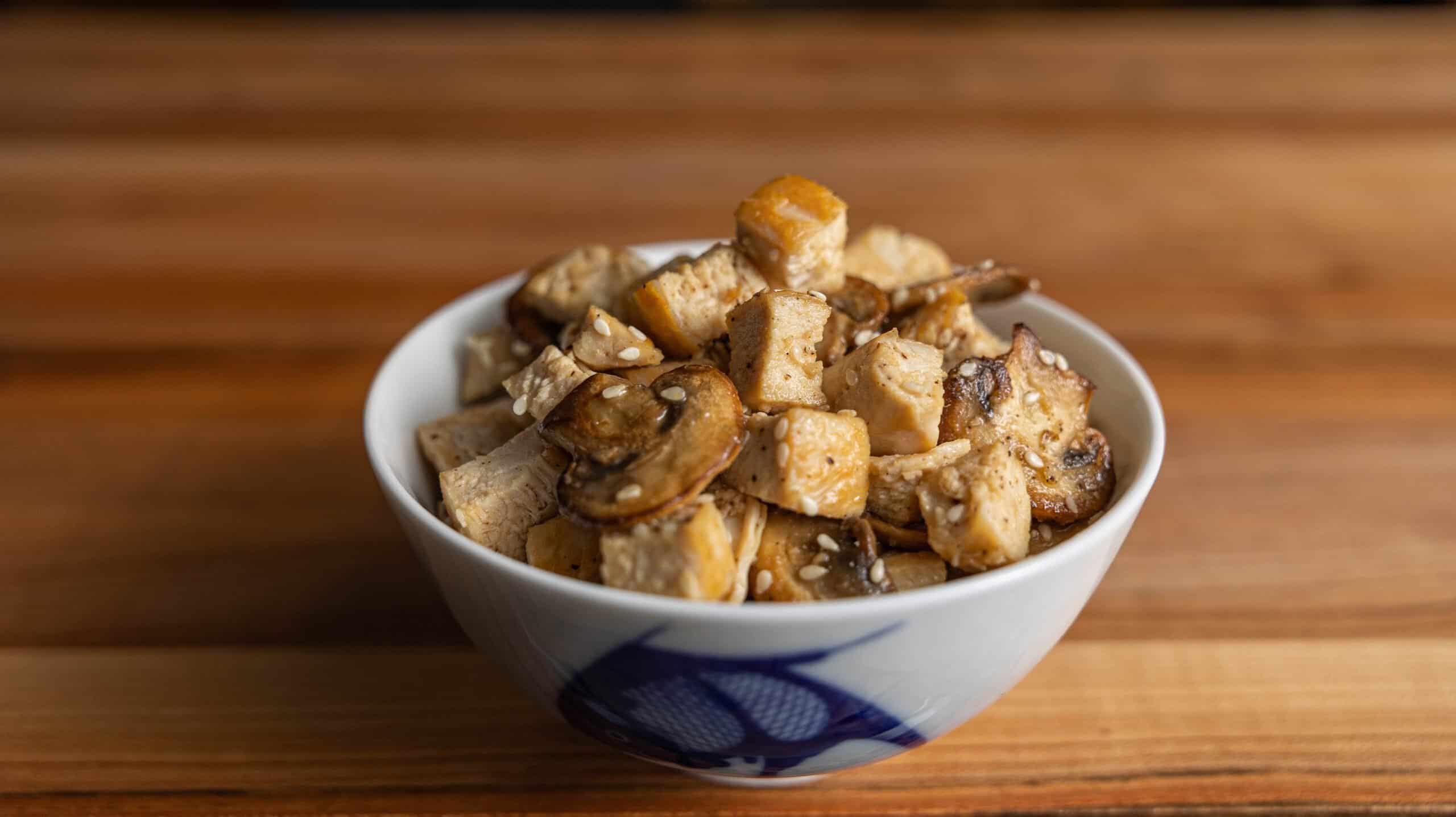
Every hibachi chicken recipe online tells you to cut the chicken into small pieces before cooking it. That's the opposite of what teppanyaki restaurants actually do. When you dice raw chicken and throw it all into a pan, the pieces release water and steam instead of searing. The fix is the same technique hibachi chefs use: sear whole cutlets first, rest them, then dice.
I saw the same thing every time I sat at the grill at Benihana or any local teppanyaki restaurant: the chef sears large pieces of chicken first, lets them cook through, and then dices them. At home, you can actually improve on the restaurant method by resting the chicken before dicing, which lets the juices redistribute instead of spilling out onto a 700-degree flat top.
This post contains affiliate links, which means I may earn a small commission if you make a purchase. It doesn't cost you anything extra. Full disclosure.
Why This Hibachi Chicken Recipe Works
- Cutlets sear properly because they have enough surface area. Small diced chicken releases water and steams in a crowded pan. Whole cutlets get a proper sear on both sides before you dice them.
- Dicing after searing gives you cleaner, more uniform cuts. Cooked chicken holds its shape better than raw, so the cubes come out even and consistent.
- Resting the chicken before dicing redistributes the juices. At the restaurant, the chicken is diced on the hot flat top. At home, resting for a few minutes gives you juicier results.
- Mushrooms are cooked separately so they don't interfere with the sear. Mushrooms release a lot of liquid, and cooking them alongside the chicken would prevent browning.
- Adding the garlic butter after the sear prevents the garlic from burning. One tablespoon melted into the diced chicken and mushrooms coats everything evenly.
Ingredients You'll Need
Chicken breast. You want a standard-sized boneless, skinless chicken breast, butterflied and split into two cutlets. Avoid the oversized ones that are common at most grocery stores. A normally proportioned breast will give you two cutlets that are about half an inch thick, which is the right thickness for proper searing. Remove the tenderloin if it has one and trim the thin, tapered end so your cutlets are uniform. Set them aside in the refrigerator after cutting.
Safflower oil. This is what most hibachi restaurants use. Vegetable oil or canola oil both work if that's what you have on hand. You just need a neutral oil with a high smoke point, since you're searing at medium-high heat.
White button mushrooms. Regular white button mushrooms, cut into 6 to 8 pieces each. Two mushrooms per cutlet, so four mushrooms for one full chicken breast. Cut them thicker than you think you should, because they shrink down as they cook and release their liquid.
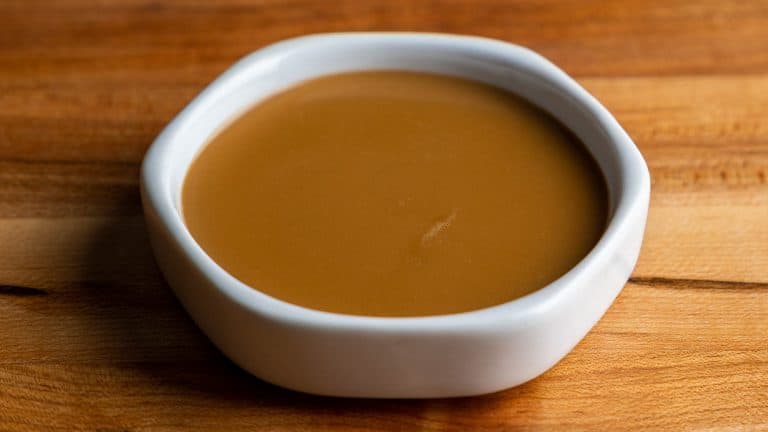
Hibachi garlic butter. This is a combination of unsalted butter, garlic, and Kikkoman soy sauce. You can make a full batch using my Benihana garlic butter recipe and keep it in the refrigerator for up to a week, or freeze it for up to six months. One tablespoon is all you need for this recipe.
Lemon juice. Juice from a quarter of a lemon, squeezed over the chicken after the heat is off. Adding it at the very end keeps the citrus flavor fresh and bright instead of cooking it out.
Sesame seeds. About a tablespoon stirred into the finished dish, plus a little extra for garnish. These add a subtle nuttiness that pairs well with the garlic butter and lemon.
Kosher salt and black pepper. Season the cutlets with kosher salt before searing. Adjust seasoning at the end after the garlic butter goes in, since the soy sauce in the butter already adds sodium.
How to Make Hibachi Chicken
1. Prep the chicken. Take a single chicken breast half, flip it upside down, and remove the tenderloin if it has one. Trim off the thin, tapered end so your cutlets will be uniform. Flip the breast back over smooth-side-up, place your hand flat on top, and make a horizontal cut about halfway through the breast. When you've almost reached the other side, open it up like a book and cut straight down the middle. You should end up with two even cutlets about half an inch thick. Refrigerate them until you're ready to cook.
2. Cook the mushrooms. Heat some safflower oil in a nonstick pan over medium-high heat. Add the mushroom pieces with a sprinkle of salt and cook until they've released all their liquid and are completely cooked through. Transfer them to a container and set aside.
3. Sear the chicken. Season each cutlet with kosher salt. Add oil to the pan over medium-high heat. When the oil is hot, lay the cutlets in and cook for about 3 to 5 minutes per side until you have a solid golden-brown sear. Remove the cutlets and place them on a plate lined with a paper towel.
4. Rest the chicken. Let the cutlets sit for 3 to 5 minutes. This gives the juices time to redistribute through the meat, which is something you can't do when the chicken is being diced directly on a hot restaurant flat top.
5. Dice the chicken. Cut each rested cutlet into long strips, then make perpendicular cuts to create small cubes. You'll notice the cuts are much cleaner and more uniform on cooked chicken than they would be on raw.
6. Combine everything. Wipe out the pan and return it to medium heat. Add the diced chicken and mushrooms, then drop in about one tablespoon of garlic butter. Stir until the butter melts and coats everything. Season with a little more kosher salt and cracked black pepper to taste.
7. Finish with lemon and sesame seeds. Kill the heat, squeeze the juice of a quarter lemon over the top, add about a tablespoon of sesame seeds, and give it a good stir. Top with a few more sesame seeds for garnish and serve immediately.
Tips for the Best Hibachi Chicken
Don't crowd the pan when searing. If you're making a larger batch, sear the cutlets one or two at a time. Crowding the pan is exactly the problem that causes steaming instead of searing, which is the same mistake most recipes make by dicing the chicken raw.
Pat the chicken dry before seasoning. Most chicken sold in grocery stores has been injected with a solution, so it holds extra moisture. Drying the cutlets with paper towels before salting them helps you get a better sear.
Salt the chicken early if you have time. If you prep the cutlets a few hours ahead or even overnight, salt them lightly and leave them uncovered in the refrigerator. The salt penetrates the meat and improves both the flavor and texture.
Don't move the chicken while it sears. Set it in the pan and leave it alone for the full 3 to 5 minutes per side. If the chicken is sticking to the pan, it's not ready to flip yet.
What to Serve With Hibachi Chicken
Hibachi chicken is usually part of a full teppanyaki spread. Here are some recipes that go alongside it:
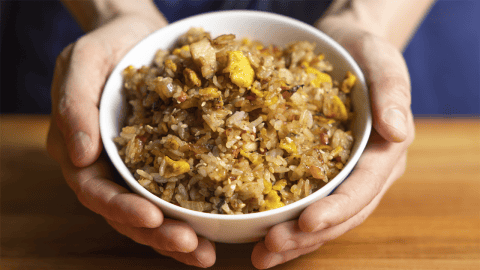
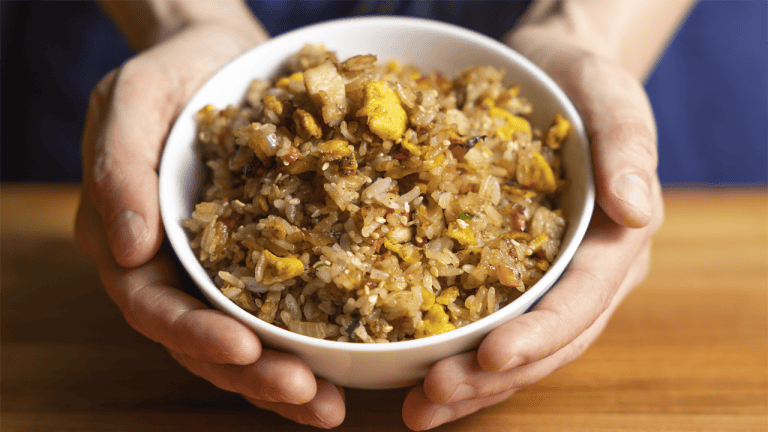
- Benihana Fried Rice is the classic pairing. It uses the same garlic butter and tastes like the fried rice served at the table.
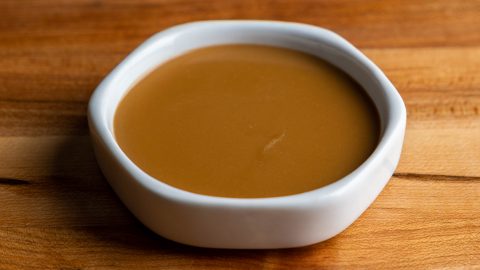
- Benihana Garlic Butter is worth making a full batch of if you plan to cook multiple hibachi recipes.
- Benihana Hibachi Onion Soup is the same clear onion soup served at the table before the chef starts cooking.
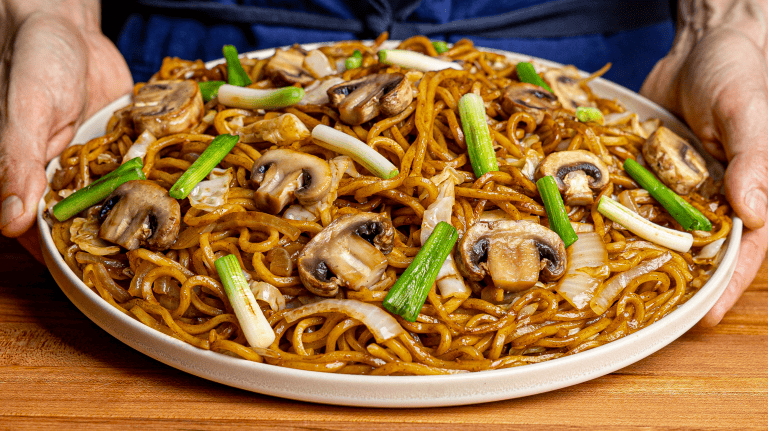
- Benihana Yakisoba works well as a noodle side if you want to go beyond rice.
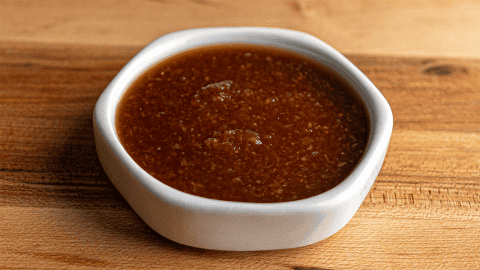
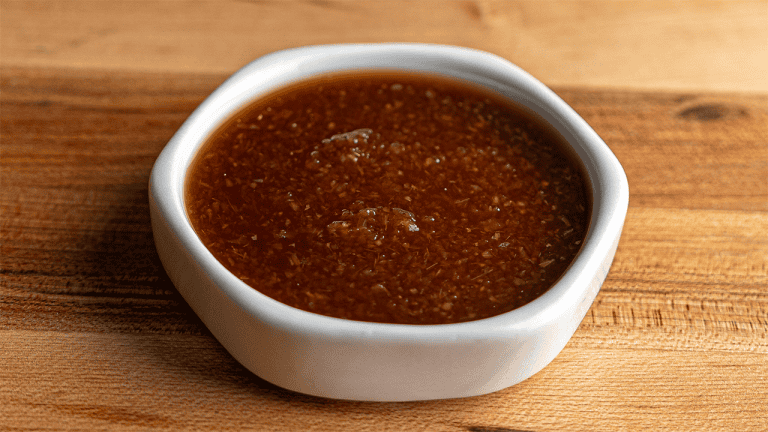
- Benihana Teriyaki Sauce can be drizzled on top if you want to add a teriyaki glaze.
Storage and Reheating
Hibachi chicken keeps in an airtight container in the refrigerator for 3 to 4 days. Reheat in a nonstick pan over medium heat until warmed through. The microwave works in a pinch, but you'll lose some of the sear. The garlic butter solidifies when cold, so the stovetop method gives you the best texture since it re-melts the butter and re-crisps the chicken slightly.
I wouldn't recommend freezing the assembled dish. The mushrooms get spongy after thawing. If you want to prep ahead, freeze the raw butterflied cutlets and the garlic butter separately.
Frequently Asked Questions
Can I use chicken thighs instead of chicken breast?
Chicken thighs will work, but the cooking time is longer. Thighs are fattier and need more time to cook through. Use boneless, skinless thighs for the easiest substitution. The texture will be different from what you'd get at a teppanyaki restaurant, since they almost always use breast meat.
Do I need to marinate the chicken?
No. Hibachi chicken at most teppanyaki restaurants is not marinated. The flavor comes from the sear, the garlic butter, the lemon juice, and the sesame seeds at the end. If you salt the chicken a few hours before cooking, that's all the advance seasoning you need.
What's the difference between hibachi and teriyaki chicken?
Hibachi chicken is seared and finished with garlic butter, lemon, and sesame seeds. Teriyaki chicken is glazed with a sweet soy-based sauce during cooking. They're two separate dishes on the menu at any Japanese steakhouse, even though they start with the same protein. I have a separate Benihana Teriyaki Chicken recipe if you want the glazed version.
More Benihana Recipes
- Benihana Fried Rice
- Benihana Garlic Butter
- Benihana Hibachi Onion Soup
- Benihana Yakisoba
- Benihana Teriyaki Sauce
- Benihana Teriyaki Chicken
- Benihana Teriyaki Steak
- Benihana Spicy Teriyaki
- Hibachi Steak
- Hibachi Shrimp
- Hibachi Vegetables
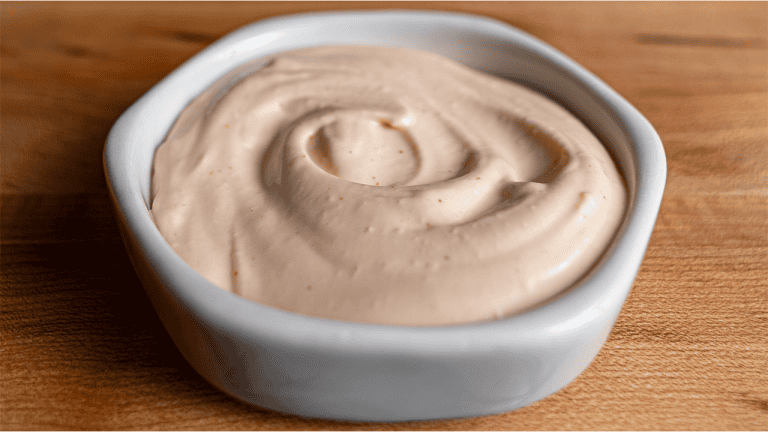
- Benihana Yum Yum Sauce
- Benihana Spicy Sauce
- Benihana Diablo Sauce
- Benihana Ginger Salad Dressing
- Benihana Mustard Dipping Sauce
- Benihana Ginger Dipping Sauce
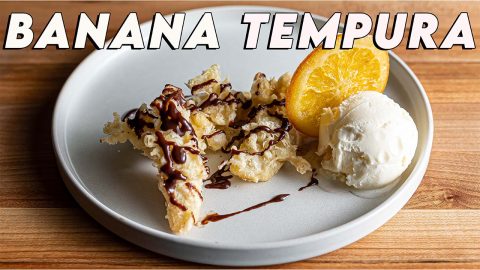
- Banana Tempura
- Every Benihana Recipe (Complete Guide)
More Japanese Recipes
More Teriyaki Recipes
Recipe
Hibachi Chicken
Equipment
- 1 All-Clad Nonstick Pan for searing chicken and cooking mushrooms
- 1 Misono Chef's Knife for butterflying and dicing chicken
- 1 Measuring Spoons for garlic butter
- 1 Deli Containers for holding cooked mushrooms
Ingredients
- 1 chicken breast butterflied and split into 2 cutlets
- 4 white button mushrooms cut into 6-8 pieces each
- safflower oil vegetable or canola oil also work
- 1 tablespoon hibachi garlic butter see Benihana Garlic Butter recipe
- ¼ lemon juiced
- kosher salt to taste
- black pepper to taste
- 1 tablespoon sesame seeds plus extra for garnish
Instructions
Prep
- Split 1 chicken breast into 2 cutlets by removing the tenderloin, trimming the tapered end, butterflying horizontally, and cutting down the middle. Refrigerate until ready to cook.
Cook the Mushrooms
- Heat safflower oil in a nonstick pan over medium-high heat. Add mushroom pieces with a sprinkle of salt and cook until they've released all their liquid and are completely cooked through. Transfer to a container and set aside.
Sear the Chicken
- Season each cutlet with kosher salt. Heat oil in the pan over medium-high heat. Sear cutlets for 3-5 minutes per side until golden brown. Remove to a paper towel-lined plate.
- Rest the cutlets for 3-5 minutes.
- Slice each cutlet into long strips, then cut perpendicular to the strips to make small cubes.
Final Assembly
- Wipe out the pan and return to medium heat. Add diced chicken, mushrooms, and 1 tablespoon of garlic butter. Stir until the garlic butter melts and coats everything. Season with salt and pepper to taste.
- Kill the heat. Squeeze the juice of ¼ lemon over the top, add sesame seeds, and stir to combine.
- Garnish with additional sesame seeds and serve immediately.