Every Benihana Recipe (Complete Guide)
I've reverse-engineered 19 Benihana recipes on my YouTube channel.
Every recipe on this page started the same way: find the actual ingredients and techniques Benihana uses, not what other recipes guessed from eating there once. This guide is organized the way the meal works at the restaurant. Soup, salad, proteins, sides, then every sauce on the table.
Soup
Benihana Hibachi Onion Soup
The clear broth soup you get before every Benihana meal uses three ingredients that no online recipe includes: HACO chicken and beef consomme bases and vegetable oil. The consomme bases are what give the broth that clean, transparent look instead of the cloudy result you get from regular stock. The full recipe also includes a grocery store version using Campbell's condensed products if you can't find HACO.
Get the full Benihana Hibachi Onion Soup recipe here.
Salad
Benihana Ginger Salad Dressing
This is the easiest recipe on the entire site. The dressing is twelve ingredients mixed cold with no cooking, and the real value is getting the composition right so the ginger, soy, and vinegar balance correctly. The post also covers how to prep the iceberg lettuce salad the way Benihana serves it.
Get the full Benihana Ginger Salad Dressing recipe here.
Hibachi and Teriyaki Proteins
Benihana Teriyaki Chicken
Benihana's teriyaki chicken starts with their house-made teriyaki sauce, which is its own separate recipe. The chicken is seared whole on a hot surface and sliced after cooking. The post covers the sauce, the technique, and how the two work together.
Get the full Benihana Teriyaki Chicken recipe here.
Benihana Teriyaki Steak
The investigation here was steak-specific: which cut to buy (NY strip, not sirloin), how to crisp the fat cap, and why resting before slicing into cubes gives you the clean, uniform pieces you see at the restaurant. The recipe uses the same Benihana teriyaki sauce as the chicken.
Get the full Benihana Teriyaki Steak recipe here.
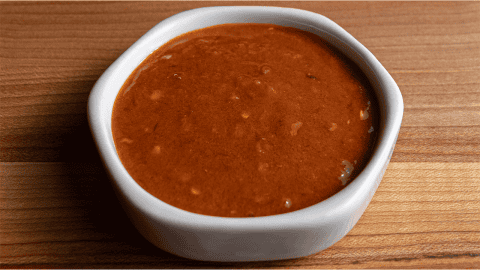
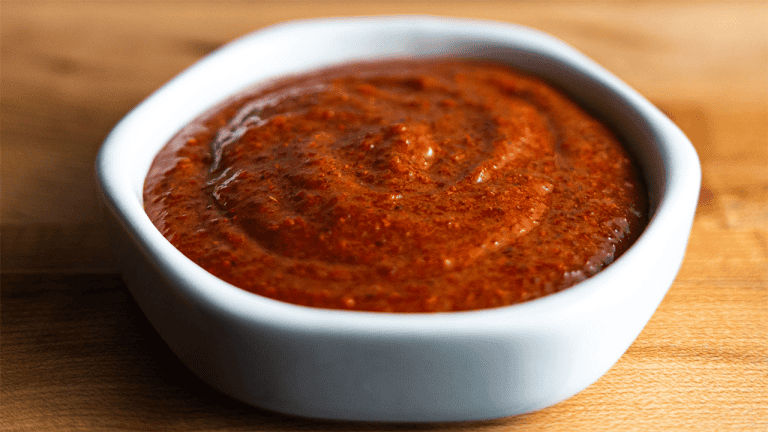
Benihana Spicy Teriyaki
This one isn't a single sauce. It's two separate recipes combined: a hot pepper paste and the Benihana teriyaki sauce mixed together. The prep cooks at Benihana eyeball the ratio with no set measurements, so the recipe gives you the correct starting proportions and lets you adjust the heat from there.
Get the full Benihana Spicy Teriyaki recipe here.
Hibachi Chicken
The technique that separates restaurant hibachi chicken from every recipe online is the cutting order. Benihana sears the chicken breast whole on a 700-degree flat top, then dices it after. That gives you a better crust and juicier meat than cutting it into cubes before cooking.
Get the full Hibachi Chicken recipe here.
Hibachi Steak
The recipe covers which grade and cut of steak to buy, how to crisp the fat cap, and the rest-then-slice technique that gives you those clean, uniform cubes you see at the restaurant. The steak is cooked whole, not pre-cut, which is the same principle as the hibachi chicken but with different timing and temperatures.
Get the full Hibachi Steak recipe here.
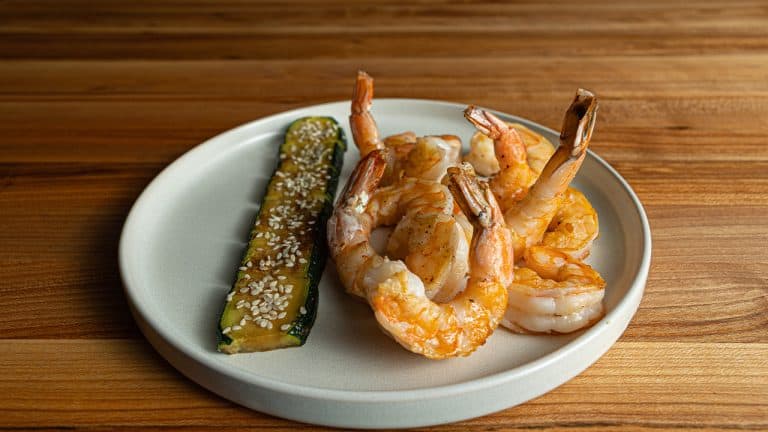
Hibachi Shrimp
The technique online recipes leave out is brining. Benihana brines their shrimp before cooking, which seasons them through and changes the texture. The full recipe covers both the standard hibachi shrimp and the colossal shrimp version.
Get the full Hibachi Shrimp recipe here.
Sides
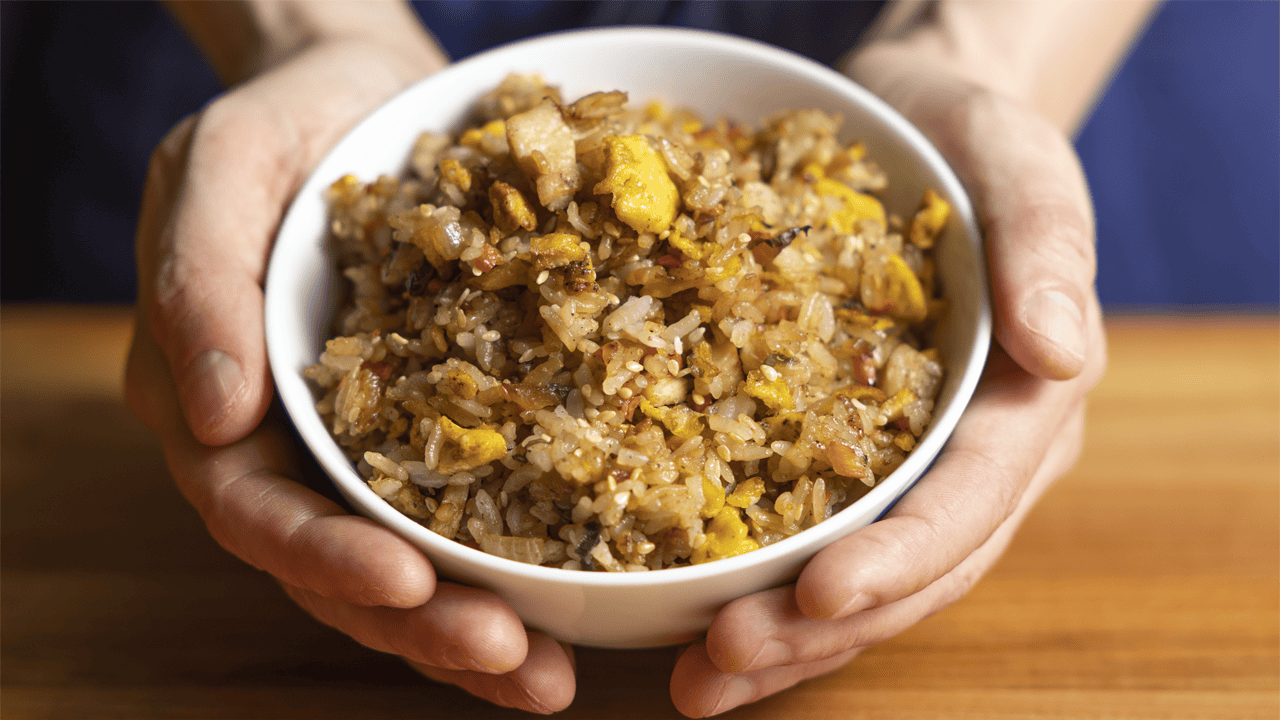
Benihana Fried Rice
Most fried rice recipes use whatever rice is in the pantry. This one explains why Calrose specifically matters, ranks three cooking methods from best to easiest, and covers the soy sauce caramelization technique Benihana uses on the flat top.
Get the full Benihana Fried Rice recipe here.
Benihana Yakisoba
The sauce Benihana uses on their yakisoba had never been publicly identified before this recipe. It's Otafuku yakisoba sauce, confirmed by employee sources and backed up by Morimoto's cookbook. The post includes a noodle guide ranking five brands from best to most available.
Get the full Benihana Yakisoba recipe here.
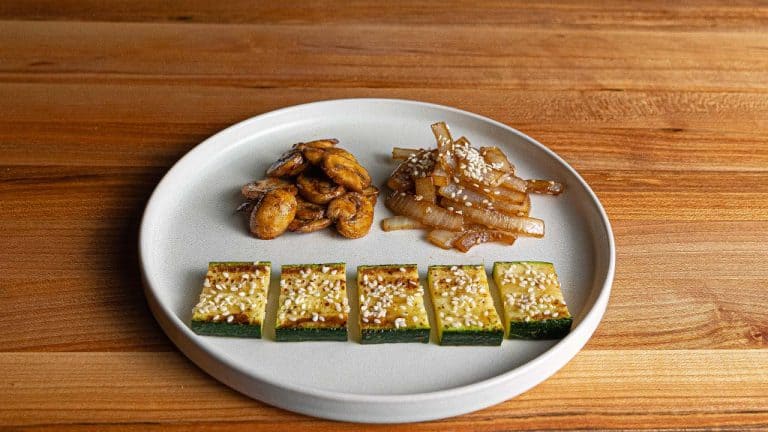
Hibachi Vegetables
Every hibachi vegetable recipe online cooks everything together in one batch. Benihana cooks each vegetable separately with different salt timing, because zucchini, onions, and mushrooms all release moisture at different rates. Cooking them together means some are overcooked while others are raw.
Get the full Hibachi Vegetables recipe here.
Sauces and Condiments
Benihana Yum Yum Sauce
The two things every online yum yum sauce recipe gets wrong are the liquid and the method. Benihana uses heavy cream, not water, and mixes it with a double boiler technique. That's why restaurant yum yum sauce has a different consistency than the cold-mixed versions you find everywhere else.
Get the full Benihana Yum Yum Sauce recipe here.
Benihana Spicy Sauce
Three ingredients mixed cold in under a minute. The post identifies the correct brands Benihana uses and gives you the exact ratio. There's also an upgrade with crunchy garlic that makes it better than what you get at the restaurant.
Get the full Benihana Spicy Sauce recipe here.
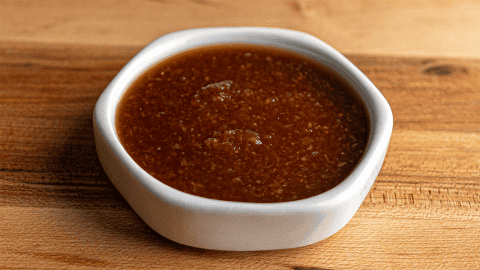
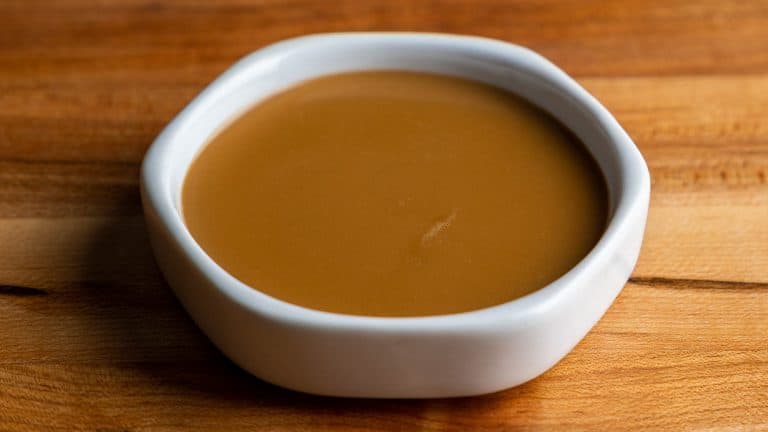
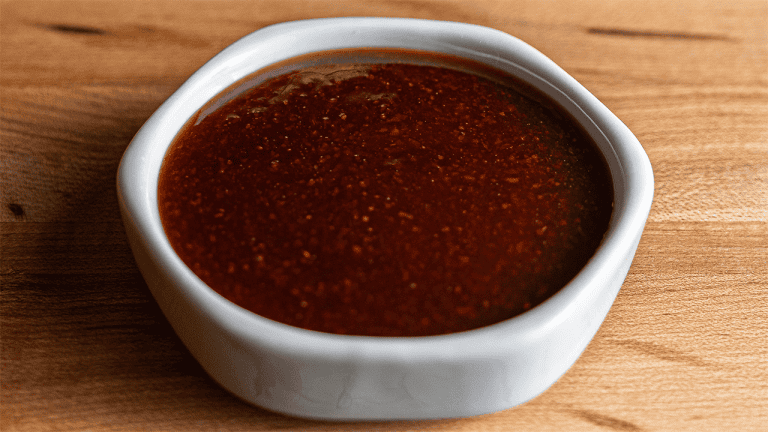
Benihana Teriyaki Sauce
This is the base sauce for every teriyaki dish at Benihana. The teriyaki chicken, teriyaki steak, and spicy teriyaki all depend on this recipe, so it's worth making first if you're planning to cook any of the teriyaki proteins.
Get the full Benihana Teriyaki Sauce recipe here.
Benihana Diablo Sauce
The two ingredients every online recipe misses are ichimi togarashi and Kewpie mayonnaise. Most recipes substitute sriracha and regular mayo, and the result doesn't taste like what Benihana serves. The post covers both the exact Benihana version and a seven-spice upgrade.
Get the full Benihana Diablo Sauce recipe here.
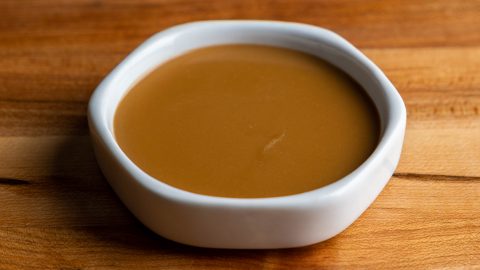
Benihana Mustard Dipping Sauce
Online versions of this sauce use too much mustard and leave out the cream entirely. The actual Benihana recipe includes cream, which is what gives it that smoother consistency compared to the grainy, overpowered versions you find online.
Get the full Benihana Mustard Dipping Sauce recipe here.
Benihana Ginger Dipping Sauce
Benihana serves two dipping sauces at every meal: mustard for meat, ginger for seafood. This recipe is the actual Benihana version halved for a home kitchen batch size. It keeps in the fridge for about a week.
Get the full Benihana Ginger Dipping Sauce recipe here.
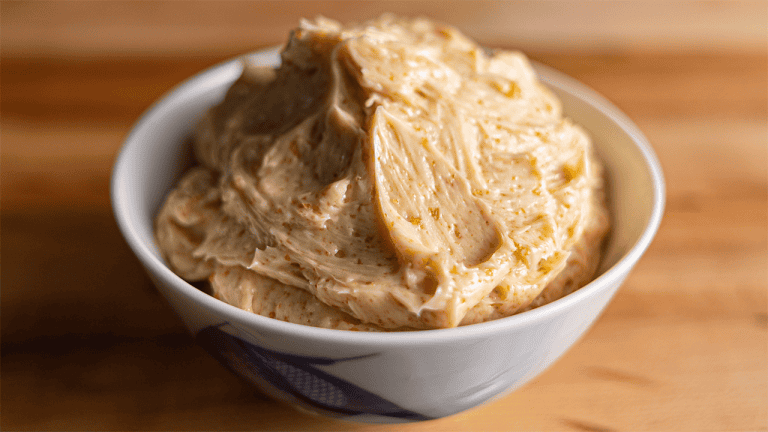
Benihana Garlic Butter
Benihana uses Sunglow European Style Butter Blend Margarine on their flat top because margarine has a 430-degree smoke point versus 302 for regular butter. At home you're cooking at lower temperatures, so real butter gives you better flavor. The recipe covers both a home batch (knife method) and a restaurant-size batch (food processor).
Get the full Benihana Garlic Butter recipe here.
Dessert
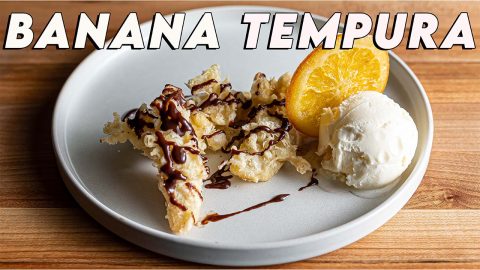
Banana Tempura
Good banana tempura has a crust so thin and brittle it shatters when you bite into it. The batter uses vodka and carbonated water instead of plain water, which limits gluten development and creates steam pockets during frying. The recipe also includes a three-ingredient chocolate ganache that replaces the squeeze-bottle chocolate syrup most hibachi restaurants use.
Get the full Banana Tempura recipe here.
Frequently Asked Questions
What sauces does Benihana have?
Benihana serves yum yum sauce, spicy sauce, teriyaki sauce, diablo sauce, mustard dipping sauce, ginger dipping sauce, and garlic butter. The yum yum sauce and mustard sauce come to the table automatically with every hibachi meal. The ginger dipping sauce is served with seafood.
What kind of rice does Benihana use?
Benihana uses Calrose rice, a medium-grain Japanese variety. Botan Calrose is widely available and works well for the fried rice recipe.
Can you recreate the full Benihana experience at home?
Yes. The 19 recipes on this page cover the complete Benihana menu from soup to dessert. The sauces and dressing can all be made ahead of time. The proteins are fast (most are under 10 minutes of active cooking), but plan on doing the prep work and sauces before your guests arrive.
What is hibachi vs teppanyaki?
Teppanyaki is the technically correct term for the flat-top grill cooking style at Benihana. Hibachi refers to a small charcoal brazier used in Japan. The restaurants don't correct the terminology, and most Americans grew up calling it hibachi, so the name stuck.