Benihana Diablo Sauce Recipe
Every recipe online for Benihana's diablo sauce calls for sriracha, cayenne, or some generic chili powder. None of them are right. The actual recipe uses two specific Japanese ingredients that almost no one has identified, and once you have them, the whole sauce comes together in about five minutes with no cooking.
Diablo sauce is the spicy dipping sauce Benihana serves alongside their seafood dishes. It's peppery, slightly sweet, and has a creamy texture from Japanese mayonnaise that you won't get from regular hot sauce. I tracked down the exact brand of chili pepper and the specific mayo Benihana uses, and the whole recipe is only four ingredients.
This post contains affiliate links, which means I may earn a small commission if you make a purchase. It doesn't cost you anything extra. Full disclosure.
Why This Benihana Diablo Sauce Recipe Works
- Ichimi togarashi, not generic chili powder. Benihana uses S&B brand ichimi togarashi, which is pure ground red chili pepper from Japan. It's just heat without any other flavors mixed in, so it doesn't taste like sriracha or cayenne.
- Kewpie mayonnaise for the creamy base. Kewpie is made with only egg yolks and rice vinegar, which gives it a richer, tangier flavor than American mayo. It's the reason the sauce tastes like the restaurant version.
- A two-step paste method controls the heat. You make a hot pepper paste first (togarashi, honey, ketchup), then fold in the mayo. This distributes the chili evenly and lets you dial the spice level up or down.
- Mixed cold in a single bowl, ready in five minutes. No blender, no heating, no emulsification. Stir and serve.
Ingredients You'll Need
Ichimi Togarashi. This is the ingredient that separates the real recipe from every imitation online. Ichimi togarashi is pure ground red chili pepper from Japan. The name literally translates to "one-flavor chili pepper," because it's just the chili and nothing else. The exact brand Benihana uses is S&B Foods ichimi togarashi. Don't confuse it with shichimi or nanami togarashi, which are seven-spice blends that include orange peel, sesame seeds, ginger, and other spices (more on that in the Tips section below). You can find S&B ichimi togarashi on Amazon or at most Asian grocery stores.
Kewpie Mayonnaise. Kewpie is a Japanese mayonnaise that's a staple in professional kitchens around the world. It's made with only egg yolks (not whole eggs), uses rice vinegar or apple cider vinegar (not distilled white), and contains MSG. The result is a richer, more savory, slightly tangier mayo than what you're used to. If you've never tried Kewpie, it's worth getting a bottle. Regular mayo will work in a pinch, but the sauce won't taste the same.
Honey. Regular honey from the grocery store works fine. It provides the sweetness that balances the heat from the togarashi and adds body to the paste.
Ketchup. Standard ketchup. It adds tomato sweetness, a touch of acidity, and gives the paste its reddish-orange color.
How to Make Benihana Diablo Sauce
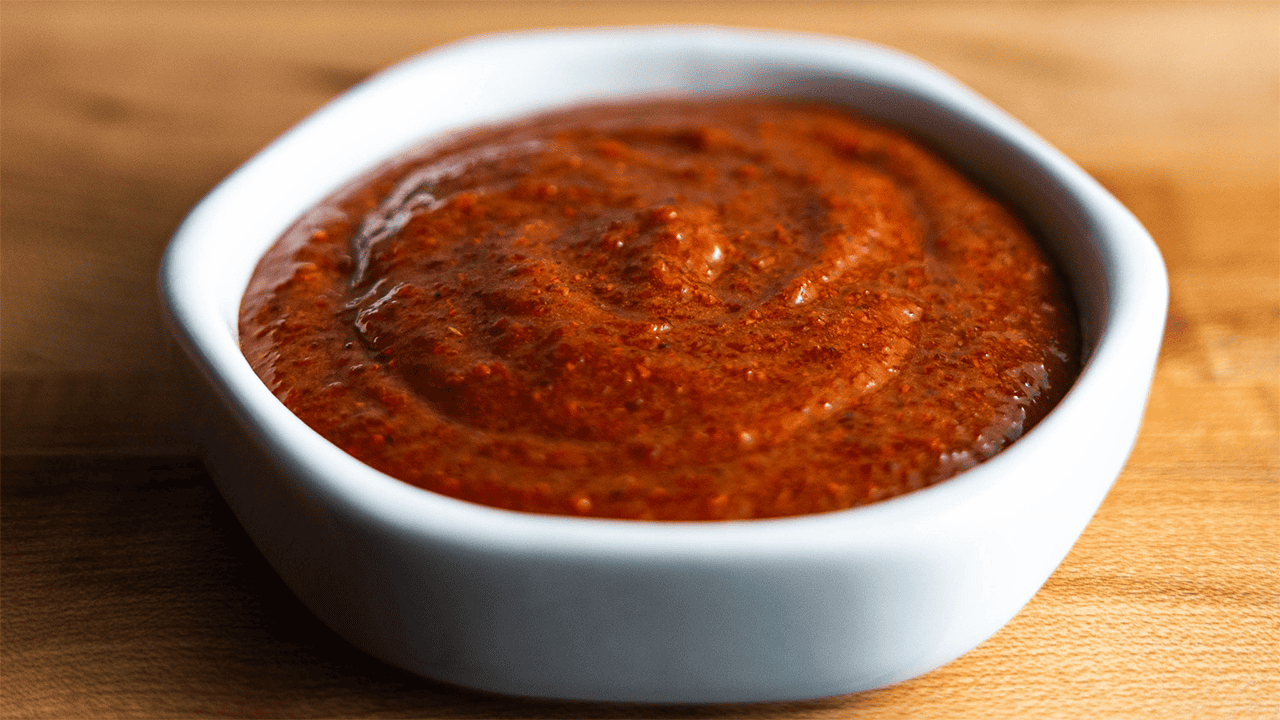
1. Make the hot pepper paste. Add ½ cup ichimi togarashi, ¼ cup honey, and ¼ cup ketchup to a mixing bowl. Stir everything together until you have a thick paste with the consistency of wet sand. It should hold together when you press a spoon into it.
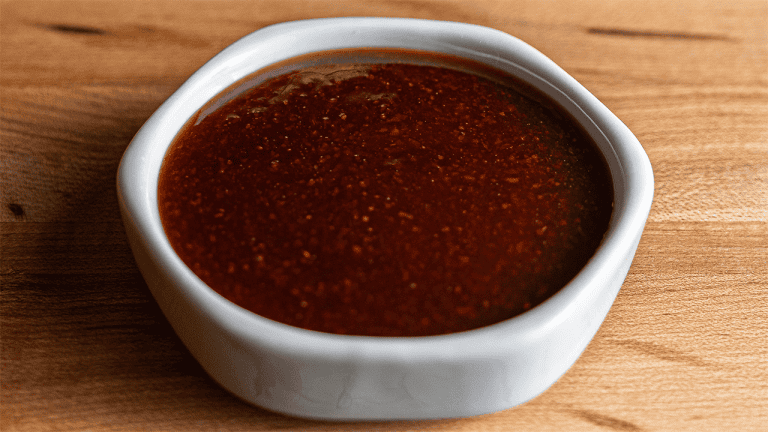
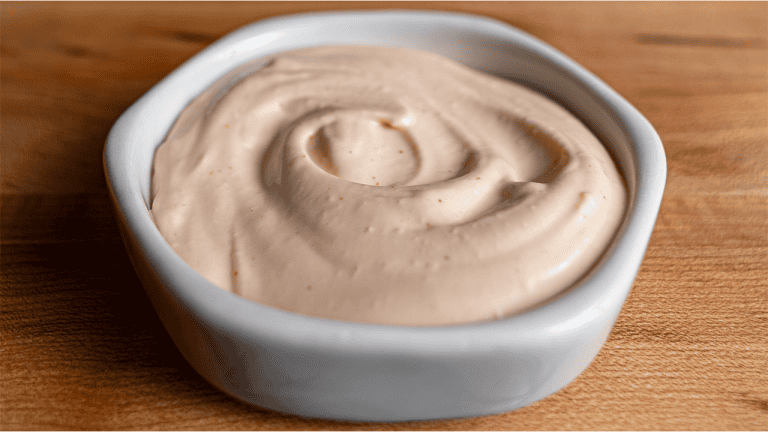
2. Fold in the mayonnaise. Add ¾ cup Kewpie mayonnaise to the paste and stir until everything is fully combined. The sauce should be a uniform pinkish-orange color with no streaks of paste or mayo visible.
3. Adjust to taste. If you want it spicier, stir in more togarashi. If it's too hot, add more mayonnaise. There's no cooking involved, so you can keep tasting and adjusting until the heat level is where you want it.
Tips for the Best Benihana Diablo Sauce
Try the seven-spice version at home. The authentic Benihana recipe uses ichimi togarashi (pure chili pepper), but the sauce is actually better at home with shichimi or nanami togarashi. The seven-spice blend includes orange peel, sesame seeds, sansho pepper, ginger, and seaweed alongside the chili pepper. You get citrus, sesame, and ginger on top of the chili heat, so the sauce has more flavor overall. If you go this route, use ½ cup shichimi togarashi and reduce the Kewpie to ½ cup (120g), since the seven-spice blend has slightly less heat than pure chili pepper. This is the same type of togarashi used in Benihana's spicy teriyaki sauce.
Ichimi vs. shichimi vs. nanami. This gets confusing, so here's the short version. Ichimi means "one flavor" and is just ground chili pepper. Shichimi means "seven flavor" and is a blend of chili pepper plus six other spices. Nanami is exactly the same thing as shichimi. S&B Foods, the main manufacturer, renamed their shichimi to "nanami" for Western markets because the words "ichimi" and "shichimi" sound too similar and they didn't want buyers grabbing the wrong bottle.
Heat adjustment is forgiving. Because you're mixing a paste into mayo, you can always fix the spice level after the fact. Too hot? Stir in more mayo. Not hot enough? Add more togarashi. The sauce is served cold, so what you taste in the bowl is what you'll taste on the plate.
What to Serve With Benihana Diablo Sauce
Diablo sauce is traditionally a seafood sauce at Benihana, so it's a natural pairing with hibachi shrimp. It also works well alongside hibachi steak and hibachi chicken, or drizzled over Benihana fried rice. If you're putting together a full hibachi spread at home, serve it alongside Benihana yum yum sauce and Benihana teriyaki sauce for a complete sauce lineup.
Storage
Store diablo sauce in an airtight container (a deli container works well) in the refrigerator for up to 5 days. Since the base is mayonnaise, don't leave it at room temperature for more than 2 hours. The sauce doesn't freeze well because the mayo separates when thawed. Give it a quick stir before serving if it's been sitting in the fridge, since the paste can settle slightly.
Frequently Asked Questions
What is diablo sauce at Benihana?
Diablo sauce is a spicy, creamy dipping sauce served at Benihana and other hibachi restaurants, typically alongside seafood dishes like shrimp, scallops, and lobster. It's made from a hot pepper paste (togarashi, honey, and ketchup) mixed with Japanese mayonnaise. The name comes from "diablo," the Spanish word for devil, referring to the heat level.
Can I use regular mayonnaise instead of Kewpie?
You can, but it won't taste the same. Kewpie is made with only egg yolks and rice vinegar, which gives it a richer, tangier flavor than American mayo like Hellmann's or Duke's. If Kewpie isn't available, regular mayo will still produce a decent sauce. Adding a small pinch of MSG and a splash of rice vinegar to regular mayo gets you closer to the original.
How spicy is Benihana diablo sauce?
As served at the restaurant, it has a moderate heat. The ichimi togarashi provides a chili pepper warmth that's noticeable but not overwhelming, especially once it's mixed with the mayo, honey, and ketchup. The recipe is designed to be adjusted to your taste. You control the heat by changing the ratio of togarashi to mayonnaise.
More Benihana Recipes
- Benihana Fried Rice
- Benihana Garlic Butter
- Benihana Hibachi Onion Soup
- Benihana Yakisoba
- Benihana Teriyaki Sauce
- Benihana Teriyaki Chicken
- Benihana Teriyaki Steak
- Benihana Spicy Teriyaki
- Hibachi Chicken
- Hibachi Steak
- Hibachi Shrimp
- Hibachi Vegetables
- Benihana Yum Yum Sauce
- Benihana Spicy Sauce
- Benihana Ginger Salad Dressing
- Benihana Mustard Dipping Sauce
- Benihana Ginger Dipping Sauce
- Banana Tempura
- Every Benihana Recipe (Complete Guide)
More Japanese Recipes
More Teriyaki Recipes
Recipe
Benihana Diablo Sauce
Equipment
- 1 Deli Containers for storage
Ingredients
- ½ cup ichimi togarashi
- ¼ cup honey
- ¼ cup ketchup
- ¾ cup Kewpie mayonnaise
Instructions
- Add ichimi togarashi, honey, and ketchup to a mixing bowl. Mix until the paste has the consistency of wet sand.
- Add Kewpie mayonnaise and stir until everything is well combined.
- Taste and adjust: add more togarashi for extra heat, or more mayonnaise to reduce the spice level.