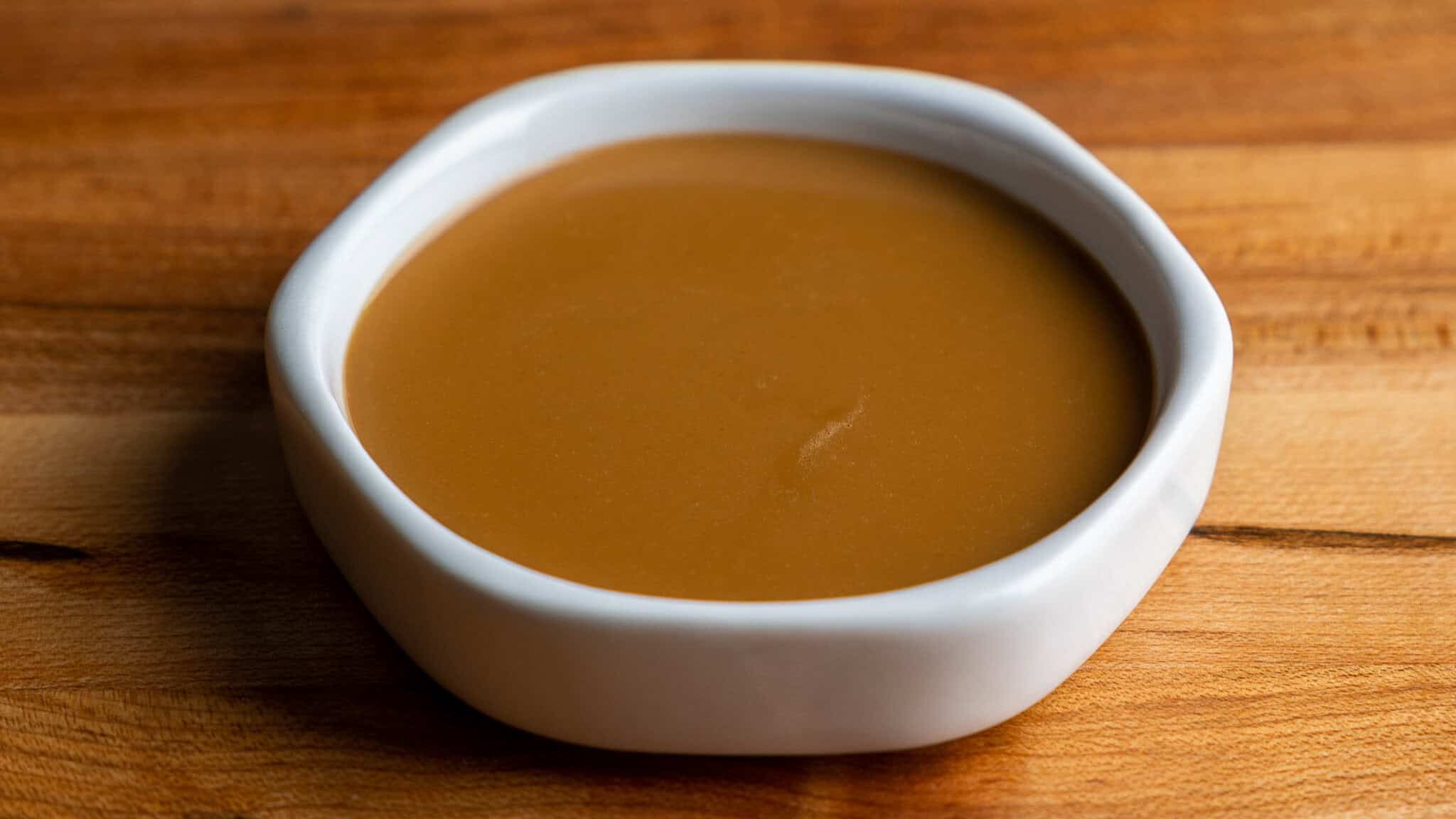
Benihana Mustard Dipping Sauce Recipe
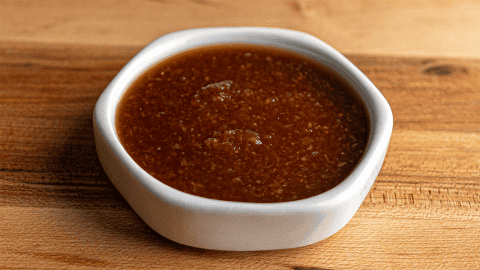
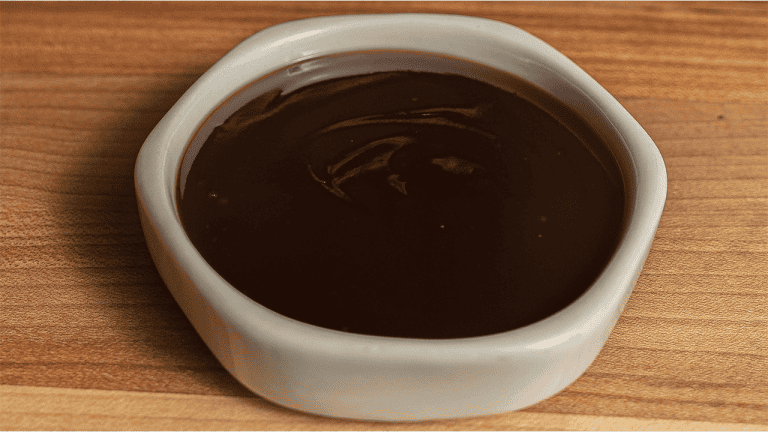
This is the exact Benihana mustard dipping sauce recipe, directly from the restaurant. I've seen dozens of versions online claiming to be the real thing, and almost every one of them is missing the two details that actually make this sauce taste like what you get at the table: toasted sesame seeds blended into the soy base, and heavy cream whisked in at the end.
The whole recipe takes about ten minutes and uses six ingredients, all of which you can find at a regular grocery store. If you've tried making this at home using one of those three-ingredient mustard-and-soy recipes online, the reason it didn't taste right is that those recipes skip the cream entirely and use way too much mustard powder.
This post contains affiliate links, which means I may earn a small commission if you make a purchase. It doesn't cost you anything extra. Full disclosure.
Why This Benihana Mustard Dipping Sauce Recipe Works
- Toasted sesame seeds are the main source of flavor. Most online recipes leave them out entirely or use sesame oil as a shortcut. The actual Benihana recipe uses 2.5 tablespoons of whole sesame seeds, toasted in a dry skillet and then blended directly into the soy sauce until they emulsify. That's where the nutty, rich flavor comes from.
- Heavy cream, not water. The real recipe calls for heavy whipping cream heated separately and then combined with the blended soy mixture. Recipes that use water or skip this step end up with a thin, salty sauce that tastes nothing like the restaurant version.
- Coleman's mustard powder in a tiny amount. Half a teaspoon. That's it. Online recipes that call for tablespoons of mustard powder are making a completely different sauce. The mustard is a background note at Benihana, not the dominant flavor.
- Everything comes from a regular grocery store, and the recipe is done in about ten minutes. Sesame seeds, soy sauce, mustard powder, garlic powder, water, and heavy cream. No specialty ingredients, no overnight rests.
Ingredients You'll Need
Sesame seeds. Regular white sesame seeds from any grocery store. You'll toast these yourself in a dry skillet, so don't buy pre-toasted. Toasting them fresh right before blending releases the oils and gives the sauce a deeper, nuttier flavor than anything you'd get from a jar.
Soy sauce. One full cup. Kikkoman works well here since Benihana uses a Japanese-style soy sauce, not a Chinese light soy. If Chinese light soy is all you have, it'll work, but the flavor will be slightly different.
Coleman's mustard powder. This is the specific brand Benihana uses. Only half a teaspoon goes into the entire batch, so a single tin will last you through dozens of batches. If you can't find Coleman's, any dry English mustard powder will work as a substitute.
Heavy whipping cream. Half a cup. This has to be actual heavy cream, not half-and-half, not milk, and not whipped cream from a can. The fat content in heavy cream is what gives the sauce its smooth texture and mellows out the salt from the soy sauce.
Garlic powder. Just an eighth of a teaspoon. It's a small amount, but you'd notice if it were missing.
How to Make Benihana Mustard Dipping Sauce
Toast the sesame seeds. Add 2.5 tablespoons of sesame seeds to a dry skillet over medium heat. Keep the pan moving or stir constantly with a spoon. Sesame seeds are small and burn fast, and once they scorch, they turn bitter and there's no saving them. You're looking for a light golden brown color, which usually takes about 3 to 5 minutes.
Blend the soy mixture. Add the toasted sesame seeds, 1 cup of soy sauce, half a teaspoon of mustard powder, half a teaspoon of water, and an eighth of a teaspoon of garlic powder to a blender or food processor. Blend on high for 30 seconds to one minute, until the sesame seeds have completely emulsified into the sauce and you can't see any whole seeds left. If your blender isn't powerful enough to fully break down the seeds, grind them in a mortar and pestle or spice grinder first, then combine everything in the blender.
Heat the cream and combine. Pour half a cup of heavy cream into a small saucepan over medium heat. Warm it until it's just heated through, not boiling. Add the blended soy mixture to the warm cream and whisk until everything is fully combined and the sauce is warmed through. Serve immediately.
Tips for the Best Benihana Mustard Dipping Sauce
Don't skip toasting the sesame seeds. Raw sesame seeds have a mild, slightly grassy flavor. Toasted sesame seeds have the deep, nutty character that makes this sauce taste like what you get at the restaurant. It takes five minutes and it's the single biggest difference between this recipe and the versions that don't work.
Use a powerful blender. The goal is to completely break down the sesame seeds so they emulsify into the soy sauce. If your blender leaves chunks behind, the sauce will be gritty instead of smooth. A high-speed blender does the best job. If neither your blender nor food processor can get the seeds fully smooth, pre-grind them in a spice grinder or mortar and pestle before blending.
Adjust the consistency when reheating. The ground sesame seeds have natural starches that thicken the sauce as it cools. If you've made this ahead and refrigerated it, warm it over low heat and add a small splash of heated cream to thin it back to the right consistency.
What to Serve With Benihana Mustard Dipping Sauce
At Benihana, the mustard dipping sauce is served alongside chicken and steak, while the ginger dipping sauce goes with seafood. At home, you can pair it with just about anything from the hibachi menu. Try it with Hibachi Chicken, Hibachi Steak, or Benihana Teriyaki Chicken. It's also good drizzled over Benihana Fried Rice or used as a dipping sauce for shrimp.
Storage and Reheating
The sauce keeps in the refrigerator for up to 3 days in a sealed container. The ground sesame seeds will thicken the sauce as it sits. When you're ready to serve it again, warm it over low heat and thin it out with a small splash of heated cream until it reaches the consistency you want. Taste and adjust the seasoning after reheating.
Frequently Asked Questions
What is Benihana mustard dipping sauce made of?
Six ingredients: toasted sesame seeds, soy sauce, Coleman's mustard powder, garlic powder, water, and heavy whipping cream. The sesame seeds are blended directly into the soy sauce until smooth, then the mixture is combined with warm cream. Most online recipes are missing the cream and using far too much mustard powder.
Can I make Benihana mustard sauce ahead of time?
Yes. Make the full batch, let it cool, and store it in the refrigerator for up to 3 days. The sauce will thicken from the starches in the ground sesame seeds. Reheat it gently over low heat and add a small amount of warm cream to thin it back out before serving.
What's the difference between Benihana mustard sauce and yum yum sauce?
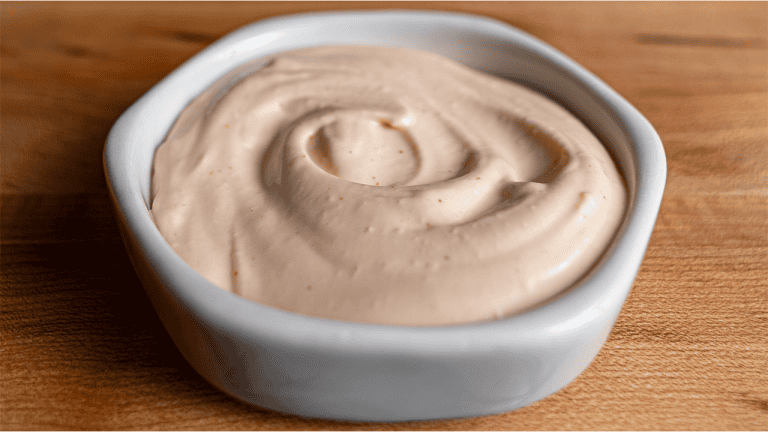
They're completely different sauces. The mustard dipping sauce is soy-based with toasted sesame seeds and a small amount of mustard powder, and it's traditionally served with chicken and steak. Yum yum sauce is mayonnaise-based with paprika and butter, served as a general-purpose dipping sauce. Benihana serves both at the table alongside the ginger dipping sauce.
More Benihana Recipes
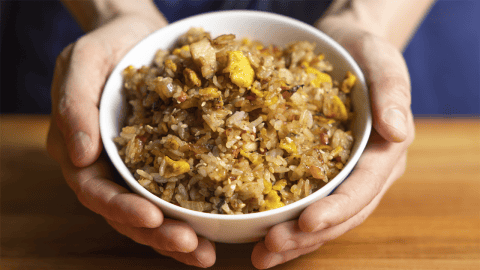
- Benihana Fried Rice
- Benihana Garlic Butter
- Benihana Hibachi Onion Soup
- Benihana Yakisoba
- Benihana Teriyaki Sauce
- Benihana Teriyaki Chicken
- Benihana Teriyaki Steak
- Benihana Spicy Teriyaki
- Hibachi Chicken
- Hibachi Steak
- Hibachi Shrimp
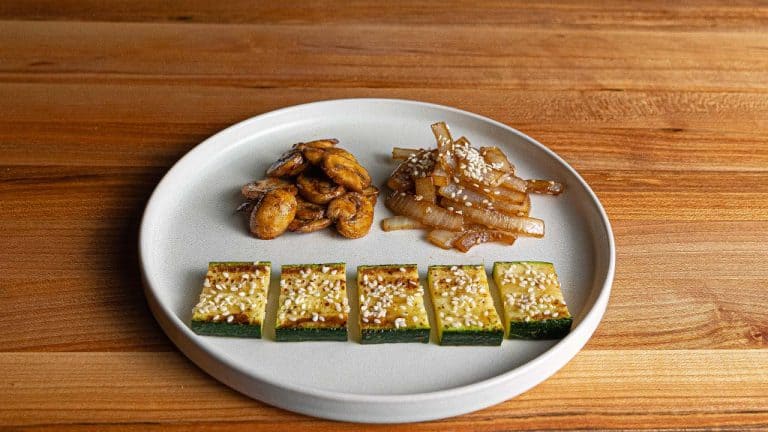
- Hibachi Vegetables
- Benihana Yum Yum Sauce
- Benihana Spicy Sauce
- Benihana Diablo Sauce
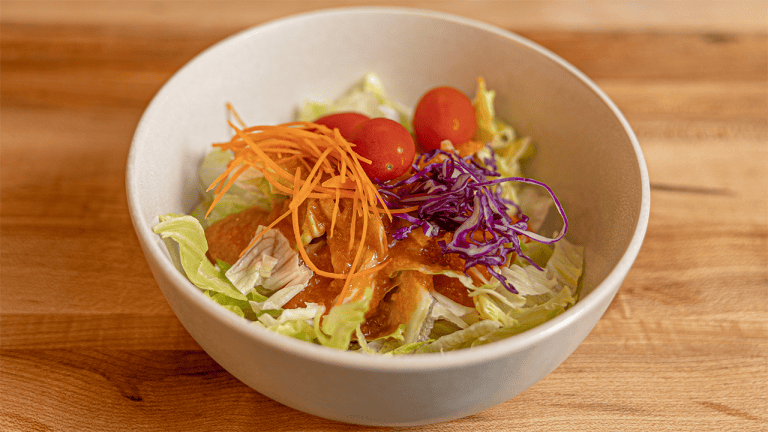
- Benihana Ginger Salad Dressing
- Benihana Ginger Dipping Sauce
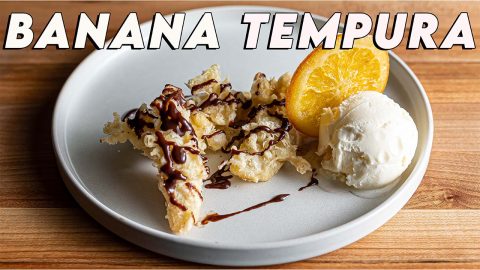
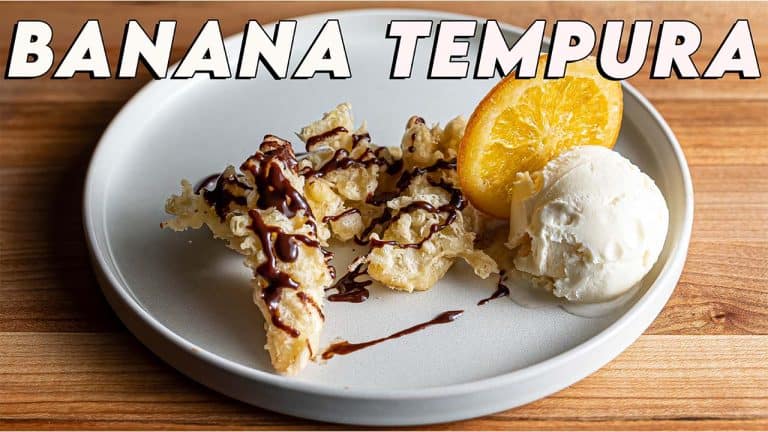
- Banana Tempura
- Every Benihana Recipe (Complete Guide)
More Japanese Recipes
More Teriyaki Recipes
Recipe
Benihana Mustard Dipping Sauce
Equipment
- 1 All-Clad D3 8" Frying Pan for toasting sesame seeds
- 1 Made-In Saucier for heating cream
- 1 Whisk
- 1 Deli Containers for storage
Ingredients
- 2 ½ tablespoon sesame seeds
- 1 cup Japanese soy sauce Kikkoman or Japanese-style
- ½ teaspoon hot mustard powder Coleman's brand
- ½ teaspoon water
- ⅛ teaspoon garlic powder
- ½ cup heavy whipping cream not half-and-half or milk
Instructions
Toast the Sesame Seeds
- Add 2.5 tablespoons of sesame seeds to a dry skillet over medium heat. Keep the pan moving or stir constantly with a spoon. Sesame seeds burn fast, and once they scorch, they turn bitter and there's no saving them. Toast until light golden brown, about 3 to 5 minutes.
Blend the Sauce
- Add the toasted sesame seeds, 1 cup of soy sauce, ½ teaspoon of mustard powder, ½ teaspoon of water, and ⅛ teaspoon of garlic powder to a blender or food processor. Blend on high for 30 seconds to one minute, until the sesame seeds have completely emulsified into the sauce and no whole seeds remain.
- If your blender isn't powerful enough to fully break down the seeds, grind them in a mortar and pestle or spice grinder first, then combine everything in the blender.
Combine with Cream
- Pour ½ cup of heavy cream into a small saucepan over medium heat. Warm until just heated through, not boiling.
- Add the blended soy mixture to the warm cream and whisk until fully combined and heated through. Serve immediately.
Sounds lovely!
I would love to know what I might be able to use instead of sesame seeds due to allergy issues. Any suggestions?