Benihana Spicy Sauce Recipe
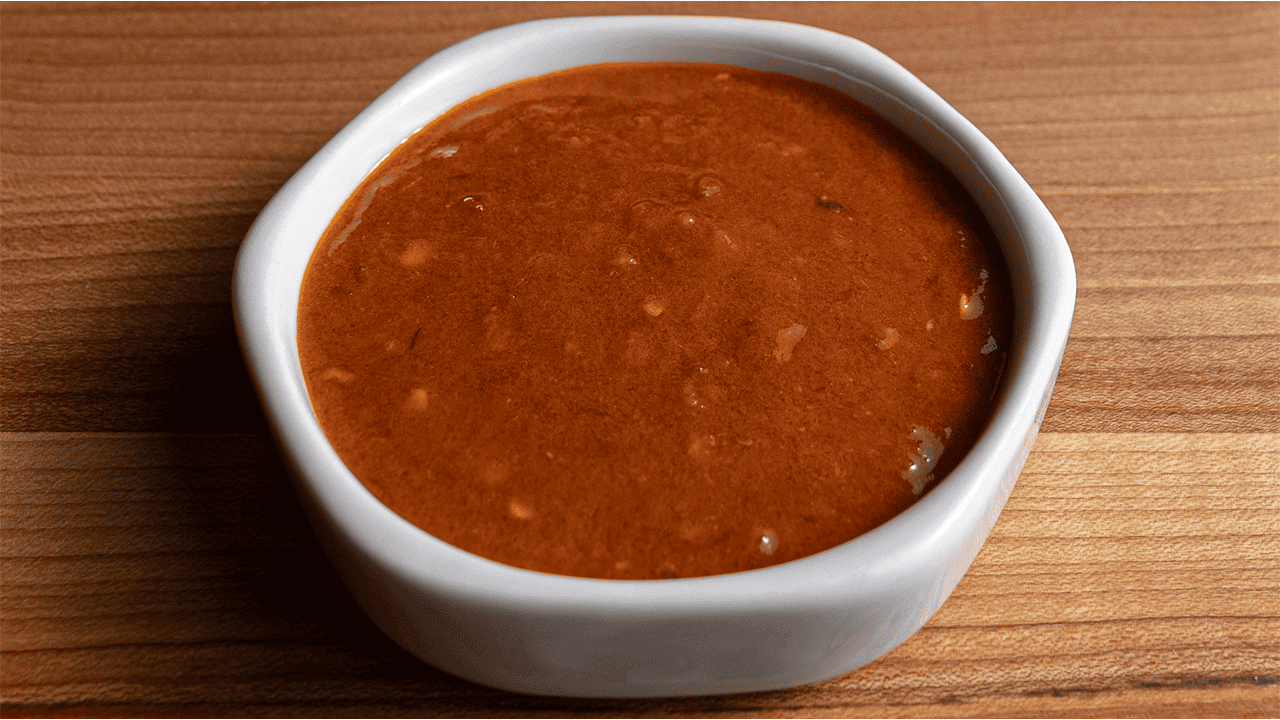
Benihana's spicy sauce takes less than a minute to make. It's three ingredients mixed together cold, and that's the whole recipe. The combination is sriracha, sambal oelek, and chili oil in equal parts. I've tested this across multiple batches and different brands of chili oil, and the equal-parts ratio consistently matches what they serve at the restaurant.
The recipe itself is about as simple as it gets. Each of the three ingredients handles a different job: sambal for straight heat, sriracha for tang and sweetness, chili oil to mellow everything out. Once you know that, adjusting the heat level or flavor balance is just a matter of changing the ratios. I've also been swapping in a crunchy garlic chili oil at home that gives the sauce a textural element the restaurant version doesn't have.
This post contains affiliate links, which means I may earn a small commission if you make a purchase. It doesn't cost you anything extra. Full disclosure.
Why This Benihana Spicy Sauce Recipe Works
- Uses the same sriracha, sambal oelek, and chili oil combination from Benihana
- Three ingredients, no cooking, less than one minute start to finish
- Each ingredient handles a different job: sambal for heat, sriracha for tang, chili oil to temper and bind
- Fully adjustable: reduce sambal for less heat, add sriracha for more tang, add chili oil to mellow the whole sauce
- The home upgrade with crunchy garlic chili oil adds texture the restaurant version doesn't have
Ingredients You'll Need
Sriracha. Most people know this one. It's a Thai-style hot sauce made from jalapeño peppers, vinegar, garlic, sugar, and salt. The heat is mild compared to the other two ingredients, and the vinegar and sugar give it a tangy, slightly sweet flavor. Huy Fong (the bottle with the rooster on it) is the standard.
Sambal oelek. A chunky Indonesian chili paste that a lot of people confuse with sriracha. The difference matters in this recipe. Sambal has very little vinegar and no sugar, so you get a clean, direct source of heat without the tanginess or sweetness. If you've never used it, it's worth having in your kitchen. It works well in soups, stir-fries, tomato sauces, really anything where you want heat without changing the overall flavor of the dish.
Chili oil. The specific brand Benihana uses is S&B Foods La-Yu, a Japanese chili oil made with sesame oil instead of the vegetable or soybean oil you see in Chinese versions. It doesn't have any actual chili peppers in it, just infused oil. I've made this recipe with several different brands, including Lee Kum Kee and homemade, and haven't noticed a meaningful difference in the finished sauce. Use whatever you can find.
How to Make Benihana Spicy Sauce
1. Add equal parts sriracha, sambal oelek, and chili oil to a bowl. The recipe uses a 1:1:1 ratio, so use the same amount of each. Two tablespoons of each makes enough sauce for a couple of dishes.
2. Whisk until the chili oil is completely emulsified into the sauce. The oil wants to separate, so keep whisking until you have a smooth, uniform sauce with no oil floating on top.
That's the entire recipe. Under a minute from start to finish.
How to Use Benihana Spicy Sauce
This sauce is used for three specific dishes at Benihana. All three follow the same idea: make the base recipe, then add spicy sauce at the end.
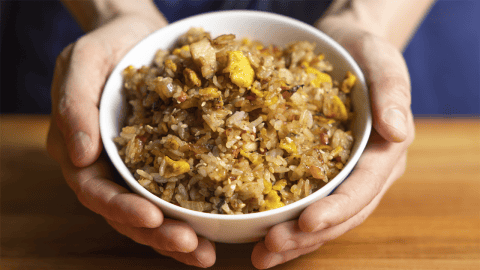
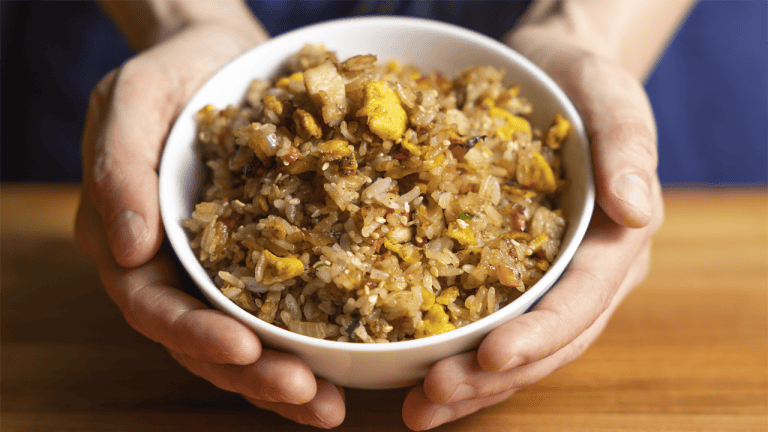
Spicy hibachi fried rice. Make Benihana fried rice as usual. After everything else has been added, toss in about 1 to 2 teaspoons of spicy sauce per serving and stir until combined. Add more to taste.
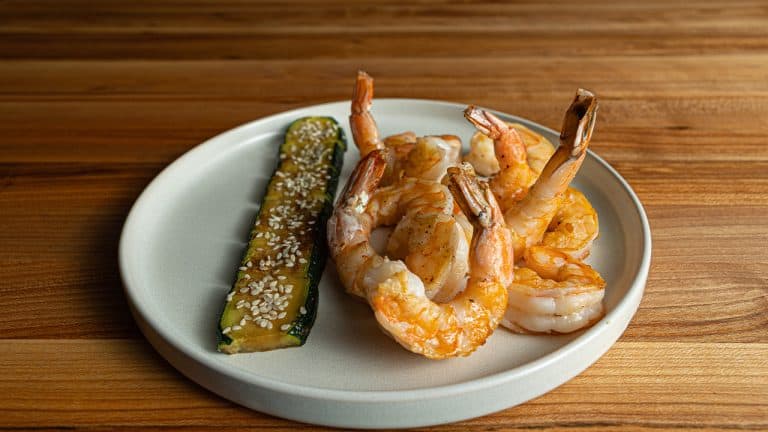
Spicy hibachi shrimp. Follow the hibachi shrimp recipe through the garlic butter step. After the butter melts, add the spicy sauce, toss to coat, and finish with a squeeze of lemon juice.
Spicy hibachi chicken. Same process as the shrimp. Follow the hibachi chicken recipe, add the spicy sauce after the butter melts, coat the chicken, and finish with lemon juice.
Tips for the Best Benihana Spicy Sauce
Adjusting the heat level. The heat is primarily coming from the sambal oelek. If the sauce is too spicy, reduce the sambal first. If you want more sweet and tangy notes, increase the sriracha. If it's still too much and you need to tone everything down, add more chili oil. The oil doesn't carry much heat on its own, so it tempers the spice level of the other two without adding more.
The crunchy garlic upgrade. This is what I do at home, and I think it makes a better sauce than the restaurant version. Replace some of the plain chili oil with a variety that has crunchy garlic in it. S&B Foods makes a Chili Oil with Crunchy Garlic that's fairly mild. Lao Gan Ma Chili Crisp is spicier and has crispy deep-fried chilis. There are also Japanese varieties like Ra-Yu and Taberu Ra-Yu that include ginger, garlic, and other spices. The fried garlic pieces give the sauce a textural contrast that the original doesn't have. Find one you like and keep it in the pantry.
Storage
Store the spicy sauce in a covered container in the refrigerator for up to one week. The chili oil may separate over time, so give it a stir before using. No reheating needed since this is a cold sauce.
Frequently Asked Questions
What is Benihana spicy sauce made of?
Benihana's spicy sauce is equal parts sriracha, sambal oelek, and chili oil, mixed cold with no cooking. The sauce is used at the restaurant for spicy hibachi fried rice, spicy hibachi shrimp, and spicy hibachi chicken.
Is sambal oelek the same as sriracha?
No. They're both made from chili peppers, but they taste different. Sambal oelek is a chunky Indonesian chili paste with very little vinegar and no sugar, so it delivers cleaner, more direct heat. Sriracha has more vinegar and sugar, making it tangier and slightly sweet. This recipe uses both because they each contribute a different flavor to the sauce.
Can I use a different chili oil?
Yes. I've tested this with S&B La-Yu, Lee Kum Kee, homemade, and several other brands without noticing a meaningful difference in the finished sauce. For an upgraded version, try a chili oil with crunchy garlic or crispy chilis for added texture.
More Benihana Recipes
- Benihana Fried Rice
- Benihana Garlic Butter
- Benihana Hibachi Onion Soup
- Benihana Yakisoba
- Benihana Teriyaki Sauce
- Benihana Teriyaki Chicken
- Benihana Teriyaki Steak
- Benihana Spicy Teriyaki
- Hibachi Chicken
- Hibachi Steak
- Hibachi Shrimp
- Hibachi Vegetables
- Benihana Yum Yum Sauce
- Benihana Diablo Sauce
- Benihana Ginger Salad Dressing
- Benihana Mustard Dipping Sauce
- Benihana Ginger Dipping Sauce
- Banana Tempura
- Every Benihana Recipe (Complete Guide)
More Japanese Recipes
More Teriyaki Recipes
Recipe
Benihana Spicy Sauce
Equipment
- 1 Whisk for emulsifying the oil
- 1 Deli Containers for storage
Ingredients
- 2 tablespoon sriracha Huy Fong (rooster bottle)
- 2 tablespoon sambal oelek Huy Fong brand
- 2 tablespoon chili oil S&B Foods La-Yu or any brand
Instructions
- Add equal parts sriracha, sambal oelek, and chili oil to a mixing bowl. Two tablespoons of each makes about 6 tablespoons of sauce, enough for a couple of dishes. Scale up or down using the same 1:1:1 ratio.
- Whisk until the chili oil is completely emulsified into the sauce. The oil will try to separate, so keep whisking until the sauce is smooth and uniform with no oil floating on top.
- Store in a covered container in the refrigerator for up to 1 week. Stir before using, as the oil may separate over time.