Benihana Ginger Dipping Sauce Recipe
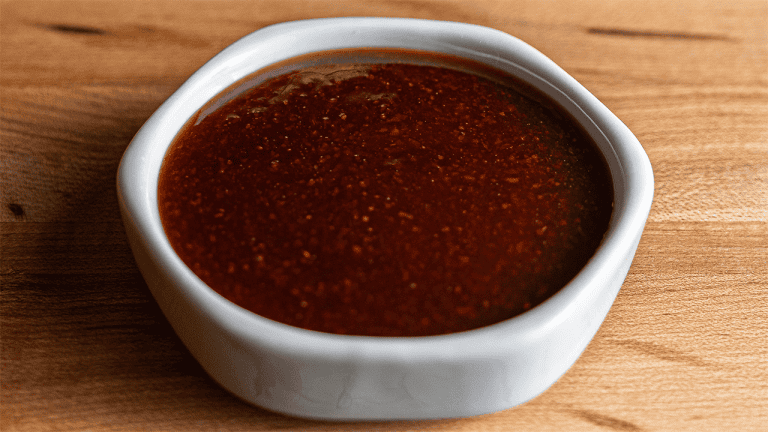
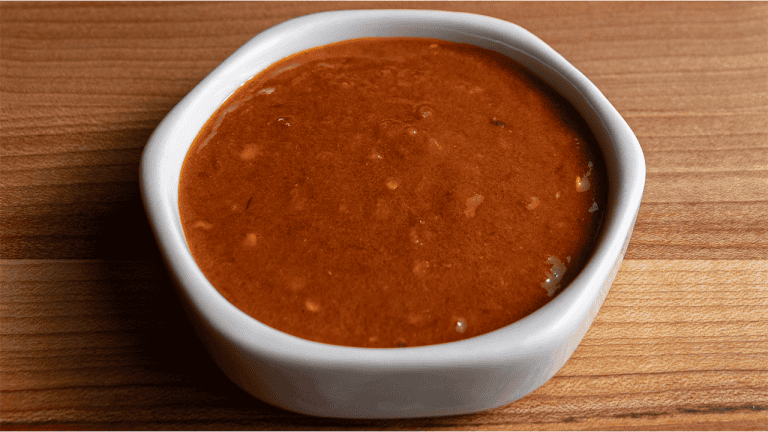
Every meal at Benihana starts with two dipping sauces. The mustard sauce goes with meat, and this ginger sauce goes with seafood. Benihana published the recipe on their own website, and the whole thing is six ingredients in a food processor.
The original recipe on their website was a larger batch. I halved it to a size that makes sense for a home kitchen, but the ratios are the same. The one thing worth knowing is that the sauce improves after a few hours in the fridge.
This post contains affiliate links, which means I may earn a small commission if you make a purchase. It doesn't cost you anything extra. Full disclosure.
Why This Benihana Ginger Dipping Sauce Recipe Works
- The actual Benihana recipe. Benihana published this recipe on their own website.
- Seasoned rice vinegar for the correct balance. Seasoned rice vinegar already has sugar and salt mixed in, which gives the sauce its sweet-tart balance without any extra steps.
- Lemon juice and lemon zest together. The juice provides acidity. The zest provides the citrus oils and aroma that juice alone doesn't have.
- No cooking required. Everything goes into a food processor, you pulse for about 30 to 60 seconds, and the sauce is done.
- Better the next day. The sauce works right away, but the flavor evens out after a few hours in the fridge. Making it the night before is the easiest approach.
Ingredients You'll Need
Soy sauce makes up the largest part of this recipe by volume. Kikkoman or any standard Japanese-style soy sauce works well. You don't want a Chinese dark soy or low-sodium version here.
Seasoned rice vinegar is the one ingredient you need to get right. Seasoned rice vinegar already has sugar and salt added to it. If you accidentally grab unseasoned rice vinegar, the sauce will taste too acidic. You can fix it by adding about a tablespoon of sugar and a pinch of salt, but seasoned is easier.
Ginger should be peeled and sliced thin before it goes into the food processor. Thin slices process more evenly, so you won't end up with large chunks in the finished sauce.
Onion gets sliced thin for the same reason. Regular yellow onion is what the recipe uses.
Lemon provides both juice and zest. Zest the lemon first, then juice it. A Microplane grater gives you the finest, most even zest.
How to Make Benihana Ginger Dipping Sauce
1. Slice the onion and ginger. You need 2.5 ounces of thinly sliced onion and 1 ounce of thinly sliced, peeled ginger.
2. Zest and juice the lemon. Zest first, then juice. You need the zest from one small lemon and 1.5 tablespoons of juice.
3. Add everything to the food processor. Onion, ginger, lemon juice, lemon zest, 1 cup soy sauce, and half a cup of seasoned rice vinegar. All at once.
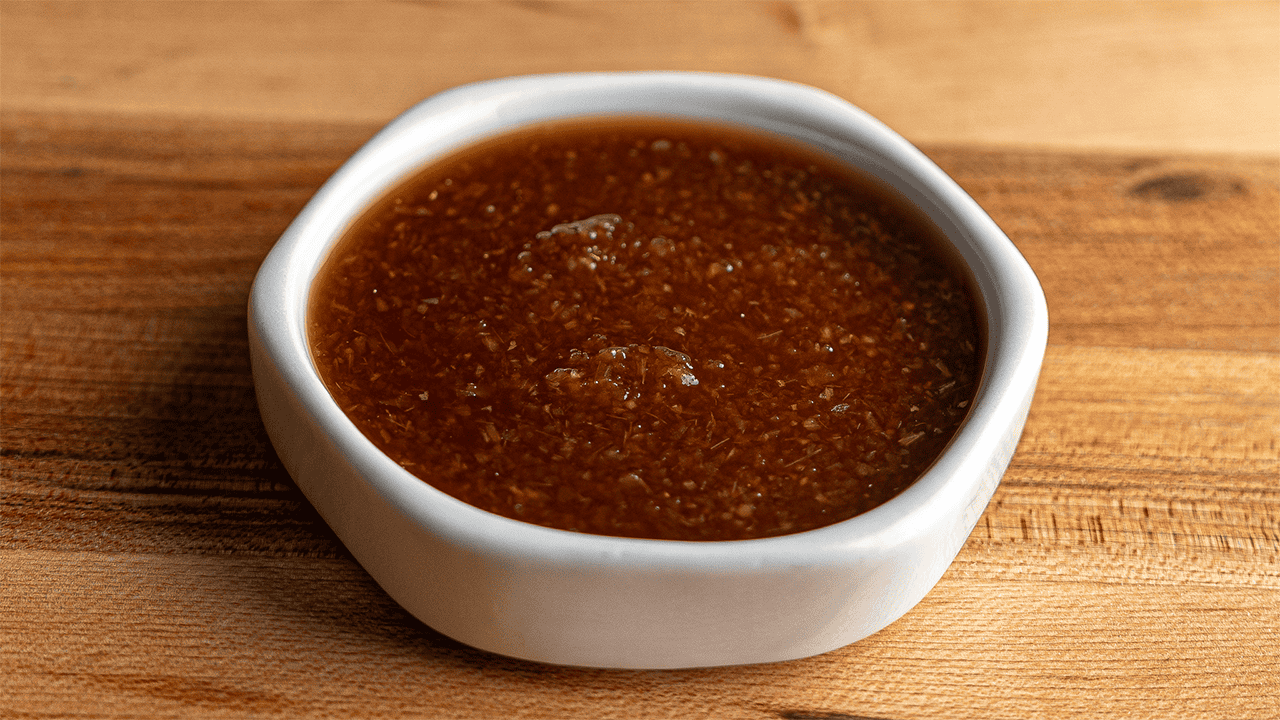
4. Pulse until chunky. About 20 to 60 seconds of pulsing. You want a chunky consistency with visible pieces of onion and ginger throughout. If you run the processor continuously, it'll turn into a smooth liquid, which isn't what you're after.
5. Transfer and refrigerate. Pour the sauce into a container and refrigerate for at least a few hours before serving. The sauce is usable right away, but the flavor improves after it sits.
Tips for the Best Benihana Ginger Dipping Sauce
If you're serving it right away, taste it first. Without time in the fridge, the sauce can lean tart from the raw ginger and onion. A small pinch of sugar takes the edge off. You shouldn't need much.
Pulse, don't blend continuously. Running the food processor nonstop turns this into a smooth liquid. Short bursts give you the chunky texture you get at the restaurant.
Storage
Store the ginger dipping sauce in an airtight container in the refrigerator for up to one week. The sauce is served cold, so there's no reheating needed. Give it a stir before serving since some separation is normal after sitting.
What to Serve With Benihana Ginger Dipping Sauce
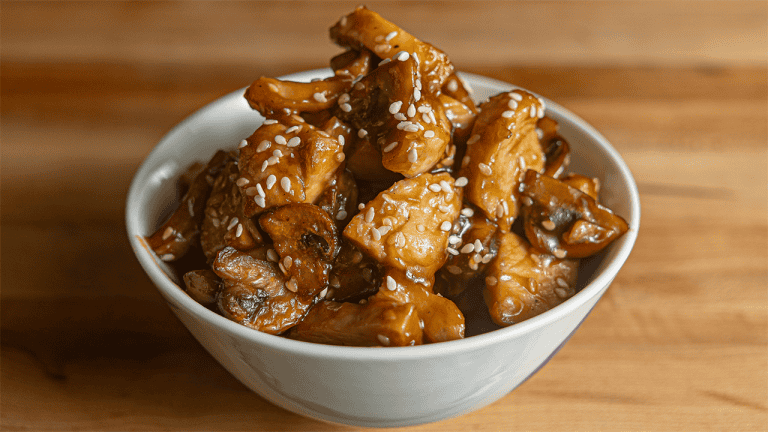
At Benihana, the ginger sauce is specifically the dipping sauce for seafood. It pairs well with Hibachi Shrimp, but it also works alongside Hibachi Chicken and Hibachi Steak.
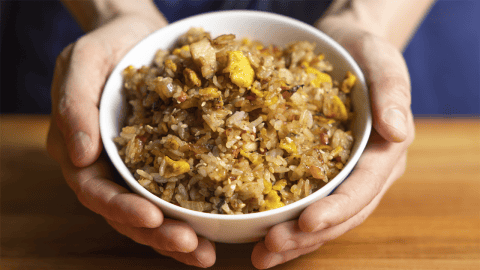
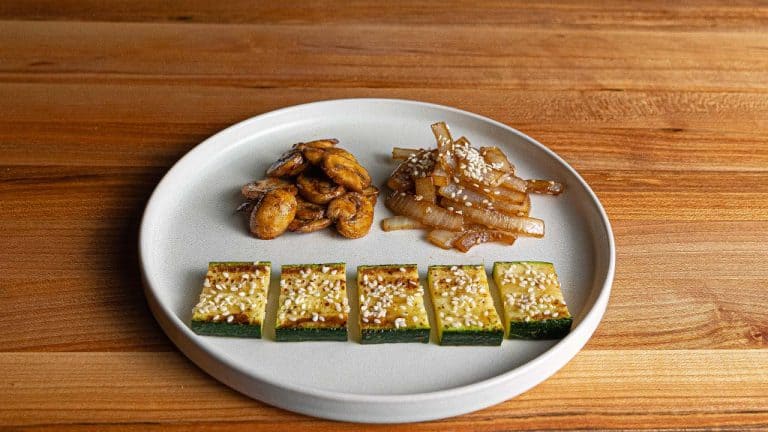
Serve it with the Benihana Mustard Dipping Sauce to recreate the full dipping sauce setup you get at the restaurant. Add Benihana Fried Rice and Hibachi Vegetables for a complete meal at home.
Frequently Asked Questions
Is Benihana ginger sauce the same as ginger salad dressing?
No. The ginger dipping sauce and the Benihana ginger salad dressing are two different recipes. The dipping sauce is soy-based with a chunky texture. The salad dressing is oil-based and smooth. They both use ginger, but that's about where the similarity ends.
Can I use unseasoned rice vinegar instead of seasoned?
You can, but you'll need to add about a tablespoon of sugar and a pinch of salt to make up for what seasoned rice vinegar already includes. Seasoned is easier because the balance is already there.
How long does Benihana ginger sauce last in the fridge?
Up to one week in an airtight container. The sauce actually tastes better after a day or two, so making it ahead works in your favor.
More Benihana Recipes
- Benihana Fried Rice
- Benihana Garlic Butter
- Benihana Hibachi Onion Soup
- Benihana Yakisoba
- Benihana Teriyaki Sauce
- Benihana Teriyaki Chicken
- Benihana Teriyaki Steak
- Benihana Spicy Teriyaki
- Hibachi Chicken
- Hibachi Steak
- Hibachi Shrimp
- Hibachi Vegetables
- Benihana Yum Yum Sauce
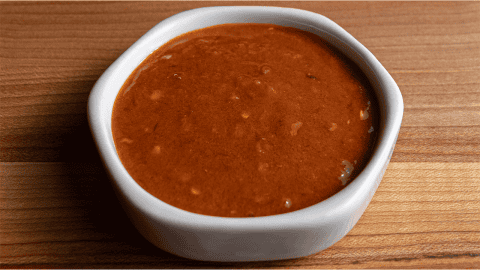
- Benihana Spicy Sauce
- Benihana Diablo Sauce
- Benihana Ginger Salad Dressing
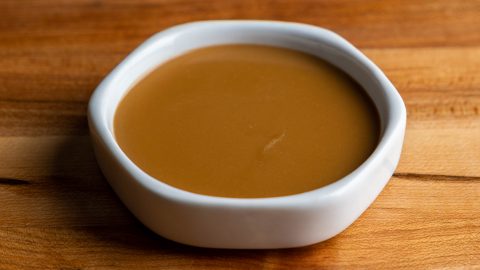
- Benihana Mustard Dipping Sauce
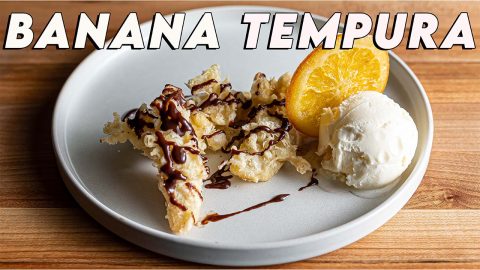
- Banana Tempura
- Every Benihana Recipe (Complete Guide)
More Japanese Recipes
More Teriyaki Recipes
Recipe
Benihana Ginger Dipping Sauce
Equipment
- 1 Blender or food processor or blender
- 1 Microplane Grater for lemon zest
- 1 Deli Containers for storage
Ingredients
- 2.5 oz onion thinly sliced
- 1 oz ginger peeled and thinly sliced
- 1.5 tablespoon lemon juice
- 1 lemon zest only
- 1 cup Japanese soy sauce Kikkoman or similar Japanese-style
- ½ cup seasoned rice vinegar contains sugar and salt; if substituting unseasoned, add 1 tablespoon sugar and a pinch of salt
Instructions
Prep
- Slice the onion thin. You need 2.5 ounces (70 grams).
- Peel and slice the ginger thin. You need 1 ounce (28 grams).
- Zest the lemon first, then juice it. You need the zest from one small lemon and 1.5 tablespoons (22 ml) of juice.
Blend
- Add the onion, ginger, lemon juice, lemon zest, soy sauce, and seasoned rice vinegar to a food processor.
- Pulse until the mixture is chunky but well-combined, about 20 to 60 seconds. Do not blend continuously or the sauce will become too smooth.
Finish
- Transfer the sauce to an airtight container and refrigerate for at least a few hours before serving. The flavor improves as it sits. If serving immediately, taste and add a small pinch of sugar if the sauce is too tart.
Video
Notes
This recipe calls for seasoned rice vinegar, which already contains sugar and salt. If you only have unseasoned rice vinegar, add about 1 tablespoon of sugar and a pinch of salt to compensate. Texture
Pulse in short bursts rather than blending continuously. The finished sauce should be chunky with visible pieces of onion and ginger, not a smooth puree. Storage
Store in an airtight container in the refrigerator for up to one week. Stir before serving, as some separation is normal. Make-Ahead
The sauce tastes better after sitting overnight. Making it the day before is ideal.