Benihana Ginger Salad Dressing Recipe
This Benihana salad dressing recipe might be the easiest thing on this entire site. Everything goes into a blender, you pulse it for about a minute, and the dressing is done.
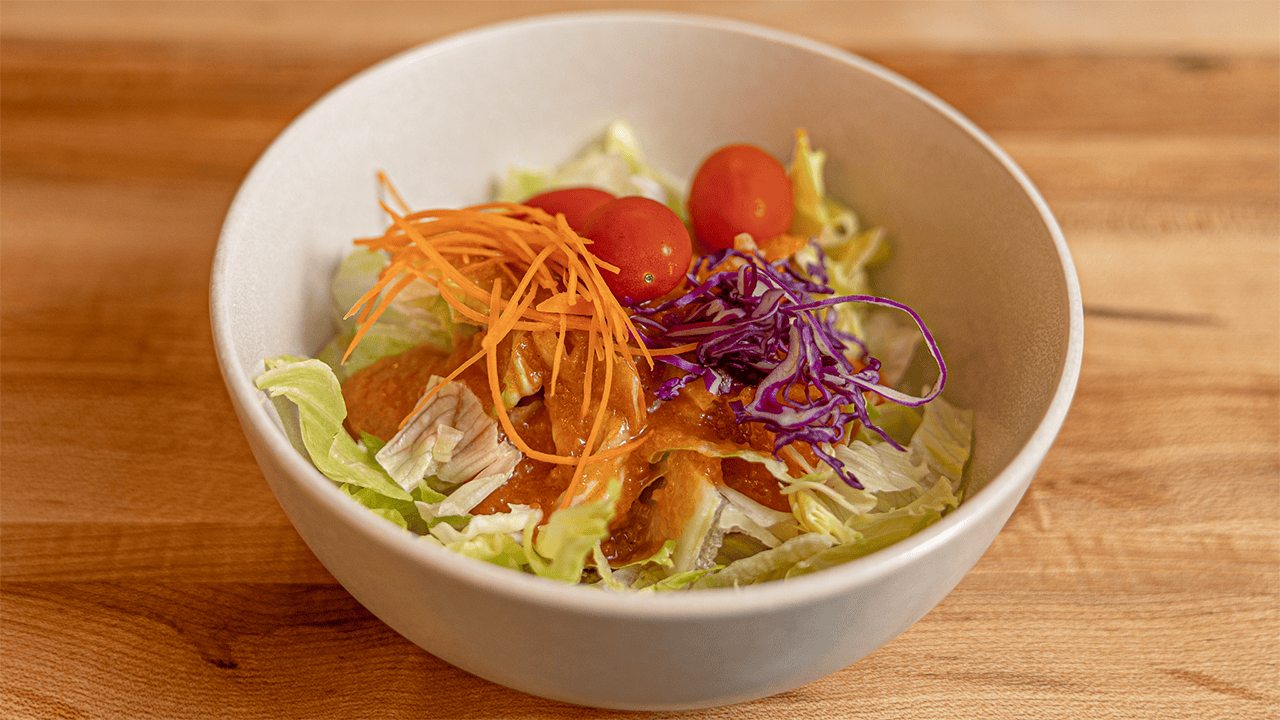
The dressing is the easy part. What makes the bigger difference at home is how you put the salad together. At the restaurant, they ladle dressing over plain lettuce and drop some cabbage and carrots on top. Half the bowl ends up with no dressing. Toss the lettuce with the dressing first, then plate it with a small dollop on top for the garnishes, and every bite actually has flavor.
This post contains affiliate links, which means I may earn a small commission if you make a purchase. It doesn't cost you anything extra. Full disclosure.
Why This Ginger Salad Dressing Recipe Works
- The exact Benihana recipe, not a guess. The actual ingredient list and ratios from the restaurant, including the tomato paste that most online versions leave out or replace with ketchup.
- About a minute of blender time. Everything goes in at once and gets pulsed until it's slightly chunky. You don't need to cook or reduce anything.
- A better serving method than the restaurant uses. Tossing the lettuce with dressing before plating means no dry, undressed bites at the bottom of the bowl.
- Lasts up to a week in the fridge. Oil-based, so it separates between uses and just needs a shake to come back together.
Ingredients You'll Need
Peanut oil is what Benihana uses, and it's a good choice because it's completely neutral. It won't compete with the ginger or vinegar. Any neutral oil like vegetable or canola works as a substitute.
Unseasoned rice vinegar provides the acidity. Make sure it's unseasoned, with no added sugar or salt. Seasoned rice vinegar will throw the whole balance off because it already has sugar in it.
Fresh ginger is what makes this taste like Benihana. Don't use ground ginger. It tastes totally different from fresh and won't give you the same dressing.
Tomato paste is the ingredient most online recipes leave out. It adds a little color and sweetness to the dressing without tasting like tomato at all. You can use 2 tablespoons of ketchup instead. If you do, cut the sugar down to half a tablespoon since ketchup already has sugar in it.
Soy sauce should be Japanese-style, like Kikkoman. Chinese light soy sauce is saltier and will change the flavor.
How to Make Benihana Ginger Salad Dressing
1. Prep the ingredients. Roughly chop the onion, ginger, and celery. They don't need to be uniform since the blender handles everything.
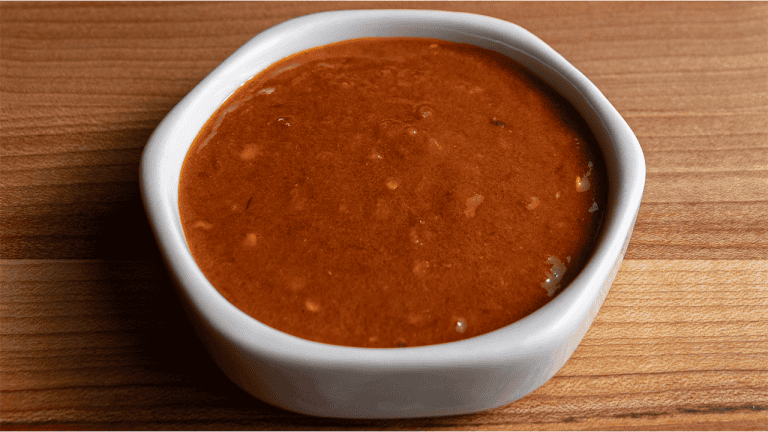
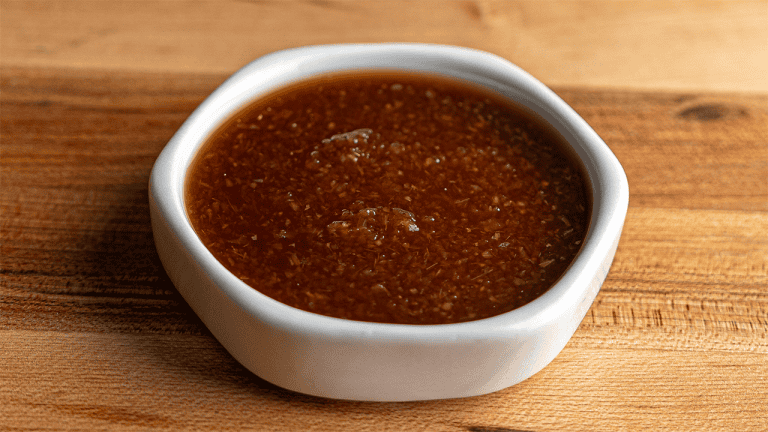
2. Blend everything together. Add all the dressing ingredients to a blender or food processor and pulse for about 30 to 60 seconds. You want the texture mostly smooth but still slightly chunky. The restaurant version has small visible flecks of ginger and onion throughout. Don't liquify it.
3. Refrigerate. Let the dressing sit in the fridge for at least a couple of hours so the flavors come together. It separates because it's oil-based, so shake it well before using.
4. Prep the salad. Cut the iceberg lettuce into bite-sized squares: halve it through the root, remove the core with diagonal cuts, slice each quarter into strips, then cross-cut. For carrots, a mandoline with the fine teeth attachment gives you the most even, thin shreds. If you don't have one, peel long strips with a vegetable peeler, stack a few strips together, and slice them into thin ribbons. For the cabbage, halve it, remove the core, and slice it as thin as you can.
5. Toss and serve. Toss the lettuce with the ginger dressing until every piece is coated. Place the dressed lettuce in a bowl, add a small dollop of extra dressing on top, and arrange the shredded cabbage, carrots, and tomato slices on the dollop. This way, even the garnishes pick up some flavor.
Tips for the Best Benihana Ginger Salad Dressing
Store cut lettuce in a sealed bag. Put the cut lettuce in a gallon-sized ziploc bag, roll the bottom of the bag up and over the top to push out as much air as possible, and zip it shut. It'll stay crisp for a few extra days compared to leaving it in a bowl or tupperware.
Use a mandoline if you have one. A mandoline with fine teeth gives you perfectly even, paper-thin shreds of carrot and cabbage in a fraction of the time. If you don't have one, the vegetable peeler method works. It just takes a bit longer.
Slice the cabbage paper-thin. Thick pieces of cabbage throw the texture off. You want slices thin enough that they almost dissolve into the salad. That's what they do at the restaurant.
Shake before every use. The oil and water-based ingredients separate in the fridge between uses. Ten seconds of shaking brings the dressing right back together.
What to Serve With Benihana Ginger Salad Dressing
This dressing goes on the house salad that starts every Benihana hibachi dinner. To put together the full appetizer spread, pair it with Benihana Hibachi Onion Soup.
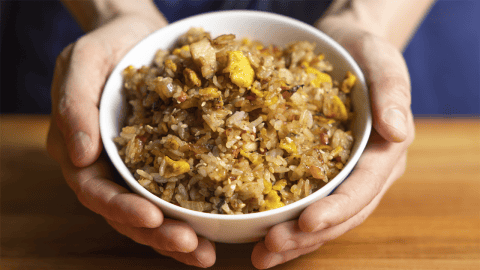
For the main course, any of the hibachi proteins work: Hibachi Chicken, Hibachi Steak, or Hibachi Shrimp. Serve alongside Benihana Fried Rice and Hibachi Vegetables for the complete hibachi dinner at home.
Storage and Reheating
The dressing keeps in the fridge for up to one week in a sealed container or jar. It separates every time it sits, so shake well before each use. I don't recommend freezing this dressing. The emulsion breaks down and the texture won't come back after thawing.
Frequently Asked Questions
Can I use a different oil instead of peanut oil?
Yes. Any neutral oil works here. Vegetable oil, canola oil, or grapeseed oil are all fine. The ginger and vinegar are the main flavors, so the type of oil doesn't change the dressing much.
Is Benihana's salad dressing the same as hibachi salad dressing?
They're the same thing. "Hibachi salad dressing" and "Japanese steakhouse salad dressing" are just what people call the ginger dressing served at teppanyaki restaurants like Benihana, Shogun, and Kobe. The recipe is very similar across most of these restaurants.
Can I make this without a blender or food processor?
You can grate the ginger on a microplane and mince the onion and celery as finely as possible, then whisk everything together. The texture will be chunkier than the restaurant version, but it'll taste the same.
More Benihana Recipes
- Benihana Fried Rice
- Benihana Garlic Butter
- Benihana Hibachi Onion Soup
- Benihana Yakisoba
- Benihana Teriyaki Sauce
- Benihana Teriyaki Chicken
- Benihana Teriyaki Steak
- Benihana Spicy Teriyaki
- Hibachi Chicken
- Hibachi Steak
- Hibachi Shrimp
- Hibachi Vegetables
- Benihana Yum Yum Sauce
- Benihana Spicy Sauce
- Benihana Diablo Sauce
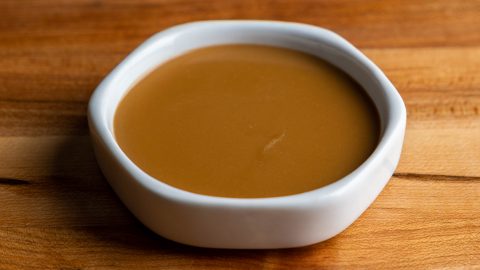
- Benihana Mustard Dipping Sauce
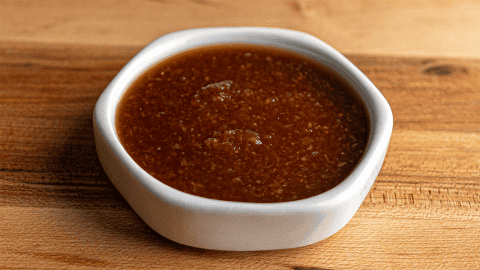
- Benihana Ginger Dipping Sauce
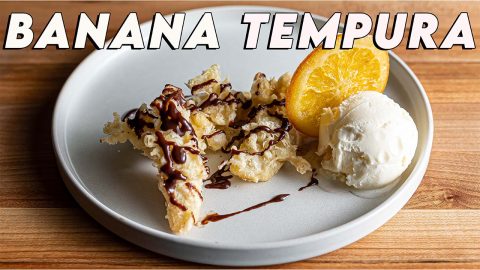
- Banana Tempura
- Every Benihana Recipe (Complete Guide)
More Japanese Recipes
More Teriyaki Recipes
Recipe
Benihana Ginger Salad Dressing
Equipment
Ingredients
- ½ cup white onion chopped
- ½ cup peanut oil
- ¼ cup unseasoned rice vinegar
- ¼ cup water
- 2 tablespoon fresh ginger finely chopped
- 2 tablespoon celery finely chopped
- 2 tablespoon Japanese soy sauce Japanese-style, such as Kikkoman
- 1 tablespoon tomato paste or substitute 2 tablespoons ketchup
- 1 tablespoon sugar reduce to ½ tablespoon (8g) if using ketchup
- 2 teaspoon lemon juice freshly squeezed
- ¼ teaspoon kosher salt plus extra to taste
- ⅛ teaspoon black pepper
Instructions
Make the Dressing
- Place all ingredients in a blender or food processor.
- Blend or pulse on high for 30 to 60 seconds, until the dressing is mostly smooth but still slightly chunky. Don't liquify it.
- Taste and adjust salt if needed.
- Transfer to a jar or sealed container and refrigerate for at least 2 hours before serving.
- Shake well before each use, as the oil and water will separate.