Hibachi Steak Recipe
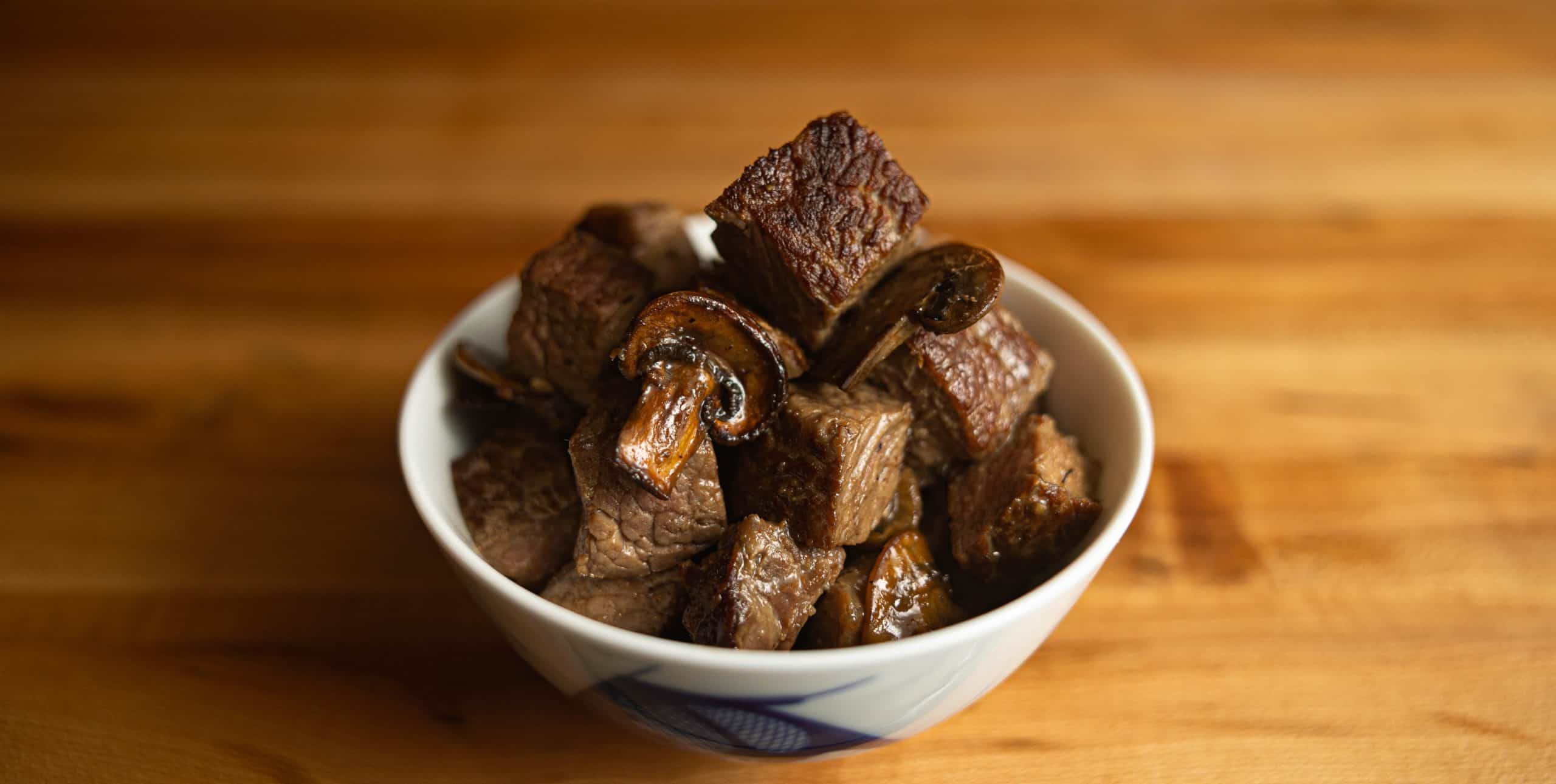
Nearly every hibachi steak recipe online tells you to cut the steak into pieces before cooking it. Small pieces of meat release more liquid and end up boiling in their own juices instead of getting a proper sear. At teppanyaki restaurants, the steak is cooked whole, seared on both sides, rested, and only then sliced into the bite-sized pieces you're used to seeing at the table.
I've made this recipe a lot, and the whole-sear method is a clear improvement over cutting the steak up first. You get a better crust, the steak stays juicier, and slicing it after it's rested gives you those clean, uniform cubes you see at the restaurant. Benihana's archived corporate recipe specifies a 7-ounce boneless sirloin, but at most teppanyaki restaurants today, you're getting choice grade New York strip. This recipe follows that standard.
This post contains affiliate links, which means I may earn a small commission if you make a purchase. It doesn't cost you anything extra. Full disclosure.
Why This Hibachi Steak Recipe Works
- The steak is seared whole, then sliced after resting. This is how teppanyaki restaurants actually cook it. Keeping the steak intact during the sear prevents it from releasing liquid and steaming in the pan.
- Choice grade New York strip is the standard restaurant cut. You don't need to upgrade to prime when the steak is going to be cut into bite-sized pieces and tossed in garlic butter. Choice gives you enough marbling for the price.
- The fat cap gets crisped separately before the sear. Holding it down in hot oil for 1-2 minutes renders the fat so it's not inedibly chewy. Most restaurants trim it off before serving, but crisped fat is worth keeping.
- Mushrooms are cooked in a separate step. If you cook mushrooms alongside the steak, they release water and the steak ends up steaming instead of searing. Cooking them first and adding them back at the end keeps the sear intact.
- Garlic butter goes in at the very end. One tablespoon melted over the hot steak and mushrooms coats everything without burning the butter or overcooking the garlic.
Ingredients You'll Need
New York Strip Steak. Choice grade is the sweet spot for hibachi. The serving size at most teppanyaki restaurants is 6-8 ounces per steak, and Benihana's archived corporate recipe specifies 7 ounces. Ask your butcher to cut the steaks ¾ inch (about 2 cm) thick. At that thickness, a single steak almost always lands in the right weight range. Prime is a fine upgrade if you want it, but for bite-sized pieces tossed in garlic butter, the extra marbling doesn't change the final dish the way it would on a whole steak you're eating with a knife and fork.
White Button Mushrooms. The standard mushroom at teppanyaki restaurants. Nothing exotic. You'll want 2 per steak, sliced into 6-8 thick pieces each. Thick slices hold up better during sautéing and give you a meatier texture in the finished dish.
Safflower Oil. Most teppanyaki restaurants use safflower oil on the flat top. Any neutral oil with a high smoke point works if you can't find it. Vegetable oil, canola, or avocado oil are all fine substitutes.
Hibachi Garlic Butter. This is what coats the steak and mushrooms at the very end, and it makes the dish. It's a simple blend of unsalted butter, garlic, and Kikkoman soy sauce. I have a full post with both the restaurant-scale and home-scale versions here: Benihana Garlic Butter. You only need one tablespoon per steak, so a small batch goes a long way.
Salt and Pepper. Kosher salt for the initial seasoning before the sear. Cracked black pepper added at the very end to finish.
How to Make Hibachi Steak
1. Cook the mushrooms first. Heat safflower oil in a nonstick pan over medium-high heat. Add the sliced mushrooms with a sprinkle of kosher salt and cook until all the water has released and evaporated. You want them dry and lightly browned, not wet and slippery. Set them aside in a container until you're ready to use them.
2. Sear the steak whole. In the same pan (or a fresh one), heat safflower oil over medium-high heat. Season the steak with kosher salt on both sides. If the steak has a fat cap, hold it down in the hot oil for 1-2 minutes to render and crisp the fat before searing the flat sides.
3. Cook each side for 2-5 minutes. The exact time depends on how done you want the steak. My advice is to undercook it slightly at this stage. You'll have a chance to finish cooking when you add the mushrooms and butter at the end.
4. Rest the steak for 5-10 minutes. Remove the steak from the pan and set it on a wire cooling rack over a baking sheet. Resting lets the juices redistribute through the meat instead of running out onto the cutting board the moment you slice it. This is one of the biggest advantages of the whole-sear method: the meat rests as a single piece, so it retains more moisture than it would as individual cubes.
5. Slice the steak. After resting, trim the fat cap off if you prefer (most restaurants do). Cut the steak into long strips, then make perpendicular cuts across those strips to create bite-sized cubes. Slicing after the sear gives you much cleaner, more uniform cuts than trying to dice raw steak before it hits the pan.
6. Finish the dish. Wipe out the pan and return it to medium heat. Add the steak cubes. If they need a little more cooking, let them go until they're where you want them. About one minute before they're done, add the cooked mushrooms and one tablespoon of garlic butter. Stir until the butter has completely melted and coated everything. Kill the heat and adjust the seasoning with kosher salt and cracked black pepper.
Tips for the Best Hibachi Steak
Crisp the fat cap before you sear the flat sides. If you just lay the steak down without rendering the fat first, you'll end up with a strip of chewy, rubbery fat on the edge. Holding it against the hot pan for 1-2 minutes makes it crispy enough to enjoy, or easy to trim off cleanly after cooking.
Undercook the steak slightly on the initial sear. You'll be putting the cubed steak back in the pan with the mushrooms and butter for about a minute. That extra heat finishes the cook. If you sear all the way to your desired doneness on the first pass, the steak will be overcooked by the time the butter melts.
Rest on a wire rack, not a plate. A plate traps steam underneath the steak and softens the bottom crust. A wire rack lets air circulate on all sides, which preserves the sear you worked for.
Choice grade is the right call for this recipe. It's what most teppanyaki restaurants use. The steak gets cut into small pieces and tossed in garlic butter, so the premium marbling in a prime steak doesn't come through the way it would on a whole ribeye. Select can work too, but choice is the consistent performer.
What to Serve With Hibachi Steak
Hibachi steak is usually part of a full teppanyaki dinner spread. Here are some of the other dishes you'd get at a restaurant like Benihana:
- Hibachi Chicken uses the same sear-whole, rest, and slice technique with chicken breast. Together with the steak, it covers the two most popular proteins on the hibachi menu.
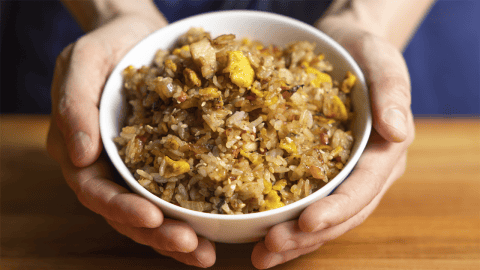
- Benihana Fried Rice is the classic side at every teppanyaki restaurant. Day-old rice cooked on the flat top with butter, soy sauce, and eggs.
- Benihana Hibachi Onion Soup is the broth-based soup you get before the main course at Benihana. Light, with caramelized onions and a fried onion topping.
- Benihana Yakisoba is the stir-fried noodle option if you want something alongside the rice.
- Benihana Garlic Butter is the compound butter used in this recipe and across the entire hibachi menu. Make a batch and store it in the fridge or freezer.
Storage and Reheating
Leftover hibachi steak keeps well in an airtight container in the refrigerator for 3-4 days. Reheat it in a hot pan over medium-high heat for 1-2 minutes, just long enough to warm it through. The microwave works in a pinch, but the sear on the steak loses its texture.
Freezing is not recommended. The steak's texture changes after thawing, and the mushrooms turn watery.
Frequently Asked Questions
What cut of steak do hibachi restaurants use?
Most teppanyaki restaurants use choice grade New York strip, also called strip steak. Benihana's archived corporate recipe specifies boneless sirloin at 7 ounces per serving, but the industry standard at most Japanese steakhouses today is strip steak cut ¾ inch thick, weighing 6-8 ounces. Either cut works well for this cooking method.
Do you need to marinate hibachi steak?
No. Traditional hibachi steak is not marinated. The steak is seasoned with kosher salt before cooking and finished with garlic butter at the end. That's all the flavor it needs. If you've seen recipes online calling for a soy sauce marinade, that's not how it's done at teppanyaki restaurants.
What is the difference between hibachi and teppanyaki?
Technically, hibachi refers to a charcoal grill and teppanyaki refers to cooking on a flat iron griddle. In the US, the terms are used interchangeably, and restaurants like Benihana are technically teppanyaki restaurants even though most people call the food "hibachi." This recipe uses a flat pan, which is closer to teppanyaki and is what the restaurants actually use.
More Benihana Recipes
- Benihana Fried Rice
- Benihana Garlic Butter
- Benihana Hibachi Onion Soup
- Benihana Yakisoba
- Benihana Teriyaki Sauce
- Benihana Teriyaki Chicken
- Benihana Teriyaki Steak
- Benihana Spicy Teriyaki
- Hibachi Chicken
- Hibachi Shrimp
- Hibachi Vegetables
- Benihana Yum Yum Sauce
- Benihana Spicy Sauce
- Benihana Diablo Sauce
- Benihana Ginger Salad Dressing
- Benihana Mustard Dipping Sauce
- Benihana Ginger Dipping Sauce
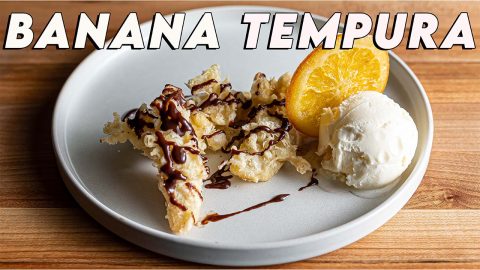
- Banana Tempura
- Every Benihana Recipe (Complete Guide)
More Japanese Recipes
More Teriyaki Recipes
Recipe
Hibachi Steak
Equipment
- 1 All-Clad Nonstick Pan For mushrooms and steak searing
- 1 Wire Cooling Rack For resting the steak
- 1 Baking Sheet Under the wire rack
- 1 Deli Containers For holding cooked mushrooms
Ingredients
- 1 New York strip steak 6-8 ounces, choice grade, ¾ inch thick
- 2 white button mushrooms sliced into 6-8 thick pieces each
- safflower oil or any neutral high smoke point oil
- 1 tablespoon garlic butter see Benihana Garlic Butter recipe
- kosher salt to taste
- black pepper freshly cracked, to taste
Instructions
Mushrooms
- Slice each mushroom into 6-8 thick pieces.
- Heat safflower oil in a nonstick pan over medium-high heat.
- Add mushrooms and a sprinkle of kosher salt to the pan.
- Cook until all water has evaporated and mushrooms are lightly browned. Set aside in a container.
Steak
- Heat safflower oil in a pan over medium-high heat.
- Season steak with kosher salt on both sides.
- If steak has a fat cap, hold it down in the hot oil for 1-2 minutes to render and crisp.
- Sear steak on each side for 2-5 minutes, or until slightly undercooked.
- Remove steak from pan and set on a wire cooling rack over a baking sheet. Rest for 5-10 minutes.
Final Assembly
- After resting, trim fat cap if desired. Cut steak into long strips, then make perpendicular cuts to create bite-sized cubes.
- Wipe out pan and return to medium heat.
- Add steak cubes to pan. If steak needs more cooking, cook to your liking.
- About 1 minute before done, add cooked mushrooms and 1 tablespoon garlic butter.
- Stir until butter has melted and coated steak and mushrooms.
- Remove from heat. Adjust seasoning with kosher salt and cracked black pepper.