American Teriyaki Chicken Recipe
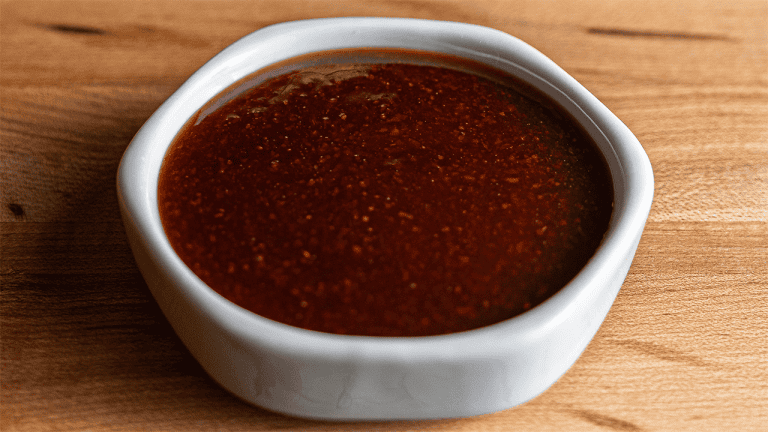
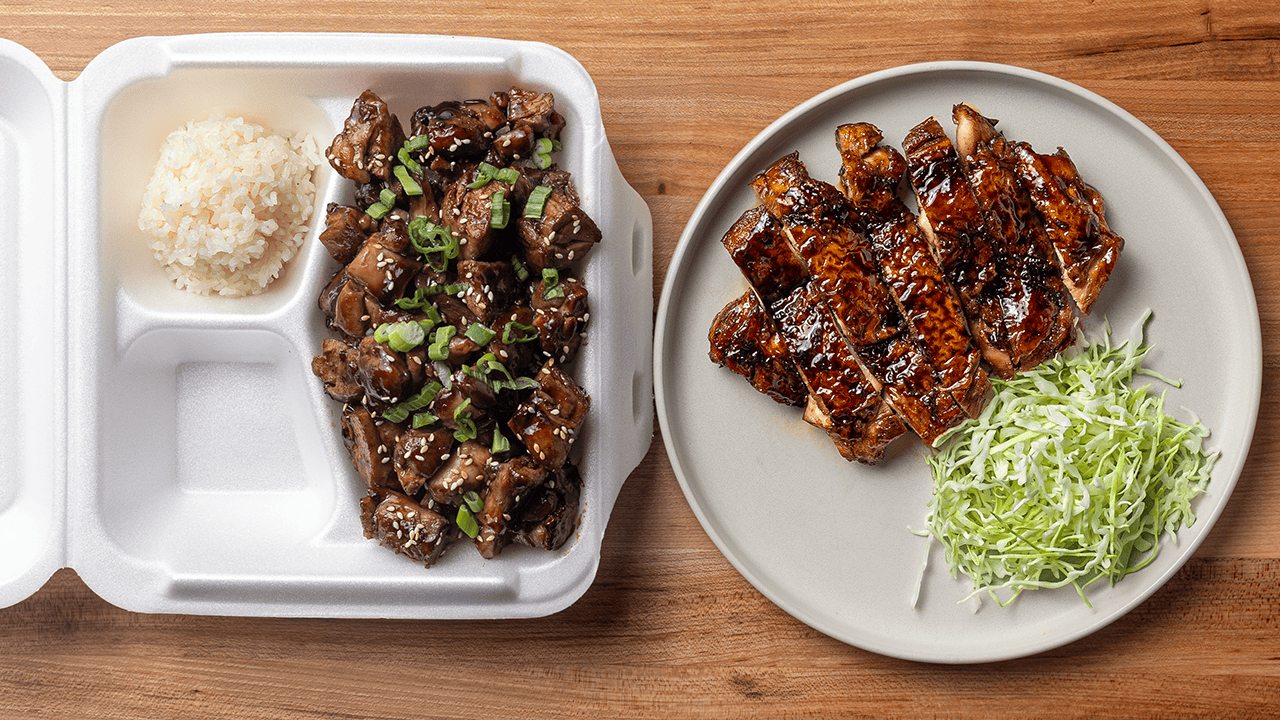
I spent three months researching teriyaki chicken and found out the American version and the Japanese original share a name and almost nothing else. The two ingredients that define Japanese teriyaki, mirin and sake, don't appear in most American recipes or in Kikkoman's bottled teriyaki sauce, the most popular one in America. This American teriyaki chicken recipe is the version most of us actually grew up eating: soy sauce, brown sugar, garlic, ginger, and cornstarch over seared boneless skinless chicken thighs, served on white rice.
I went through the top-rated American teriyaki recipes from Allrecipes, Food Network, Bon Appetit, NYT Cooking, and eight other sources. If you drew a through line between all of them, this recipe is the average. It's the one I make at home most often, and it's not trying to be the Japanese original. I have a separate recipe for that.
This post contains affiliate links, which means I may earn a small commission if you make a purchase. It doesn't cost you anything extra. Full disclosure.
Why This American Teriyaki Chicken Recipe Works
- The composite of the top-rated American recipes. I cross-referenced Allrecipes, Food Network, Bon Appetit, NYT Cooking, and eight other sources. Every ingredient in this sauce appeared in at least 60% of them. This isn't one person's version. It's what American home cooks agree teriyaki chicken is.
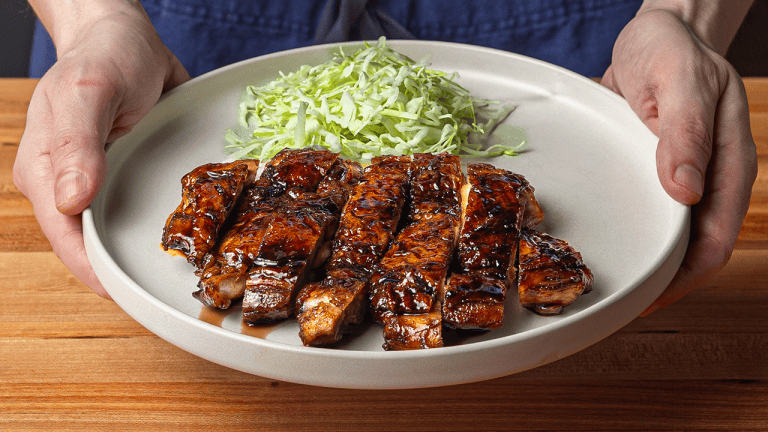
- Whole thighs, seared first, then sliced. Most American teriyaki recipes tell you to cut the chicken into chunks before cooking. That gives you more surface area, which means the meat dries out faster. Searing the thighs whole and cutting them after resting keeps the inside juicy and gives every piece a golden crust.
- Brown sugar for the sweetness Americans expect. The Japanese version uses white sugar. American recipes overwhelmingly use brown. The molasses makes the sauce taste like what you'd get from a takeout container or a bottle of Kikkoman.
- Cornstarch for the thick, gravy-like sauce. Japanese teriyaki gets its thickness from reducing mirin. American teriyaki gets it from cornstarch, which produces the thick coating that sticks to every piece of chicken. Two different techniques, two different results.
- No mirin, no sake, on purpose. Fewer than half of top-rated American teriyaki recipes include mirin. Sake appears in fewer than 10%. This recipe uses what the American tradition actually calls for: soy sauce, brown sugar, garlic, ginger, rice vinegar, sesame oil, and cornstarch.
Ingredients You'll Need
Soy sauce. Kikkoman naturally brewed is the standard. It shows up in every American teriyaki recipe. Kikkoman's bottled teriyaki sauce has 11 ingredients on the label, including wine and vinegar in place of sake and mirin. That bottle and this homemade sauce come from the same American tradition.
Brown sugar. Brown sugar shows up more than white sugar across the top-rated American teriyaki recipes. The molasses gives it that deeper, caramel-like sweetness that defines American teriyaki. If you've been using white sugar, switching to brown is the fastest way to make your homemade version taste like takeout.
Fresh garlic and ginger. Grated on a Microplane, not minced. You want them fine enough to dissolve into the sauce as it cooks. Garlic and ginger are in about 90% of American teriyaki recipes. They're what separates the American flavor from the Japanese one, where neither ingredient is traditional.
Cornstarch. This is what turns the sauce from a thin liquid into the thick glaze Americans expect from teriyaki. Whisk it into the cold sauce before cooking. Cornstarch settles to the bottom of the bowl pretty quickly, so give it another whisk right before you pour it into the pan.
Toasted sesame oil. A teaspoon goes a long way. It's there for aroma more than flavor, and about 60% of American teriyaki recipes include it.
Rice vinegar. Use unseasoned (seasoned has sugar and salt already mixed in). The vinegar adds a little acidity that keeps the sauce from being just sweet and salty. It's a small amount, but you'll notice if it's missing.
Boneless skinless chicken thighs. Left whole for searing, not cut into pieces. Thighs have more fat and connective tissue than breast, so they stay juicy through the searing and sauce stages. Leave them whole, sear them, and cut them into pieces after they rest.
How to Make American Teriyaki Chicken
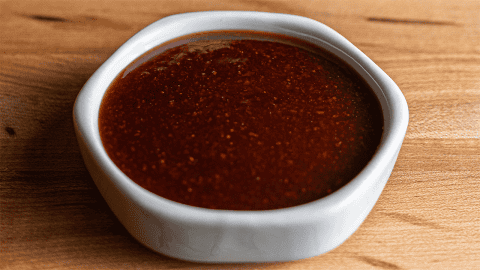
1. Mix the sauce. Whisk together soy sauce, brown sugar, garlic, ginger, rice vinegar, sesame oil, water, and cornstarch in a bowl. Make sure the sugar is dissolved and the cornstarch is fully mixed in. Set it aside.
2. Sear the chicken thighs whole. Pat the thighs dry and season both sides with salt and pepper. Heat vegetable oil in a large skillet over medium to medium-high heat. Lay the thighs in the pan and leave them alone for 5 to 6 minutes until the bottoms are golden brown. Flip and cook another 3 to 4 minutes until the internal temperature hits 165°F (74°C).
3. Rest, then cut. Move the thighs to a cutting board and let them sit for 2 to 3 minutes. Cut each thigh into roughly 1.5-inch pieces. Have everything ready before the sauce goes into the pan.
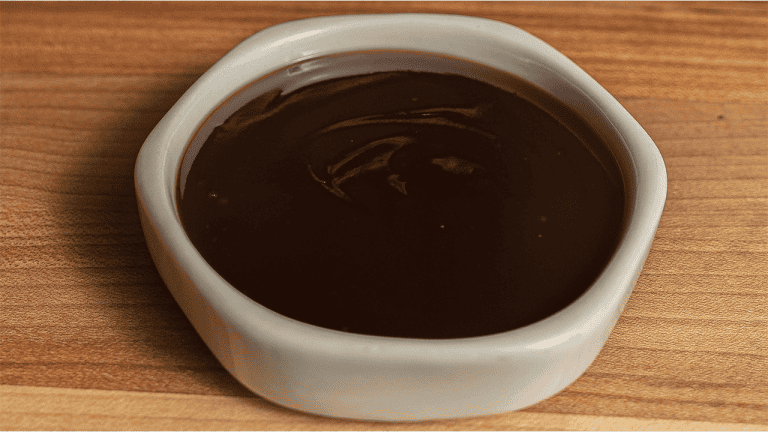
4. Make the sauce in the same pan. Turn the heat to medium. Give the sauce one more whisk because the cornstarch will have settled. Pour it into the skillet. The sauce will thicken and turn glossy in about 1 to 2 minutes. Stir occasionally to keep it from sticking.
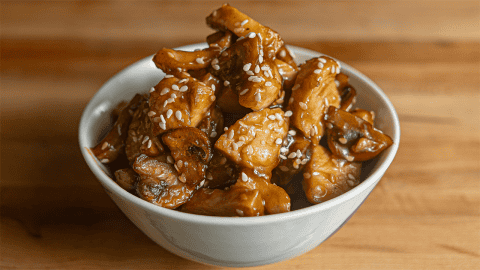
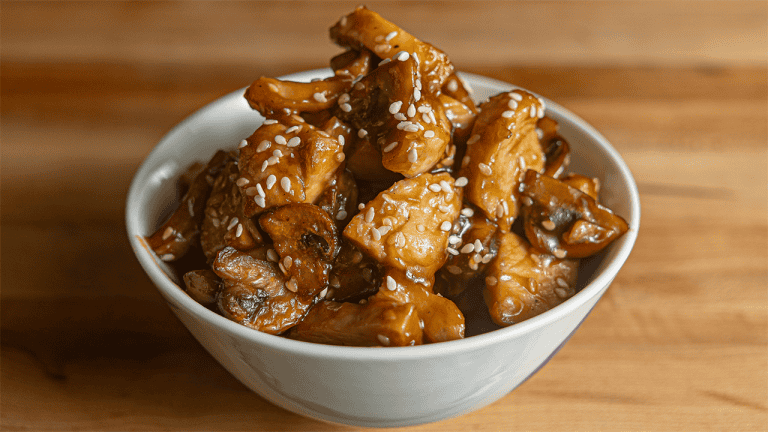
5. Toss the chicken back in. Add the cut chicken to the pan and toss until every piece is coated. Cook for about 30 seconds to let the glaze set.
6. Plate it. Spoon over steamed white rice and top with sesame seeds and sliced scallions.
Tips for the Best American Teriyaki Chicken
Whisk the sauce right before pouring. Cornstarch separates from liquid fairly quickly. If you mixed the sauce 10 minutes ago while the chicken was cooking, it's already settled to the bottom. One more whisk before it goes into the pan saves you from thin sauce and a clump of starch.
Keep the thighs whole during searing. Cutting chicken into small pieces before cooking gives you more exposed surface area, and the meat dries out faster. Searing whole thighs and cutting after resting gives you juicier meat with a real crust on every piece.
Don't overcook the sauce. Once the cornstarch activates, the sauce goes from thin to thick in about a minute. It keeps thickening as it cools, so pull the pan off the heat as soon as it coats the chicken and looks glossy. If you wait too long, the sugars start to burn and you'll taste it.
What to Serve With American Teriyaki Chicken
Steamed white rice is the standard. If you want something with more flavor, serve it over fried rice or alongside hibachi vegetables. A side salad or steamed broccoli finishes the plate.
Storage and Reheating
The chicken and sauce keep in the refrigerator for 3 to 4 days in an airtight container. Store the rice separately so it doesn't absorb the sauce and turn mushy. Reheat the chicken in a skillet over medium heat with a splash of water to loosen the sauce back up. Microwave works fine too, but the skillet keeps the texture better. I wouldn't freeze this one. The cornstarch sauce breaks down after thawing, and you end up with watery sauce and dry chicken.
Frequently Asked Questions
Can I use chicken breast instead of thighs?
You can. Boneless skinless breast cooks faster, about 3 to 4 minutes per side instead of 5 to 6. It'll be leaner but drier. If you go with breast, pull it at 160°F and let carryover cooking bring it to 165°F during the rest. Thighs are more forgiving and stay juicier.
Is this the same as Japanese teriyaki?
No. Japanese teriyaki uses a four-ingredient sauce (soy sauce, sake, mirin, sugar) and a layered glazing technique where the sauce reduces directly onto the chicken. No cornstarch, no garlic, no ginger. I have a full recipe for the Japanese version if you want to try both.
Can I just use Kikkoman teriyaki sauce from the bottle?
You can, but this homemade version takes about 2 minutes to mix and tastes better. Kikkoman's bottled teriyaki sauce has 11 ingredients, including wine and vinegar in place of sake and mirin. This homemade recipe and that bottle come from the same American tradition, but you have more control over sweetness and salt when you make it yourself.
More Japanese Recipes
More Benihana Recipes
- Benihana Fried Rice
- Benihana Garlic Butter
- Benihana Hibachi Onion Soup
- Benihana Yakisoba
- Benihana Teriyaki Sauce
- Benihana Teriyaki Chicken
- Benihana Teriyaki Steak
- Benihana Spicy Teriyaki
- Hibachi Chicken
- Hibachi Steak
- Hibachi Shrimp
- Hibachi Vegetables
- Benihana Yum Yum Sauce
- Benihana Spicy Sauce
- Benihana Diablo Sauce
- Benihana Ginger Salad Dressing
- Benihana Mustard Dipping Sauce
- Benihana Ginger Dipping Sauce
- Banana Tempura
- Every Benihana Recipe (Complete Guide)
Recipe
American Teriyaki Chicken
Equipment
- 1 Whisk
Ingredients
The Sauce
- ⅓ cup Japanese soy sauce Kikkoman, naturally brewed
- 3 tablespoon brown sugar
- 2 cloves garlic grated on a Microplane
- 1 teaspoon fresh ginger grated on a Microplane
- 2 teaspoon rice vinegar unseasoned
- 1 teaspoon toasted sesame oil
- ¼ cup water
- 2 teaspoon cornstarch
The Chicken
- 1 lb boneless skinless chicken thighs 2 to 3 thighs, left whole
- 1 tablespoon vegetable oil
- 1 pinch salt
- 1 pinch black pepper
Garnish
- 1 teaspoon sesame seeds
- 2 scallions thinly sliced
Instructions
Prep
- Whisk soy sauce, brown sugar, garlic, ginger, rice vinegar, sesame oil, water, and cornstarch in a bowl until sugar dissolves and cornstarch is fully incorporated. Set aside.
Cook
- Pat the thighs dry with paper towels. Season lightly with salt and pepper. Heat vegetable oil in a large skillet over medium to medium-high heat. Add the thighs in a single layer. Cook without moving for 5 to 6 minutes until golden brown on the bottom. Flip and cook another 3 to 4 minutes until cooked through (165°F / 74°C internal). Remove to a cutting board and let rest for 2 to 3 minutes.
- Cut the rested chicken into 1.5-inch pieces. Have everything cut and ready before the sauce goes in.
- Reduce heat to medium. Give the sauce a good whisk (cornstarch settles). Pour the sauce into the same skillet. Let it simmer for 1 to 2 minutes, stirring occasionally, until the sauce thickens and turns glossy.
- Return the chicken to the skillet. Toss to coat every piece. Cook 30 seconds more to let the glaze set.
Plating
- Serve immediately over steamed white rice. Top with sesame seeds and sliced scallions.