Beef Chow Fun Recipe (Dry-Fried Beef Ho Fun)
Almost every beef chow fun recipe online tells you to use fresh rice noodles. That's why this dish is so hard to make well at home. Good restaurants use a fresh rice noodle called ho fun, and fresh ho fun noodles have to be used the same day they're made or they stiffen and turn brittle. I went to six Asian grocery stores in Houston, which has one of the biggest Chinatowns in the country, and couldn't find it at any of them.
What those stores did have was fresh Vietnamese banh pho, which looks a lot like ho fun. But every package I tried either stuck to my wok and shredded or turned into mush. The noodle that worked was a dried one: extra-large dried flat rice noodles, soaked in room-temperature water for 90 minutes. They stayed whole the first time I cooked them and every time after that, and you can find them at pretty much any Asian grocery store.
This post contains affiliate links, which means I may earn a small commission if you make a purchase. It doesn't cost you anything extra. Full disclosure.
Why This Beef Chow Fun Recipe Works
- Extra-large dried rice noodles in place of fresh. The fresh noodles you can buy in the US have usually been refrigerated, which makes them hard to separate and easy to break, and the dried ones stayed in one piece in every batch I cooked.
- A room-temperature soak with no heat. Boiling water cooks the noodles all the way through before they go into the wok, and when I weighed them, 225 g of dry noodles came out to 396 g after 90 minutes in tap water and only 426 g after 20 hours, so anywhere from 90 minutes to overnight gives you the same noodle.
- The noodles go on top of the aromatics. Most recipes have you push the vegetables to the side, but when I did that the noodles stuck to the bare metal, so the scallions and leeks stay underneath them to prevent them from sticking to the wok.
- Baking soda in the marinade and a hard sear on the beef. A quarter teaspoon of baking soda keeps flank steak tender, and pressing the slices into a single layer and leaving them alone lets them brown on a home burner.
- A blowtorch for wok hei. A few passes of the flame over the finished noodles gives them the smoky flavor you'd normally only get from a restaurant burner.
Ingredients You'll Need
The full list with exact amounts is in the recipe card at the bottom of the post. These are the ingredients that need some explanation.
Extra-large dried flat rice noodles. You want the ones that are about 10 mm wide. The size letters on these bags are all over the place, so look at the noodle through the bag before you buy it. The ingredients should be just rice flour and water, which is all traditional ho fun is made from anyway. Most Asian grocery stores have them on the dried foods aisle. If you can't find them locally, The Mala Market sells dried ho fun noodles that are made in Guangdong, where this dish comes from.
Flank steak. This is what most Cantonese recipes call for. Most of the tenderness comes from the baking soda, so if a less expensive cut like top round is on sale, that'll work too.
Baking soda and cornstarch. Baking soda keeps the beef tender in the high heat of wok cooking. You'll often hear that cornstarch tenderizes meat. All it really does is form a thin coating that keeps the juices in and keeps the slices from sticking to each other in the wok.
Light and dark soy sauce. Chinese light soy sauce is the salty one. Dark soy sauce is thicker and less salty, and it's what gives the noodles their characteristic brown color.
Table salt and MSG. The full teaspoon of salt in the sauce is not a typo. Soaked rice noodles have no seasoning of their own, and the soy sauce alone isn't enough to season that many of them. I cooked this dish three times and raised the salt each time before it tasted right. The half teaspoon of MSG can be left out, but the dish won't taste as savory.
Sugar. A lot of traditional recipes use little or no sugar in the sauce. I've found most takeout places add some to balance the salty ingredients, and it's also what caramelizes on the noodles if you want some char.
Leeks, scallions and bean sprouts. Traditional chow fun uses a type of Chinese chive that's hard to find in the States, and leeks are about the closest thing to them. My friend's dad, who taught me this dish, always used leeks. If you don't feel like buying one, a regular yellow onion or a shallot will work too.
How to Make Beef Chow Fun
- Soak the noodles. Put 8 oz (225 g) of dried noodles in a large bowl and cover them with room-temperature tap water so they're completely submerged. Leave them for at least 90 minutes. You don't really have to set a timer, because you can test them: they're ready when you can wrap one around your finger without it breaking.
- Rinse, dry and oil them. Drain the noodles and rinse them under cold running water while you pull the strands apart. There's still some starch on the surface, and rinsing it off is what keeps them from clumping together in the bowl. Lay them out on a towel and get them as dry as you can, because wet noodles steam in the wok and turn to mush. Toss them with a teaspoon or two of neutral oil. You should end up with about 14 oz (400 g).
- Slice and marinate the beef. Slice the flank steak thin against the grain with your knife tilted at an angle, which gives you wider slices. Massage the baking soda into the meat for a full minute before anything else goes in, because it needs direct contact with the beef. Then mix in the rest of the marinade and let it sit for at least 15 minutes.
- Mix the sauce and prep the vegetables. Whisk the sauce until all of the dry ingredients have dissolved. Cut the leek into long thin strips so it's about the same shape as the chives it's replacing, and smash the scallion whites before you split them. Set everything next to the stove in the order it goes into the wok, because once the wok is hot there's no time to go looking for anything.
- Sear the beef. Heat the dry wok over high heat until it just starts lightly smoking, turn off the heat, and swirl in a tablespoon of oil. This is a Chinese technique called long yau, which means hot wok, cold oil, and the thin film of oil acts like a temporary nonstick coating. Turn the heat back on to medium-high, press the beef into a single layer, and leave it alone until one side has some nice color. Pull it out when it's about 80 to 90 percent done.
- Cook the aromatics, then put the noodles on top of them. Heat the wok back up until it's smoking, turn off the heat, swirl in the second tablespoon of oil, and bring it back to medium-high. Sauté the scallion whites for 15 to 20 seconds, then add the leek and stir-fry it for 20 to 30 seconds. Put all of the noodles on top of the vegetables and toss everything together with chopsticks. A spatula or tongs tend to break the noodles up. Let them sit for about a minute so they can pick up a little color, then keep tossing gently until they turn soft and pliable.
- Add the beef back, then the sauce. Toss the beef with the noodles for 15 to 20 seconds so it can finish cooking, then pour the sauce over everything and keep tossing. Pour the sauce in last on purpose. It's mostly liquid, and if you add it any earlier the noodles steam in it and don't fry. Once every noodle has gone from white to brown, you'll know they're all coated.
- Add char if you want it. For a little char, leave the noodles on the heat a bit longer. Once the liquid cooks off, the sugar in the sauce starts to caramelize where the noodles are touching the metal, and you'll see little dark spots forming on the edges. For actual wok hei, turn off the heat and get a blowtorch. It's a trick I learned from J. Kenji López-Alt. Keep the flame about four to six inches above the noodles and keep it moving while you toss them with your chopsticks.
- Finish and serve. Kill the heat if it's still on, toss in the scallion greens and bean sprouts, and mix everything together. With the heat off, they wilt a little from what's left in the wok and stay crunchy. Serve it right away, because this dish is at its best in the first couple of minutes.
Tips for the Best Beef Chow Fun
Weigh the noodles dry. The 14 oz (400 g) in this recipe is the weight of the noodles after soaking. Dried rice noodles come close to doubling in weight, so you only need 8 oz (225 g) out of the bag.
If it tastes too salty, cut the salt before you change anything else. Some brands of soy sauce are saltier than others. Drop the table salt to ¾ teaspoon and leave everything else where it is.
Keep the vegetables small. The amounts look small on purpose, because the noodles and beef are the dish.
What to Serve With Beef Chow Fun
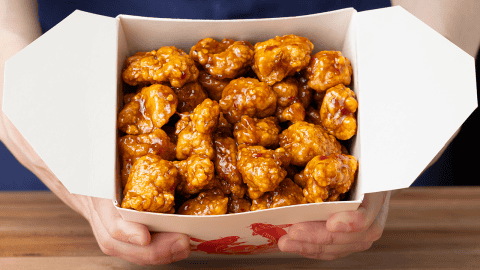
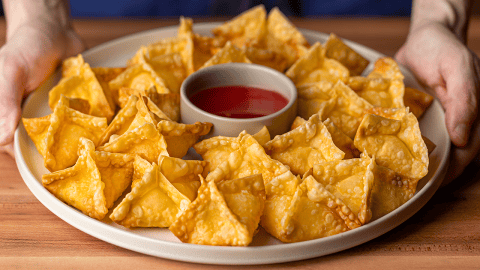
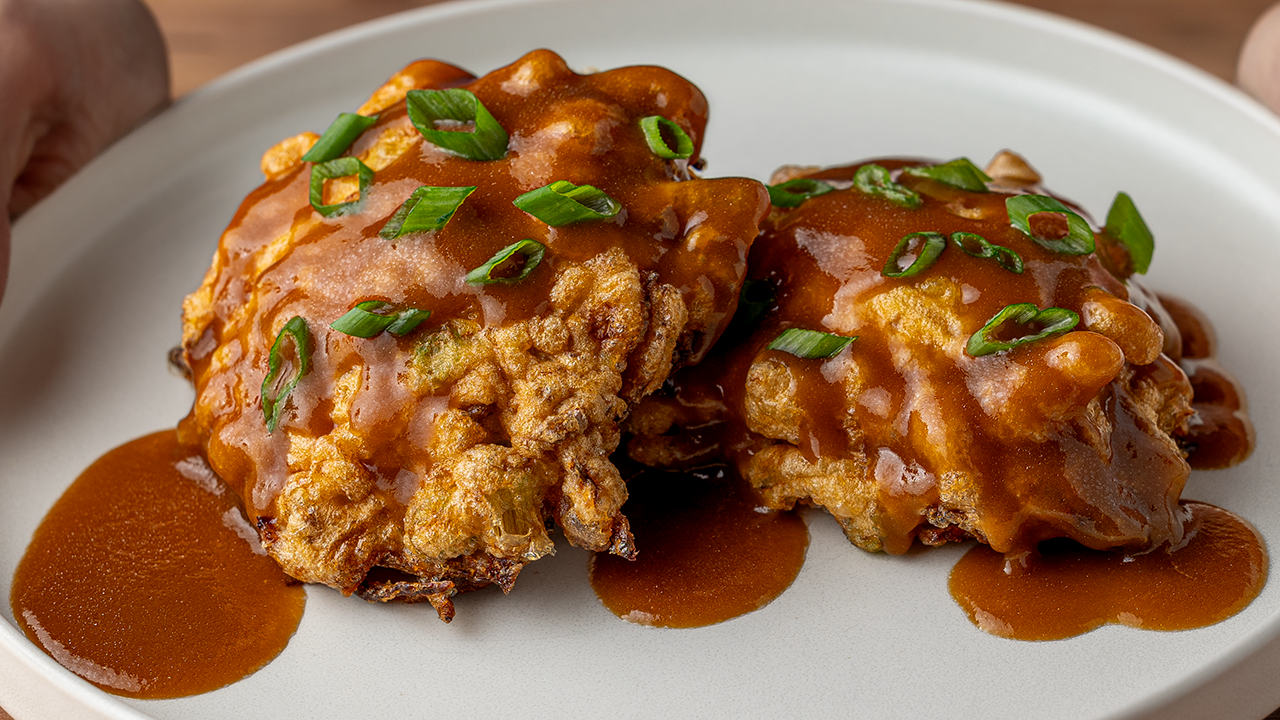
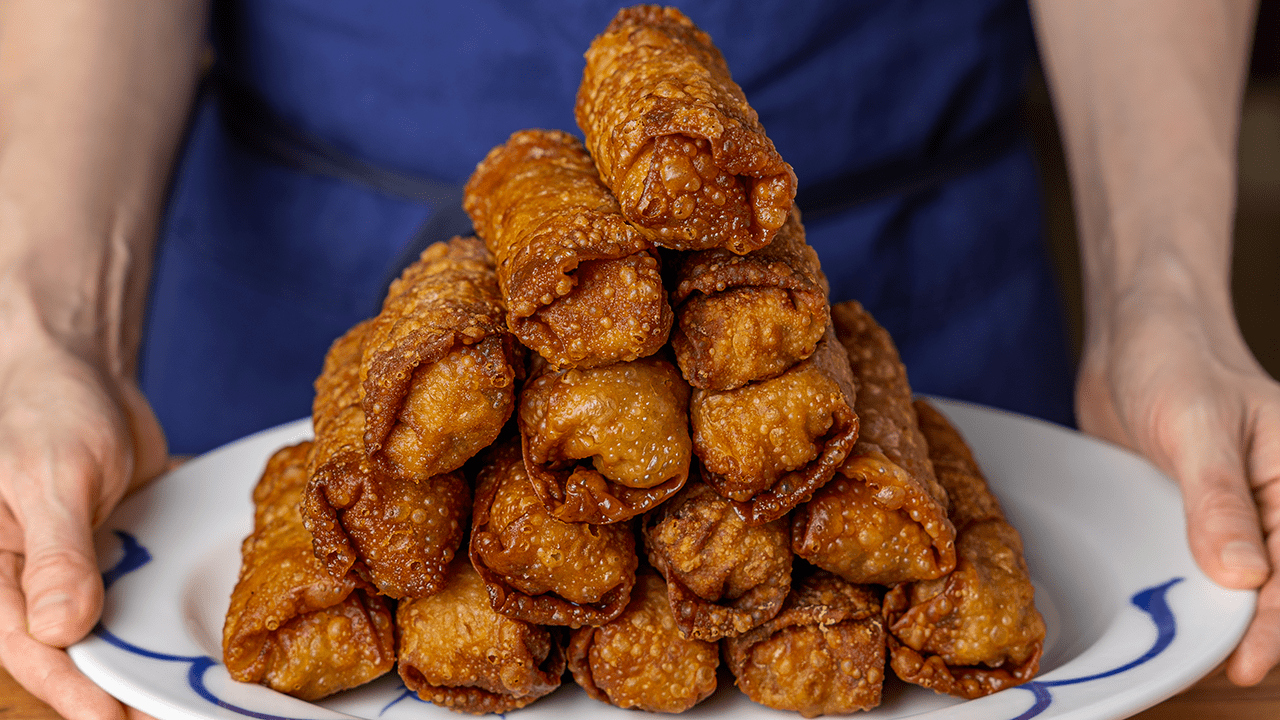
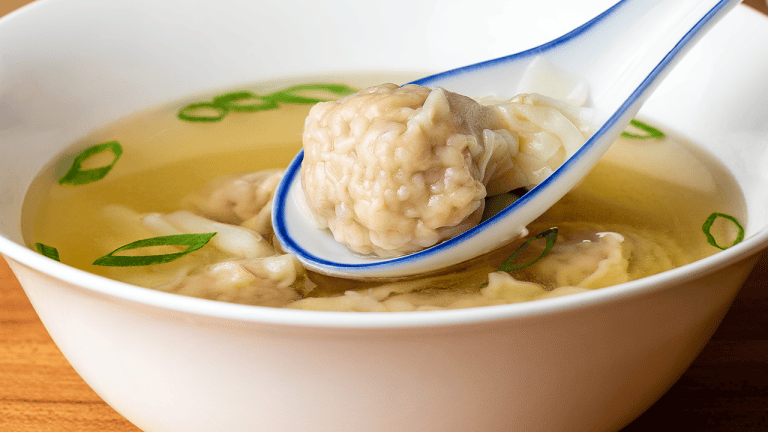
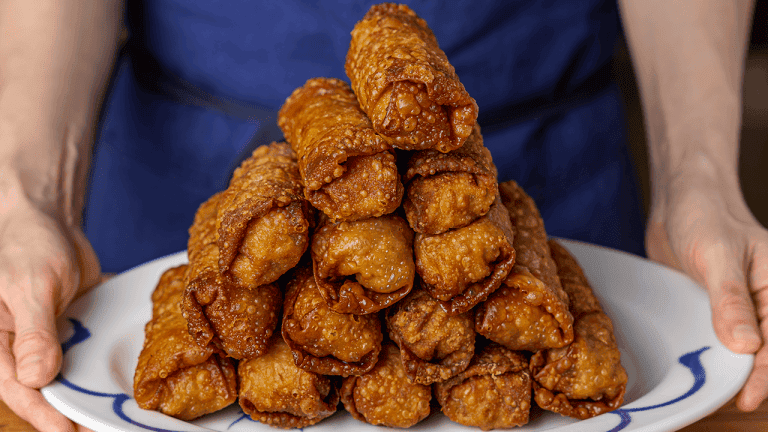
Beef chow fun is a full meal without anything else. If you're putting together a takeout-style dinner at home, start with egg drop soup or wonton soup, and put out egg rolls or crab rangoon on the side.
Make-Ahead and Storage
The noodles are the part worth making ahead. Soak, rinse and dry them, toss them with oil, and keep them in a covered container in the fridge for a couple of days. Unlike fresh noodles, they won't firm up in the fridge, because they still aren't fully cooked. That way you're not spending an hour and a half soaking noodles every time you want chow fun.
The beef can marinate in the fridge overnight, and the sauce can be mixed a day ahead. The finished dish doesn't keep well, so cook it right before you plan to eat it.
Frequently Asked Questions
Are ho fun and chow fun the same thing?
Ho fun is the noodle, a wide flat rice noodle from Guangdong. "Chow" means stir-fried, so chow fun is the finished dish. You'll also see the noodle spelled hor fun, and the dish called both beef chow fun and beef ho fun. They all mean the same thing.
What does "dry-fried" mean?
There are two main versions of beef chow fun. The dry-fried one, gon chow ngau ho in Cantonese, is seasoned with soy sauce and has no sauce left on the plate. The wet version comes covered in a thick gravy, and one common version of it uses black bean sauce. This recipe is the dry-fried one, which is the version you'll see most often.
What's the difference between chow fun and lo mein?
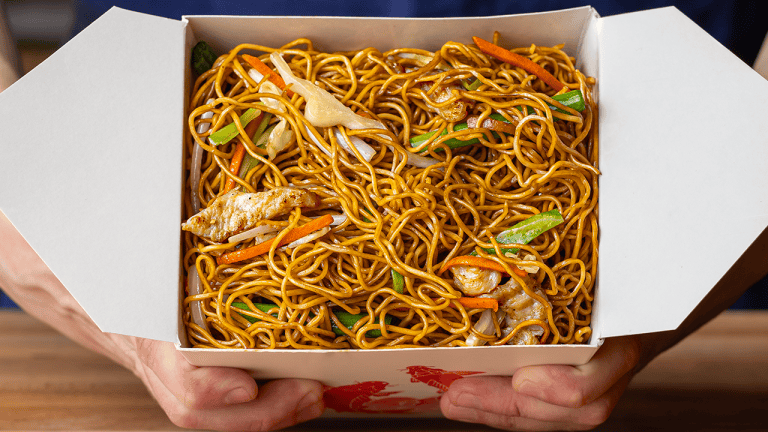
Chow fun is made with wide rice noodles, and lo mein is made with wheat-based egg noodles that are tossed in a sauce. If you want to make that one too, I have a Chinese takeout lo mein recipe and a video that shows the exact noodles takeout restaurants use. I also have a chow mein recipe.
Can I use fresh ho fun if I can find it?
Yes. If you live near a shop that makes ho fun every morning, that's the noodle this dish was made for. Use it the day you buy it and keep it out of the fridge, because refrigerating it makes it firm up even faster than leaving it out at room temperature.
More Chinese Takeout Recipes
- Chinese Takeout Lo Mein
- Chinese Takeout Chow Mein
- Chinese Takeout Fried Rice
- Chinese Takeout Hot and Sour Soup
More P.F. Chang's Recipes
Recipe
Dry-Fried Beef Chow Fun
Equipment
- 1 Cooking Chopsticks For tossing the noodles without breaking them
- 1 Blowtorch Optional, for wok hei
- 1 Large Mixing Bowls For soaking the noodles
- 1 Whisk
- 1 Colander For draining the noodles
- 1 Glass Food Storage Containers For storing soaked noodles
Ingredients
The Noodles
- 8 oz dried flat rice noodles extra-large, about 10 mm wide
- 1-2 teaspoon neutral oil for tossing after the soak
The Beef and Marinade
- 7 oz flank steak sliced thin against the grain (top round works too)
- ¼ teaspoon baking soda
- 1 teaspoon cornstarch
- 1 teaspoon soy sauce Chinese light soy sauce
- 1 teaspoon dark soy sauce
- ½ teaspoon Shaoxing cooking wine
- ¼ teaspoon granulated sugar
- 1 pinch table salt
- 1 teaspoon neutral oil
The Sauce
- 1 tablespoon soy sauce Chinese light soy sauce
- 2 teaspoon dark soy sauce
- 1 tablespoon Shaoxing cooking wine
- 1 teaspoon table salt not a typo, see Notes
- ½ teaspoon MSG Aji-No-Moto
- ½ teaspoon granulated sugar
- 1 pinch white pepper
The Vegetables
- 1 ¾ oz leek white and light green part, cut into long thin strips
- ¾ oz scallion whites and light greens, smashed flat, then split lengthwise
- ½ oz scallion greens 2-inch lengths
- 1 ½ oz mung bean sprouts
The Stir-Fry
- 2 tablespoon neutral oil 1 tablespoon for the beef, 1 tablespoon for the noodles
Instructions
Soak the Noodles
- Put the dried noodles in a large bowl and cover them with room-temperature tap water so they're completely submerged. Soak for at least 90 minutes, or overnight. No boiling water, no hot soak, no heat at any point.
- The noodles are ready when you can wrap one around your finger without it breaking. Drain them, then rinse under cold running water while pulling the strands apart with your hands. Rinsing off the surface starch is what keeps them from clumping, so keep going until every strand is loose.
- Spread the noodles on a towel and dry them really well. Wet noodles steam in the wok instead of charring. Toss with 1 to 2 teaspoon neutral oil so they don't stick to each other. You should end up with about 14 oz (400 g).
Marinate the Beef
- Cut the flank steak with the grain into strips about 1 ½ inches wide. Turn each strip 90 degrees, tilt your knife at an angle, and slice thin against the grain. Cutting against the grain keeps the beef from being chewy, and the angle gives you wider slices for the marinade.
- Sprinkle the baking soda over the beef and massage it into the meat for a full minute before anything else goes in. Baking soda keeps the beef tender in the high heat of wok cooking.
- Add the cornstarch, soy sauce, dark soy sauce, Shaoxing wine, sugar, salt and neutral oil, and mix until every slice is coated. Let it sit for at least 15 minutes, or overnight in the fridge.
Make the Sauce
- In a small bowl, combine the salt, MSG, sugar and white pepper. Pour in the soy sauce, dark soy sauce and Shaoxing wine, and whisk until all the dry ingredients have dissolved.
Prep the Vegetables
- Trim the root and the dark green top off the leek. Make a shallow cut down the length of it, just deep enough to get through the first couple of layers, and peel those off. Wipe out any sand trapped between the layers.
- Cut the leek across into 2-inch pieces, then cut each piece lengthwise, press it flat with your hand, and slice it into long thin strips.
- Smash the scallion whites and light greens flat with the side of your knife, then split them in half lengthwise. Smashing breaks up the fibers so they give more of their flavor to the oil. Cut the green tops into 2-inch pieces and keep them separate for the end.
- Set everything next to the stove in the order it goes in: beef, scallion whites, leek, noodles, sauce, then scallion greens and sprouts. Once the wok is hot there's no time to go looking for anything.
Sear the Beef
- Heat a dry wok over high heat until it just starts lightly smoking. Turn off the heat, add 1 tablespoon neutral oil, and swirl it around to coat the whole wok. This is long yau, or hot wok, cold oil: the oil spreads into a thin film that acts like a temporary nonstick coating.
- Turn the heat back on to medium-high and add the beef, pressed into a single layer. Leave it alone so one side gets some color. On a home burner, stirring constantly keeps the beef from browning.
- Keep cooking until the beef is about 80 to 90 percent done, which should only take a few minutes. Move it to a small bowl and set it aside.
Stir-Fry the Noodles
- Heat the wok back up until it's smoking, turn off the heat, swirl in the second 1 tablespoon neutral oil, and bring it back up to medium-high.
- Once it's hot, add the scallion whites and saute them for 15 to 20 seconds to flavor the oil. Add the leek and stir-fry for 20 to 30 seconds.
- Put all the noodles on top of the aromatics instead of pushing the vegetables aside. The layer of vegetables underneath keeps the noodles off the bare metal so they don't stick. Toss them gently with chopsticks to mix; a spatula or tongs tend to break the noodles.
- Let the noodles sit for about a minute to pick up some color, then keep tossing gently until they're soft and pliable.
- Add the beef back in and toss for 15 to 20 seconds to finish cooking it. Pour the sauce over the noodles and keep tossing until every noodle has gone from white to brown. The sauce goes in last so the noodles fry instead of steaming.
Add Char (Optional)
- For a little char, leave the noodles on the heat a bit longer. Once the liquid cooks off, the sugar in the sauce caramelizes where the noodles touch the metal, and you'll see small dark spots forming on the edges.
- For real wok hei, turn off the heat and hit the noodles with a blowtorch while tossing them with chopsticks. Hold the flame 4 to 6 inches above the noodles and keep it moving instead of leaving it in one spot. The flame makes the oil on the surface of the noodles combust, which gives the dish its smoky flavor.
Finish and Serve
- Turn off the heat if it's still on. Add the scallion greens and bean sprouts and toss a few times. The heat left in the wok wilts them a little and keeps them crunchy.
- Serve immediately. This dish is at its best in the first couple of minutes.