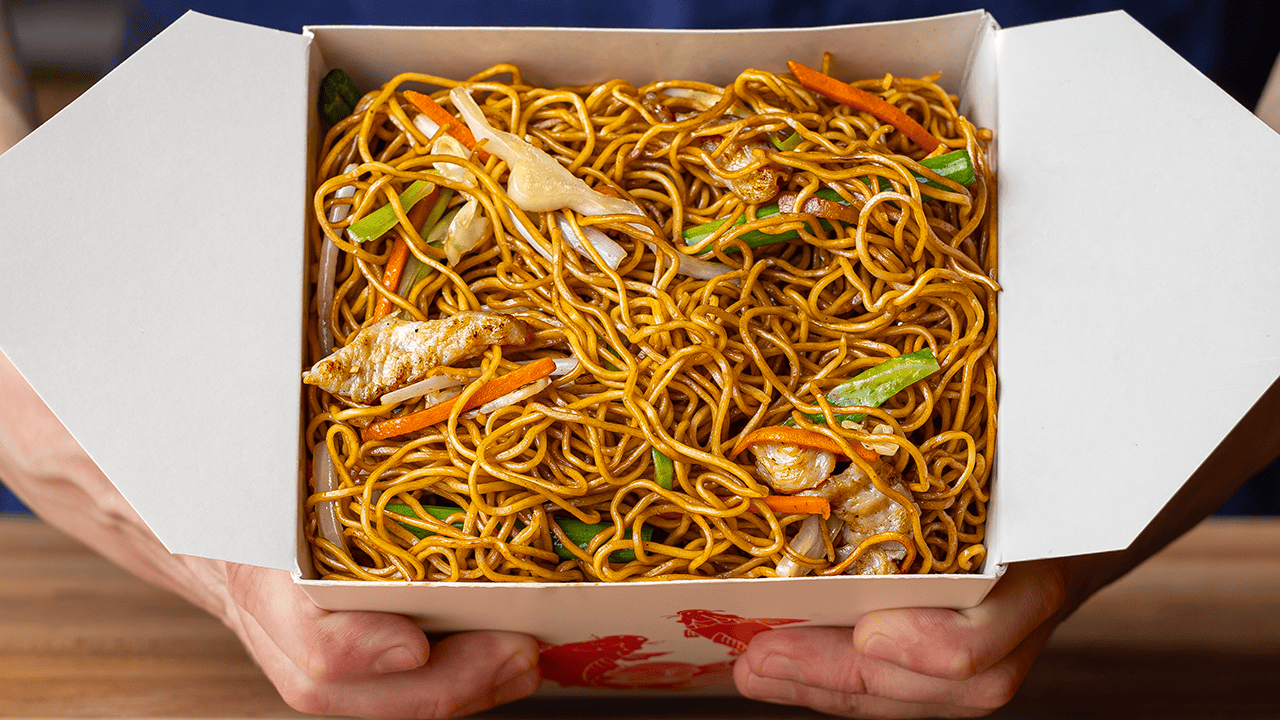
Chinese Takeout Chow Mein Recipe
Most homemade chow mein fails for one of two reasons: soggy noodles or a wok full of steam where charred bits should be. If your homemade chow mein keeps turning out soggy, the recipe you used probably got the ingredients right and the technique wrong. After researching how dozens of Chinese takeout kitchens actually make this dish, I found the same three things every time. The restaurants that make the best chow mein treat noodle preparation as its own separate process, cook everything in small batches, and use a sauce ratio that coats the noodles without turning into a puddle at the bottom of the plate.
The other thing I learned is that chow mein and lo mein are not the same dish, despite how often menus use the names interchangeably. Chow mein is drier, uses thinner noodles, and relies on charring the noodles for flavor and texture. Lo mein is saucier, with thicker noodles. Getting the noodle type and preparation right is the whole point of this recipe.
This post contains affiliate links, which means I may earn a small commission if you make a purchase. It doesn't cost you anything extra. Full disclosure.
Why This Chow Mein Recipe Works
- Boil, shock, dry, and oil the noodles before they touch the wok. This prevents the sticky, soggy mess that ruins most homemade versions. Skip any one of these steps and the noodles clump, steam, or stick to the wok.
- Three rounds in the wok, not everything at once. Home burners can't match restaurant BTU output. Cooking protein, vegetables, and noodles separately prevents the pooling liquid problem that steams your noodles instead of charring them.
- Two tenderizing methods, one for speed and one for taste. Takeout restaurants use baking soda to tenderize protein. The direct massage method takes 30 minutes. The alkaline brine takes 2+ hours but eliminates the aftertaste if you're sensitive to it.
- The sauce coats, it doesn't pool. The sauce coats the noodles instead of pooling at the bottom.
- A butane torch for wok hei, if you want it. Borrowed from Kenji Lopez-Alt's The Wok, this technique lets you get that smoky, chargrilled flavor without an industrial burner.
Ingredients You'll Need
Egg noodles. You want thin egg noodles, not the thicker lo mein variety. In the dried aisle, look for labels that say "chow mein noodles," "Canton egg noodles," or "Hong Kong egg noodles." In the refrigerated section, look for "thin egg noodles," "thin wonton noodles," "steam egg noodles," or "Hong Kong-style pan-fried noodles." Fresh noodles cook in 15-20 seconds. Dried noodles take 2-3 minutes but double in weight, so start with half the amount. If you can't find any of these, regular thin spaghetti works in a pinch.
Chicken breast (or your protein of choice). Slice against the grain into thin strips that mimic the shape of the noodles. Baking soda tenderizes the surface so it browns faster and stays tender through high-heat cooking. The cut matters less than the prep.
Light soy sauce and dark soy sauce. These are not the same thing. Light soy sauce provides salt and savory depth. Dark soy sauce is thicker, slightly sweeter, and adds the deep brown color that makes chow mein look like takeout. You need both. Lee Kum Kee makes clearly labeled bottles of each. If all you can find is Kikkoman, use it as your light soy sauce. It's a Japanese soy that's closer to Chinese light soy in flavor and consistency.
Oyster sauce. Lee Kum Kee Premium Oyster Sauce is the standard. If you have a shellfish allergy, mushroom-based vegetarian oyster sauce is available at most Asian grocery stores and works well here.
Shaoxing wine. A rice wine used in most Chinese stir-fry cooking. Adds a faint caramel, mildly acidic flavor that you can't quite replicate with anything else. If you can't find it, dry sherry is the closest substitute. For no-alcohol cooking, use extra chicken broth with a splash of rice vinegar.
MSG. If you've ever wondered why your homemade takeout doesn't quite taste like the restaurant, this is probably why. In Asian grocery stores, look for "Aji-No-Moto." In Western grocery stores, it's on the spice aisle under the brand name "Accent."
How to Make Chinese Takeout Chow Mein
1. Prep the noodles. Bring a large pot of water to a boil. For fresh noodles, drop in 8 oz and loosen until the bundles unravel, about 15-20 seconds. For dried noodles, use 4 oz (they double in weight) and cook for 2-3 minutes, about 1 minute less than the package says. Strain immediately and rinse under cold running water. This stops the cooking and washes off surface starch that causes clumping.
2. Dry and oil the noodles. Lay the noodles on a clean kitchen towel and blot them dry. Transfer to a bowl and toss with a small amount of oil. This keeps the noodles separated and helps them crisp during the stir-fry instead of sticking and steaming. You can prep noodles up to several hours ahead.
3. Tenderize the chicken. Slice the chicken breast against the grain into ¼-inch slices, then cut those into ¼-inch strips. Wash under cold running water for 1-2 minutes and squeeze dry. For the direct method: massage ¼ teaspoon baking soda into the chicken for 1-2 minutes, then add the marinade (cornstarch, sugar, salt, soy sauce, Shaoxing wine, oil) and refrigerate at least 30 minutes. For the brine method: dissolve ½ teaspoon baking soda in 1 cup water, pour over chicken, refrigerate 2+ hours, then drain, rinse, and add the marinade.
4. Cut the vegetables into strips. Everything gets cut to mimic the shape of the noodles. Slice onion with the grain into thin strips (they hold up better in a stir-fry than cross-grain cuts). Peel and stack cabbage leaves, then slice into ¼-inch ribbons. Julienne the carrots, or use pre-cut matchstick carrots. Cut green onions into 2-inch pieces, separating whites from greens.
5. Mix the sauce. Whisk together sugar, MSG, salt, and white pepper in a small bowl. Add chicken broth, Shaoxing wine, light soy sauce, and dark soy sauce. Whisk until the dry ingredients dissolve. Add oyster sauce and sesame oil. Whisk until incorporated.
6. Cook the chicken. Heat the wok over medium-high until you see light wisps of smoke. Add 1 tablespoon neutral oil, swirl to coat. Add the chicken in a single layer and cook until browned and done. Transfer to a bowl.
7. Cook the vegetables. Return the wok to medium-high heat with another tablespoon of oil. Add onion, scallion whites, cabbage, and carrot. Cook 1-2 minutes until crisp-tender. You want them barely cooked with some crunch remaining. Transfer to the bowl with the chicken.
8. Stir-fry the noodles. Return the wok to medium-high heat with another tablespoon of oil. Add garlic and ginger, cook 10-15 seconds to flavor the oil. Add the prepared noodles and toss quickly, making sure the garlic and ginger are distributed. Cook for a couple minutes until you see charred bits forming on the noodles. Regulate your heat to get char without burning.
9. Add the sauce. Push the noodles to one side and pour the sauce directly onto the hot wok surface, not on the noodles. This caramelizes the sauce slightly, adding depth. Then toss the noodles through the sauce until evenly colored. Lower the heat after this step because the sauce burns fast.
10. Combine everything. Add the chicken and vegetables back to the wok and toss until mixed. Add the bean sprouts and scallion greens, mix in, and kill the heat. Adding the sprouts and greens last gives you fresh crunch in the finished dish.
Tips for the Best Chow Mein
Cook in small batches. The number one reason home stir-fries end up soupy is overcrowding the wok. Every ingredient releases moisture. On a home burner, that moisture can't evaporate fast enough, so it pools and steams everything. Three rounds of cooking (protein, vegetables, noodles) takes an extra few minutes but gives you noodles with actual char on them instead of a soggy pile.
Dry your noodles. This is the single biggest factor in noodle quality. Wet noodles create steam in the wok, which drops the temperature and boils the noodles instead of charring them. Blot with a towel, let them cool completely, and toss in oil before stir-frying.
Pull the noodles a minute early. Cook them about 1 minute less than the package says. They finish cooking in the stir-fry. Overboiled noodles turn mushy and stick to the wok.
Use more oil than you think. Chinese takeout kitchens use a lot of oil. It prevents sticking, carries flavor, and helps the noodles crisp. If the amount in this recipe makes you nervous, know that most of it stays in the noodles, not pooled at the bottom.
Try the butane torch trick. After boiling and oiling the noodles, spread them on a sheet pan and hit them with a butane torch until you see blackened spots. Do the same with the cooked vegetables. This is a technique from Kenji Lopez-Alt's book The Wok, and it actually replicates the smoky wok hei flavor that's nearly impossible to achieve on a home burner. It's optional, but it works.
Frequently Asked Questions
What's the difference between chow mein and lo mein?
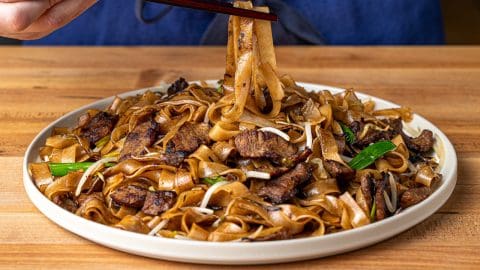
The main difference is texture and sauce. Chow mein uses thinner noodles, less sauce, and relies on charring for flavor. Lo mein uses thicker noodles, more sauce, and the noodles are softer. The terms get used interchangeably on a lot of menus, but they're different dishes. If you want the lo mein version, check out my Chinese Takeout Beef Lo Mein recipe.
Why are my noodles always sticky or soggy?
Almost always one of four things: you overboiled them, you didn't rinse them in cold water (which removes the surface starch that causes clumping), you didn't dry them enough before stir-frying, or your wok wasn't hot enough when they went in. Noodle prep is a separate process from the stir-fry, and skipping any step compounds the problems.
Can I use a different protein?
The recipe works with beef, pork, shrimp, or tofu. The tenderizing method (baking soda) works on any meat. For shrimp, skip the baking soda and just marinade briefly. For tofu, press and cube it, then pan-fry until golden before adding.
Do I really need MSG?
No, it's optional. But it adds a savory depth that's hard to replicate with other ingredients. If your homemade takeout never quite tastes like the restaurant, MSG is often the missing piece.
Why can't I just cook everything together?
On a restaurant burner, you can. Those burners produce significantly more heat than home stovetops. When you crowd a home wok with chicken, vegetables, and noodles at the same time, the temperature drops, everything releases liquid, and you end up steaming instead of stir-frying. Cooking in batches takes a few extra minutes but gives you the texture and char that defines good chow mein.
More Noodle Recipes
- Benihana Yakisoba
- Thailand Street Food Pad Thai
- 15 Minute Chili Garlic Noodles
- Homemade Ramen from Scratch
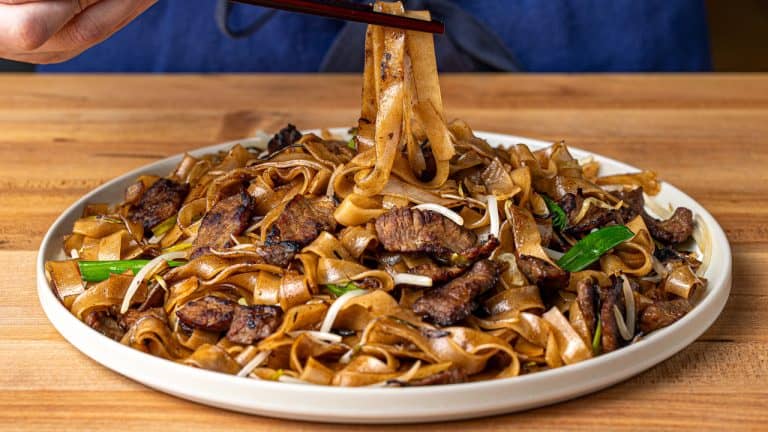
- Beef Chow Fun (Dry-Fried Beef Ho Fun)
More Chinese Takeout Recipes
- Chinese Takeout Crab Rangoon
- Chinese Takeout Egg Foo Young
- Chinese Takeout Egg Rolls
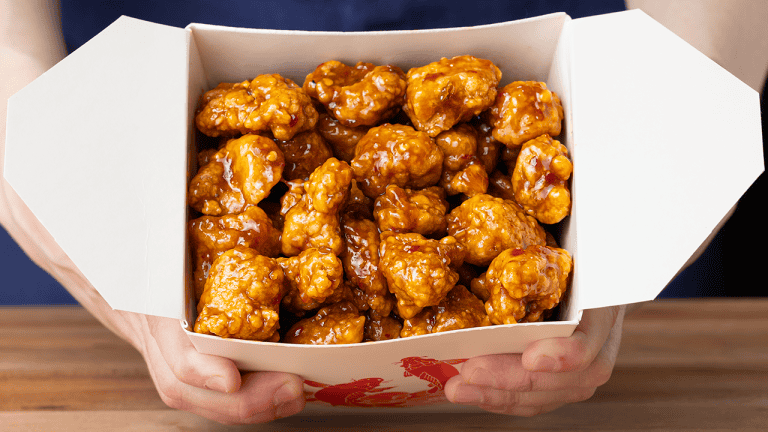
- Chinese Takeout Orange Chicken
- Chinese Takeout Kung Pao Chicken
- Chinese Takeout General Tso's Chicken
- Chinese Takeout Wonton Soup
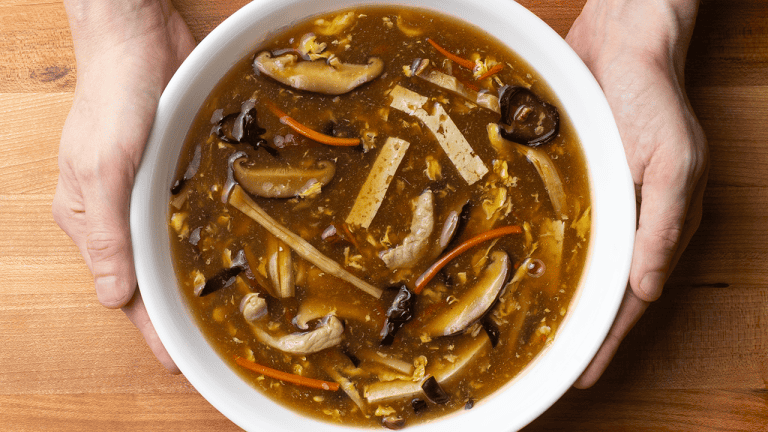
- Chinese Takeout Hot and Sour Soup
- Chinese Takeout Egg Drop Soup
- Chinese Takeout Lo Mein
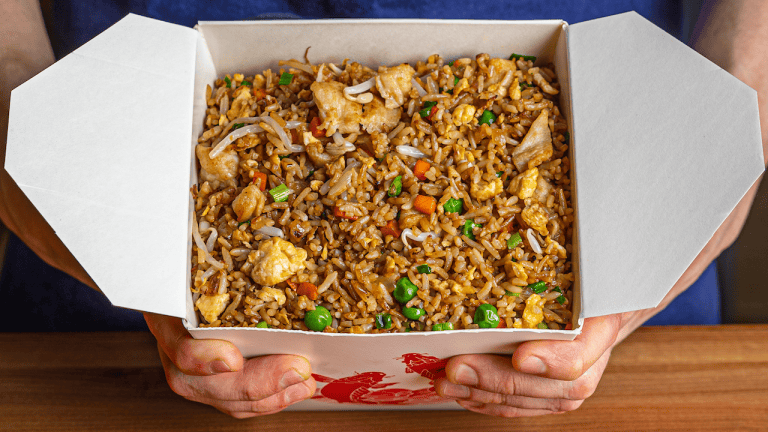
- Chinese Takeout Fried Rice
- Char Siu (Chinese BBQ Pork)
More P.F. Chang's Recipes
- P.F. Chang's Mongolian Beef
- P.F. Chang's Lettuce Wraps
- P.F. Chang's Beef with Broccoli
- P.F. Chang's Dynamite Shrimp
- P.F. Chang's Singapore Street Noodles
- P.F. Chang's Stir-Fried Eggplant
- P.F. Chang's Fried Rice
- P.F. Chang's Kung Pao Chicken
- P.F. Chang's Spicy Chicken
- P.F. Chang's Crispy Honey Chicken
More Panda Express Recipes
More Din Tai Fung Recipes
Recipe
Chinese Takeout Chow Mein
Equipment
- 1 14-inch Mandarin Wok for stir-frying
- 1 All-Clad Pot for boiling noodles
- 1 Colander Strainer for straining and rinsing noodles
- 1 Tongs for handling noodles
- 1 Whisk for the sauce
- 1 Mixing Bowls for marinade and sauce
- 1 Deli Containers for sauce storage
- 1 Baking Sheet for butane torch technique
- 1 Squeeze Bottles for oil
- 1 Handheld Butane Torch optional, for wok hei technique
Ingredients
Chow Mein
- 8 oz fresh thin egg noodles or 4 oz dried thin egg noodles
- 4 oz prepared protein chicken, beef, pork, or shrimp
- ¼ cup white onion sliced with the grain
- ¼ cup scallion whites cut into 2-inch sections, halved lengthwise
- ½ cup cabbage sliced into thin ribbons
- ¼ cup carrot julienned, or use matchstick carrots
- 2 teaspoon garlic minced
- 2 teaspoon ginger minced
- ½ cup mung bean sprouts not soybean sprouts
- ¼ cup green onion tops cut into 2-inch sections
- neutral oil vegetable, canola, or peanut
Chow Mein Sauce
- 2 teaspoon sugar balances the saltiness
- ¼ teaspoon MSG optional
- ½ teaspoon table salt
- 1 pinch white pepper
- 1 tablespoon chicken broth or water
- 1 tablespoon Shaoxing rice cooking wine or dry sherry
- 1 tablespoon light soy sauce Chinese light soy sauce
- 2 teaspoon dark soy sauce for color and richness
- 1.5 tablespoon oyster sauce Lee Kum Kee Premium recommended
- ½ teaspoon toasted sesame oil
Chicken Marinade (Method 1: Direct)
- 1 chicken breast makes more than needed for 1 recipe
- ¼ teaspoon baking soda for tenderizing
- ¼ teaspoon cornstarch
- ¼ teaspoon sugar
- 1 pinch table salt
- ¼ teaspoon light soy sauce
- ½ teaspoon Shaoxing wine
- ½ teaspoon neutral oil
Chicken Marinade (Method 2: Alkaline Brine)
- 1 chicken breast makes more than needed for 1 recipe
- ½ teaspoon baking soda dissolved in water
- 1 cup water for alkaline brine
- ¼ teaspoon cornstarch
- ¼ teaspoon sugar
- 1 pinch table salt
- ¼ teaspoon light soy sauce Chinese light soy sauce
- ½ teaspoon Shaoxing wine
- ½ teaspoon neutral oil
Instructions
Prep the Noodles
- Bring a large pot of water to a boil. For fresh noodles, add 8 oz and loosen until unraveled, about 15-20 seconds. For dried noodles, add 4 oz and cook 2-3 minutes, about 1 minute less than package instructions. Dried noodles double in weight during cooking.
- Strain noodles and immediately rinse under cold running water. This stops the cooking and removes surface starch that causes clumping.
- Dry the noodles on a clean kitchen towel by blotting them. Transfer to a bowl and toss with a small amount of oil. Noodles can be prepared up to several hours before the final stir-fry.
Prep the Chicken (Method 1: Direct Baking Soda)
- Slice chicken breast against the grain into ¼-inch slices, then cut into ¼-inch strips.
- Wash cut chicken under cold running water for 1-2 minutes and squeeze dry.
- Sprinkle ¼ teaspoon baking soda over the chicken and massage forcefully for 1-2 minutes. Add cornstarch, sugar, salt, light soy sauce, Shaoxing wine, and neutral oil. Mix well. Refrigerate at least 30 minutes or up to overnight.
Prep the Chicken (Method 2: Alkaline Brine)
- Slice and wash chicken as in Method 1.
- Dissolve ½ teaspoon baking soda in 1 cup water. Pour over chicken. Refrigerate at least 2 hours or up to 24 hours.
- Drain chicken, rinse under cold water, and squeeze dry. Add cornstarch, sugar, salt, light soy sauce, Shaoxing wine, and neutral oil. Mix well. Refrigerate at least 30 minutes.
Make the Sauce
- Mix sugar, MSG, salt, and white pepper in a small bowl. Add chicken broth, Shaoxing wine, light soy sauce, and dark soy sauce. Whisk until dry ingredients dissolve. Add oyster sauce and sesame oil. Whisk until incorporated.
Stir-Fry
- Heat wok over medium-high until you see light wisps of smoke. Add 1 tablespoon neutral oil and swirl to coat. Add 4 oz prepared protein in a single layer and cook until browned and done. Transfer to a bowl.
- Return wok to medium-high heat with 1 tablespoon oil. Add onion, scallion whites, cabbage, and carrot. Cook 1-2 minutes until crisp-tender. Transfer to the bowl with the protein.
- Return wok to medium-high heat with 1 tablespoon oil. Add garlic and ginger, cook 10-15 seconds. Immediately add prepared noodles and toss quickly with the aromatics. Cook for several minutes until charred bits appear on the noodles. Regulate heat to get char without burning.
- Push noodles to one side and pour sauce directly onto the wok surface. Work the noodles into the sauce until evenly colored. Lower the heat after this step to prevent burning.
- Add the cooked protein and vegetables back to the wok and toss together. Add mung bean sprouts and scallion greens, mix in, and turn off the heat. Serve immediately.
I consider myself to be a fairly competent home cook. Jason’s recipes are a real pleasure to read and to make. Thanks very much.
Thank you, Lawrence! I'm glad you like the recipes!