Miso Sauce Recipe (Ready in 5 Minutes With Jam and Butter)
This miso sauce recipe turns a spoonful of miso paste and a couple of spoonfuls of fruit jam into a sweet and savory pan sauce, finished with butter and a squeeze of lemon. It takes about 5 minutes, uses things most kitchens already have, and makes enough for 2 servings.
This post contains affiliate links, which means I may earn a small commission if you make a purchase. It doesn't cost you anything extra. Full disclosure.
That Tub of Miso in Your Fridge
If you bought a big container of miso to make miso soup or miso ramen, there's a good chance most of it is still sitting at the back of your fridge. This sauce is the easiest way I know to use it up.
All it is is miso paste and water mixed with fruit jam, cooked for a couple of minutes with a little garlic and ginger, then finished with butter and lemon.
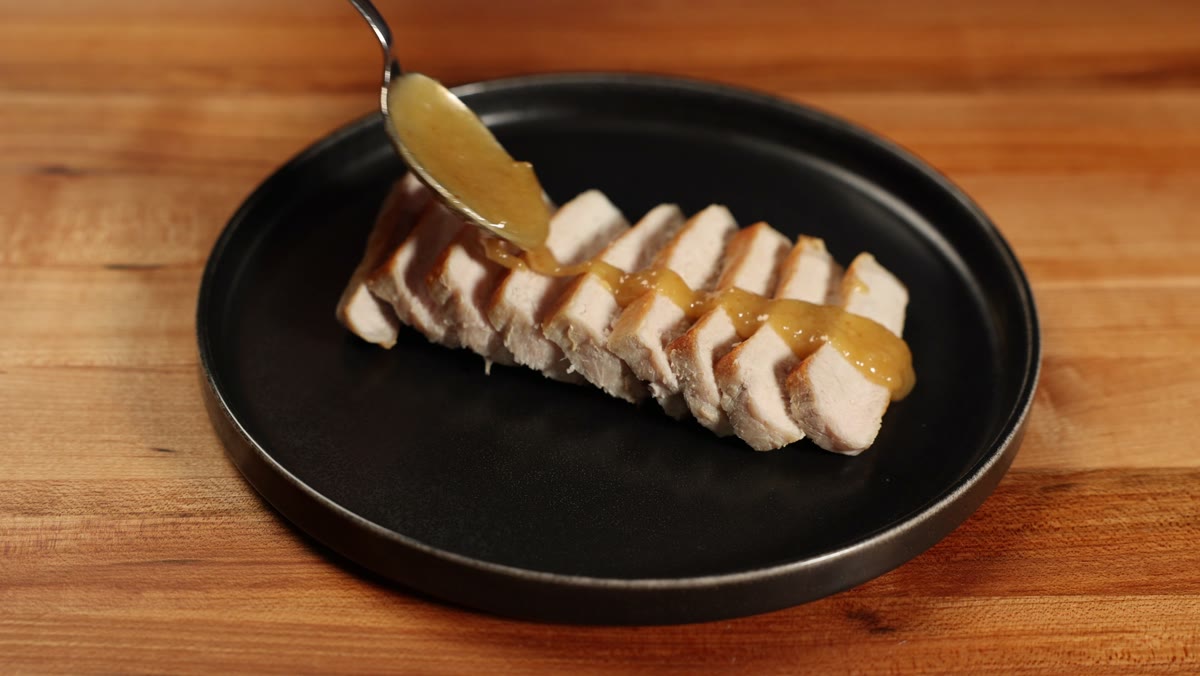
I used fig preserves in the video because I was cooking pork chops that night, but any jam you have on hand will work, and so will jelly or preserves.
Compared to a Classic Miso Sauce
The classic Japanese miso sauces are usually sweetened with mirin, a sweet rice wine. Just One Cookbook's all-purpose miso sauce is a good example: a cup of red miso simmered with mirin and sake, plus a little sugar, for 20 to 30 minutes.
Mine uses fruit jam for the sweet part instead, so you don't need to buy a bottle of mirin just to make a sauce. It's ready in about 5 minutes, and the flavor changes depending on which jam you pick.
The best-known dish along the same lines is Nobu's black cod with miso, where the fish sits in a sweet white miso marinade made with sake and sugar for a couple of days before it's broiled. It's the same idea of putting sweet and salty together, just without the wait.
Why This Miso Sauce Works
- A spoonful of jam sweetens the sauce in place of mirin and sugar, and it can be any flavor you have in the fridge.
- The garlic and ginger cook in the oil for about 30 seconds first, so they're cooked through before the miso mixture goes in.
- The butter goes in with the heat off, and keeping the pan moving mixes it into the sauce instead of letting it melt into a layer of grease.
- A squeeze of lemon at the end keeps the jam from making the sauce taste too sweet.
The Ingredients
Miso paste. One tablespoon, or 20 grams. I use white miso for this sauce. The tub in my video is Hikari's shinshu miso, a light, mild miso from Japan, but any white or light yellow miso from the grocery store works the same way (the other kinds of miso are in the questions at the end).
Fruit jam. Two tablespoons, or 45 grams. Use whatever flavor you have, and the section after the method has the ones I'd pick for each kind of meat.
If you're watching your sugar, a viewer suggested using a sugar-free jam. I haven't tried it myself, but I think it's a great idea.
Garlic and ginger. Half a teaspoon, or 3 grams, of each, grated. A viewer asked about using roasted garlic from the freezer instead of fresh, and that should be fine too.
Unsalted butter. Two tablespoons, or 28 grams. Miso is already salty, so with unsalted butter almost all the salt comes from the miso, and you can balance it with the jam and lemon when you taste it. You add it at the very end, with the heat off.
Water and oil. Three tablespoons (45 grams) of water thins out the miso and jam so they cook into a sauce. You only need enough oil to coat the bottom of a small pan.
Lemon juice. Just a squeeze from a fresh lemon at the end.
How to Make Miso Sauce
Mix and cook
1. Mix the miso mixture
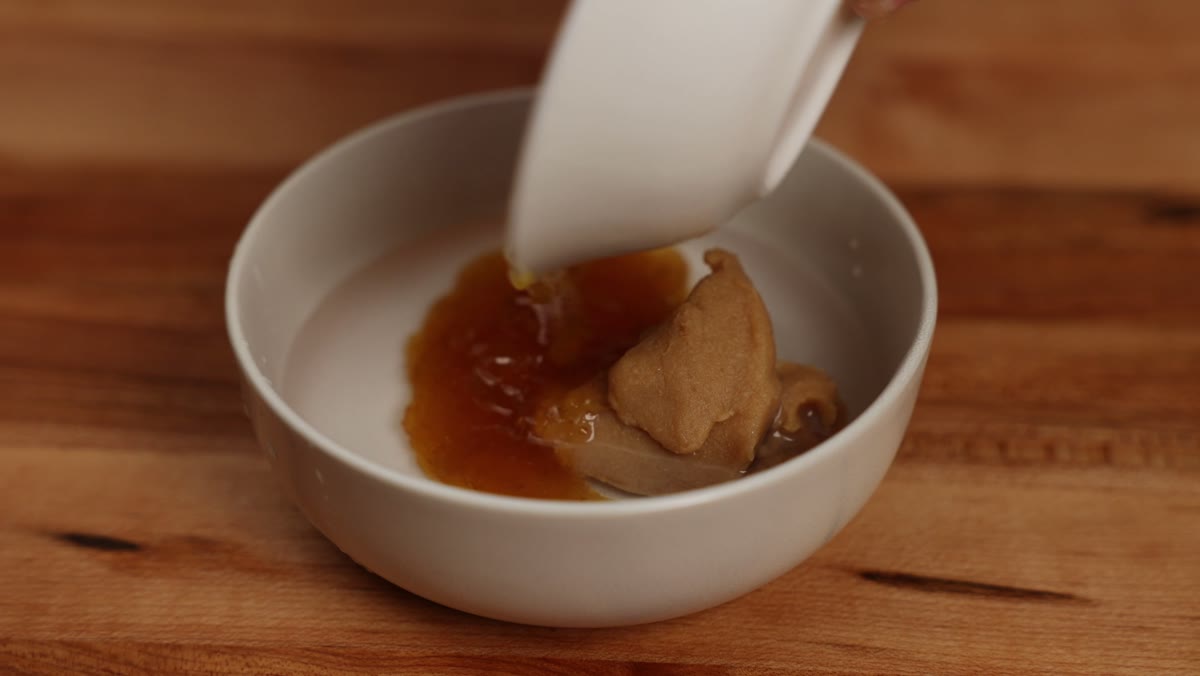
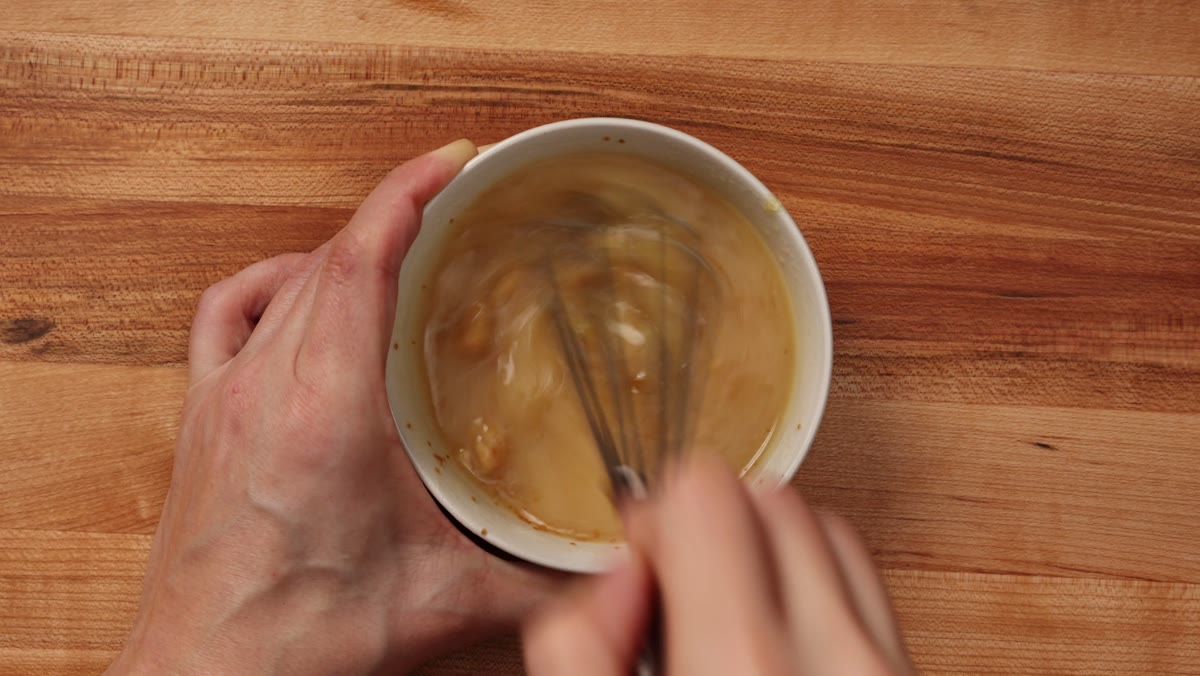
In a small bowl, add 3 tablespoons (45 grams) of water, then 1 tablespoon (20 grams) of miso paste and 2 tablespoons (45 grams) of jam. Give it all a good mix until everything is incorporated, with no lumps of miso left, and set it aside.
2. Heat the oil
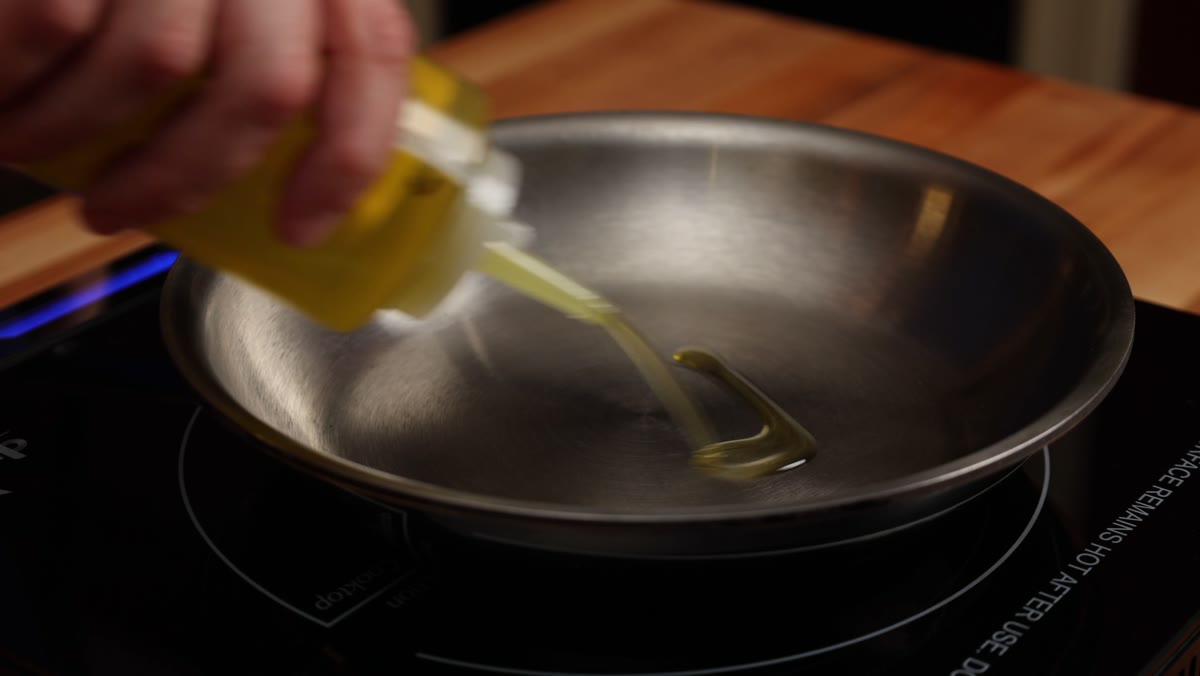
Heat enough oil to coat the bottom of a small pan over medium heat. I use an 8-inch frying pan for this amount.
3. Cook the garlic and ginger
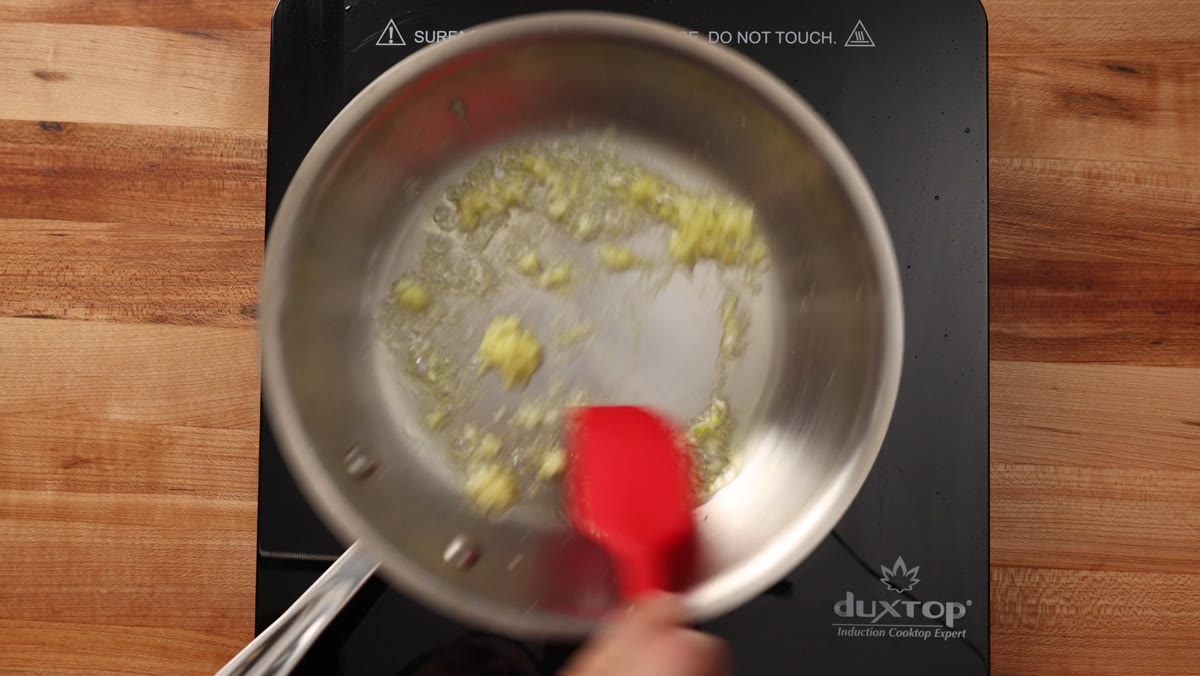
Add the grated garlic and ginger to the hot oil and stir until you can smell them, about 30 seconds.
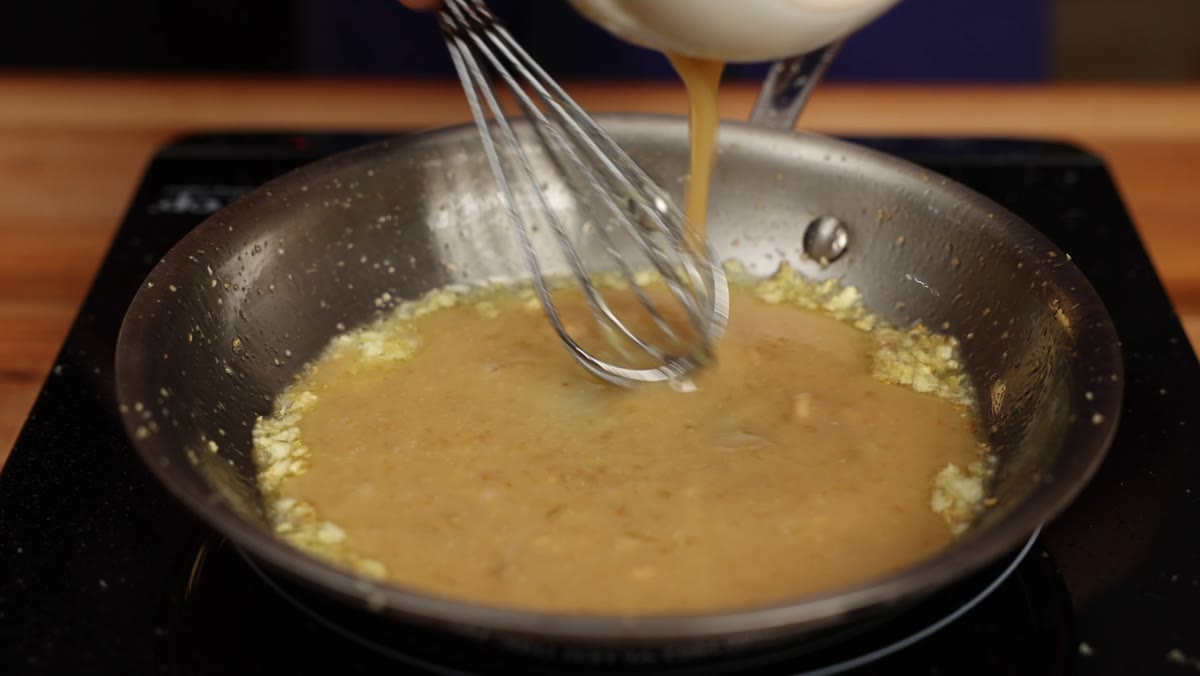
4. Simmer the miso mixture
Pour in the miso mixture and let it cook for 2 to 3 minutes, until it's slightly thickened.
Finish it
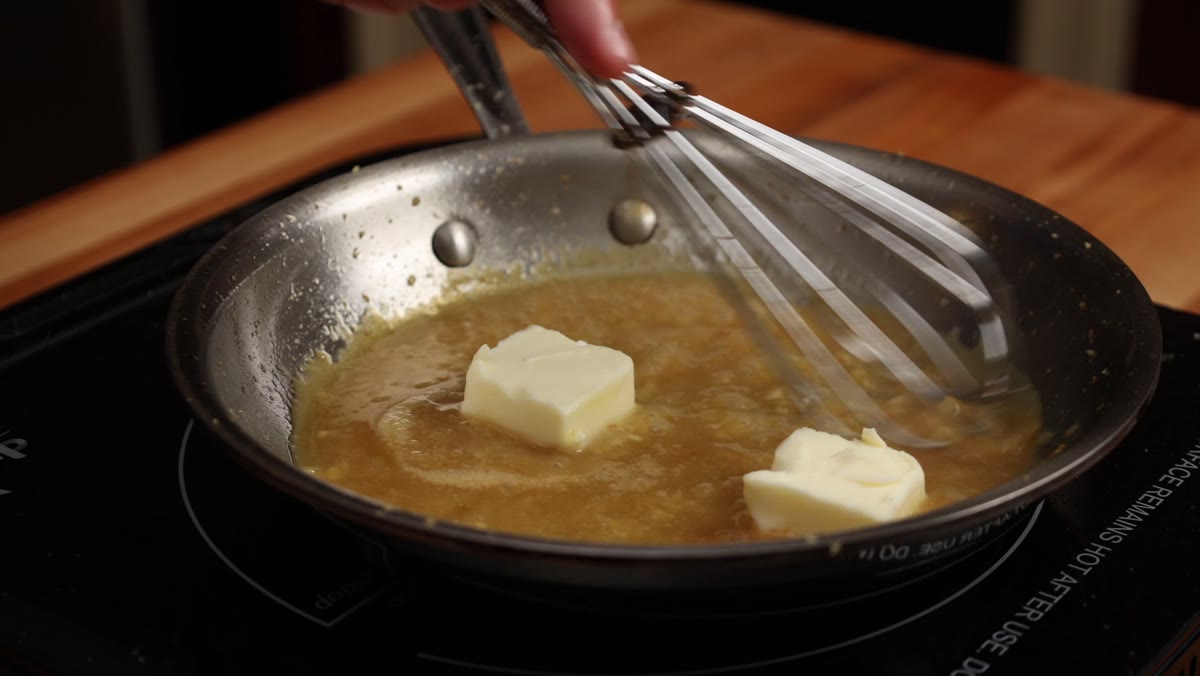
5. Swirl in the butter off the heat
Turn off the heat and add 2 tablespoons (28 grams) of unsalted butter. Keep the pan moving until the butter has melted and mixed into the sauce and the sauce looks smooth.
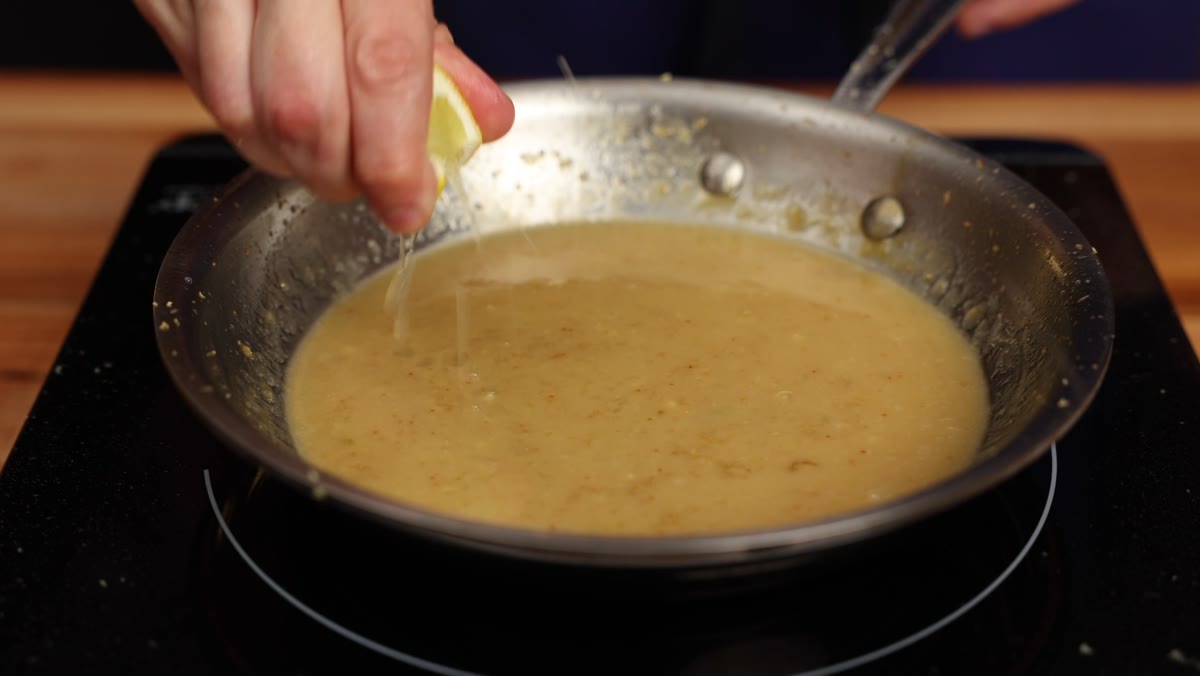
6. Add the lemon and taste it
Season it with a squeeze of lemon juice, then taste it and adjust it. If it's too salty, add a little more jam; if it's too sweet, a little more lemon.
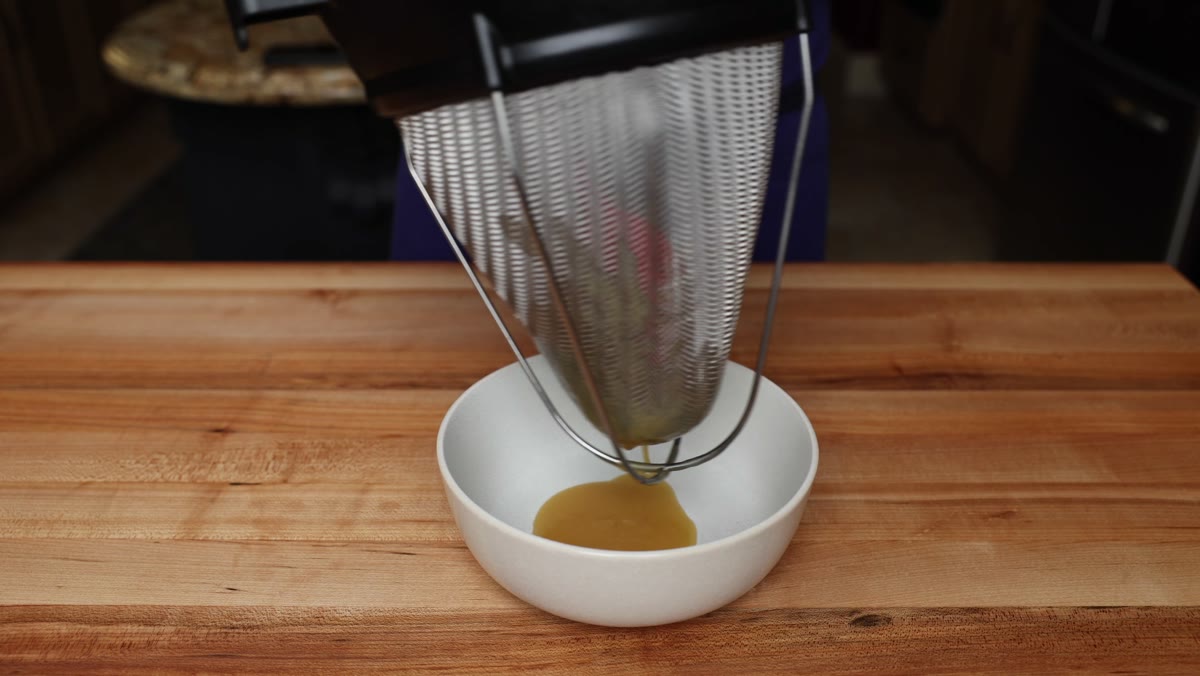
7. Strain it, if you want it smooth
The sauce is ready to use as it is, and that's how I serve it about 90% of the time. If you're doing the fine dining thing and want it a little more refined, pass it through a fine mesh strainer, like a chinois, to get the garlic and ginger out.
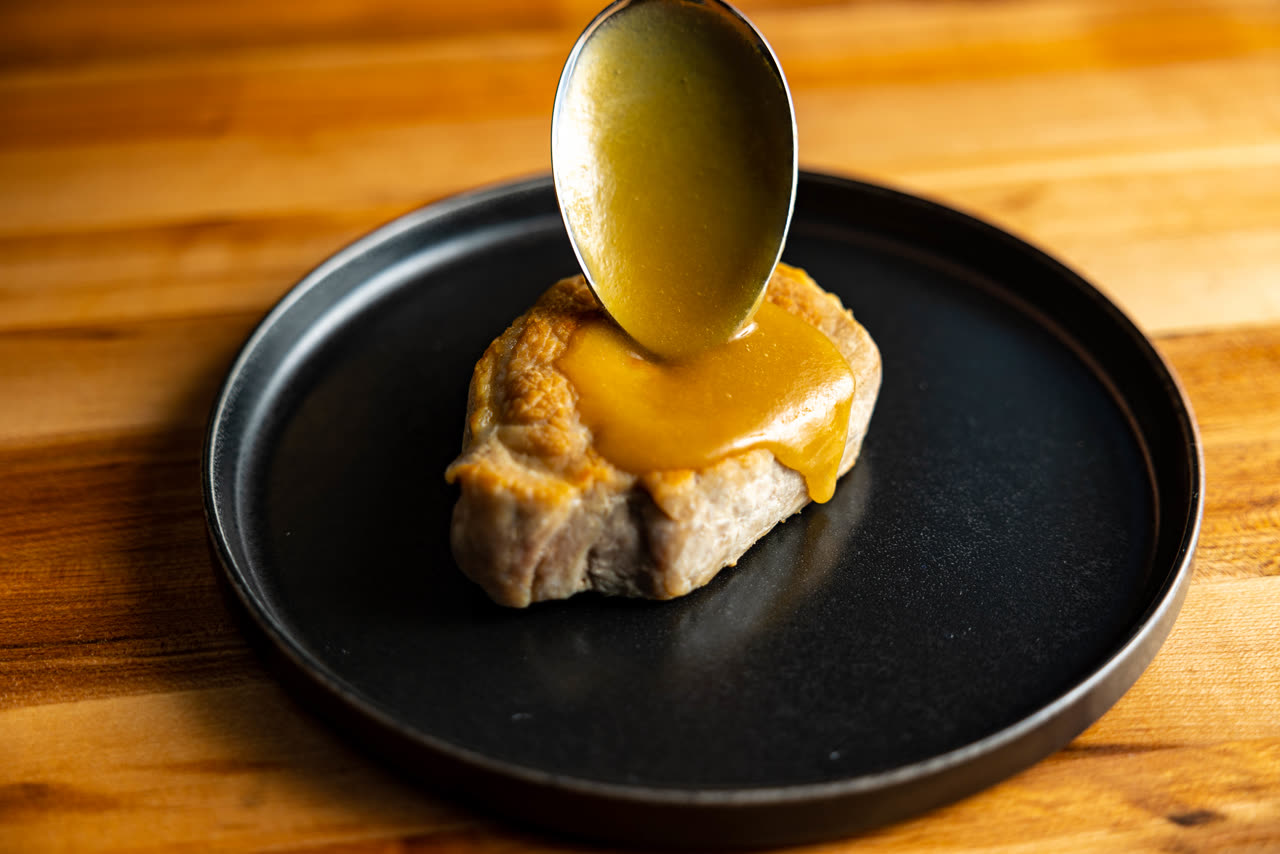
8. Spoon it over your meat
Spoon it over the meat right away while it's warm. In the video it went over a sliced pork chop.
Which Jam Goes With What
Match the jam to what you're cooking. These are the ones I'd start with:
- Fig preserves with pork chops. That's what I made in the video.
- Apricot with baked chicken. It's the one I've used most with chicken, and I like to glaze baked chicken with it.
- Mango or pineapple jam with fish. Both work really well.
- Orange jam or marmalade with steak. I haven't served it with steak myself, but that's the first flavor I'd try, and viewers have made it with orange marmalade on ahi tuna.
It's good on just about any meat you've grilled or roasted. One viewer made it with lingonberry jelly and poured it over rice and vegetables, so it doesn't need meat at all.
Making It Ahead and Storing It
If you want to make it ahead, stop before the butter. Make the sauce through step 4, let it cool and keep the base in a covered container in the fridge.
When you want some sauce, heat the base in a small pan until it comes to a boil, then turn off the heat and finish it with the butter and lemon, the same as steps 5 and 6.
Like any homemade cooked sauce, the base keeps 3 to 4 days in the fridge. That's the USDA's time for leftovers. When you reheat it, the USDA says to bring sauces to a rolling boil; its mark for reheated leftovers in general is 165°F (USDA, Leftovers and Food Safety).
Questions About Miso Sauce
Can I use honey instead of jam?
Yes, honey works fine. Honey and miso are a great combination, and a lot of people in the comments under my video have made it with honey on chicken and salmon. One even had it with steak and eggs.
What kind of miso should I use?
I use white miso for this sauce. It's the mildest and sweetest kind, so it suits the jam. Brown or red miso works too, but it's saltier, so you might need to add a little more jam to balance it out.
Isn't miso supposed to never boil?
Not for a sauce like this. Miso soup recipes tell you not to boil the soup after the miso goes in, because boiling dulls the flavor and kills the live bacteria in miso that hasn't been pasteurized.
Here the miso only cooks for a couple of minutes, and I've never noticed the flavor suffer. Plenty of famous miso dishes are cooked hot, like that broiled black cod. If you eat miso for the live bacteria, though, this sauce won't give you those.
Does miso go bad?
Not quickly. An opened tub keeps for months in the fridge with the lid on tight, and darker, saltier miso keeps longer than white. I keep mine about a year before the taste starts to fade, but check the date on your tub.
If you make this, leave a star rating in the card below; it helps other people find the recipe.
More Sauce Recipes
- Benihana Teriyaki Sauce
- Benihana Ginger Sauce
- Benihana Yum Yum Sauce
- Benihana Mustard Sauce
- Benihana Garlic Butter
Recipe

Miso Sauce
Equipment
- 1 All-Clad D3 8" Frying Pan Any small frying pan works
- 1 Induction Burner Or your stovetop
- 1 Chinois Strainer Optional, for a smoother sauce
- 1 Fine Mesh Strainer Works in place of the chinois
- 1 Mixing Bowls A small one for the miso mixture
- 1 Whisk
- 1 Microplane Grater For the garlic and ginger
Ingredients
Miso Mixture
- 3 tablespoon water
- 1 tablespoon miso paste white or light yellow miso (see notes for other kinds)
- 2 tablespoon fruit jam or jelly or preserves; I used fig preserves
Sauce
- vegetable oil enough to coat the bottom of a small pan
- ½ teaspoon garlic grated
- ½ teaspoon ginger fresh, grated
- 2 tablespoon unsalted butter
- lemon juice a squeeze, to taste
Instructions
Mix the Miso Mixture
- Add the miso paste and jam to the water in a small bowl and mix until everything is incorporated and no lumps of miso are left. Set it aside.
Cook the Sauce
- Heat enough oil to coat the bottom of a small pan over medium heat.
- Add the grated garlic and ginger to the hot oil and stir until fragrant, about 30 seconds.
- Pour in the miso mixture and cook for 2 to 3 minutes, until slightly thickened.
Finish the Sauce
- Turn off the heat and add the unsalted butter. Keep the pan moving until the butter is emulsified into the sauce.
- Season with a squeeze of lemon juice. Taste and adjust: a little more jam if it's too salty, a little more lemon if it's too sweet.
Strain (Optional)
- For a smoother sauce, pass it through a fine mesh strainer, such as a chinois, to take out the garlic and ginger.