Din Tai Fung Cucumber Salad (Restaurant Recipe)
Look up a Din Tai Fung cucumber salad recipe and you'll find the same dressing on every blog: soy sauce, vinegar, sugar, sesame oil. They're all copying each other. Din Tai Fung's own allergen guide says otherwise. There's no gluten flag on this salad, and brewed soy sauce is made with wheat, so there's no soy sauce on these cucumbers. No vinegar either. What's actually on them is a dry brine of salt, sugar, and mushroom bouillon, plus four oils.
I reverse-engineered this recipe from Din Tai Fung's own paperwork: the allergen guide, employee training materials, and the ingredient label on the chili oil they sell in Taiwan. The soy sauce and vinegar myth comes from the table condiments. Diners mix black vinegar and soy sauce for dipping dumplings, so recipe writers assumed both went on the cucumbers.
This post contains affiliate links, which means I may earn a small commission if you make a purchase. It doesn't cost you anything extra. Full disclosure.
Why This Din Tai Fung Cucumber Salad Recipe Works
- No soy sauce and no vinegar, matching Din Tai Fung's official allergen guide instead of the dressing every other recipe adds.
- A 90-minute dry brine of salt, sugar, and Totole mushroom bouillon seasons the cucumbers from the inside, so the finished plate tastes fully seasoned with nothing visible on it.
- The chili oil is reverse-engineered from the ingredient label on the bottle Din Tai Fung sells in Taiwan: eight ingredients and zero seasoning.
- The dressing uses Din Tai Fung's 5:1 canola and olive house blend, mixed with standard measuring spoons instead of a specialty foodservice bottle.
- With a store-bought chili oil, the whole dish takes about ten minutes of actual work.
Ingredients You'll Need
Persian cucumbers. Thin skin you don't have to peel, hardly any seeds, and they stay dense and crunchy all the way through. A regular slicing cucumber has thick bitter skin and a watery seed core, and you can't dress your way out of a structural problem. Look for them shrink-wrapped or bagged next to the regular cucumbers; a pound is usually five or six.
Totole mushroom bouillon. Din Tai Fung says in their own training materials that they don't add MSG to anything, but that it's in the mushroom bouillon they season with, and Totole lists MSG right on the label. I tracked down the right bouillon in my Din Tai Fung green beans post. Look for the package with the rather suggestive-looking mushroom on it.
Coarse chili powder (辣椒粉). Two totally different products share the chili powder label at the Asian grocery store. One is a fine ground dust, the other is this coarse crushed chili, and the coarse one is what you want. It releases its color cleanly and settles into a clear red oil, while the fine dust scorches faster and will cloud your oil. If you can't find it, Korean gochugaru works: mild, vivid red, and already the right coarse texture. And obviously we're not talking about the Western chili powder with cumin and oregano in it.
Green Sichuan peppercorns. These are the dried husks of a shrub called the prickly ash, and the husk is where the citrusy aroma and the numbing sensation come from. Pick out and throw away the little black seeds; they're gritty like sand. You only need about a teaspoon of the crushed husks.
The canola and olive oil blend. Din Tai Fung lists canola oil and olive oil side by side, which on a commercial ingredient list almost always means a pre-mixed foodservice blend. They opened in 1958 as a cooking oil shop, so this tracks. Make your own: two and a half teaspoons of canola plus half a teaspoon of olive oil is the same five to one ratio most commercial blends use, and it makes exactly the tablespoon this recipe needs.
Toasted sesame oil. The strongest flavor in the dressing, which is why it goes in at about one-sixth the amount of the other oils. It's one of the two allergens flagged for this salad on Din Tai Fung's guide.
How to Make Din Tai Fung Cucumber Salad
Make the chili oil (at least a day ahead)
- Fry the aromatics low and slow. Scallions, smashed garlic, ginger coins, and star anise go into a cup of vegetable oil over low to medium-low heat for 10 to 20 minutes. You're looking for golden and dried out, like they'd rustle if you stirred them. At that point they've released everything they have into the oil.
- Prep the chili while that works. Toast 4 to 6 whole dried chilies in a dry pan until fragrant and a shade darker, then snip them up with scissors, seeds and all. Stir them into a heatproof bowl with the coarse chili powder.
- Strain, check the temperature, and pour. Strain out the aromatics and throw them away, then watch the thermometer until the oil reads 300°F. Pour it over the chili in thirds, stirring between pours. Each small addition tempers the chili so it never scorches, which is what keeps the oil red instead of brown.
- Finish and steep. Once the sizzle dies down, stir in the crushed green Sichuan peppercorn husks, then let everything steep for 12 to 24 hours. The solids settle and leave a layer of clear red oil on top. That clear layer is the only part that goes on this salad. You can spoon the sediment over chili garlic noodles instead of throwing it out.
Dry-brine the cucumbers (1 to 2 hours before)
- Slice and season once. Slice a pound of Persian cucumbers into half-inch coins and toss them with the salt, sugar, and mushroom bouillon, all at once. The salt pulls water out of the cucumbers, and the granules dissolve into that liquid and season the coins from the inside.
- Refrigerate, drain, and pat dry. 90 minutes in the fridge is the sweet spot. Drain the liquid and pat the coins completely dry, but do not rinse them. Rinsing washes the seasoning down the drain, and oil slides right off a wet cucumber.
Dress and stack
- Toss in the oils. Add 14 coins and one thin slice of garlic to a bowl with the house blend, the sesame oil, and a tablespoon of the clear chili oil. Toss until every coin has a light, even film.
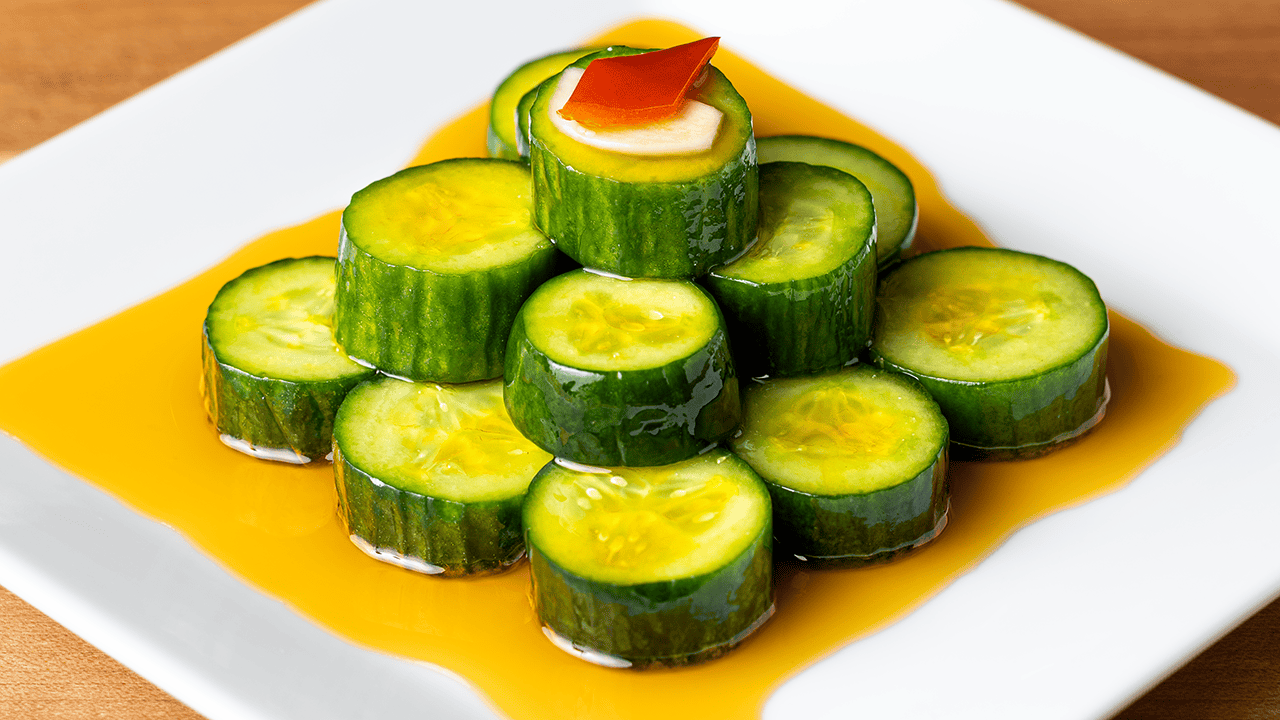
- Stack the pyramid. Nine on the bottom, four in the middle, one on top. Crown it with the garlic slice, pour the leftover bowl oil over the stack so it runs down and pools at the base, and set a thin Fresno coin on top.
Tips for the Best Din Tai Fung Cucumber Salad
Weigh the salt if you can. The real target is 4.2 grams per pound of cucumber. There's no rinse to pull excess back out, so start there and dial up only. Salt volume changes with the crystal: a teaspoon and a half of Diamond Crystal is about a scant teaspoon of Morton kosher or three-quarters of a teaspoon of fine table salt.
Pat the coins drier than feels necessary. Oil pools instead of clinging on a wet cucumber, and a coin that isn't coated isn't seasoned.
Use only the clear top oil. The plated salad shows a translucent red moat with no flakes in it. The sediment stays in the jar.
Watch the thermometer, not the clock. The oil comes off the aromatic fry at 325 to 340°F. Wait until it reads 300°F before the first pour, and aim closer to 285°F on a later batch if you want a redder oil.
Keep the chili oil in the fridge. It's made with fresh garlic and ginger, so refrigerate it and use it within about a month.
Storage and Make-Ahead
The chili oil is the make-ahead component: rest it 24 hours, then refrigerate for up to a month. The dry-brined coins can be drained, patted dry, and held in a covered container in the fridge for 2 to 3 days before dressing, which turns this into a five to ten minute dish on the day you serve it. Dress the salad right before eating. The oil film holds the crunch through a meal, but the cucumber softens over hours, so this one doesn't keep as leftovers.
Frequently Asked Questions
Does Din Tai Fung cucumber salad have soy sauce in it?
No. The soy allergen flag on their guide comes from two other places: the soybean oil their chili oil is made with, and a small amount of soy protein in the mushroom bouillon. That's why "no soy sauce" is true for this dish while "soy-free" isn't.
Is this cucumber salad gluten-free?
Din Tai Fung tags it gluten-free on their menu, and nothing in this recipe contains wheat. One flag: Totole mushroom bouillon isn't certified gluten-free, so if you're cooking for someone with celiac disease, treat it as gluten-free in spirit rather than certified.
Can I use store-bought chili oil?
Yes. Lee Kum Kee makes a solid one you'll see at a lot of Chinese restaurants, and S&B La-Yu is the closest match to the clear style this salad uses. Avoid chunky chili crisps like Lao Gan Ma here: the texture is wrong for this dish and the fermented-bean flavor takes it in a different direction.
Can I use regular cucumbers?
I don't recommend it. Slicing cucumbers have thick skin and a watery seed core that no amount of brining fixes. If you can't find Persians, mini or cocktail cucumbers are the closest substitute.
What to Serve With Din Tai Fung Cucumber Salad
This is a cold appetizer, so it pairs with just about any main from the same table. A few that work:
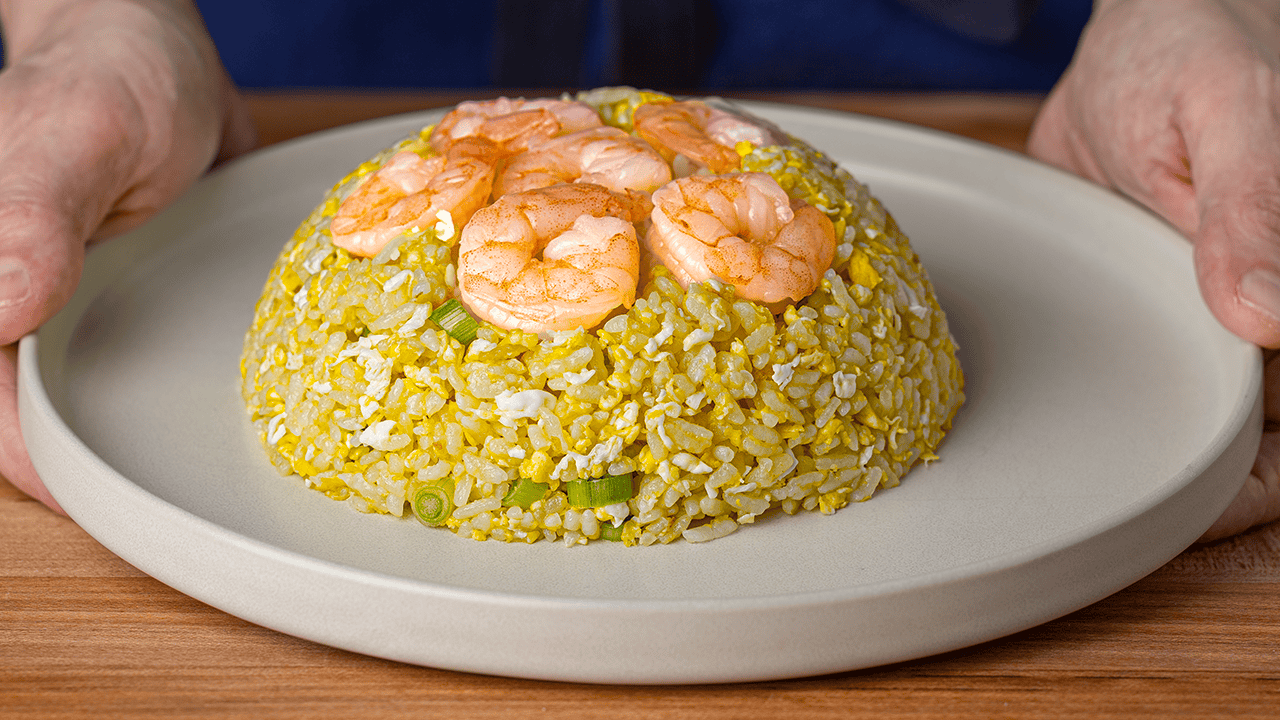
- Din Tai Fung Shrimp Fried Rice
- Chinese Takeout Orange Chicken
- Chinese Takeout Chow Mein
- General Tso's Chicken
- Wonton Soup
More Din Tai Fung Recipes
More Chinese Takeout Recipes
Recipe
Din Tai Fung Cucumber Salad
Equipment
- 1 Made-In Saucier (2 quart) For frying the chili oil aromatics
- 1 Deep Fry / Candy Thermometer The 300°F pour is temperature-gated; do not skip
- 1 Kitchen Scissors / Kitchen Shears For snipping the toasted whole chilies
- 1 Glass Mixing Bowls Heatproof bowl for the hot oil pour
- 1 Fine Mesh Strainer For straining the fried aromatics
- 1 Kitchen Scale The salt dose is a weight target (4.2g)
- 3 Deli Containers Chili oil storage and dry-brined coin holdover
Ingredients
The Cucumber and Dry-Brine
- 1 lb Persian cucumbers 5 to 6 cucumbers, sliced into ½ inch (13 mm) coins
- 1 ½ teaspoon kosher salt Diamond Crystal. True target is 4.2g by weight; Morton kosher use a scant 1 tsp, fine table salt about ¾ tsp. No rinse later, so dial up only.
- ½ teaspoon mushroom bouillon Totole granulated, the one with the suggestive-looking mushroom on the package
- ½ teaspoon white sugar a savory rounding note, not a sweetener. Start here and adjust up only.
The Chili Oil (Make Ahead)
- 1 cup vegetable oil soybean-based, matching Din Tai Fung's label; canola also works
- ½ cup Sichuan chili flakes Coarse Chinese or Taiwanese chili for chili oil (辣椒粉). Coarse crushed texture, NOT fine dust and NOT Tex-Mex chili powder. Gochugaru is an acceptable substitute.
- 5 g dried chili peppers about 4 to 6 medium dried red chilies. Not bird's eye. This is the heat dial; add more for a spicier oil.
- 2 scallions white and light green parts only, cut into 2-inch lengths
- 4 cloves garlic smashed
- 1 piece fresh ginger 1-inch knob, sliced into coins
- 2 star anise 1 to 2 pods
- 1 teaspoon green Sichuan peppercorns husks only, seeds picked out and discarded, lightly crushed. Goes in off the heat at the very end.
The House Oil Blend
- 2 ½ teaspoon canola oil combined with the olive oil this makes exactly the 1 tablespoon of 5:1 blend the dressing needs
- ½ teaspoon olive oil mild olive or EVOO; at one-sixth of the blend the grade is low-stakes
The Dressing and Garnish (To Order)
- 1 tablespoon house oil blend from above
- ½ teaspoon toasted sesame oil the dominant aroma note; strong, so it goes in smaller than the neutral blend
- 1 tablespoon chili oil the clear decanted top oil from above; store-bought works too (Lee Kum Kee or S&B La-Yu)
- 1 slice garlic one thin slice, tossed in then placed on top; never cooked
- 1 slice Fresno chili one thin piece, on top
Instructions
Make the Chili Oil (1+ Day Ahead)
- Combine the vegetable oil, scallions, garlic, ginger, and star anise in a small pot over low to medium-low heat. Fry gently for 10 to 20 minutes until the aromatics are golden and look dried out, not browned hard. This infuses their flavor into the oil and drives out the moisture that would cloud it.
- While the aromatics fry, toast the whole dried chilies in a dry pan over medium-low heat until fragrant and a shade darker, not blackened. Snip them up with scissors, seeds and all. Most of the heat comes from these, so add more if you want a spicier oil.
- Add the snipped chilies and the coarse chili flakes to a heatproof bowl and stir them together. Keep the green Sichuan peppercorn husks aside; they go in at the very end.
- When the aromatics are golden and papery, strain the oil through a fine mesh strainer and discard all the solids. They have given up their flavor; keep only the clear hot oil.
- Check the oil with a thermometer and wait until it reads 300°F (150°C). Pour it over the chili in thirds, stirring after each addition. Pouring a little at a time tempers the chili so the hot oil never scorches it, which keeps the oil red instead of brown.
- Once the sizzling dies down, stir in the crushed green Sichuan peppercorn husks. Their citrusy aroma comes from delicate compounds that cook off in hot oil, so they go in last; the numbing itself is not affected by heat.
- Let the oil steep for 12 to 24 hours. The solids settle and leave a layer of clear red oil on top; that clear layer is what dresses the salad. Reserve the sediment for other uses.
- Store the chili oil in the fridge and use it within about a month.
Dry-Brine the Cucumbers (Day Of)
- Slice the Persian cucumbers into ½ inch (13 mm) coins.
- Toss the coins with the kosher salt, mushroom bouillon, and sugar all at once, working the seasoning around evenly. This is the only salting. The salt sweats water out of the cucumbers, and the bouillon and sugar dissolve into that brine and season the coins from the inside.
- Cover and refrigerate for 1 to 2 hours; 90 minutes is the sweet spot. Give the coins one more toss partway through.
- Drain off the released liquid and pat the coins completely dry. Do not rinse: rinsing washes the dish's own seasoning down the drain, and the oils slide off a wet cucumber instead of clinging.
Assemble (To Order)
- Mix the house oil blend: 2 ½ teaspoons canola oil plus ½ teaspoon olive oil, the same 5:1 ratio commercial blends use. This makes exactly the 1 tablespoon the dressing needs.
- Add 14 dried coins and the single thin garlic slice to a bowl. Pour in the house oil blend, toasted sesame oil, and the clear chili oil, then toss until every coin has a light, even film. The raw garlic lightly perfumes the oil as you toss.
- Stack the coins into a pyramid: nine on the bottom, four in the middle, one on top.
- Place the tossed garlic slice on the tip of the pyramid.
- Pour the oil left in the bowl over the stack so it runs down and pools at the base as a clear red moat.
- Set the single thin Fresno coin on top and serve.