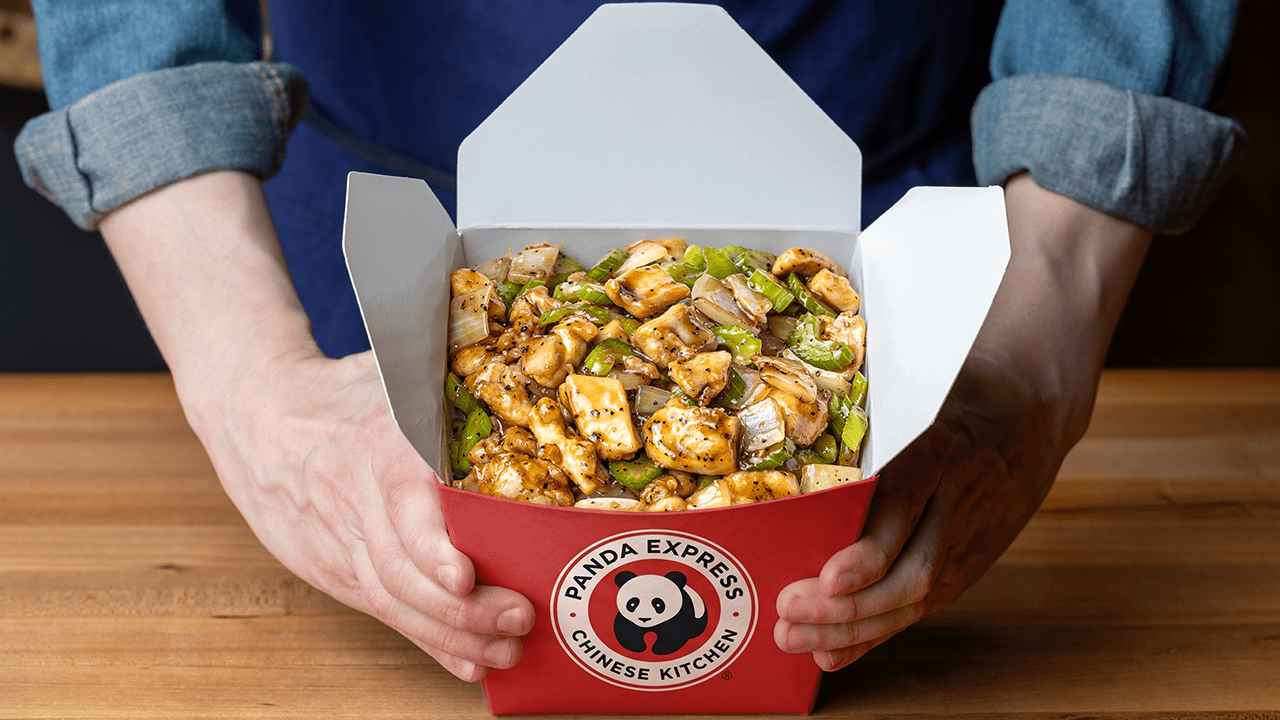
Panda Express Black Pepper Chicken (Reverse-Engineered Recipe)
Panda Express Black Pepper Chicken is now a regional dish, and a lot of locations no longer serve it. Over the past few weeks I made nearly every black pepper chicken recipe I could find online, and none of them tasted like Panda's. So I pulled Panda's official ingredient list and reverse engineered the real thing from the actual ingredients on it.
The biggest find came from Reddit, where a guy who reuses Panda's empty sauce buckets for his home aquarium posted the ingredient label printed right on them. That label showed the Basic Sauce I'd been making since my Orange Chicken recipe was missing one ingredient: ground ginger. I tested it, and it makes a very subtle, but noticeable difference.
This post contains affiliate links, which means I may earn a small commission if you make a purchase. It doesn't cost you anything extra. Full disclosure.
Why This Black Pepper Chicken Recipe Works
- Dark meat chicken, straight from Panda's ingredient list. The first ingredient on their list is dark meat chicken. Thigh meat stays tender through the oil blanch and the sauce, and breast meat is the reason so many homemade versions come out dry and stringy.
- The corrected Basic Sauce. Made from the label on Panda's own sauce buckets, including the ground ginger every other version misses. This is the sauce Panda uses as a base in nine different dishes, or over half their menu.
- The pepper blooms in hot oil, not in the sauce. There is no black pepper in the sauce at all. It goes into the oil with the aromatics, so the pepper flavor permeates the entire dish.
- A real velveting method. Water gets worked into the meat, then sealed in with three starches, and the chicken cooks through a gentle 300°F oil blanch. It's the home version of the vacuum tumbler and sodium phosphates Panda uses.
- Grocery store substitutes for every industrial ingredient. Citric acid is the grocery store equivalent of Panda's phosphoric acid, and plain tapioca starch replaces their modified food starch. Nothing in this recipe requires a restaurant supplier.
Ingredients You'll Need
- Boneless skinless chicken thighs. Buy them whole and dice them yourself into half-inch pieces. Pre-diced chicken is almost always breast, and breast is too lean for this dish.
- Coarse ground black pepper. Use three quarters of a teaspoon of McCormick coarse ground, or a full teaspoon of butcher-style 10 to 12 mesh pepper if you can find it. Do not use fine ground black pepper, because it tastes harsher and disappears into the sauce instead of showing up as dark flecks on the finished dish.
- Citric acid. Sold in the canning aisle or the spice aisle as sour salt. A small amount loosens the surface proteins so the chicken takes on more water in the marinade. Dissolve it in the water first so it disperses evenly into the marinade.
- Three starches. Cornstarch is the traditional starch used in takeout cuisine. Potato starch is resistant to sogginess. Tapioca starch replaces the modified food starch on Panda's list, because it holds up through frying and being sauced.
- Two kinds of ginger, and they are not interchangeable. The Basic Sauce uses ground ginger because it lasts longer in the sauce, and fresh ginger would settle and spoil. The Ginger Garlic Infusion (Panda's own name for it is the Garlic Ginger mix) uses fresh ginger, grated rather than minced, because grating releases the juice.
- MSG and dark soy sauce, both optional. Neither one is on Panda's ingredient list for this dish. The MSG does the same job as the two savoriness boosters printed on the Basic Sauce label, and the dark soy is in there for color only. The dish works without either one.
How to Make Panda Express Black Pepper Chicken
- Make the Basic Sauce. Warm everything except the xanthan gum in a small saucepan over medium heat, stirring until the sugar and MSG fully dissolve. You don't want to boil it. Kill the heat and whisk in the xanthan gum while the liquid is still warm, because cold liquid makes it clump. It's the same xanthan-for-guar-gum swap I used in my Honey Walnut Shrimp recipe. Once it cools, jar it and refrigerate.
- Mix the #1 Sauce. Whisk the cornstarch into the water until it fully dissolves and no grit sits on the bottom, then whisk in the Basic Sauce, plus the dark soy if you're using it. Set it aside.
- Make the Ginger Garlic Infusion. Whisk the minced garlic, grated ginger, oil, and water together in a small bowl. The water is in there so it steams off in the hot wok before the garlic and ginger can scorch.
- Velvet the chicken. Dissolve the salt, white pepper, and citric acid in the water, then add the diced chicken and stir continuously for a minute or two until the liquid absorbs. Tilt the bowl. If nothing pools at the bottom and the surface feels tacky rather than wet, you're there. Toss in the three starches until every piece is coated and no dry starch remains, seal it with the oil, then cover the bowl and refrigerate it for at least 30 minutes.
- Oil blanch at 300°F. Heat enough oil to submerge the chicken to 300°F, and use a thermometer. Drop in all the chicken, keep the pieces separated, and give it 1 to 2 minutes to reach 165°F. The chicken should be surrounded by gentle lazy bubbles, not a violent fry, and it comes out pale and glossy with no browning at all. Drain it on a wire rack.
- Stir-fry. Heat a clean wok until it lightly smokes, kill the heat, swirl in the oil, and bring it back up to medium-high. Toss in the Ginger Garlic Infusion and the coarse black pepper together and stir for about ten seconds, until fragrant. Add the celery and onion and toss for a minute or two, until the onion edges turn translucent and the celery still snaps. Return the chicken along with the Shaoxing wine, give the sauce one last stir, and pour it around the rim of the wok so it heats and thickens faster. Toss until it tightens into a glaze that coats the chicken, drizzle in the toasted sesame oil, and serve immediately.
Tips for the Best Black Pepper Chicken
- Use a thermometer for the blanch. At 300°F the oil gives you no visual signal, so guessing does not work here. If the chicken starts browning, the oil is too hot, and the coating firms into a crust, which is the texture of Orange Chicken instead of the smooth slippery surface this dish is supposed to have.
- Have the vegetables sitting next to the wok before the pepper goes in. It's easy to scorch the aromatics, so have everything ready before you start cooking.
- Pour off any water that won't absorb. If liquid still pools after two minutes of marinating the chicken, drain it before the starch goes in. Free water turns the starch into a slurry that slides off in the oil.
- Strain and keep the blanching oil. Once it cools, strain it and save it for the next batch.
What to Serve With Black Pepper Chicken
At Panda this comes over rice or noodles, and the same pairings work at home. My fried rice is the closest match to a Panda plate, and both my chow mein and my lo mein work as the noodle side.
Storage and Make-Ahead
Every component of this recipe is made to work ahead. The Basic Sauce keeps two months in a sealed jar in the fridge, and it's worth making the full batch since it unlocks several other Panda dishes. The Ginger Garlic Infusion keeps for up to four days refrigerated, or freeze it in an ice cube tray and pull single portions as you need them. The marinated chicken holds 2 to 3 days in the fridge, or bag it, press the air out, and freeze it, which is what the restaurant does with its own chicken.
Frequently Asked Questions
Did Panda Express discontinue Black Pepper Chicken?
Not completely. Panda cut it from the national menu during their 2020 to 2021 menu streamlining and reclassified it as a regional dish, so individual regions decide whether to carry it. Panda's own website has a regional dishes page where you can look up whether a location near you still serves it.
What is Panda Express Black Pepper Chicken made of?
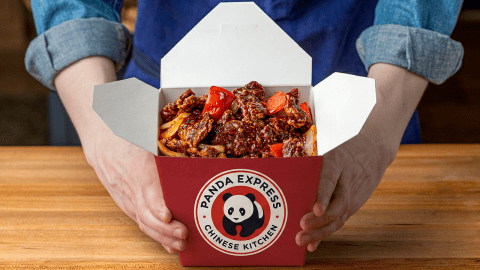
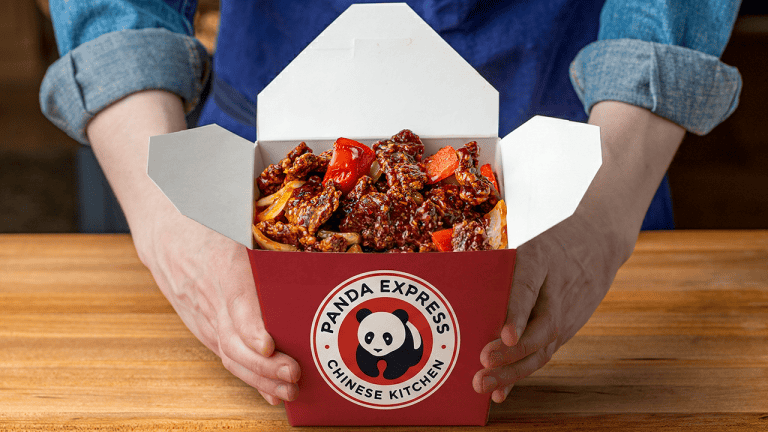
Diced dark meat chicken with celery and onion, in a sauce made from Panda's Basic Sauce plus coarse black pepper bloomed in hot oil. Panda's ingredient list also shows the industrial ingredients behind it, like the sodium phosphates in the chicken marinade, which this recipe replaces with grocery store equivalents.
Is Black Pepper Chicken spicy?
Not in the chili sense. All of the heat comes from black pepper, so what you get is warmth and aroma rather than chili heat. If you like pepper steak, you'll like this dish.
More Panda Express Recipes
More Chinese Takeout Recipes
Recipe
Black Pepper Chicken
Equipment
- 1 Whisk
Ingredients
The Marinade
- 8 oz boneless skinless chicken thighs diced into ½-inch pieces
- 1 tablespoon water
- ⅛ teaspoon citric acid
- ¼ teaspoon table salt
- ⅛ teaspoon white pepper
- 1 teaspoon cornstarch
- ½ teaspoon potato starch
- ½ teaspoon tapioca starch
- 1 teaspoon vegetable oil
The Basic Sauce (makes 1 cup)
- ¼ cup soy sauce
- ¼ cup granulated sugar
- ¼ cup dark corn syrup
- 1 ½ tablespoon table salt
- ½ tablespoon MSG Aji-No-Moto
- ½ teaspoon ground ginger powdered, not fresh
- ¼ teaspoon white pepper
- ¼ cup water
- ⅛ teaspoon xanthan gum
The #1 Sauce (makes ½ cup, all of it goes in the dish)
- 8 teaspoon Basic Sauce 2 tablespoons plus 2 teaspoons, from above
- ¼ cup water
- 2 teaspoon cornstarch
- ½ teaspoon dark soy sauce optional, for color only
The Ginger Garlic Infusion (makes 2 tbsp)
- 1 tablespoon garlic minced
- 2 teaspoon ginger grated fresh; grate, do not mince
- 1 teaspoon vegetable oil
- 1 teaspoon water
The Frying Medium
- vegetable oil enough to submerge the chicken
The Stir-Fry
- 1 tablespoon vegetable oil
- 1 teaspoon Ginger Garlic Infusion from above
- ¾ teaspoon coarse ground black pepper McCormick, or 1 teaspoon butcher-style 10 to 12 mesh
- 3 ½ oz celery bias-cut into ½-inch pieces
- 3 ½ oz yellow onion medium diced
- 1 teaspoon Shaoxing cooking wine
- ½ cup #1 Sauce from above, all of it
- 1 teaspoon toasted sesame oil
Instructions
Velveting the Chicken
- In a medium bowl, whisk the water, citric acid, salt, and white pepper until the citric acid and salt have fully dissolved. Citric acid tossed in dry lands unevenly and leaves sharp spots on some pieces and nothing on others.
- Add the diced chicken and stir continuously for 1 to 2 minutes. Tilt the bowl. The chicken is ready when no free liquid pools at the bottom and the surface feels tacky rather than wet. Panda uses a vacuum tumbler to force the marinade into the muscle, and working it in by hand is the closest home version.
- Add the cornstarch, potato starch, and tapioca starch. Toss until every piece is evenly coated and no dry starch remains in the bowl. The coating should be a thin even slick, not a visible paste.
- Add the vegetable oil and toss until the pieces are glossy and separate easily.
- Cover the bowl, or transfer it to a storage container, and refrigerate at least 30 minutes before cooking. It also holds 2 to 3 days in the fridge, so this is worth doing well ahead.
The Sauces and the Infusion
- Combine the soy sauce, sugar, dark corn syrup, salt, MSG, ground ginger, white pepper, and water in a small saucepan. Warm over medium, stirring, until the sugar and MSG have fully dissolved. Do not let it boil.
- Remove the pan from the heat. Whisk in the xanthan gum while the liquid is still warm, until no specks remain. Cold liquid makes xanthan clump; warm liquid takes it smoothly.
- Cool to room temperature and refrigerate in a sealed jar. Keeps 2 months.
- Whisk the Basic Sauce, water, and cornstarch in a small bowl until the cornstarch is fully dissolved and no grit sits on the bottom. If you are using the dark soy sauce, whisk it in here. Set aside, and stir it again right before it goes in the wok.
- Whisk the garlic, ginger, vegetable oil, and water together in a small bowl.
- Refrigerate the infusion in a sealed container for up to 4 days, or freeze it in an ice cube tray for single-use portions.
The Oil Blanch
- Add enough vegetable oil to a wok or a deep pot to submerge the chicken, and heat over medium to 300°F (149°C). Use a thermometer. At this temperature the oil gives you no visual signal, so guessing does not work here.
- Add all of the marinated chicken at once and stir constantly to keep the pieces separate. It will take 1 to 2 minutes to reach 165°F (74°C). Pull one of the larger pieces and check it. The chicken should be surrounded by gentle lazy bubbles and come out pale and glossy with no browning at all.
- Remove the chicken with a spider strainer or slotted spoon and drain it on a wire rack. The chicken is fully cooked and will keep cooking on its own heat while it sits, so move to the stir-fry promptly.
The Stir-Fry
- Heat the dry wok over high heat until lightly smoking. Turn off the heat, add the vegetable oil, and swirl to coat. Turn the heat back on to medium-high and heat the oil briefly.
- Add the Ginger Garlic Infusion and the coarse ground black pepper and stir for 10 seconds, until fragrant. Have the celery and onion sitting next to the wok before you start, because ten seconds is the whole window.
- Add the celery and onion. Toss for 1 to 2 minutes, until the onion edges turn translucent and the celery is crisp-tender, lightly softened but still with snap.
- Add the blanched chicken and the Shaoxing cooking wine. Toss to combine.
- Stir the #1 Sauce, then pour all of it around the rim of the wok. Toss constantly until it boils and tightens into a glaze that coats the chicken, 30 to 45 seconds.
- Drizzle the toasted sesame oil around the rim of the wok, toss two or three times, and serve immediately.