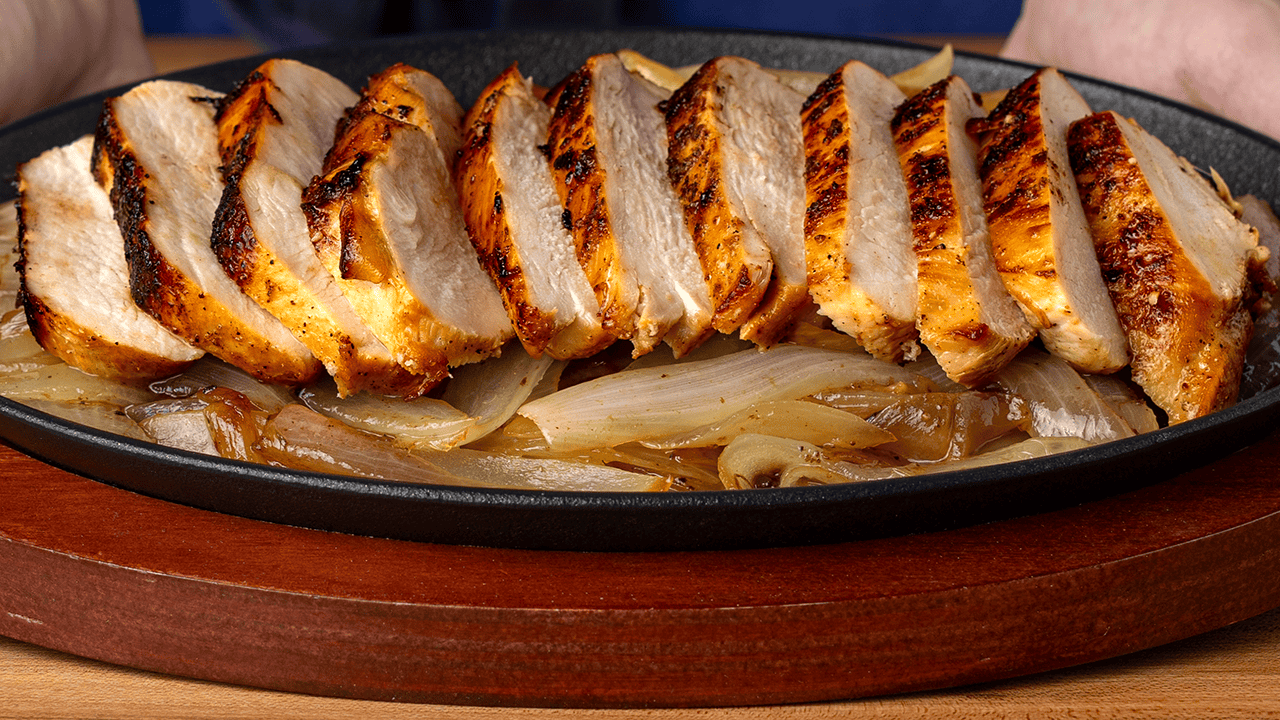
Real Tex-Mex Chicken Fajitas Recipe
I visited 21 Mexican restaurants across Texas to price their chicken fajitas. The average came to over $40 per pound of chicken. That's an absurd price for chicken breast, but the real discovery was what separates a good restaurant chicken fajitas recipe from the dry, flavorless version most home recipes produce: a two-stage brine and marinade that seasons the meat all the way through, not just the surface.
This recipe draws from two sources: the chicken fajita technique in Ford Fry's Tex-Mex cookbook, which is the best book on Tex-Mex cooking I've found, and the garlic butter sauce from Pappasito's in Houston. Pappasito's gets criticism online for being a chain, but their chicken fajitas are the standard I measure every other version against. The recipe in this post is loosely based on their approach, adapted for a home kitchen with no grill required.
This post contains affiliate links, which means I may earn a small commission if you make a purchase. It doesn't cost you anything extra. Full disclosure.
Why This Chicken Fajitas Recipe Works
- Two-stage seasoning through brine and marinade. Standard recipes use a dry rub or a marinade, but not both. A rub only seasons the surface, and even a long marinade only penetrates about 1-2mm into the meat. Brining first seasons the chicken all the way through and improves its texture, then the pineapple soy marinade layers traditional Tex-Mex flavor on top.
- Whole pieces, sliced only after cooking. Most online recipes say to cut the chicken into strips before cooking. That exposes too much surface area to high heat and dries the breast out fast. Keeping the chicken in larger pieces while cooking, then slicing after resting, is how restaurants keep their fajitas juicy.
- Oven finish after a stovetop sear. The hardest part of chicken fajitas at home is getting a good sear without overcooking the interior. Searing first for color, then finishing in a 350°F oven, gives you the richly browned exterior restaurants call "fajita bark" without the risk of scorching or drying out the meat.
- Restaurant-style caramelized onions with a sherry-soy sauce. Most home cooks just sauté onions in butter with salt and pepper, and those taste fine, but they don't taste like a restaurant's. The difference is a simple sauce of sherry cooking wine, soy sauce, Knorr chicken bouillon, and cumin that you cook down into the onions until it caramelizes.
- Mantequilla de ajo (garlic butter) finishing sauce. The foamy garlic butter from Pappasito's is the single biggest difference between a solid home fajita and a restaurant-quality one. It goes on right before serving.
Ingredients You'll Need
Knorr Caldo de Pollo. This is Knorr's chicken bouillon powder, and it shows up in the brine, the caramelized onions, and the garlic butter sauce. Every Tex-Mex restaurant I've visited uses Knorr bouillon in some form. You can find it on the spice aisle of most grocery stores. If you can only find the cubes, crush them into a powder.
Kikkoman soy sauce. Every source I consulted for this recipe specifically calls for Kikkoman. Japanese-brewed soy sauce tastes different from Chinese-style light soy sauce, and the Tex-Mex fajita tradition was developed around Kikkoman. You'll use it in both the marinade and the caramelized onion sauce.
Dole pineapple juice (canned). The marinade calls for pineapple juice because it contains bromelain, an enzyme that helps tenderize meat. Fresh pineapple juice has so much bromelain it can turn chicken to mush, but canned juice is pasteurized, which reduces the enzyme enough to safely marinade for hours. Every Mexican restaurant I've visited uses the cheap canned kind.
Mexican oregano. This is a different plant from the Mediterranean oregano you probably already have. Mexican oregano is more citrusy and works better in Tex-Mex cooking. Look for it on the spice aisle. If you can't find it, regular oregano will work, though the flavor won't be quite the same.
Sherry cooking wine. This goes into the sauce for the caramelized onions. You'll find it in the vinegar aisle of most grocery stores, and it keeps for a long time once opened.
Lawry's seasoning salt. Almost every Tex-Mex restaurant I've tried uses Lawry's. It's in the fajita seasoning spice along with granulated garlic and black pepper. Available at any grocery store.
Unsalted butter. You'll go through quite a bit of it in this recipe. The buttered onions use 4 tablespoons, the caramelized onions use 2 tablespoons, and the garlic butter sauce uses 2 full sticks. Always unsalted so you can control the salt level.
How to Make Chicken Fajitas
Prepare the Chicken
Start with 2 pounds of boneless, skinless chicken breast. Remove the tenderloin from the bottom of each breast and set it aside. Cut the breast crossways roughly at the point where it starts getting thicker, separating the thinner end from the fatter end. If the thicker piece is over an inch, either butterfly it or pound it down to about ¾ inch. You want fairly even thickness so everything cooks at the same rate.
Make and Cool the Brine
Combine 2 liters of water with 67 grams of salt (the volume measurement varies depending on the type of salt, so weigh it if you can), ¼ cup sugar, ½ teaspoon cumin powder, 2 bay leaves, 10 garlic cloves, 2 teaspoons Mexican oregano, and 2 teaspoons black peppercorns in a pot. Bring it to a boil, stir until the salt and sugar dissolve, let it simmer for 1 minute, then kill the heat. The brine needs to cool completely to room temperature before you add the chicken.
Brine the Chicken
Add the chicken pieces to the cooled brine and refrigerate for 3-4 hours.
Make the Pineapple Soy Marinade
While the chicken brines, mix together 3 parts pineapple juice, 2 parts Kikkoman soy sauce, and 1 part water. That's it.
Marinade the Chicken
When the brine time is up, remove the chicken and wash it under cold running water to remove any herbs and spices from the surface. Place the chicken in the pineapple soy marinade and refrigerate for another 4-8 hours.
Make the Fajita Onions
You have two options here, and both can be made several days in advance.
Basic buttered fajita onions: Cut 1¼ pounds of white or yellow onions with the grain into ½-inch slices. Melt 4 tablespoons of butter in a large pot over medium heat, add the onions, and stir them into the butter so they're evenly coated. Add ½ teaspoon salt, ¼ teaspoon black pepper, and 1 teaspoon Knorr chicken bouillon powder. Cook until the edges are lightly browned but the slices are still mostly translucent, about 5-10 minutes.
Caramelized restaurant-style onions: This is the version most people are missing at home. First, whisk together ¼ cup sherry cooking wine, ¼ cup Kikkoman soy sauce, ½ teaspoon granulated garlic, ¼ teaspoon cumin, ½ teaspoon black pepper, ¾ teaspoon sugar, ¼ teaspoon salt, and ½ teaspoon Knorr chicken bouillon. Slice 1¼ pounds of onions with the grain into thinner ¼-inch pieces. Melt 2 tablespoons of butter, sweat the onions until translucent, pour in the sauce, and cook until the liquid has completely evaporated and the onions have turned a deep brown. This takes about 5-15 minutes depending on your heat level.
Make the Garlic Butter Sauce
Let 2 sticks of unsalted butter soften at room temperature for several hours. Add the butter to a bowl along with 1¼ teaspoons Knorr chicken bouillon, 2 teaspoons freshly grated garlic (or ½ teaspoon granulated garlic), and ¼ cup dry white wine, preferably Chardonnay. Beat everything with a hand mixer until the wine is fully incorporated and you don't see any liquid pooling. Store covered in the refrigerator.
When you're ready to use it, scoop a couple of tablespoons into a ramekin and microwave in very short bursts until the butter is melted and foamy. Keep an eye on it because it foams up fast.
Cook the Fajitas
Preheat your oven to 350°F. Remove the chicken from the marinade and pat each piece as dry as you can with paper towels. Any moisture left on the surface will create steam instead of browning, which is what stops you from getting the fajita bark.
Mix together 1 teaspoon black pepper, 1½ teaspoons granulated garlic, and ½ teaspoon Lawry's seasoning salt. Season the dried chicken pieces with this mixture.
Heat some neutral oil in a pan over medium-high heat. Add the chicken and cook until well browned on both sides. Transfer the pan to the oven and cook until the internal temperature reaches 160°F. Carryover cooking will bring it to 165°F while it rests.
Rest, Slice, and Serve
Let the chicken rest for 5-10 minutes. While it rests, reheat the onions and microwave the garlic butter until foamy.
Look for the grain lines running along the chicken and slice across them into roughly ½-inch pieces. Cutting against the grain keeps the meat tender rather than stringy.
Serve on a hot comal or plate with onions layered underneath and garlic butter drizzled over the top. Typical sides are flour tortillas, pico de gallo, cheddar cheese, sour cream, and guacamole.
Tips for the Best Chicken Fajitas
Get the chicken as dry as possible after marinating. Pat every piece thoroughly with paper towels before seasoning. Moisture on the surface creates steam instead of browning, and that's the difference between a pale, steamed-looking fajita and the richly colored bark you see at restaurants.
Cut onions with the grain, not against it. Look for the lines running from top to root on each onion half and slice in the same direction. This keeps the slices intact during cooking. Cut against the grain and they fall apart.
Use an instant-read thermometer. Chicken breast goes from juicy to dry in a pretty narrow temperature window. Pull it at 160°F and let it coast to 165°F while resting. Guessing will almost always lead to overcooked chicken.
The garlic butter is much better with a hand mixer. There's a microwave shortcut in the recipe doc that works in a pinch, but the flavor is cleaner and the butter stays together when you reheat it instead of separating. The emulsification is more thorough when you whip softened butter with the wine versus stirring melted butter.
Prepare everything ahead of time. Both types of onions keep in the refrigerator for several days after cooking. The garlic butter stores in the fridge for days and in the freezer for 3-6 months. On the day you cook, the only thing that needs to happen in real time is searing and oven-finishing the chicken.
How to Get the Restaurant Sizzle
If you want the full restaurant experience, heat a cast-iron comal or heavy skillet on the stovetop or in the oven until very hot. Add a touch of oil, then layer the onions and sliced chicken on top. Right before bringing it to the table, splash the edges of the hot surface with a small amount of liquid, whether that's water, chicken broth, or a squeeze of lime. That's where the classic sizzle and steam come from.
Storage and Reheating
Refrigerator: Store sliced chicken and onions in separate airtight containers for up to 4 days. Keep the garlic butter in a covered ramekin or container for up to a week.
Freezer: The garlic butter freezes well for 3-6 months. Portion it into ramekins or roll it in plastic wrap before freezing. Cooked chicken can be frozen for up to 3 months, though the texture will be slightly less juicy after thawing.
Reheating: Warm the chicken and onions in a hot pan rather than the microwave. A pan will re-crisp the exterior of the chicken and bring some of that bark texture back. Microwave the garlic butter in short bursts until foamy.
Frequently Asked Questions
Are chicken fajitas authentic Mexican food?
Not exactly. The word "fajita" comes from "faja," meaning belt or strip, and originally referred to grilled skirt steak sliced across the grain. Chicken fajitas are a Tex-Mex creation that became popular in Texas starting in the 1960s and 70s, with Mama Ninfa's in Houston often credited as a key originator of the fajita plate format. They're not traditional Mexican food, but they're one of Texas's most popular culinary exports.
Why use both a brine and a marinade?
They do different jobs. The brine uses salt to season the chicken all the way to the center and improves the texture by helping the meat retain moisture during cooking. The pineapple soy marinade adds the traditional sweet-and-savory Tex-Mex flavor to the outer layer. Using both gives you chicken that's seasoned from the inside out, which a marinade alone can't do no matter how long you leave it.
Can I grill the chicken instead of using a pan?
Yes. Grill the pounded chicken pieces over direct high heat until charred on both sides, then move them to indirect heat to finish cooking to 160°F internally. If you have access to mesquite wood, that's the traditional fuel for Tex-Mex fajitas and the flavor is hard to replicate any other way.
What if I don't have a hand mixer for the garlic butter?
Melt 1 stick of butter in the microwave (cover with plastic wrap because it tends to splatter), then whisk in ¾ teaspoon chicken bouillon, 1 teaspoon grated garlic, and 2 tablespoons white wine. It works, but the flavor and texture are better with the hand-mixer method because the wine emulsifies more completely into the softened butter rather than just mixing with melted fat.
Can I skip the garlic butter sauce?
You can, and you'll still end up with a good fajita. But the mantequilla de ajo is the single biggest difference between a home version and a restaurant version. It takes about 5 minutes to put together and it freezes for months, so once you've made it the first time there's no good reason to leave it out.
More Chipotle Recipes
Recipe
Real Tex-Mex Chicken Fajitas
Equipment
- 1 Made In 4 Qt. Saucepan with Lid For the brine
- 1 Le Creuset Dutch Oven Optional, for cooking onions
- 1 Fajita Comal For serving/sizzle presentation
- 1 Meat Mallet For pounding chicken to ¾ inch
- 1 Hand Mixer For whipping garlic butter sauce
- 1 Anchor Glass Ramekins For melting and serving garlic butter
- 1 Butane Burner Optional, for tabletop sizzle presentation
- 1 Whisk
Ingredients
Chicken
- 2 lbs boneless, skinless chicken breast Tenderloin removed, thick part pounded to ¾-1 inch
Chicken Fajita Brine
- 2 liters water
- ½ cup kosher salt 67g by weight. For Morton's Kosher use 4 tablespoon + 2 tsp. For Morton's table salt use 3 tablespoon + 2¼ tsp. Or weigh 67g of any salt.
- ¼ cup sugar
- ½ teaspoon cumin
- 2 bay leaves
- 10 garlic cloves
- 2 teaspoon Mexican oregano Regular oregano works as a substitute
- 2 teaspoon black peppercorns
Pineapple Soy Marinade
- 3 parts pineapple juice Canned (Dole). Pasteurized to reduce bromelain enzyme.
- 2 Japanese soy sauce Use Kikkoman brand specifically
- 1 part water
Fajita Seasoning Spice
- 1 teaspoon black pepper
- 1 ½ teaspoon granulated garlic
- ½ teaspoon Lawry's seasoning salt
Basic Buttered Fajita Onions
- 4 tablespoon unsalted butter
- 1 ¼ lbs white or yellow onions Sliced with the grain into ½-inch pieces
- ½ teaspoon salt
- ¼ teaspoon black pepper
- 1 teaspoon Knorr Caldo de Pollo chicken bouillon
Caramelized Fajita Onions
- 2 tablespoon unsalted butter
- 1 ¼ lbs white or yellow onions Sliced with the grain into ¼-inch pieces
- ¼ cup sherry cooking wine
- ¼ cup Japanese soy sauce
- ½ teaspoon granulated garlic
- ¼ teaspoon cumin
- ½ teaspoon black pepper
- ¾ teaspoon white sugar
- ¼ teaspoon salt
- ½ teaspoon Knorr Caldo de Pollo chicken bouillon
Mantequilla de Ajo (Garlic Butter Sauce)
- 2 sticks unsalted butter Must be softened to room temperature.
- 1 ¼ teaspoon Knorr Caldo de Pollo chicken bouillon Or ½ Knorr chicken bouillon cube, crushed (6g)
- 2 teaspoon fresh garlic Grated. Or substitute ½ teaspoon granulated garlic.
- ¼ cup white wine Preferably Chardonnay
For Cooking
Instructions
Prepare the Chicken
- Remove the tenderloin from the bottom of each chicken breast and set aside.
- Flip the breast over and cut crossways roughly halfway through, separating the thinner side from the thicker side.
- Butterfly or pound the thicker piece until it's about ¾ inch to 1 inch in thickness for even cooking.
Make the Brine
- Add all brine ingredients to a medium pot and bring to a boil.
- Stir until the salt and sugar are dissolved and boil for 1 minute.
- Remove from heat and let the brine cool to room temperature before using.
Brine the Chicken
- Place the chicken pieces in the cooled brine and refrigerate for 3-4 hours.
- Remove the chicken from the brine and wash under cold running water to remove any herbs and spices.
Marinade the Chicken
- Mix pineapple juice, soy sauce, and water until well combined.
- Place the brined chicken in the marinade and refrigerate for 4-8 hours.
Basic Buttered Fajita Onions
- Slice onions with the grain into ½-inch pieces.
- Melt butter in a large pot over medium to medium-high heat.
- Add onions, salt, pepper, and chicken bouillon. Stir until butter and spices evenly coat the onions.
- Cook for several minutes until the edges of the onions are lightly browned.
- Remove from heat and use immediately or reserve. Can be made several days ahead.
Caramelized Fajita Onions
- Whisk together sherry cooking wine, soy sauce, granulated garlic, cumin, black pepper, sugar, salt, and chicken bouillon in a small bowl and set aside.
- Slice onions with the grain into ¼-inch pieces.
- Melt butter in a large pan over medium heat. Add onions and sweat for several minutes until translucent.
- Add the sauce mixture and stir into the onions.
- Cook until all the sauce mixture has evaporated and the onions are sticking to the bottom with a deep brown color, about 5-15 minutes.
- Remove from heat and use immediately or reserve. Can be made several days ahead.
Mantequilla de Ajo (Garlic Butter Sauce)
- Let butter sit at room temperature for several hours until completely softened.
- Add chicken bouillon, garlic, and wine to the bowl with the butter.
- Beat with a hand mixer until the wine is completely incorporated and you see very little liquid remaining.
- Refrigerate in ramekins. To serve, microwave in 15-30 second bursts until the butter is melted and foamy.
Cook the Fajitas
- Preheat oven to 350°F (176°C).
- Remove the chicken from the marinade and pat dry thoroughly with paper towels.
- Mix together all fajita seasoning spice ingredients.
- Heat neutral oil in a large pan over medium-high heat. When the oil is hot, sprinkle the chicken pieces with the fajita seasoning spice.
- Cook the chicken until well browned on both sides.
- Transfer the pan to the oven and cook until the chicken reaches an internal temperature of 160°F (71°C). Carryover will bring it to 165°F (74°C).
- Remove chicken from oven and let rest for 5-10 minutes before slicing.
- Slice the chicken across the grain into roughly ½-inch pieces.
- Serve with fajita onions and foamy garlic butter. For the restaurant sizzle effect, heat a comal, layer onions and chicken on top, and splash the edges with water, broth, or lime juice right before serving.