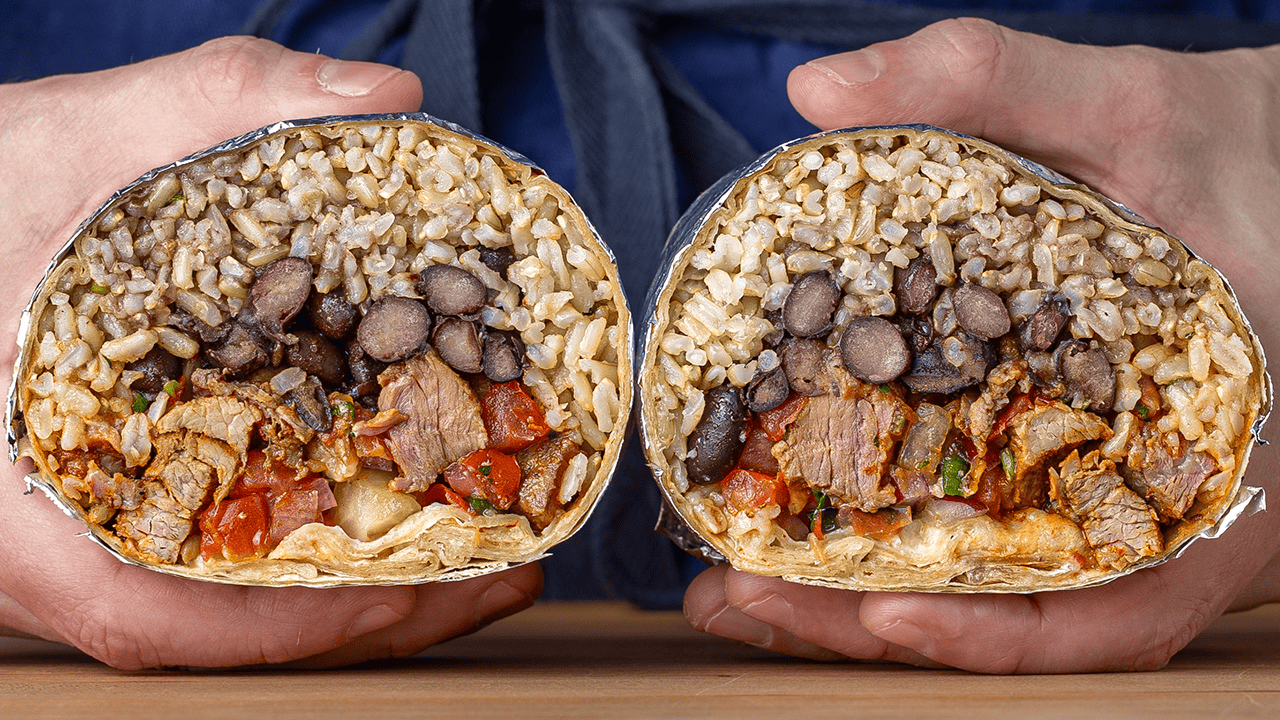
Copycat Chipotle Steak Burrito (Old-School Recipe)
If you've ever followed an online Chipotle steak recipe and wondered why it tasted nothing like the restaurant, the answer is almost certainly canned chipotles. Every internet recipe tells you to use them. They're all wrong. The original recipe uses a traditional Mexican adobo paste made from dried Chipotle Morita peppers, and the difference between that and a can of chipotles in adobo is the difference between pure chipotle flavor and a tomato-vinegar sauce with some smoke in it.
If you've tried making this at home and it didn't taste right, the recipe was the problem. This is the old-school Chipotle steak burrito from before they started shipping precooked proteins to their restaurants. I tracked down the original recipe through the Wayback Machine and cross-referenced it with current and former employees. The result is a burrito that tastes like Chipotle did before the menu simplifications started rolling out around 2016.
This post contains affiliate links, which means I may earn a small commission if you make a purchase. It doesn't cost you anything extra. Full disclosure.
Why This Chipotle Steak Burrito Recipe Works
- Dried Chipotle Morita peppers, not canned chipotles in adobo. The canned version is diluted with tomatoes, vinegar, and other ingredients that muddy the flavor. Dried Moritas give you the pure chipotle taste Chipotle actually uses.
- Citrus juice is a blend of lemon and lime, not straight lime juice. Chipotle's website confirms the ratio: roughly 63 limes to 25 lemons per gallon. Most recipes miss this entirely.
- Brown rice cooked via the pasta method, not absorption. Boiling in a full pot of water and draining when it's done eliminates the measured-water, covered-pot approach that produces undercooked or mushy rice about half the time.
- The steak marinates for a full 12 hours in the adobo paste. The original recipe also included honey in the marinade, which Chipotle has since dropped. It's included here as optional for anyone who remembers the old-school flavor.
- The tomatillo salsa uses dried Chile de Arbol, not the Morita peppers from the adobo. Two different dried chiles, toasted and rehydrated separately, each doing a different job.
Ingredients You'll Need
This is a multi-component recipe. The full ingredient list is in the recipe card below, but here's what to know before you shop.
Dried Chipotle Morita peppers are the main ingredient in the adobo paste, which flavors the steak, the beans, and indirectly the whole burrito. They're smoked and dried jalapenos, but there are two types you'll see at the store. Chipotle Meco peppers are dried and smoked for a long time, producing an intensely earthy, almost overpowering smokiness. Chipotle Morita peppers are picked earlier and smoked for less time. They're sweeter, more balanced, and what Chipotle actually uses. When buying, bend a pepper. If it's pliable, it's good. If it snaps or crumbles, it's too dehydrated and should be tossed.
Beef round is what Chipotle uses for their steak. Top round, bottom round, eye of round. They're all inexpensive, lean cuts that work equally well. Grab whatever is convenient. You'll need to trim any fat or silverskin before marinating.
Morton's Kosher salt is what Chipotle uses in every recipe. It measures differently than Diamond Crystal or table salt, so if you're substituting, adjust accordingly. Morton's is roughly twice as salty by volume as Diamond Crystal.
Mediterranean oregano (not Mexican). This surprised me too. Despite being a Mexican restaurant, Chipotle uses McCormick's Mediterranean oregano. They taste different: Mediterranean is milder and more floral, Mexican is more pungent and peppery.
The citrus juice blend: 2 small limes to 1 large lemon, juiced and strained. You'll use this in the rice, the beans, and both salsas. The recipe makes enough for everything, so juice it all at once.
Chile de Arbol for the tomatillo salsa. These are small, thin dried red chiles. They should be in the same section as the Moritas at the grocery store.
Tomatillos for the red chili salsa. Peel the papery husks and wash them well. They have a sticky natural resin on the skin that tastes bitter if you don't rinse it off.
How to Make Chipotle Steak Burrito
This recipe has six components plus assembly. It looks like a lot, but most of the active time is front-loaded in the adobo paste and the marinating is passive. I recommend making the adobo paste and starting the steak marinade and bean soak the night before, then finishing everything else the next day.
Step 1: Make the adobo paste. Cut the dried Morita peppers in half, remove the seeds and ribs (they don't blend well and can be bitter), and toast them in a dry pan over medium heat for 4-5 minutes until fragrant. This activates the essential oils and deepens their flavor. Transfer the toasted chiles to a bowl, cover with hot water, cover with plastic wrap, and rehydrate for 15-20 minutes.
For the garlic, roast whole unpeeled cloves in a dry pan over medium heat, turning every few minutes, until the skin is blackened on all sides. This takes 10-15 minutes. It's a traditional Mexican technique that removes the harsh raw garlic bite and adds a mellow, smoky flavor.
Blend the drained chiles with roasted garlic, water, cumin, black pepper, oregano, and salt until you have a thick paste slightly looser than tomato paste. This recipe makes about 3 ½ cups. You won't use it all. That's the point. The process is labor-intensive enough that you want to make extra and freeze it.
Step 2: Marinate the steak. Trim the beef round and cut it into palm-sized pieces. Place the steak in a large Ziploc bag with ¼ to ½ cup of the adobo paste. Seal the bag, coat everything evenly, and refrigerate for at least 12 hours.
Step 3: Soak the beans. Overnight, same as the steak. Pick through dried black beans for broken pieces or stones. Dissolve salt in water, pour over beans, add more water until they're submerged by 2 inches. Let them sit 8-12 hours.
Step 4: Cook the brown rice (pasta method). Wash the rice until the water runs clear. Bring a large pot of water to a rolling boil, toss in 2 bay leaves, and add the rice. Boil for 20-25 minutes, testing toward the end, then drain. Finish with neutral oil, salt, citrus juice, and chopped cilantro.
The pasta method is how I recommend cooking brown rice at home, full stop. The absorption method (measured water, covered pot, cross your fingers) is unreliable and frequently produces results that will make you an anxious and fault-finding person.
Step 5: Cook the black beans. Sweat diced yellow onion in oil until translucent. Add the drained soaked beans, sweated onion, 2 tablespoon adobo paste, bay leaves, salt, and water to a pressure cooker. 15 minutes on high. Season with citrus juice and salt after cooking.
Step 6: Make the tomatillo-red chili salsa. Toast dried Chile de Arbol in a dry pan (30-60 seconds, same concept as the Moritas), rehydrate in hot water for 20-30 minutes. Separately, broil tomatillos, a tomato, and unpeeled garlic until well charred. Let everything cool completely before blending. Tomatillos blended hot will sometimes turn bitter. Stir in a teaspoon of Tabasco at the end. It sounds wrong, but the vinegar in the Tabasco brightens the salsa and makes it taste more like the restaurant version.
Step 7: Make the fresh tomato salsa. Core the tomatoes, scoop out the seeds and liquid, dice the flesh. Combine with red onion, jalapeno, cilantro, citrus juice, and salt. This is a pico de gallo. No cooking required.
Step 8: Cook the steak. Heat a pan or griddle to 350-400F. Lightly oil the surface. Place the marinated steak on the heat and immediately salt the top side. Cook until you have significant browning on the first side, flip, and monitor the temperature. Pull at 130-135F. Chipotle pulls at 140F, but I find their steak consistently overcooked. Pulling at 130-135F and letting carryover cooking do the rest gives you a perfect medium without going over. Rest 10 minutes, then cut into ¾-inch cubes.
Step 9: Assemble. Heat a flour tortilla in a dry pan until pliable. Layer rice, beans, steak, fresh tomato salsa, and tomatillo salsa. Fold the near edge over the filling while tucking, fold in the sides, and roll forward while crimping.
Tips for the Best Chipotle Steak Burrito
Don't use the chile soaking liquid in the adobo. It can be bitter. Use fresh water for blending.
Make the adobo paste in bulk. The recipe produces roughly 3 ½ cups. You'll use some for the steak, some for the beans, and the rest freezes well for up to a year. Next time you make this (or the chicken version), the hardest part is already done.
Salt the steak one side at a time. Oil the cooking surface (Chipotle technically doesn't, but you'll get better browning at home if you do). Place the steak down and immediately salt the exposed top side. Flip, and the first side already has its crust locked in.
Let the steak rest for at least 10 minutes. This gives the juices time to redistribute through the meat. If you skip this, you'll see it all run out on the cutting board instead of staying in the meat.
The tortilla matters more than you'd think. Chipotle uses 14-inch Mission Foods tortillas that aren't commercially available. The largest, thinnest flour tortilla you can find at the store is your best bet. A 10-inch tortilla will be tight but workable. Heat it in a dry pan before rolling or it'll crack.
Storage and Reheating
Each component stores separately, which makes this recipe excellent for meal prep.
Adobo paste: 1 month in the fridge, up to 1 year frozen. Portion into small containers before freezing.
Cooked steak: 3-5 days in the fridge. Reheat in a pan over medium heat. Microwave works but won't give you back the crust.
Brown rice: 3-5 days in the fridge. Reheat with a splash of water to loosen.
Black beans: 5-7 days in the fridge. Reheat in a pot with a little of their cooking liquid.
Tomatillo-red chili salsa: About 1 week in the fridge. Serve at room temperature or cold.
Fresh tomato salsa: 2-3 days in the fridge. This one doesn't last long. Make it the day you're eating.
Assembled burritos: Wrap tightly in foil and refrigerate for 1-2 days. Reheat in a 375F oven for 15-20 minutes (in the foil).
Frequently Asked Questions
Can I use canned chipotles in adobo instead of dried Morita peppers?
You can, and the burrito will still be good. But it won't taste like Chipotle. Canned chipotles sit in a sauce with tomatoes, vinegar, garlic, and other spices that add flavors not present in the restaurant's recipe. The dried Moritas give you the pure chipotle pepper flavor and let you control everything else. If you've ever made a Chipotle recipe that tasted "close but not quite," this is probably why.
What's the difference between Chipotle Morita and Chipotle Meco peppers?
Both are smoked and dried jalapenos. Meco peppers are smoked for a much longer time, producing an intensely earthy, deeply smoky flavor that overpowers the other ingredients. Morita peppers (sometimes called chile mora, meaning "berry") are picked earlier, smoked less, and have a sweeter, more balanced heat. Chipotle the restaurant uses Morita.
Did Chipotle used to put honey in the steak marinade?
Yes. According to the original recipe found on their old website via the Wayback Machine, honey was part of the steak marinade. Multiple former employees confirmed this. They've since removed it. The recipe includes it as optional for anyone who remembers the old-school flavor.
Why brown rice instead of white rice?
This particular video covers the steak burrito with brown rice. Chipotle also serves cilantro-lime white rice, which uses a slightly different method and the same citrus-salt-cilantro finishing technique. That recipe is coming in a separate post.
Can I cook the black beans without a pressure cooker?
Yes. Simmer them on the stovetop for 1-2 hours after soaking, topping off with water as needed. Test frequently. They're done when they're tender but not falling apart. The pressure cooker just gets you there in 15 minutes.
More Chipotle Recipes
More Tex-Mex Recipes
Recipe
Chipotle Steak Burrito (Old-School Recipe)
Equipment
- 1 Blender or food processor adobo paste + tomatillo salsa
- 1 Flattop Griddle cooking steak, toasting chiles, roasting garlic
- 1 Pressure Cooker black beans
- 1 Instant-read thermometer steak temp
- 1 Hefty Storage Gallon Bags marinating steak
- 1 Baking Sheet broiling tomatillos and tomato
- 1 Rice Cooker brown rice
- 1 Large Pot pasta method for rice, or stovetop beans
- 1 Fine Mesh Strainer straining citrus juice
- 1 Whisk citrus-salt mixture for rice, citrus juice for beans
- 1 Mixing Bowls rehydrating chiles, mixing salsas, citrus mixture
- 1 Measuring Spoons spices throughout
- 1 Deli Containers storage (adobo paste, beans, salsas, rice)
- 1 Colander draining rice (pasta method)
Ingredients
Adobo Paste
- 8 oz dried Chipotle Morita peppers not Meco, not canned
- 4 cloves garlic skin on, for roasting
- 1 ¼ cup water plus more if needed
- 1 teaspoon ground cumin
- ½ teaspoon black pepper
- 1 teaspoon oregano Mediterranean, not Mexican; McCormick's is what Chipotle uses
- 1 tablespoon Morton's Kosher salt
Adobo Steak
- 2 lb beef round top round, bottom round, or eye of round; trim fat and silverskin
- ¼ cup adobo paste up to ½ cup if not using a bag
- neutral oil for cooking surface
- Morton's Kosher salt for seasoning while cooking
- 1 tablespoon honey optional; this was in Chipotle's original recipe but has since been removed
Cilantro-Lime Brown Rice
- 2 cup long-grain brown rice Riceland brand recommended; any long-grain brown rice works
- 2 bay leaves
- 1 tablespoon neutral oil for cooking
- 2 tablespoon neutral oil for finishing
- 1 ¼ teaspoon Morton's Kosher salt
- 2 tablespoon cilantro chopped
- 2 tablespoon citrus juice lemon/lime blend, see Notes
Adobo Black Beans
- 1 lb Dried Black Beans
- 1 tablespoon Morton's Kosher salt for soaking water
- water for soaking
- neutral oil
- ½ cup yellow onion finely diced
- 2 tablespoon adobo paste
- 2 bay leaves
- 1 teaspoon Morton's Kosher salt for cooking
- 6 cup water for pressure cooker; add more for stovetop
- 2 tablespoon citrus juice lemon/lime blend, for finishing
- 5 teaspoon Morton's Kosher salt for finishing, adjust to taste
Tomatillo-Red Chili Salsa
- 12 dried Chile de Arbol
- 8 tomatillos husked and washed
- 1 tomato
- 4 cloves garlic
- ⅛ teaspoon black pepper
- ½ teaspoon ground cumin
- 1 teaspoon Morton's Kosher salt
- 1 teaspoon Tabasco sauce optional, but it does taste more like the restaurant version
Fresh Tomato Salsa
- 1 cup tomatoes cored, seeded, medium diced
- 2 tablespoon red onion diced
- 1 ½ teaspoon jalapeno finely diced
- 2 tablespoon cilantro chopped
- 1 tablespoon citrus juice lemon/lime blend
- ½ teaspoon Morton's Kosher salt
For Burrito Assembly
- 4 large flour tortillas largest, thinnest you can find; 10-inch minimum
- aluminum foil for wrapping
Instructions
Make the Adobo Paste
- Cut the dried Chipotle Morita peppers in half lengthwise. Remove the seeds and white ribs. You don't need to get every last bit, but remove as much as you can. The seeds don't blend well and can be bitter.
- Heat a large pan over medium heat. Add the cleaned chiles and stir continuously until they're fragrant and slightly darkened, about 4-5 minutes. This step activates the essential oils in the peppers and deepens their flavor. Do not burn them.
- Transfer the toasted chiles to a large bowl. Cover completely with hot water, then cover the bowl with plastic wrap. Rehydrate for 15-20 minutes until the chiles have plumped up. Drain and set aside. Do not use the soaking liquid.
- For the garlic, heat a dry pan over medium heat. Add the garlic cloves with skins on. Turn every few minutes until the skin is blackened on all sides, about 10-15 minutes. Remove, cool slightly, and peel.
- Add 1 ¼ cups water, rehydrated chiles, roasted garlic, cumin, black pepper, oregano, and salt to a blender. Blend on medium to medium-high, adding more water a splash at a time if needed, until you have a thick paste slightly looser than tomato paste. Scrape the sides of the blender as you go. Taste and adjust seasoning with extra salt, pepper, or cumin.
Marinate the Steak
- Trim any fat and silverskin from the beef round. Cut into manageable pieces, roughly the size of your palm.
- Place the steak in a large Ziploc bag. Add ¼ to ½ cup of adobo paste, seal the bag, and rub the marinade around until all pieces are coated. Refrigerate for at least 12 hours.
Cook the Brown Rice (Pasta Method)
- Wash the brown rice under several changes of water until it runs clear. Bring a large pot of water to a boil, like you would for pasta. Add 2 bay leaves and the washed rice. Boil for 20-25 minutes, testing toward the end, until the rice is tender. Drain and set aside.
- In a small bowl, whisk 1 ¼ teaspoon salt with 2 tablespoon citrus juice until dissolved. Stir in the chopped cilantro. Toss the drained rice with 2 tablespoon neutral oil until all grains are coated. Pour the citrus mixture over the rice and stir until evenly distributed. Taste and adjust with more salt or citrus juice.
Cook the Black Beans
- Pick through the dried black beans and remove any broken beans or stones. Dissolve 1 tablespoon salt in enough water to cover the beans. Pour over the beans, add more water until they're submerged by 2 inches, and soak for 8-12 hours. Drain and rinse.
- Heat neutral oil in a small pan over medium heat. Add the diced onion and sweat until translucent, 2-3 minutes. Add the soaked beans, sweated onion, 2 tablespoon adobo paste, 2 bay leaves, and 1 teaspoon salt to a pressure cooker with 6 cups of water. Pressure cook on high for 15 minutes. (Stovetop: simmer 1-2 hours, adding water as needed.)
- Test beans for tenderness, remove bay leaves, and season with 2 tablespoon citrus juice and 5 teaspoon salt, adjusting to taste.
Make the Tomatillo-Red Chili Salsa
- Heat a small pan over medium heat. Toast 12 dried Chile de Arbol, stirring, until fragrant and slightly darkened, about 30-60 seconds. Transfer to a small bowl, cover with hot water, and rehydrate for 20-30 minutes. Drain.
- Preheat the broiler to high with the rack on the highest level. Line a baking sheet with foil and place the tomatillos, tomato, and unpeeled garlic cloves on it. Broil 15-20 minutes until well charred. Let everything cool completely before blending. Tomatillos blended hot can turn bitter.
- Add the rehydrated chiles, broiled tomatillos, tomato, garlic (peeled), black pepper, cumin, and salt to a blender. Blend on high to your desired consistency. Stir in the Tabasco, if using. Adjust seasoning.
Make the Fresh Tomato Salsa
- Combine the diced tomatoes, red onion, jalapeno, cilantro, citrus juice, and salt in a small bowl. Stir until combined. Adjust seasoning with extra citrus juice and salt.
Cook the Steak
- Heat a large pan or griddle to 350-400F. Lightly oil the cooking surface. Remove the steak from the marinade and place it on the hot surface. Immediately salt the top side. Cook until you have significant browning on the first side, then flip. Monitor the internal temperature closely. Pull the steak at 130-135F for medium (carryover cooking will bring it to 140F).
- Rest the steak on a cutting board for 10 minutes. Cut into ¾-inch strips, then cut the strips into ¾-inch cubes.
Assemble the Burrito
- Heat a flour tortilla in a large pan over medium heat, 30-60 seconds per side, until pliable. Lay the tortilla on a piece of foil. Layer on the cilantro-lime brown rice, adobo black beans, steak cubes, fresh tomato salsa, and tomatillo-red chili salsa.
- Fold the edge closest to you over the filling while tucking it in with your fingers. Fold in both sides toward the center. Roll the burrito forward, pressing down gently and crimping the sides as you go. Wrap in foil.
Video
Notes
- Adobo paste: 1 month in the fridge, up to 1 year frozen
- Cooked steak: 3-5 days in the fridge
- Brown rice: 3-5 days in the fridge
- Black beans: 5-7 days in the fridge
- Tomatillo-red chili salsa: about 1 week in the fridge
- Fresh tomato salsa: 2-3 days in the fridge