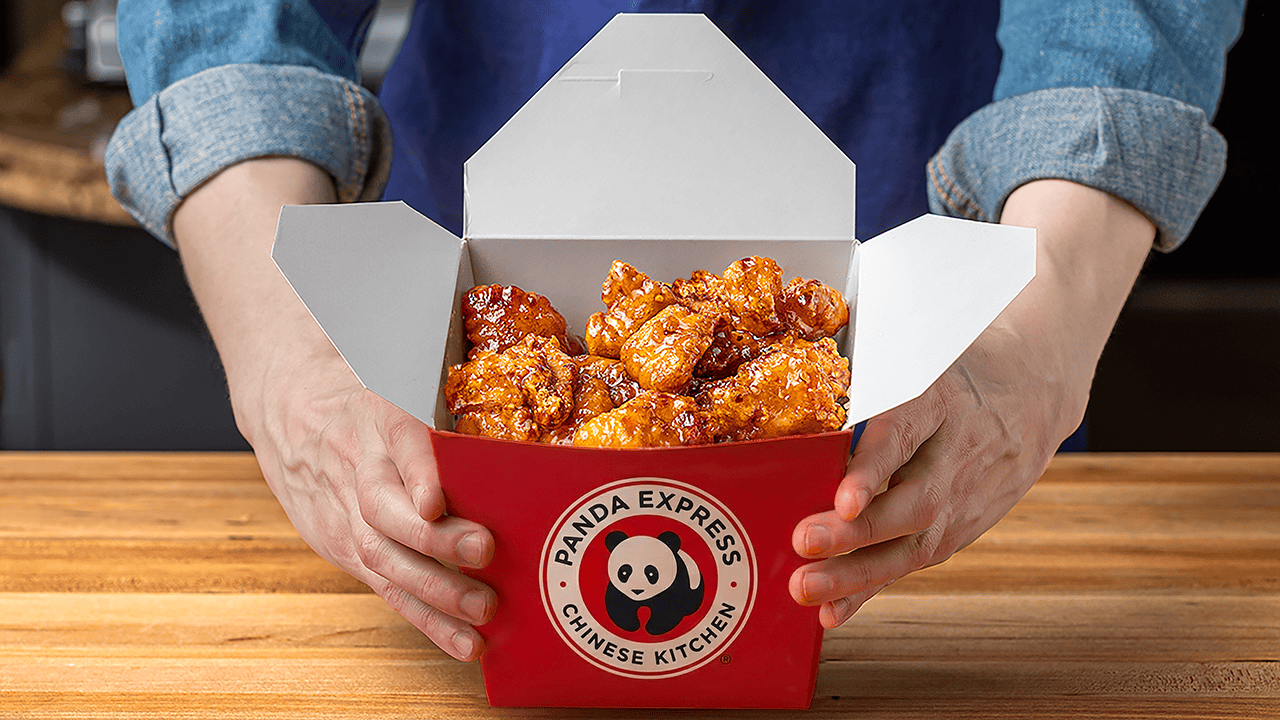
Every Panda Express orange chicken recipe on the internet tells you to use orange juice. They’re all wrong.
It’s a quarter teaspoon of McCormick Pure Orange Extract, buried in the “contains less than two percent” section of Panda Express’s official ingredient list. Twenty years of online recipes, and it was extract the whole time. I spent two months and about fifteen batches pulling apart the official ingredient list, former employee accounts, and Panda’s own training materials to get the full picture.
But the orange wasn’t the only thing everyone missed. If you’ve tried making this at home and it didn’t work, the recipe you followed was broken. Panda Express doesn’t use a simple cornstarch dredge like every online recipe tells you to. They use a three-layer system: a tacky marinade made with dried egg powder, a pure starch dry dredge, and a flour-dominant wet batter. Each layer does a completely different job.
This post contains affiliate links, which means I may earn a small commission if you make a purchase. It doesn’t cost you anything extra.Full disclosure.
Why This Orange Chicken Recipe Works
Orange extract, not orange juice. The official ingredient list, Jimmy Wang (Panda’s head of product development), and independent sources all confirm it. A quarter teaspoon of extract delivers the “essence of fruitiness” that juice and zest can’t replicate at that concentration.
Three starches, not one. Dried egg powder marinade for adhesion, cornstarch-potato starch dry dredge for crunch and sauce resistance, flour-dominant wet batter for structure. Each layer has a specific job, and skipping any one of them is why most homemade versions fail.
Freeze between fries, not just a double fry. Ice crystals form in the crust during freezing. When the chicken hits the oil a second time, those crystals evaporate and leave air pockets behind. Crunchier than a standard double fry, and it’s the reason Panda’s crust holds up in a sauce that’s almost half vinegar.
Every Panda sauce starts from the same base. Employees call it the Basic Sauce. It’s not on the ingredient list by name. I pieced it together from former employee accounts and training materials found online.
Citric acid, not phosphoric acid. The commercial version uses phosphoric acid (the same thing in Coca-Cola). Citric acid replicates that crisp sourness at home without any competing flavor.
Ingredients You’ll Need
Orange Extract: This is the one ingredient you absolutely cannot substitute. McCormick Pure Orange Extract is widely available. Do not use orange juice, orange zest, or orange oil. The amount is tiny (a quarter teaspoon), and that’s the point. The “orange” in orange chicken is barely there.
Dried Whole Egg Powder: Panda uses this in both the marinade and the batter. In the marinade, the egg proteins bond to the chicken surface and create a tacky layer the breading grabs onto. In the batter, it provides binding and browning without the excess moisture that fresh eggs would add. Judee’s or Bob’s Red Mill are both easy to find in the baking aisle or on Amazon.
Potato Starch: Most recipes use straight cornstarch. Panda uses both. Cornstarch gives you the initial crunch, but vinegar breaks it down. Potato starch expands more when it fries and holds up in acidic sauces. If you made my Beijing Beef recipe, you already have this in your pantry.
Xanthan Gum: Used in both sauces for different reasons. In the Basic Sauce, it keeps the sugar and corn syrup from separating during storage. In the #2 Sauce, it compensates for the acid breaking down the cornstarch. A small bag lasts forever.
Citric Acid: A few dollars on Amazon. Replicates the phosphoric acid in the commercial version. If you’ve made Chinese Takeout Chow Mein or other restaurant copycats, you may already have this.
Shaoxing Cooking Wine: Used in the wok stage for deglazing. If you can’t find it at a regular grocery store, any Asian grocery will carry it. In a pinch, dry sherry works.
Dark Corn Syrup: Goes into the Basic Sauce. Not the same as regular corn syrup. The molasses flavor matters here, so regular corn syrup won’t work the same way.
How to Make Panda Express Orange Chicken
1. Make the aromatic infusions. Prepare the ginger garlic infusion and chili flakes oil at least 15 minutes ahead. These are the same infusions used in my Beijing Beef recipe. They keep in the fridge for two weeks, so make them once and use them across multiple Panda Express dishes.
2. Make the Basic Sauce. Combine soy sauce, sugar, dark corn syrup, salt, MSG, white pepper, and water in a small saucepan. Warm over medium heat until dissolved. Whisk in xanthan gum off the heat. Every Panda Express sauce starts with this. You’ll only use two tablespoons for this recipe. The rest stores for months.
3. Make the #2 Sauce Mix. Combine sugar, distilled white vinegar (not rice vinegar), Basic Sauce, water, and citric acid. Whisk in cornstarch and xanthan gum until dissolved, then stir in the orange extract. The sauce is ready to pour. Stir well before using because the cornstarch settles.
4. Marinate the chicken. Toss one pound of boneless skinless chicken thighs (cut into one-inch pieces) with dried egg powder, salt, white pepper, cornstarch, and vegetable oil. Transfer to a zip-lock bag and massage the marinade into the chicken. Refrigerate for at least 30 minutes, up to 4 hours.
5. Prepare the dry dredge and wet batter. The dry dredge is pure starch: cornstarch, potato starch, and a few seasonings. The wet batter is flour-dominant with egg powder and ice water. Keep the batter over an ice bath. It needs to stay between 35 and 41 degrees when it hits the oil.
6. First fry. Heat oil to 350 degrees. Working a few pieces at a time, press marinated chicken into the dry dredge, dip into the cold wet batter, and go directly into the oil. Fry in batches for 2-3 minutes until the crust sets. The chicken is not fully cooked at this stage.
7. Freeze. Cool the par-fried chicken to room temperature, then freeze on a baking sheet in a single layer for at least 6 hours. Overnight is optimal. This is the step that makes the crust stay crispy in the sauce.
8. Second fry. Fry half the frozen chicken (do not thaw) at 350 degrees for about 7 minutes until deep golden brown and 165 degrees internal. The other half stays in the freezer for a second meal.
9. Wok assembly. Heat a wok until lightly smoking. Add oil, then the ginger garlic infusion and chili paste. Stir for 10-20 seconds. Add Shaoxing wine, then pour in the #2 Sauce Mix (stir it first). Wait for tiny bubbles across the surface, which signals the sugar is caramelizing. Add the chicken, toss to coat for 30-45 seconds, drizzle sesame oil, and serve immediately over rice.
Tips for the Best Panda Express Orange Chicken
Keep the batter ice cold. When cold batter hits hot oil, the moisture turns to steam almost instantly. That rapid steam creates the air pockets that make the crust crunchy. If the batter warms up between batches, the crust comes out dense and chewy.
Don’t skip the freeze. A standard double fry improves crunch. A double fry with a freeze in between is a different level entirely. The ice crystals that form during freezing create additional air pockets when they evaporate in the oil. Panda Express figured this out and nobody else bothered to copy it.
Stir the sauce before pouring. The cornstarch settles to the bottom of the #2 Sauce Mix. If you pour without stirring, you get thin sauce on top and a starchy clump at the bottom of the bowl.
Wait for the bubbles in the wok. Do not add the chicken until you see tiny bubbles across the entire surface of the sauce. That’s the sugar caramelizing, and it’s what gives the sauce its glossy cling. Adding chicken too early means thin, runny sauce.
Serve immediately. Panda Express trains their cooks to discard orange chicken after 45 minutes. At home, you have about a 30-minute window before the crust starts absorbing moisture from the sauce.
Storage and Reheating
Par-fried chicken (pre-freeze): Transfer cooled, par-fried pieces to a zip-lock bag. Stores in the freezer for up to 2 months. When ready, skip straight to the second fry and make a fresh batch of sauce.
Finished orange chicken: This dish does not store well once sauced. The crust absorbs moisture from the sauce within an hour. If you have leftovers, eat them within 30 minutes for the best texture.
Basic Sauce: Stores in a sealed jar in the fridge for up to 2 months. Use it as the base for Kung Pao Chicken, Beef & Broccoli, or any other Panda Express sauce.
Aromatic infusions: Both the ginger garlic infusion and chili flakes oil keep in the fridge for up to two weeks.
Frequently Asked Questions
Can I use chicken breast instead of thighs?
You can, but the results won’t be the same. Dark meat has more intramuscular fat, which keeps the chicken moist through two rounds of frying plus a wok toss. Breast meat dries out significantly with that much cooking. Panda Express uses dark meat for this reason.
Why not use fresh eggs instead of egg powder?
Fresh eggs add too much moisture to the marinade, and that moisture has to boil off in the oil before the crust can crisp. Dried egg powder bonds to the chicken surface without the extra liquid, creating a tacky layer that the dry dredge grabs onto. It also enhances the chicken flavor in a way that fresh eggs don’t.
What’s the difference between this and regular orange chicken recipes?
Most recipes online use a simple cornstarch dredge, fresh eggs, orange juice, and rice vinegar. This recipe uses a three-layer batter system with dried egg powder, three different starches, orange extract instead of juice, distilled white vinegar, citric acid, and a freeze between fries. These aren’t small tweaks. The techniques are different and so are the results.
Can I make the sauce ahead of time?
Yes. Both the Basic Sauce (stores for 2 months refrigerated) and the #2 Sauce Mix (stores for a few days refrigerated) can be made ahead. Stir the #2 Sauce well before using because the cornstarch settles.
Do I really need xanthan gum?
It does two different jobs in this recipe. In the Basic Sauce, it prevents the ingredients from separating in the jar. In the #2 Sauce, it keeps the vinegar from breaking down the cornstarch. You can skip it, but the Basic Sauce will need stirring every time you use it, and the #2 Sauce may thin out faster in the wok. A small bag is a few dollars and lasts through dozens of recipes.
Reverse-engineered from Panda Express's official ingredient list, former employee accounts, and training materials. This recipe uses the same three-layer batter system (dried egg powder marinade, dual-starch dry dredge, flour-dominant wet batter), the Basic Sauce that serves as the foundation for every Panda Express sauce, and a double fry with a freeze in between that keeps the crust crispy in a sauce that's almost half vinegar. The key discovery: orange extract, not juice, in the "contains less than two percent" section of the label.
Course Main Course
Cuisine Chinese-American
Keyword chinese orange chicken, crispy orange chicken, homemade orange chicken, orange chicken, orange chicken recipe, panda express, panda express orange chicken, panda express recipe
Whisk together the grated ginger, minced garlic, vegetable oil, and water for the ginger garlic infusion. The water pulls the aromatics out of the ginger and prevents the garlic from scorching in the wok later. Set aside for at least 15 minutes. You'll use 1 tsp for this recipe.
Stir the water into the crushed red pepper flakes until evenly wet. Heat the vegetable oil to 275°F and slowly pour it over the wet chili flakes. It will foam up. The water absorbs the initial heat while the oil extracts color and aroma instead of burning the chilis. You'll use 1/4 tsp for this recipe.
Make the Basic Sauce
Combine soy sauce, sugar, dark corn syrup, salt, MSG, white pepper, and water in a small saucepan. Warm over medium heat just until the sugar and MSG dissolve. Do not boil.
Remove from heat and whisk in the xanthan gum while the sauce is still warm. Transfer to a jar and cool to room temperature. You'll use 1 1/2 tablespoons for the #2 Sauce. Refrigerate the rest for up to 2 months.
Make the #2 Sauce Mix
Combine sugar, distilled white vinegar, Basic Sauce, water, and citric acid in a bowl. Stir until sugar and citric acid dissolve.
Whisk in the cornstarch and xanthan gum until completely dissolved. Then stir in the orange extract. The sauce is ready to pour. Stir well before using because the cornstarch settles to the bottom.
Marinate the Chicken
Toss the chicken thigh pieces with dried egg powder, salt, white pepper, cornstarch, and vegetable oil until evenly coated. Transfer to a zip-lock bag and massage the marinade into the chicken through the bag. Refrigerate for at least 30 minutes, up to 4 hours.
Dredge and First Fry
Heat fry oil to 350°F before you begin dredging. Whisk together the dry dredge ingredients (cornstarch, potato starch, onion powder, garlic powder, white pepper) in a large bowl.
Whisk together all wet batter ingredients in a separate bowl. Keep the batter over an ice bath between batches. The batter must stay between 35-41°F.
Working a few pieces at a time, press marinated chicken firmly into the dry dredge. Shake off excess. Dip into the cold wet batter, let excess drip off, and place directly into the 350°F oil.
Fry in batches for 2-3 minutes until the crust sets. Do not crowd the pot. The chicken is not fully cooked at this stage. Drain on a wire rack. Skim debris from the oil between batches.
Freeze
Cool par-fried chicken to room temperature. Transfer to a baking sheet in a single layer and freeze for at least 6 hours. Overnight is optimal. Ice crystals form in the crust and evaporate during the second fry, leaving air pockets that make the crust crunchier.
Second Fry and Wok Assembly
Reheat oil to 350°F. Fry half the frozen chicken (do not thaw) for about 7 minutes until deep golden brown and internal temperature reaches 165°F. Drain on a wire rack.
Heat a clean wok over medium-high heat until lightly smoking. Add vegetable oil and swirl to coat. Add the ginger garlic infusion and chili flakes in oil. Stir for 10-20 seconds. The chili is for aroma and color, not heat.
Add Shaoxing cooking wine. Stir the #2 Sauce Mix well before pouring (the cornstarch settles), then pour in all 3/4 cup. Stir until the sauce reaches a rapid bubble and thickens. Look for tiny bubbles across the entire surface. That's the sugar caramelizing. Do not add the chicken until the sauce is at the right viscosity.
Add the double-fried chicken and toss to coat for 30-45 seconds until every piece is glazed. Drizzle toasted sesame oil around the rim, toss once more, and serve immediately over rice.
Video
Notes
Eat Immediately. This dish has about a 30-minute window before the crust starts to soften. At the store, Panda Express remakes it every 45 minutes. Serve the moment it comes out of the wok.About the Basic Sauce. This is the foundation for every Panda Express sauce. You only need 1.5 tablespoons for one batch of orange chicken. Store the rest in a jar in the fridge for up to two months and use it as the base for Kung Pao Chicken, Beef & Broccoli, or any other PE sauce.Why Orange Extract, Not Orange Juice? The official ingredient list and Panda’s head of product development confirm it: orange extract, not juice. The “orange” in orange chicken is barely there. A quarter teaspoon of McCormick Pure Orange Extract is all you need.Why Dried Egg Powder? Fresh eggs add too much moisture to the marinade. Dried egg powder bonds to the chicken surface without the extra liquid, creating a tacky layer the dry dredge grabs onto. It also enhances chicken flavor. Available in the baking aisle (Judee’s or Bob’s Red Mill) or on Amazon.Why Distilled White Vinegar? Do not substitute rice vinegar, apple cider vinegar, or wine vinegar. Distilled white vinegar has a cleaner acidity that doesn’t compete with the orange extract. Note for international viewers: European white vinegar is typically 20% acidity vs. American 5%. Adjust quantity accordingly.Do Not Skip the Freeze. The freeze step is what keeps the crust from going soggy in the sauce. Ice crystals form in the coating, evaporate on the second fry, and leave air pockets behind. This produces a lighter, crunchier crust than a standard double fry.Batch Cooking. The chicken prep yields enough for two meals. After the first fry, freeze everything. When you’re ready for the second batch, make a fresh #2 Sauce Mix and skip straight to the second fry. Frozen chicken keeps for up to 2 months.Why Xanthan Gum in Both Sauces? In the Basic Sauce, xanthan gum keeps the sugar and corn syrup from separating during storage. In the #2 Sauce, it compensates for the vinegar breaking down the cornstarch. Both amounts are tiny (1/16 tsp each).
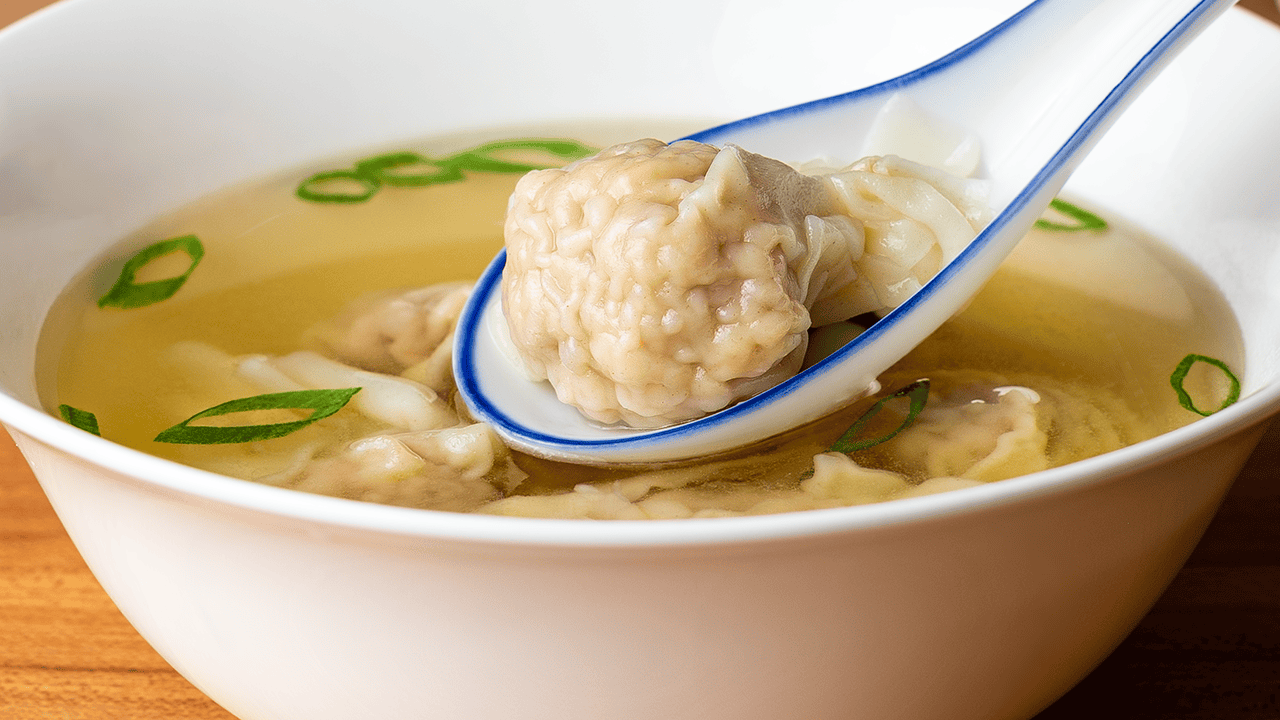
If your homemade wonton soup broth doesn’t taste like takeout, you’re probably using the wrong chicken broth. Western-style stock uses mirepoix, parsley, and black peppercorns. Asian-style chicken bouillon is a…
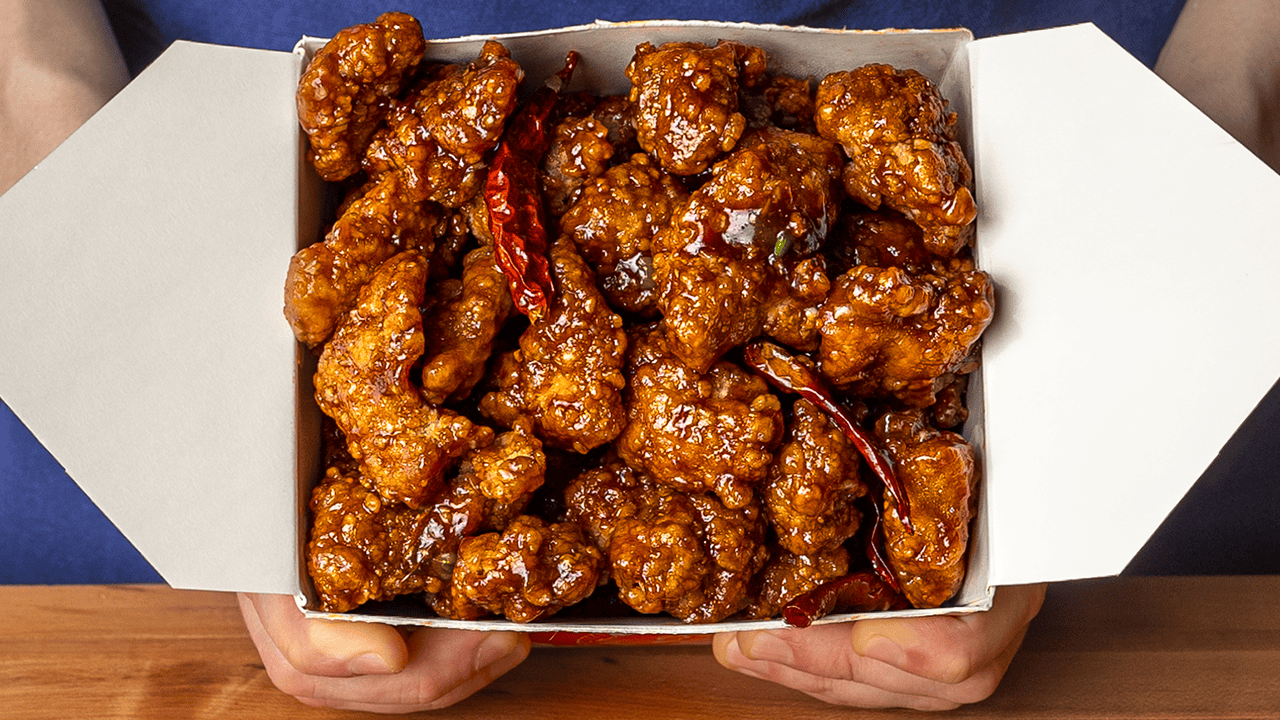
Most General Tso’s chicken you get from a takeout place is too sweet, with soggy chicken and no crunch. The meat is tough, the crust has no texture, and the…
Chinese takeout egg drop soup is one of those dishes that sounds impossible to mess up. It’s broth and eggs. But if you’ve made it at home and ended up…
I hate Spam as much as you do. So, I'll never share your address or send you advertisements. Just the occasional update and the inside scoop on new recipes.
4 1/2tbspdistilled white vinegar (not rice vinegar)
1 1/2tbspBasic Sauce (from above)
1 1/2tbspwater
1/8tspcitric acid
2 1/4tspcornstarch
1/16tspxanthan gum (a small pinch)
1/4tspMcCormick Pure Orange Extract
The Marinade
1lbboneless skinless chicken thighs (cut into 1-inch pieces)
1tbspdried whole egg powder
1/2tsptable salt
1/4tspwhite pepper
1tbspcornstarch
1tspvegetable oil
The Starch Coating (Dry Dredge)
1/3cupcornstarch
1/3cuppotato starch
1/4tsponion powder
1/4tspgarlic powder
1/8tspwhite pepper
The Wet Batter
1cupall-purpose flour
2/3cupcornstarch
1/2cuppotato starch
1tsponion powder
1tspgarlic powder
1/4tspwhite pepper
1/2tspbaking powder
1/2tsptable salt
3tbspdried whole egg powder
1 1/3cupsice water
For Frying
vegetable oil (enough to deep fry)
The Wok (per batch)
1-2tspvegetable oil
1tspginger garlic infusion (from above)
1/4tspchili flakes in oil (from above)
1tspShaoxing cooking wine
3/4cup#2 Sauce Mix (stir well before pouring)
1/4tsptoasted sesame oil
Equipment
114-inch Mandarin Wokfor stir-frying
1Made-In Carbon Steel Wokfor deep-frying
1Made-In Sauicer (saucepan)for the basic sauce
1Deep Fry Thermometer
1wire cooling rack
1baking sheet
1Microplane Grater
1Wok Spider/Strainer
1Whisk
1Hefty Storage Gallon Bags
1Mixing bowls
1Deli Containersfor sauce storage
1Fine Mesh Strainerfor skimming fry oil
1Measuring Spoons
1
Whisk together the grated ginger, minced garlic, vegetable oil, and water for the ginger garlic infusion. The water pulls the aromatics out of the ginger and prevents the garlic from scorching in the wok later. Set aside for at least 15 minutes. You'll use 1 tsp for this recipe.
2
Stir the water into the crushed red pepper flakes until evenly wet. Heat the vegetable oil to 275°F and slowly pour it over the wet chili flakes. It will foam up. The water absorbs the initial heat while the oil extracts color and aroma instead of burning the chilis. You'll use 1/4 tsp for this recipe.
3
Combine soy sauce, sugar, dark corn syrup, salt, MSG, white pepper, and water in a small saucepan. Warm over medium heat just until the sugar and MSG dissolve. Do not boil.
4
Remove from heat and whisk in the xanthan gum while the sauce is still warm. Transfer to a jar and cool to room temperature. You'll use 1 1/2 tablespoons for the #2 Sauce. Refrigerate the rest for up to 2 months.
5
Combine sugar, distilled white vinegar, Basic Sauce, water, and citric acid in a bowl. Stir until sugar and citric acid dissolve.
6
Whisk in the cornstarch and xanthan gum until completely dissolved. Then stir in the orange extract. The sauce is ready to pour. Stir well before using because the cornstarch settles to the bottom.
7
Toss the chicken thigh pieces with dried egg powder, salt, white pepper, cornstarch, and vegetable oil until evenly coated. Transfer to a zip-lock bag and massage the marinade into the chicken through the bag. Refrigerate for at least 30 minutes, up to 4 hours.
8
Heat fry oil to 350°F before you begin dredging. Whisk together the dry dredge ingredients (cornstarch, potato starch, onion powder, garlic powder, white pepper) in a large bowl.
9
Whisk together all wet batter ingredients in a separate bowl. Keep the batter over an ice bath between batches. The batter must stay between 35-41°F.
10
Working a few pieces at a time, press marinated chicken firmly into the dry dredge. Shake off excess. Dip into the cold wet batter, let excess drip off, and place directly into the 350°F oil.
11
Fry in batches for 2-3 minutes until the crust sets. Do not crowd the pot. The chicken is not fully cooked at this stage. Drain on a wire rack. Skim debris from the oil between batches.
12
Cool par-fried chicken to room temperature. Transfer to a baking sheet in a single layer and freeze for at least 6 hours. Overnight is optimal. Ice crystals form in the crust and evaporate during the second fry, leaving air pockets that make the crust crunchier.
13
Reheat oil to 350°F. Fry half the frozen chicken (do not thaw) for about 7 minutes until deep golden brown and internal temperature reaches 165°F. Drain on a wire rack.
14
Heat a clean wok over medium-high heat until lightly smoking. Add vegetable oil and swirl to coat. Add the ginger garlic infusion and chili flakes in oil. Stir for 10-20 seconds. The chili is for aroma and color, not heat.
15
Add Shaoxing cooking wine. Stir the #2 Sauce Mix well before pouring (the cornstarch settles), then pour in all 3/4 cup. Stir until the sauce reaches a rapid bubble and thickens. Look for tiny bubbles across the entire surface. That's the sugar caramelizing. Do not add the chicken until the sauce is at the right viscosity.
16
Add the double-fried chicken and toss to coat for 30-45 seconds until every piece is glazed. Drizzle toasted sesame oil around the rim, toss once more, and serve immediately over rice.