Chinese Takeout General Tso’s Chicken (Crispy Double-Fried Recipe)
Most General Tso’s chicken you get from a takeout place is too sweet, with soggy chicken and no crunch. The meat is tough, the crust has no texture, and the…


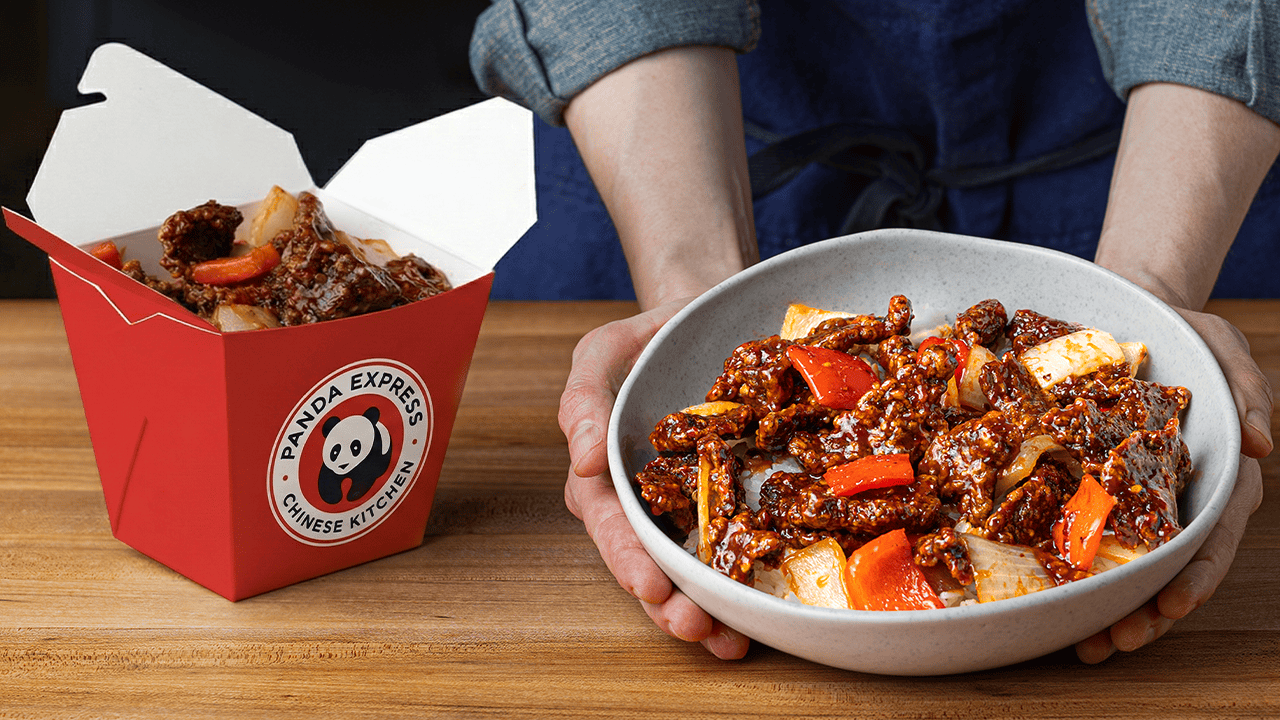
Every homemade Panda Express Beijing Beef recipe I could find online tasted nothing like the restaurant. The sauce was wrong. The breading turned soggy the second it touched the glaze. And not one recipe accounted for the two aromatic infusions that Panda actually uses. So I pulled their official ingredient list, cross-referenced everything former employees have said publicly about this dish, and tested it dozens of times until I matched every component.
Panda’s sauce doesn’t use hoisin, sambal, or rice vinegar. None of those are on the ingredient list. And their breading uses a modified food starch with whey protein that you can’t buy at a grocery store. But you can replicate both with the right substitutions, and this post shows you exactly how.
This post contains affiliate links, which means I may earn a small commission if you make a purchase. It doesn’t cost you anything extra. Full disclosure.
Flank steak is the standard cut for Chinese stir-fry at home. Panda’s ingredient list just says “beef” alongside two separate tenderizing agents (sodium bicarbonate and sodium phosphate), which suggests they’re using a cheaper, tougher cut. You don’t need to. Slice the flank steak against the grain into quarter-inch strips to shorten the muscle fibers.
Better Than Bouillon Roasted Beef Base is the workhorse of the marinade. Panda gets its umami from hydrolyzed soy protein, hydrolyzed corn protein, and autolyzed yeast. These deliver glutamic acid through three different pathways, and a small amount of all three together hits harder than a large amount of any single one. That deep, savory flavor you can’t quite identify when you eat Beijing Beef at the restaurant? That’s what this combination produces. Better Than Bouillon contains hydrolyzed soy protein and yeast extract. Paired with the MSG in the sauce, that covers all three pathways using grocery store ingredients.
Dark corn syrup replaces three industrial sweetening agents in the original sauce (invert syrup, corn syrup solids, and dextrose). One prevents crystallization, one adds body, and one browns faster than regular sugar. Dark corn syrup handles all three. You can substitute honey, but the flavor shifts slightly.
Citric acid is the grocery store equivalent of the phosphoric acid in the commercial version. Phosphoric acid is the same thing that gives Coca-Cola its crisp tanginess. In this sauce, it provides a clean, sharp acidity that cuts through the sugar without the fermented notes that extra vinegar would add. A few dollars on Amazon, and it lasts forever.
Distilled white vinegar specifically. Do not substitute rice wine vinegar or apple cider vinegar. Both introduce fruity or floral notes that change the flavor.
Non-fat dry milk powder in the starch coating sounds strange until you understand why. Panda uses whey protein isolate to create a moisture seal and accelerate Maillard browning. Dry milk powder is the closest home substitute. If someone had told me the secret to Panda’s crunchy breading was essentially baby formula, I wouldn’t have believed it either.
Beef tallow is on the official Panda Express ingredient list. It adds a saturated-fat richness and subtle meaty flavor that neutral vegetable oil can’t replicate. You only need a tablespoon and a half mixed into your fry oil. Lard works as a substitute.
1. Make the aromatic infusions (15+ minutes ahead). Whisk together minced garlic, grated ginger (grate it, don’t mince it; grating releases the juice), vegetable oil, and water. Set it aside. For the chili oil, stir water into crushed red pepper flakes until they’re evenly wet, then pour 275°F oil over the mixture. It will foam violently as the water turns to steam. That’s exactly right. The water absorbs the initial heat so the oil extracts color and flavor instead of scorching the chilis.
2. Marinate the beef. Massage baking soda into the sliced flank steak first. This raises the surface pH, which prevents the thin strips from tightening up and squeezing out moisture in hot oil. Then add soy sauce, cold water, and Better Than Bouillon. Toss, cover, and refrigerate for at least 45 minutes.
3. Mix the starch coating. Whisk together cornstarch, rice flour, all-purpose flour, dry milk powder, and white pepper. The 50/25/25 ratio matters: cornstarch provides brittle crunch, rice flour gives a dry non-greasy finish, and AP flour adds structural bite. Cornstarch on its own turns gloppy within a few minutes of saucing.
4. Make the sauce. Combine water, sugar, dark corn syrup, tomato paste, distilled white vinegar, soy sauce, MSG, citric acid, and salt in a small saucepan. Warm over medium heat just until the solids dissolve. Do not let it boil. Cool to room temperature, then whisk in cornstarch and a pinch of xanthan gum. The sauce will look thin, but it thickens when it hits the hot wok.
5. Bread the beef. Whisk egg whites until frothy (not peaking) and pour over the marinated beef. Toss until every strip is coated. Then press each strip firmly into the starch blend. Press hard. You want a thick, uniform coating on all sides.
6. Fry 1 (the blanch). Heat oil with beef tallow to 325°F. Fry the coated beef in batches for 3 minutes until pale gold. Do not crowd the pot. Drain on a wire rack.
7. Freeze. Cool the par-fried beef to room temperature, spread in a single layer on a foil-lined baking sheet, and freeze for at least 6 hours. Overnight is best. This is the most important step in the recipe. Transfer half to a freezer bag for your second batch (stores up to 2 months).
8. Fry 2 (the crisp). Bring oil back to 375°F. Fry 8 oz of beef directly from the freezer (do not thaw, or you undo everything the freeze just did). Cook 4-5 minutes until deep golden brown.
9. Final wok cooking. Heat a clean wok until lightly smoking. Add vegetable oil, then 2 tsp of each aromatic infusion. Sauté 10 seconds. Toss in bell pepper and onion, stir-fry 30-45 seconds. Pour in the sauce, bring to a rapid boil, let it reduce into a glaze. Add the fried beef and toss for 15-20 seconds until every piece is coated. Serve immediately over steamed white rice.
Do not skip the freeze. I know it sounds bizarre to freeze something you just pulled out of a fryer. But the ice crystals that form inside the starch coating create micro-fissures, and the starch itself hardens as it cools (retrogradation). Without this step, the coating absorbs the acidic glaze and turns soft within minutes.
Grate the ginger, don’t mince it. Grating breaks the fibers and releases the juice, which is what you’re actually after for the infusion. Minced ginger gives you chunks. Grated ginger gives you the actual flavor you’re after.
The chili flakes oil technique is worth learning. Pouring hot oil over dry chili flakes gives you about two seconds before they scorch. Wetting the flakes first means the water absorbs the initial heat, evaporates as steam, and while that’s happening, the oil extracts color and flavor instead of burning the chilis. You get deep red color and tempered heat with no bitterness.
Use a thermometer for oil temperatures. 325°F for the first fry, 375°F for the second. Too low and the coating absorbs oil. Too high and it browns before the interior sets.
This recipe looks long, but the actual cooking is fast. Most of the prep is passive (marinating, freezing). Once you hit Fry 2, dinner is on the table in about ten minutes.
Par-fried beef (after Fry 1, frozen): Up to 2 months in an airtight freezer bag. This is the best way to store it. When ready, go straight to Fry 2 from frozen.
Fully cooked Beijing Beef: Refrigerate in an airtight container for up to 3 days. The breading will soften in the fridge. Reheat in a hot skillet or air fryer at 375°F for 3-4 minutes to re-crisp. Do not microwave unless you don’t care about the texture.
The sauce: Keeps in the fridge for up to 2 weeks. Make extra if you want it on hand.
The aromatic infusions: Both the garlic-ginger oil and the chili flakes oil keep in the fridge for up to 2 weeks. Worth making in larger batches since you’ll only use 2 tsp of each per serving.
Flank steak is the best option for stir-fry because it’s lean, slices cleanly against the grain, and stays tender through the double-fry process. Skirt steak works in a pinch but shreds more easily. Avoid pre-sliced “stir-fry meat” from the butcher counter since the strips are usually too thick and cut with the grain.
Panda Express doesn’t list MSG on their ingredient label. But they do list hydrolyzed soy protein, hydrolyzed corn protein, and autolyzed yeast, all of which contain or produce glutamic acid (the same compound as MSG). We’re using MSG directly in the sauce plus Better Than Bouillon in the marinade to cover the same umami pathways with fewer ingredients.
Yes. The sauce will still taste correct, but it may thin out faster after you toss the beef. Xanthan gum is insurance against the vinegar breaking down the cornstarch thickener. If you skip it, serve immediately after tossing.
You can leave it out, but the sauce will taste slightly less sharp and clean. An extra half tablespoon of distilled white vinegar gets you partway there, though the flavor shifts toward fermented acidity rather than the clean bite of the original. Citric acid is a few dollars on Amazon and lasts years.
No. The dish was almost certainly invented by Panda Express marketing. It’s most likely a mashup of two traditional Chinese dishes from completely different regions: guo bao rou (sweet and sour crispy fried pork from Harbin in Northeast China) and dry fried beef from Sichuan. Panda took one dish’s technique, the other’s flavor profile, swapped the pork for beef, and named it after a city that had nothing to do with either one.