Chipotle Adobo Paste Recipe (Old-School Copycat)
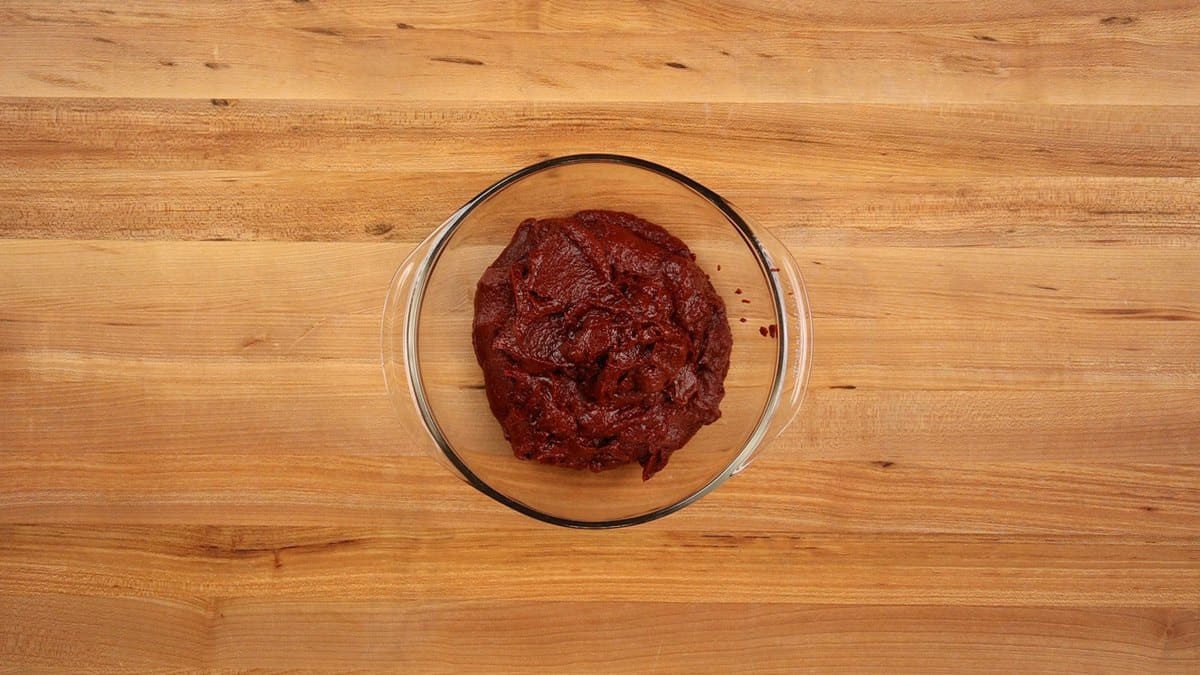
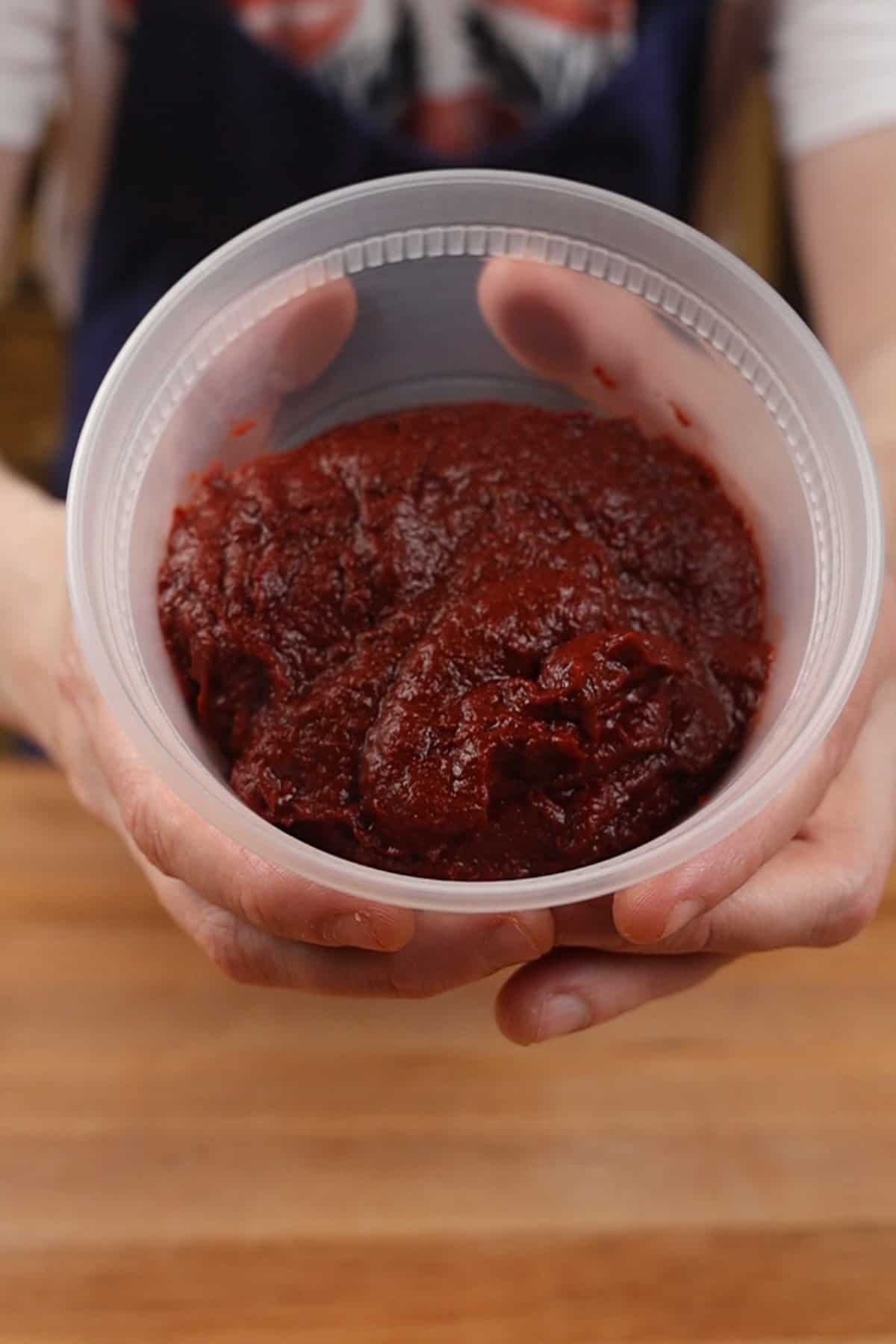
This Chipotle adobo paste recipe makes my version of the marinade behind the restaurant's old-school chicken, steak and beans, from dried Morita chiles, charred garlic and a few spices. It makes about 3 ½ cups in about an hour, most of it cleaning the chiles, and what you don't use right away freezes for up to a year.
This post contains affiliate links, which means I may earn a small commission if you make a purchase. It doesn't cost you anything extra. Full disclosure.
Why Chipotle's Adobo Starts With Dried Chiles
If you've ever made a Chipotle recipe from the internet and wondered why it didn't taste like the restaurant, it's most likely because the recipe told you to use canned chipotle peppers in adobo sauce. From what I've found, the old-school recipe uses a traditional Mexican adobo instead, a thick paste of dried chiles and garlic with a few spices that's used as a base for a ton of dishes in traditional Mexican cooking.
The chile is right there in the name. A chipotle is a jalapeño that's been smoked and dried, and most stores sell two kinds.
Mecos spend a ridiculously long time in the smoke and come out earthy and very smoky, which is a little too much for Chipotle's flavor. Moritas come off the plant a little sooner and get a much shorter smoke, so they're sweeter and less smoky, and those are the ones I use.
To figure out the rest, I went through the ingredient list on Chipotle's website and read what a lot of people who've worked at Chipotle have said about it online. This is the same paste I use in my Chipotle Chicken Burrito Bowl and my Chipotle Steak Burrito.
How Mine Compares to the Restaurant's
I used the brands people who've worked at Chipotle have said the restaurant uses: McCormick's Mediterranean oregano and Morton's coarse kosher salt. That's why the salt on the card is Morton kosher salt, and the amounts are written for it.
This makes far more than one recipe needs, because cleaning and toasting the chiles is a lot of work, and it's always smarter to make a big batch and freeze the rest in small portions than to do it all again next week.
Why This Adobo Paste Works
- Dried Morita chiles. They're smoked for a shorter time than Mecos, so the paste is sweeter and less smoky, and you get the chile flavor without the tomato and vinegar in the canned sauce.
- Garlic charred in its skin. It takes the harshness out of raw garlic and leaves it mellow and smoky.
- Toasted chiles. A few minutes in a dry pan before they rehydrate makes them fragrant.
- One batch for everything. The same paste seasons the chicken, the steak and the beans, with plenty left over to freeze.
Chipotle Adobo Paste Ingredients
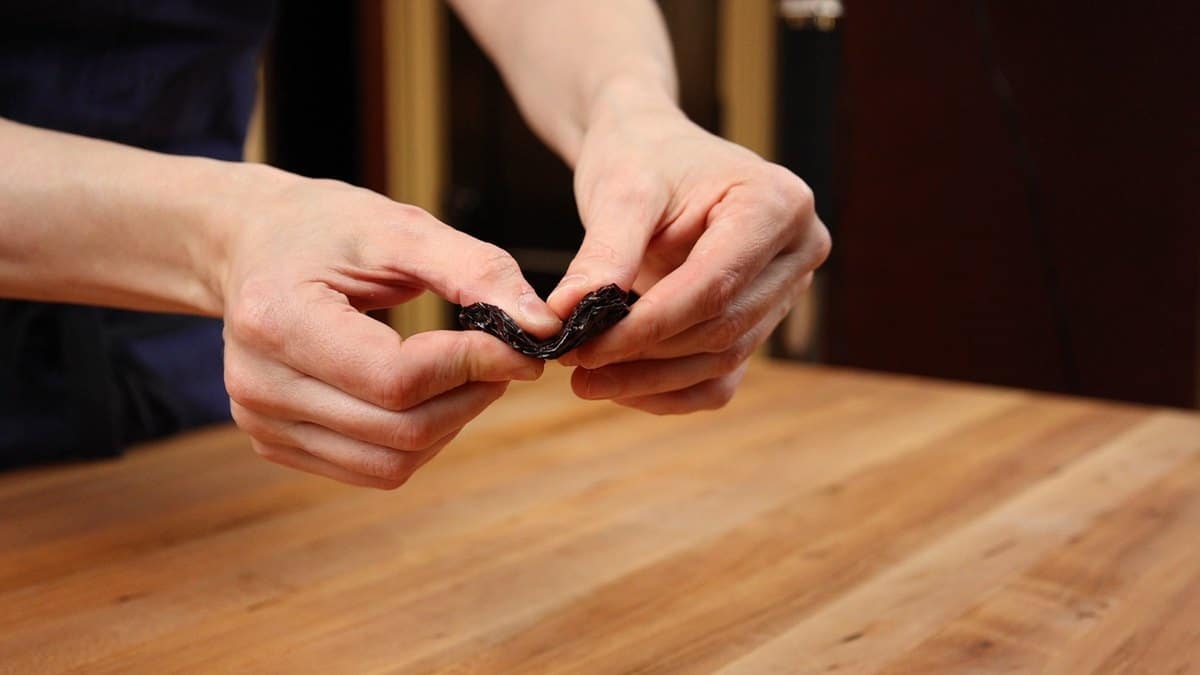
Dried Chipotle Morita chiles. When you buy them, bend one, and it should be pliable. If your chiles are brittle and break or crumble when you bend them, they're too dried out and should be thrown away. You should be able to find them at most grocery stores.
One viewer wrote that if you can't find Moritas, 2 ounces of Mecos with 6 ounces of ancho chiles gets you in the ballpark. I haven't tested that myself.
Garlic. Use 4 cloves, or 6 if they're small, with the skins still on for charring.
Mediterranean oregano. Any Mediterranean or Greek oregano works. Mexican oregano comes from a different plant and tastes stronger, so use it in a pinch, knowing it won't be quite the same.
Morton kosher salt. Any salt will do, as long as you know a spoonful of each kind weighs a different amount. If you only have Morton table salt, use about a fifth less by the spoon.
How to Make Chipotle Adobo Paste
1. Clean the chiles
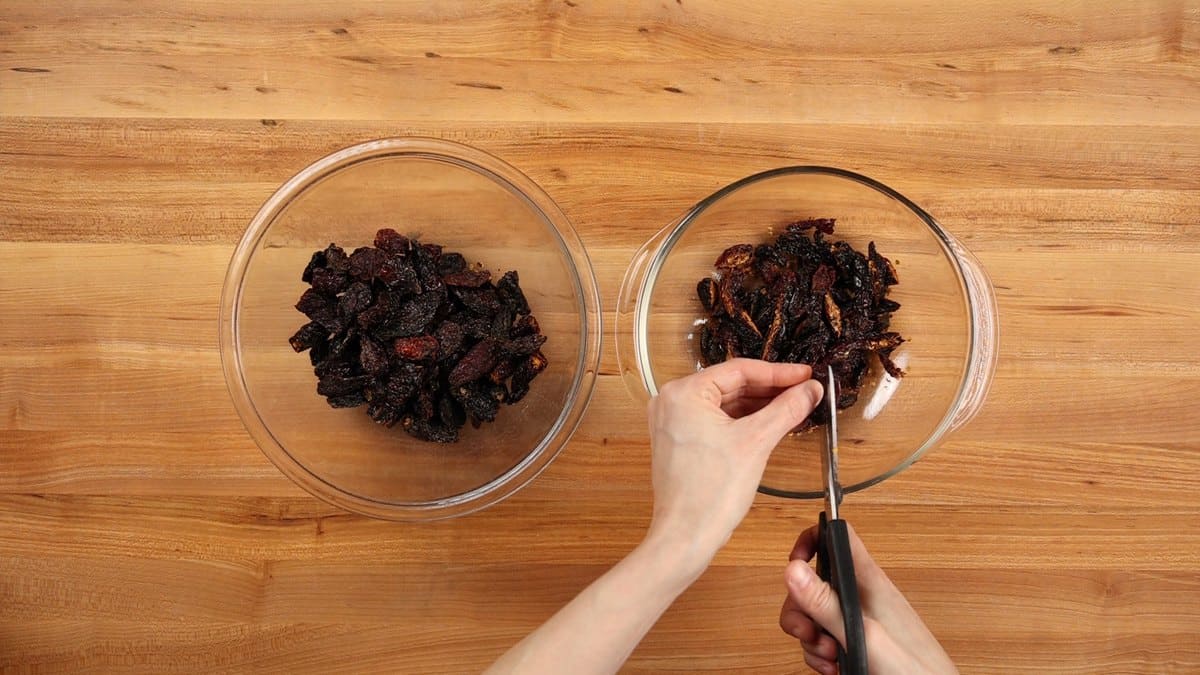
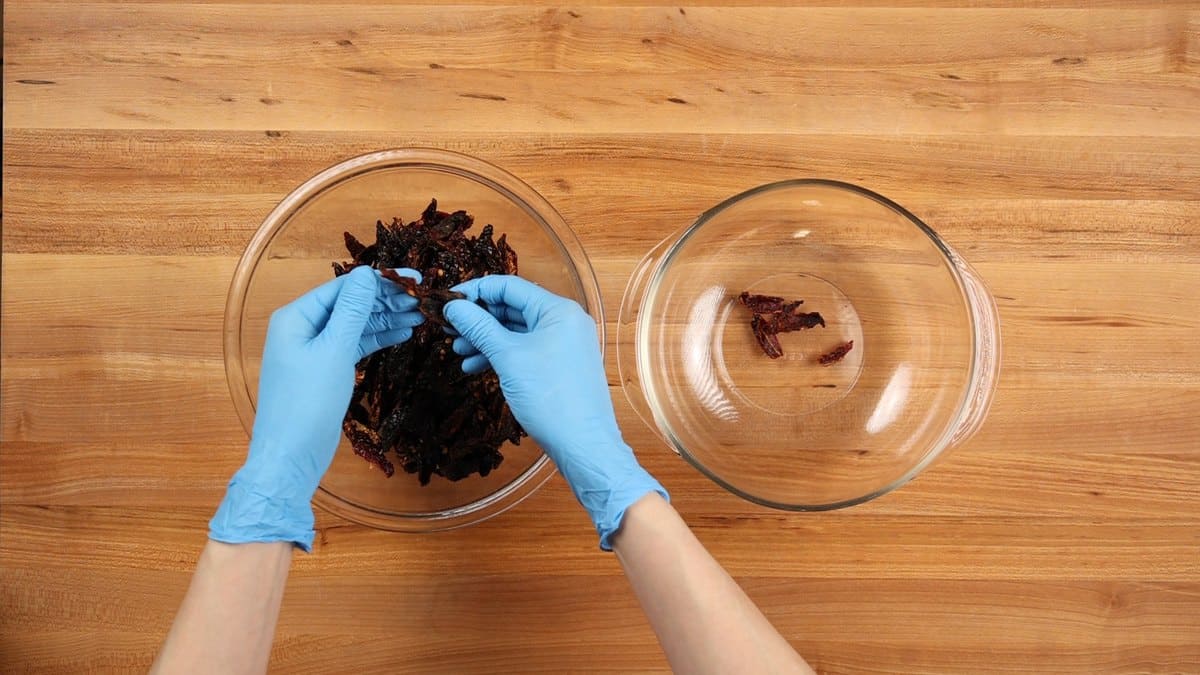
Cut the dried Moritas in half lengthwise and take out the stems, seeds and ribs. You don't need to get every last seed, but get out as many as you can, because the seeds don't blend well and they can taste bitter. I snip off the stems with kitchen scissors first.
2. Toast and rehydrate them
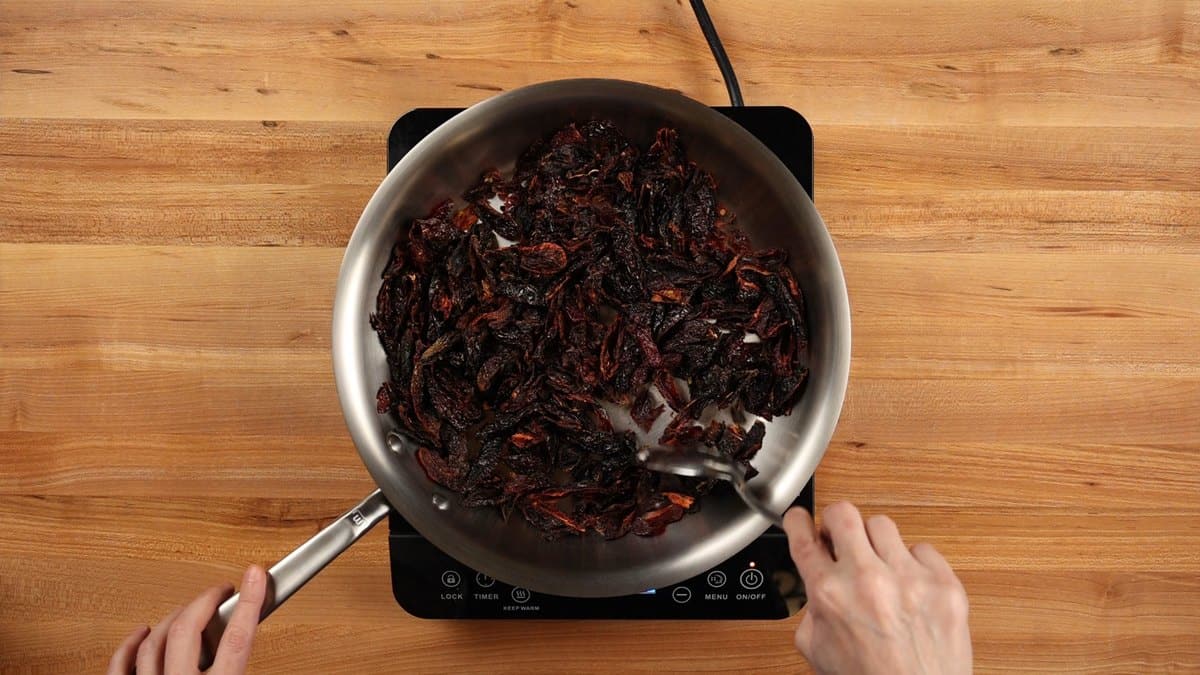
Heat your largest dry pan over medium heat, add the chiles and stir the whole time until they're fragrant and slightly darker, usually about 4 to 5 minutes. Don't let them burn.
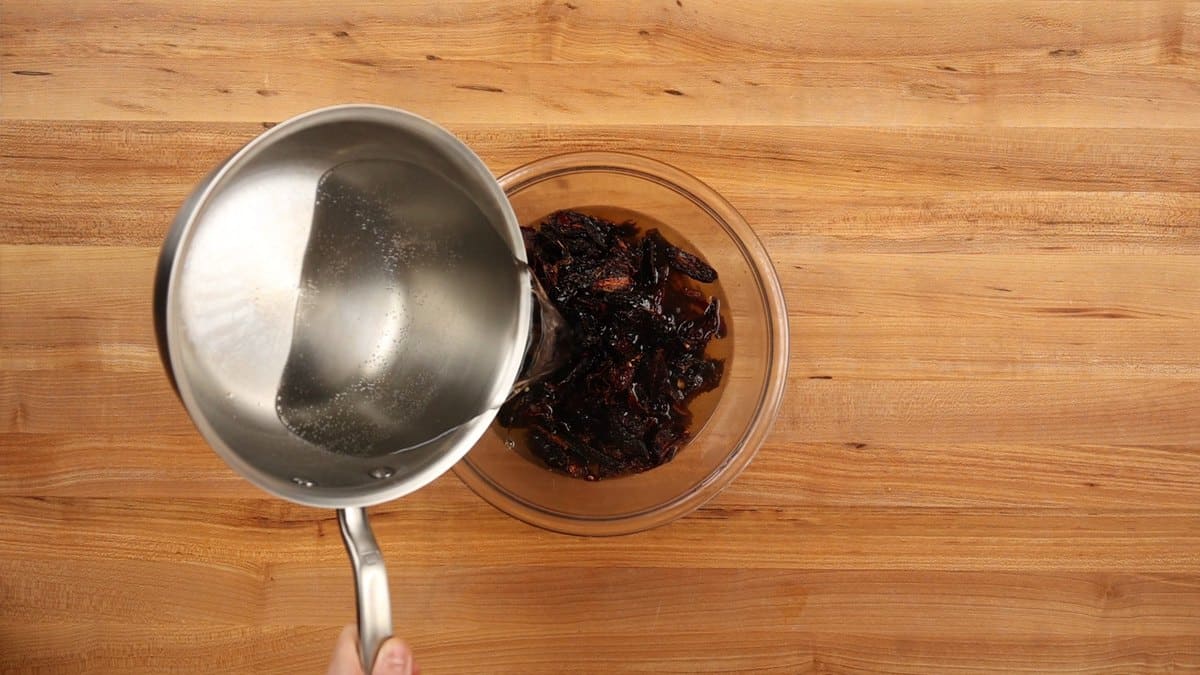
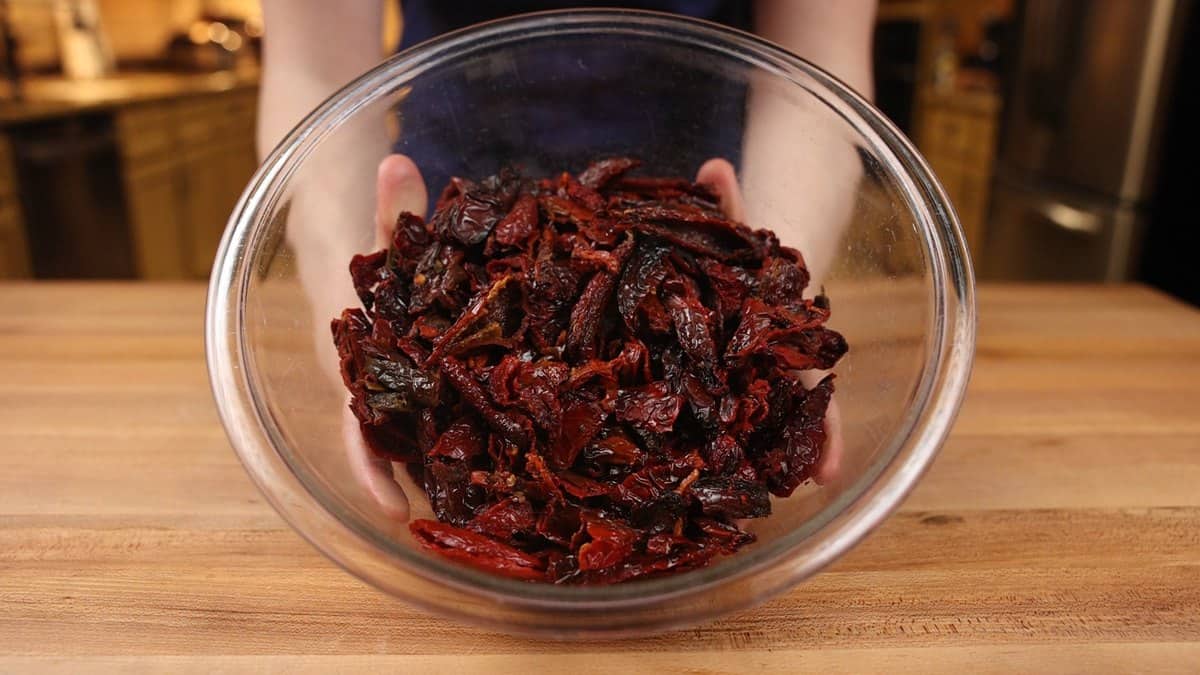
Put the toasted chiles in a large bowl, cover them completely with hot water, and cover the bowl with plastic wrap. After 15 to 20 minutes they'll be plump and soft.
3. Char the garlic
While the chiles rehydrate, set the garlic cloves in a dry pan over medium heat with the skins still on. Keep turning them every few minutes until the skins are blackened all over and the cloves give a little when you press them, about 10 to 15 minutes.
Mexican cooks often roast garlic in its skin this way, and Rick Bayless roasts unpeeled garlic the same way in his book Authentic Mexican. Peel the cloves once they've cooled.
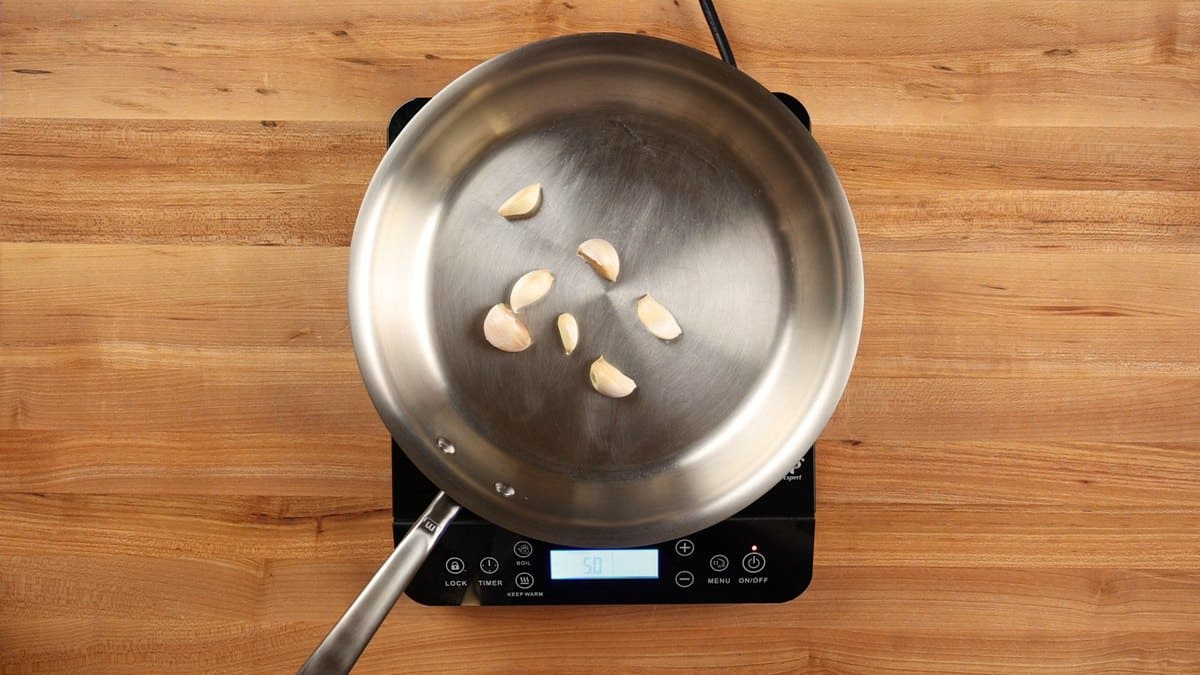
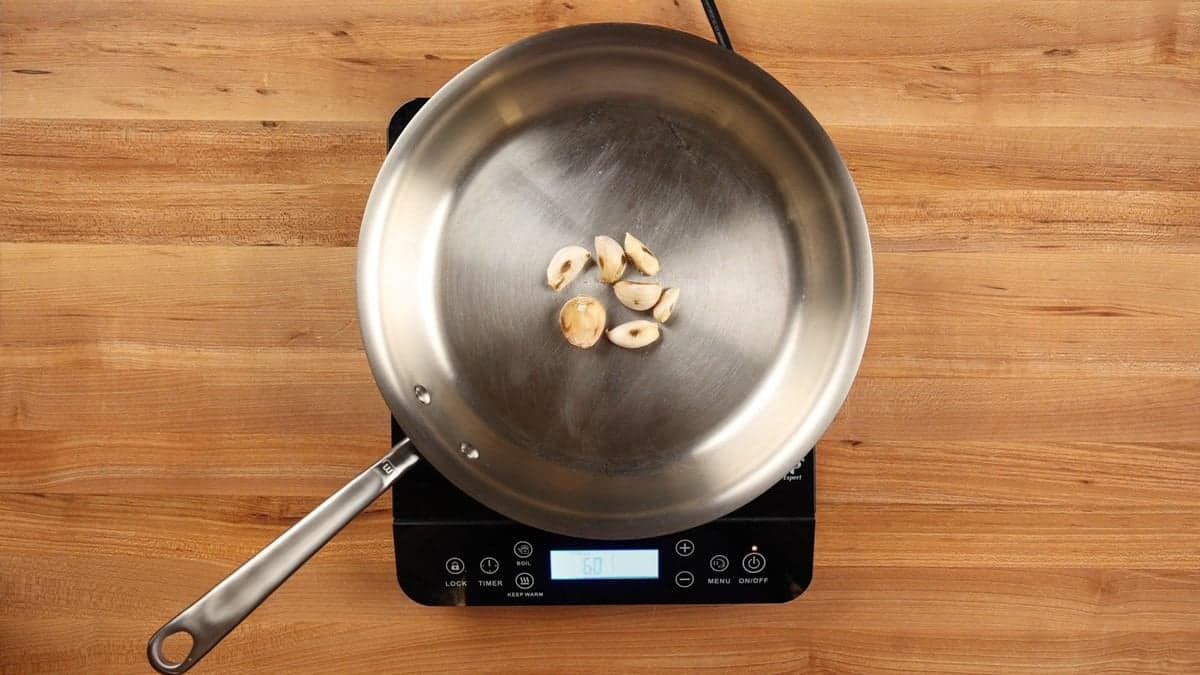
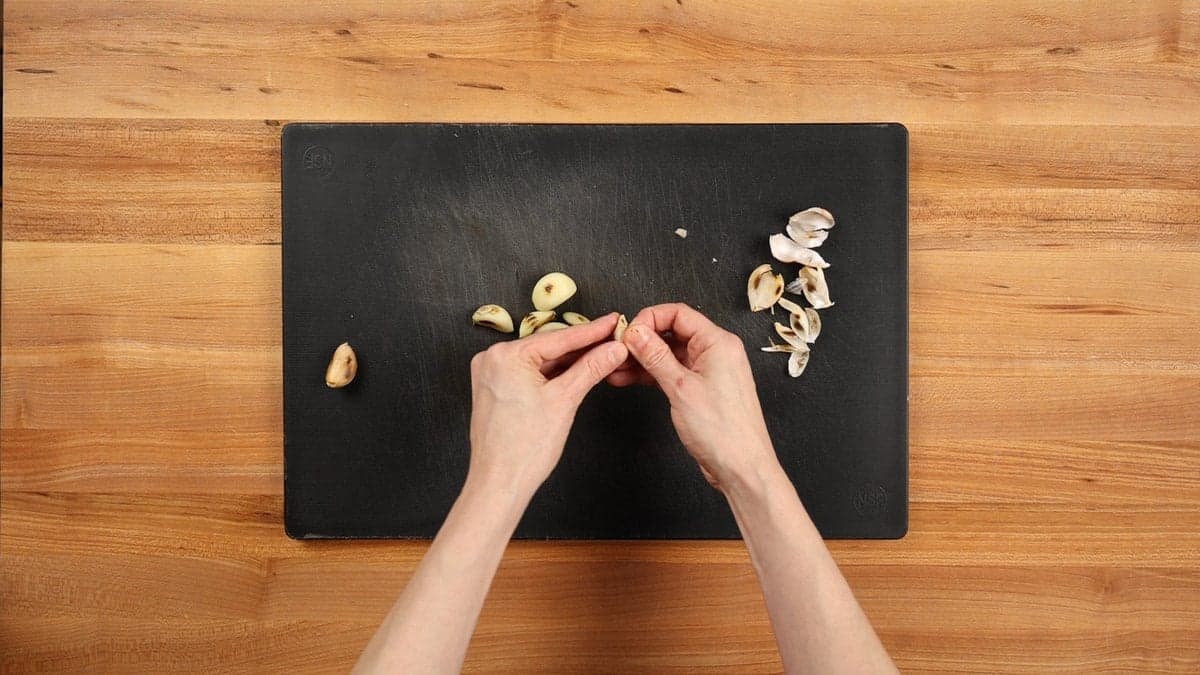
4. Blend the paste
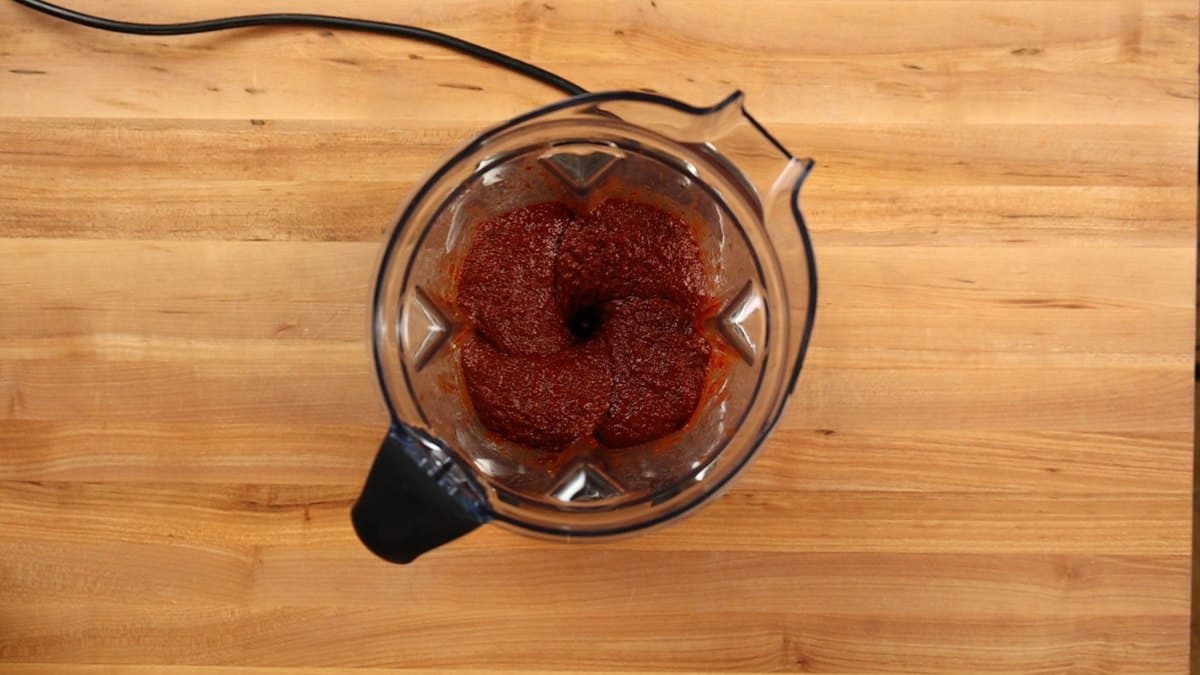
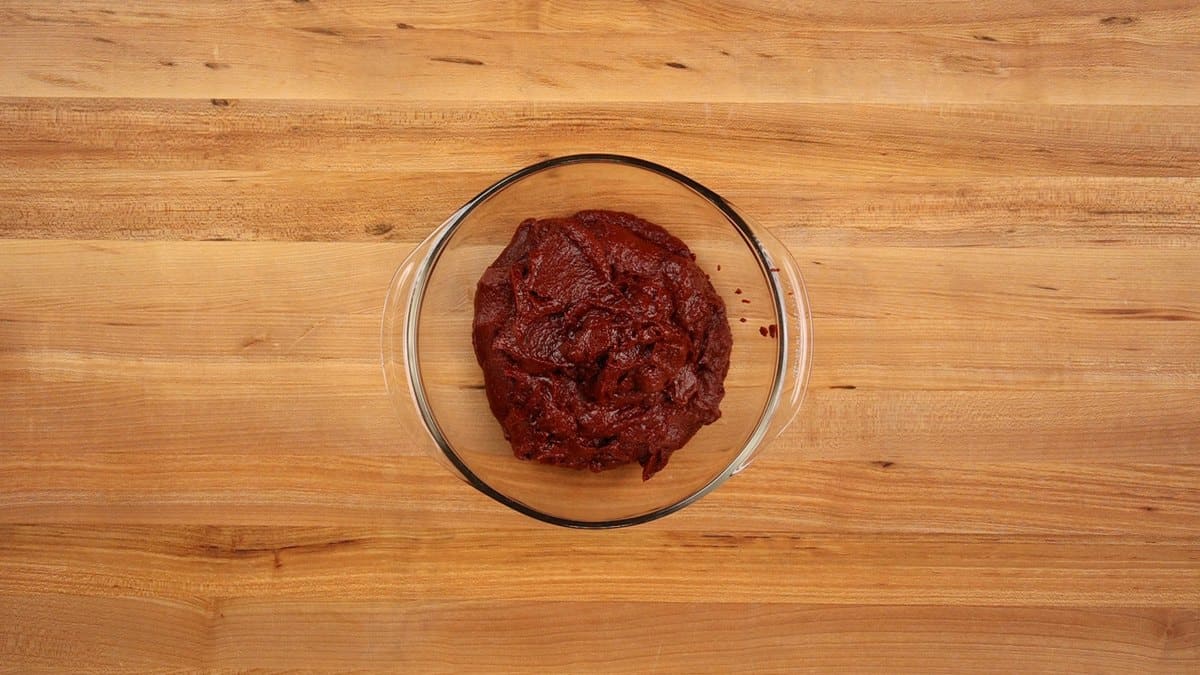
Drain the chiles and put them in a blender with the water, the garlic, cumin, black pepper, oregano and salt. Blend on medium speed until there are no large chunks and you have a thick paste a little looser than tomato paste, scraping down the sides as you go. If it isn't coming together, add a splash more water.
You can use the water the chiles rehydrated in instead of fresh water, but taste it first. Most of the time it's fine, but sometimes it's bitter, and if it is, use fresh water.
Taste it and add more salt, black pepper or cumin if it needs it. Just know that it isn't meant to taste good on its own (more on that in the questions below).
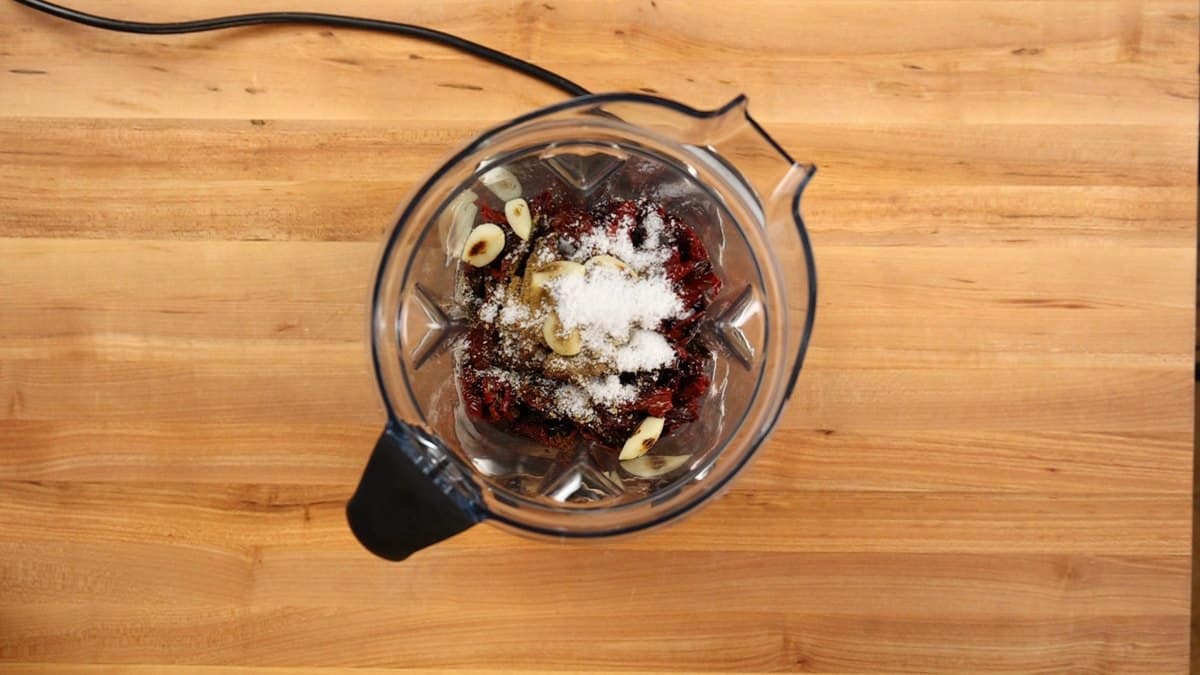
How to Use It
- For chicken: whisk ¼ to ½ cup of the paste with 2 tablespoons of distilled white vinegar and 1 tablespoon of honey, and marinate 2 pounds of chicken thighs in the fridge for 8 to 12 hours. It's all in my Chipotle Chicken Burrito Bowl.
- For steak: use the paste on its own, ¼ to ½ cup for 2 pounds of beef round, in the fridge for at least 12 hours. Chipotle's old website had honey in the steak marinade too, so add a tablespoon if you want the old-school version. The steak is in my Chipotle Steak Burrito.
- For beans: 2 tablespoons go into a pound of dried beans while they cook. They're in my Chipotle black beans and Chipotle pinto beans.
- For the dressing: 1 ½ teaspoons go into the honey vinaigrette.
Storage
- Fridge: 3 to 4 days in a covered container, the same as other homemade sauces (USDA's leftovers guidance).
- Freezer: up to a year. Freeze it in small portions as soon as it's made, so you only thaw what you need. One viewer freezes it in an ice cube tray and keeps the cubes in a zip-top bag, which is a great tip.
Chipotle Adobo Paste Questions
Can I use canned chipotles in adobo instead?
You can, but it won't taste like Chipotle. Canned chipotles are packed in a sauce with tomatoes and vinegar, which adds flavors that aren't in an adobo made from dried chiles.
If you use them, start at the blender step and use the canned peppers and their sauce in place of the rehydrated chiles. Chipotle powder is great for other things, but it won't work in an adobo like this one.
Why does my adobo paste taste bitter?
The paste doesn't taste good on its own, and you'd never eat it by itself, because it's meant to go into other dishes as a marinade. Try it in the chicken or the beans before you change anything.
If it's still bitter, the usual cause is too many seeds left in the chiles, or bitter soaking water in the blender.
Is it the same adobo for the chicken and the steak?
Yes. From what I've been told, Chipotle's steak uses the same adobo today, without the vinegar and honey the chicken marinade gets.
Can I make it with less salt?
Yes. Cut down the salt in the paste itself, then go lighter on the salt you sprinkle on the chicken or steak while it cooks.
If you make this, leave a star rating in the card below; it helps other people find the recipe.
More Mexican-Style Recipes
Recipe
Chipotle Adobo Paste
Equipment
- 1 12-inch frying pan
Ingredients
Adobo Paste
- 8 oz dried Chipotle Morita peppers
- 4 cloves garlic skin on; use 6 if small
- 1 ¼ cups water
- 1 teaspoon ground cumin
- ½ teaspoon black pepper
- 1 teaspoon Mediterranean oregano McCormick's brand; not Mexican oregano
- 1 tablespoon Morton kosher salt
Instructions
Make the Adobo Paste
- Cut the dried Morita peppers in half lengthwise, remove the seeds, stems, and ribs. You don't need to get every last seed, but remove as many as possible. The seeds don't blend well and can taste bitter.
- Heat a large pan over medium heat. Add the dried chiles and stir continuously for 4 to 5 minutes until they're fragrant. Do not burn them.
- Transfer the toasted chiles to a large bowl, cover with hot water, and seal with plastic wrap. Rehydrate for 15 to 20 minutes until the peppers are plump and soft.
- While the peppers soak, heat a dry pan over medium heat. Add the garlic cloves with their skin on and char them, turning every few minutes, until the skin is blackened all over. This takes about 10 to 15 minutes. Remove, cool, and peel.
- Add the water, rehydrated chiles, roasted garlic, cumin, black pepper, oregano, and salt to a blender. Blend on medium speed until you achieve a thick paste slightly looser than tomato paste. Add more water a little at a time if needed. Scrape down the sides to ensure everything is incorporated.
- Taste the adobo and adjust seasoning with extra salt, black pepper, or cumin. This recipe makes about 3 ½ cups. Store unused paste in covered containers in the fridge for 3 to 4 days, or freeze for up to a year.