
This post contains affiliate links, which means I may earn a small commission if you make a purchase. It doesn't cost you anything extra. Full disclosure.
In this post
How Chick-fil-A Makes Their Chicken
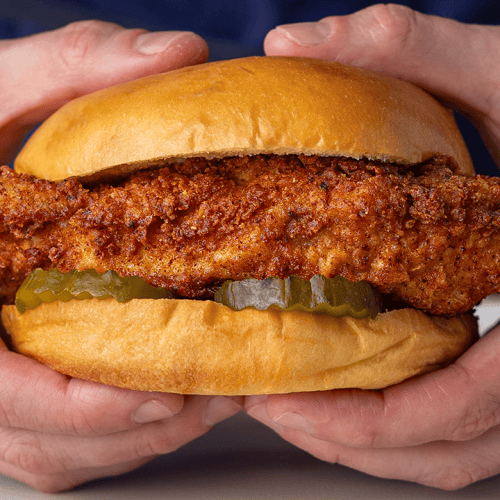
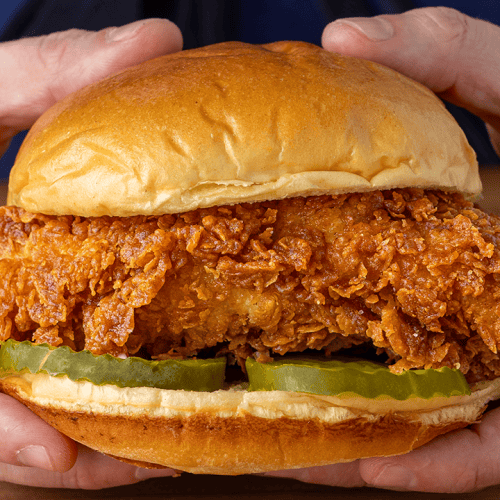
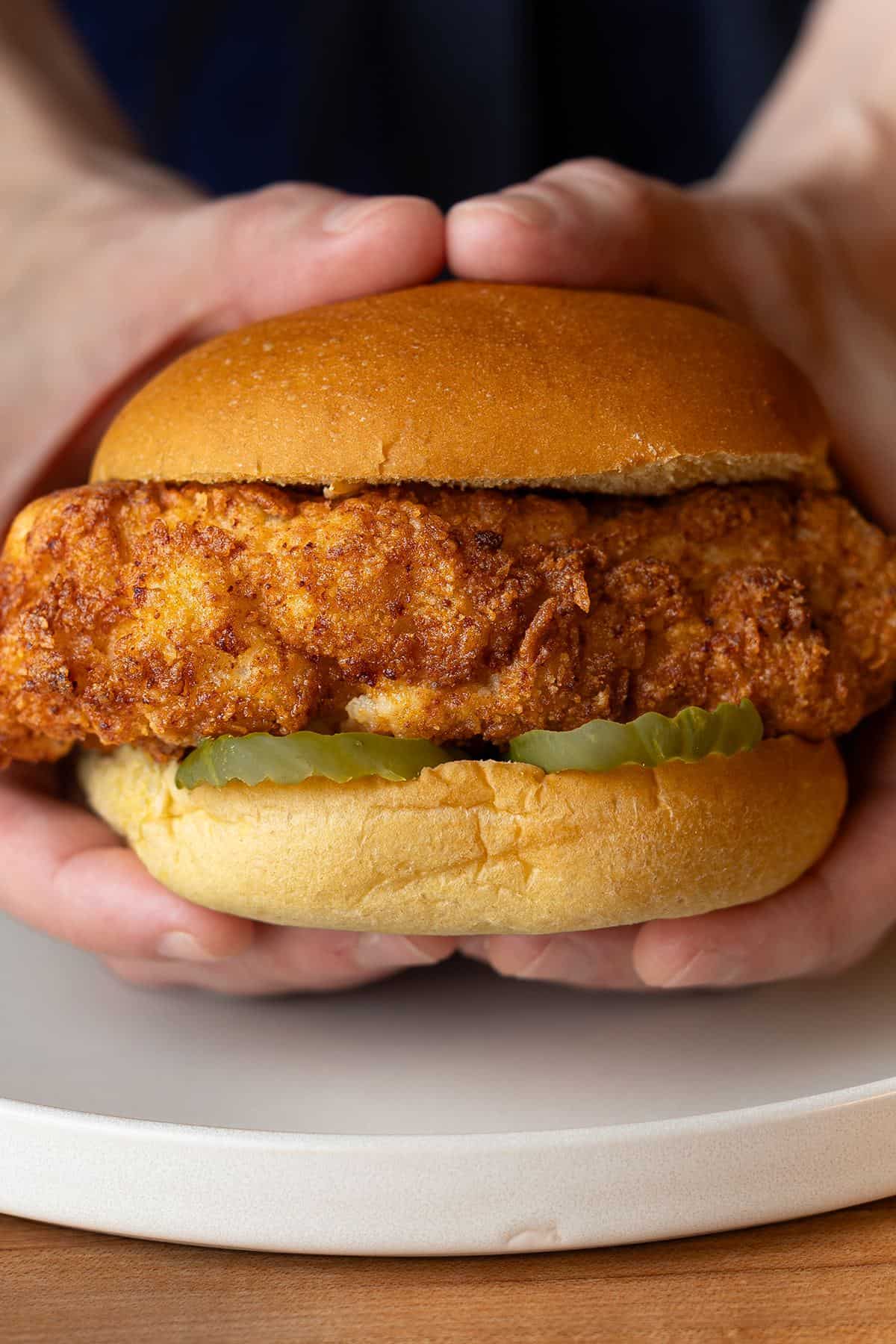
Over two months, I made around 40 different versions of this sandwich. I tested the recipes already out there and read every comment I could find from people who work or used to work at Chick-fil-A. I made all of it with ingredients you can get at Walmart.
The first thing to clear up is pickle juice. A lot of recipes brine the chicken in it, but Chick-fil-A doesn't, and hundreds of people who've worked there have said so in comments.
The ingredient list on Chick-fil-A's own website says the same thing. The chicken on that list is seasoned with salt, MSG, sugar, paprika and something listed only as "spices." There's no pickle juice or vinegar anywhere in the chicken's part of the list.
The same part of the list also has nonfat dry milk and leavening, and the breading here has both, as milk powder and baking powder.
According to people who've worked there, the filets come into the restaurant frozen and already seasoned. In the store, each one is dipped in a milk and egg wash and pressed into a seasoned flour, which they call the seasoned coater.
Then it's fried in peanut oil in a pressure fryer. The pickle taste people remember comes from the two pickle slices on the bun.
The Spice Most Recipes Miss
That word "spices" was the problem. According to the FDA's labeling rules, a spice on an ingredient list can't be anything traditionally thought of as a food, like onions or garlic. So onion powder and garlic powder were out, even though plenty of recipes use them.
After several weeks of testing, I still wasn't getting close. Then I found an old article by Food Babe, the food writer Vani Hari. She wrote that she asked Chick-fil-A what was in their "spices," and they told her black pepper and paprika, plus mustard, and that this was the complete list.
Black pepper and paprika were already in most of the recipes I'd tried, but none of them used mustard. So mustard powder goes into both the brine and the breading here, and it got me closer than anything else I changed.
Six restaurant dishes that taste exactly like the original.
My free recipe pack: fried rice, lo mein, orange chicken, lettuce wraps, yum yum sauce and the chicken sandwich.
Straight to your inbox. No spam, unsubscribe whenever.
What I Tested
Updated October 2026: I added step photos and rewrote the method. Changed in the recipe: the spoon amounts for the coater's sugar and flour, and for the mustard powder, paprika, white pepper and milk powder, now match the grams I weighed (the grams didn't change), and the fridge time for leftovers is now 3 to 4 days, the USDA's figure.
Since the filets show up already seasoned, there's no way to know Chick-fil-A's exact amounts, so I worked them out by testing. My first brine had onion and garlic powder in it, and the first breading used powdered sugar.
That batch came out too dark and not salty enough. It was also a little too sweet, and the crags in the crust were way too big.
Over the next rounds I dropped the onion and garlic and switched to coarse black pepper. Then I added mustard powder to the brine, later to the breading too, and kept raising the salt.
Where I ended up is a 6.7% salt brine. That means 67 grams of salt for every liter of water (a liter of water weighs 1,000 grams), the same way chefs write a brine.
The powdered sugar went too. Powdered sugar almost always has cornstarch mixed in, and there's no cornstarch anywhere on Chick-fil-A's ingredient list, so I'm almost certain they use regular granulated sugar. It's a lot cheaper, too.
Why This Chick-fil-A Sandwich Works
- Mustard powder in the brine and the breading. Mustard is one of the spices Chick-fil-A named to Food Babe, and it's the one most recipes leave out.
- A 6.7% salt brine with MSG and sugar. That's 67 grams of salt per liter of water, which seasons the chicken all the way through in 6 to 8 hours.
- Granulated sugar in the breading. It matches an ingredient list that has no cornstarch on it.
- Nonfat milk powder in the breading. It gives you the browning and flavor of milk without adding any liquid, and the same box makes the milk wash.
- Milk wash worked into the flour before you bread. It makes little beads in the breading that fry up into the craggy, crunchy crust.
Chick-fil-A Sandwich Ingredients
The full list with amounts is in the recipe card below. These are the ones worth knowing about before you shop.
Morton's kosher salt. The salt is the easiest thing to get wrong in this recipe. A tablespoon of Morton's kosher salt weighs 14.4 grams, and a tablespoon of table salt weighs about 18 grams, which is roughly 25% more.
If you measure table salt by the spoon in a recipe written for Morton's, the brine comes out too salty. The card also gives the amounts for Diamond Crystal kosher salt and for table salt, but if you have a scale, just weigh out 67 grams of whatever salt you have for the brine, and 9 grams for the coater.
MSG. At Walmart it's sold as Accent, in the spice aisle next to the salt. It's on Chick-fil-A's own ingredient list, and if you leave it out, add a little more salt instead (more on that in the questions below).
Mustard powder. It's just the regular ground mustard on the spice aisle. Every bit of mustard in this recipe is the powder, so you don't need the bottled kind.
Coarse ground black pepper. The recipe uses the coarse grind. If all you have is regular finely ground pepper, use just a pinch instead of the full quarter teaspoon, or the brine gets too peppery.
Nonfat milk powder. At Walmart it's on the baking aisle, near the sugar. You'll mix some of the same powder with water to make the milk wash, so there's no need to buy a carton of skim milk.
Chicken breasts. Chick-fil-A's filets are about 4 ounces. Most grocery store breasts are 12 to 16 ounces, so you'll cut each one into about 3 sandwich filets and a tenderloin (the steps below show how).
Peanut oil. Chick-fil-A fries in fully refined peanut oil. A lot of people think that's where the flavor comes from, but refined peanut oil tastes like basically nothing, the same as vegetable or canola oil.
Any of the three works fine. I used peanut oil to match the restaurant.
Brioche hamburger buns. I tried several kinds of bun at Walmart, and the brioche hamburger buns they usually stack near the front of the store were the closest to Chick-fil-A's. In all honesty, any cheap standard hamburger bun works too.
Vlasic Ovals Hamburger Dill Chips. I tried every pickle at my Walmart, and these were the closest in flavor. They're a bit thicker than the ones at the restaurant, and any hamburger dill chip will get you close if you can't find them. Kenji López-Alt landed on the same pickle for the Chick-fil-A-style sandwich in his book The Food Lab.
How to Make a Chick-fil-A Sandwich
1. Make the brine
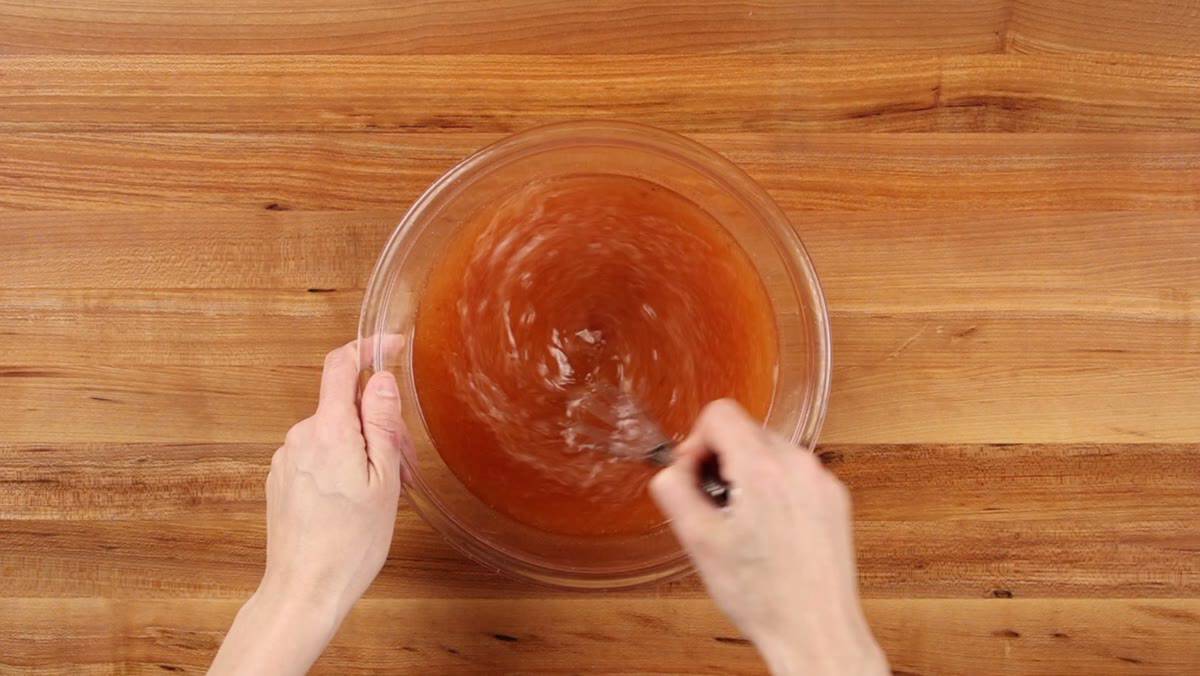
Put all the brine ingredients except the water in a large bowl, then add the liter of water and stir until the salt and sugar are completely dissolved. When you scrape the spoon across the bottom of the bowl, you shouldn't see any grains left.
2. Cut the chicken into filets
Start by cleaning up the breasts and trimming off any fat. Cut off the tenderloin and set it aside; it can go in the brine with the filets and fry up as a chicken strip.
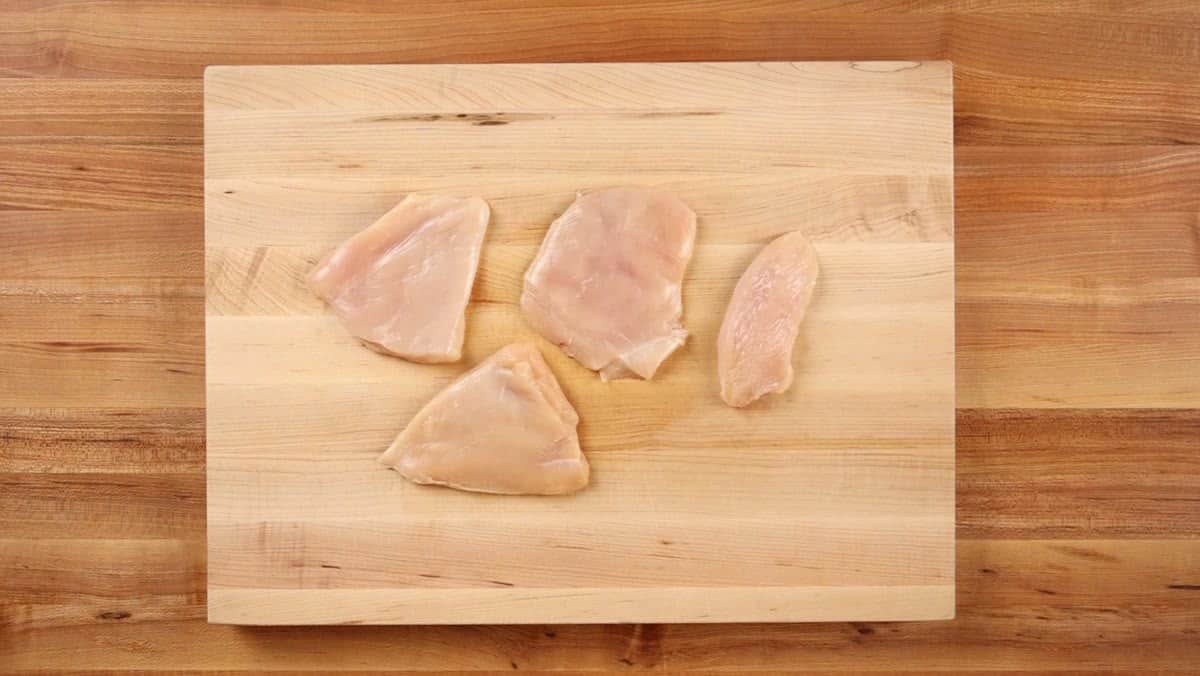
Next, cut the narrow end off, about halfway up the breast. It'll look small, but it gets bigger when you press it into the breading. Then lay the thick half flat and split it horizontally into two thinner pieces.
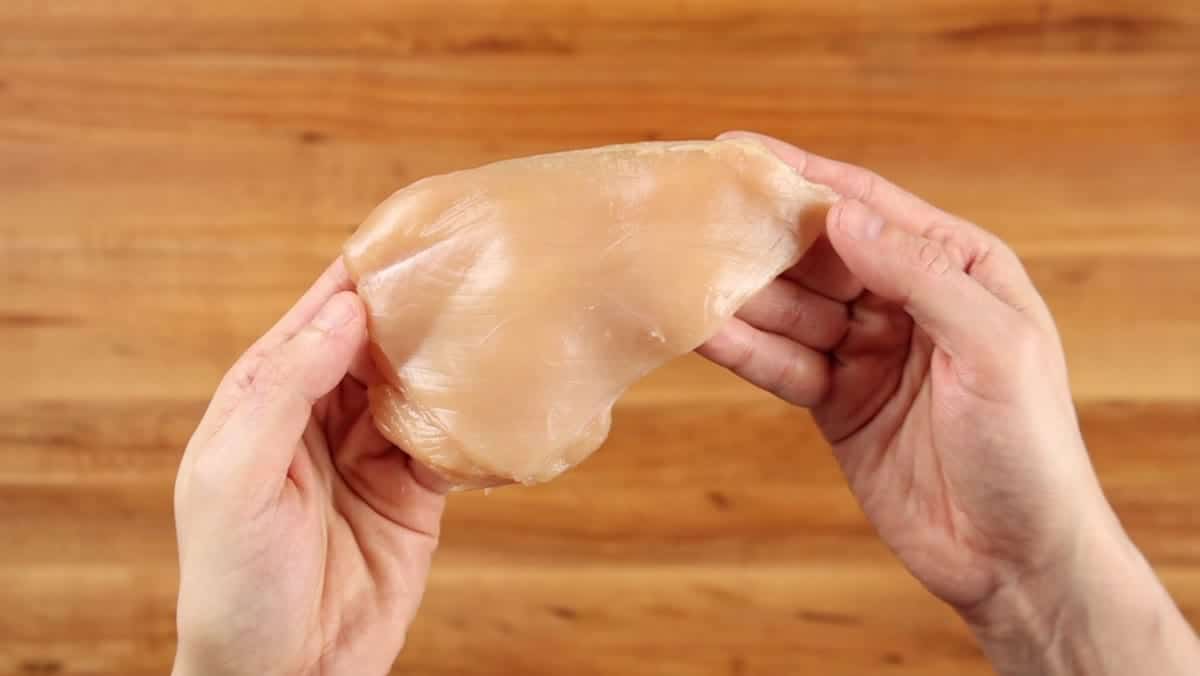
If any piece still has a thick spot, even it out with your hand or a few light taps of a meat mallet under plastic wrap. You want thin, even filets so they all cook through in about the same time.
Each breast should give you about 3 filets and a tenderloin.
3. Brine the chicken for 6 to 8 hours
Put the filets in a zip-top bag and pour the brine over them. Keep them in the fridge the whole time; I got the best results at 6 to 8 hours.
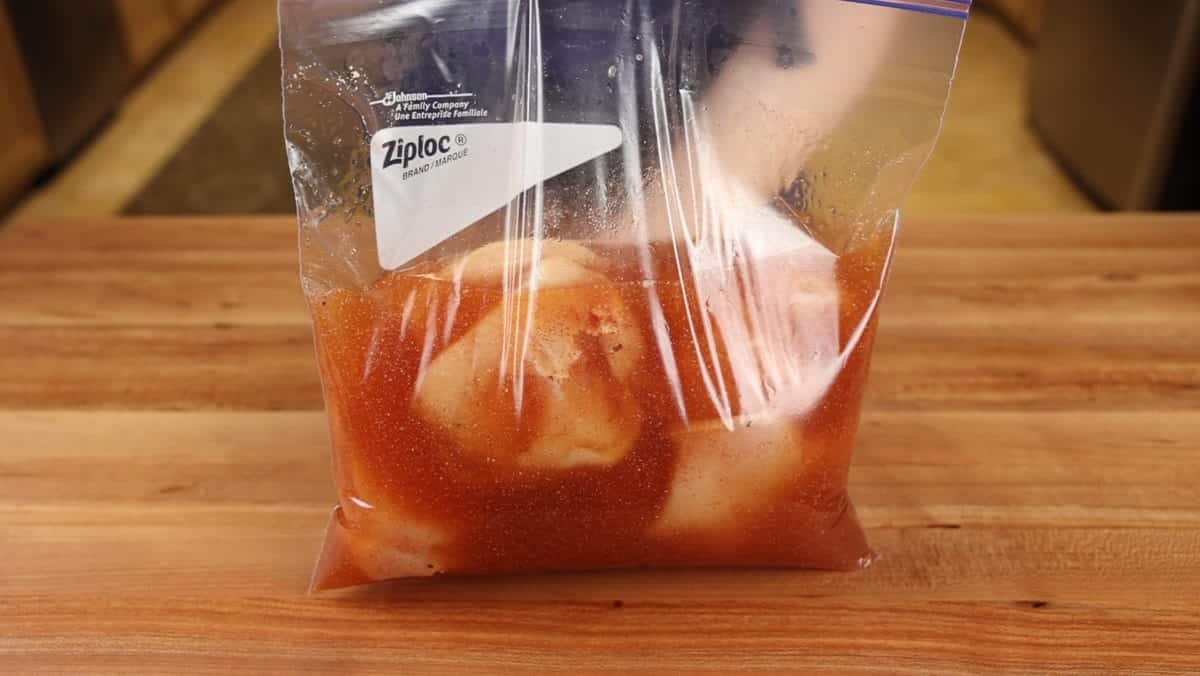
When they're done, take them out and pat them really dry with paper towels, or the coating won't stick as well. Brined filets keep in the fridge for up to a day before frying, because the USDA gives raw chicken only 1 to 2 days in the fridge. If it'll be longer, freeze them.
4. Mix and sift the seasoned coater
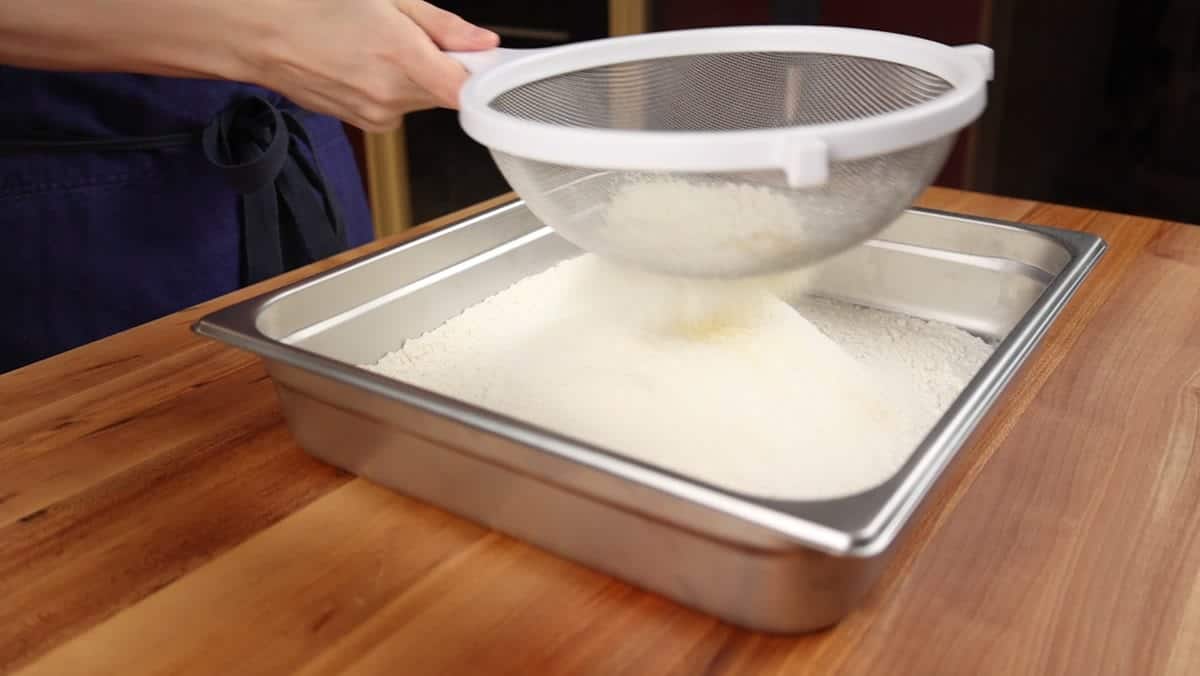
Mix all the coater ingredients, then sift the whole thing through a strainer into a wide pan. Sifting breaks up the little clumps of flour and spice, so one filet doesn't end up with a clump of seasoning stuck to it.
5. Make the milk wash
Mix up a cup of milk from the milk powder and water, following the directions on the box, then whisk in 2 eggs until it's completely smooth, with no streaks of yolk left.
6. Heat the oil, set up your station
Heat the oil to 325°F in a deep fryer or a heavy pot like a Dutch oven. In a pot, clip a deep-fry thermometer to the side, because the temperature drops every time a filet goes in.
Set up your breading station beside it, with the dried filets first, then the milk wash, then the coater. Put a wire rack on a baking sheet next to the fryer for the cooked chicken.
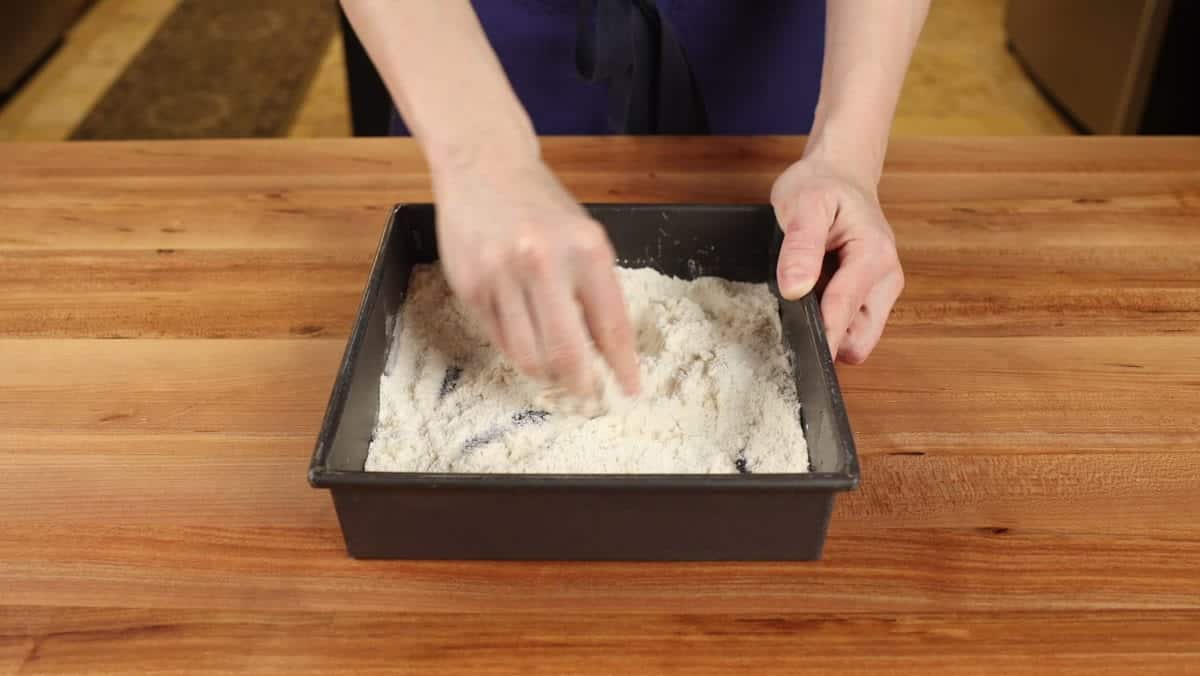
7. Work some milk wash into the coater
Drizzle about 4 tablespoons of the milk wash over the coater, then rub it in with your fingers until you've got little beads of wet flour all through the pan. That's called seeding, and those beads are what fry up into the craggy crust. Kenji does the same thing in The Food Lab, and he wrote that a friend who used to work at Chick-fil-A gave him the idea.
8. Toast the buns
While the oil comes up to temperature, butter both halves of each bun and toast them in a pan over medium heat until they're golden. That way they're ready when the chicken is.
9. Bread the filets
Dip a filet in the milk wash and let the extra drip off. Then lay it in the coater and press down hard with the palm of your hand, flattening it out as evenly as you can without tearing it.
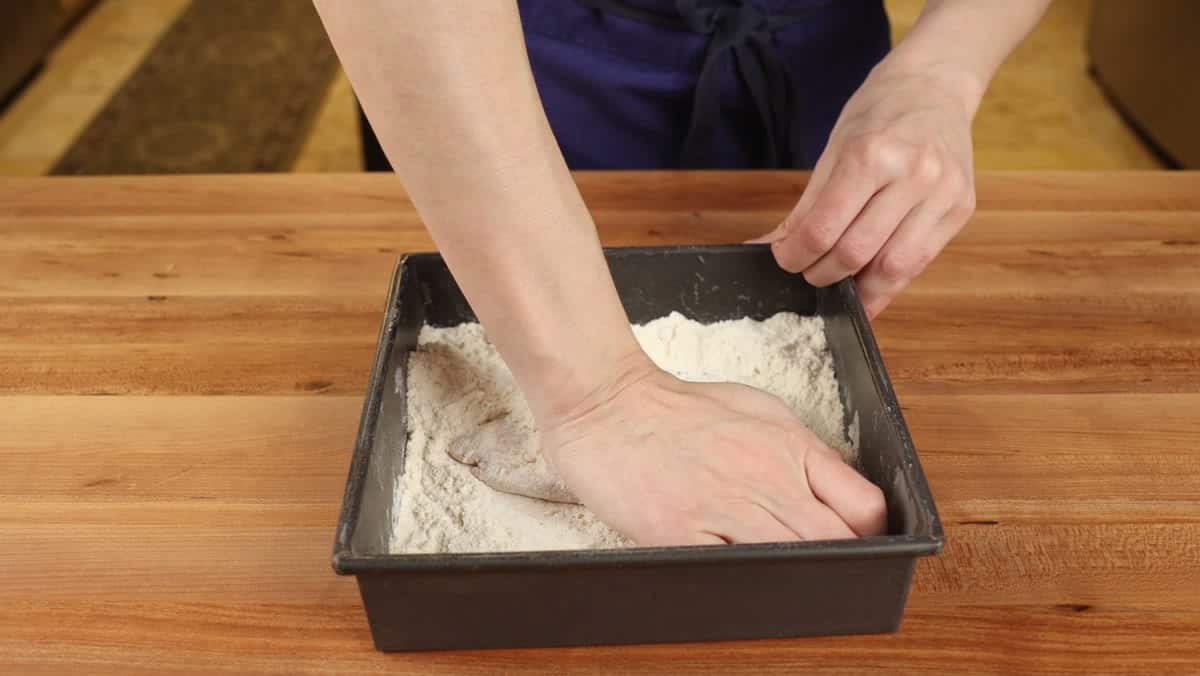
People who've worked the breading station at Chick-fil-A have said it gave them huge calves, so lean into it. Shake off the loose flour before it goes in the fryer.
10. Fry for about 4 minutes 20 seconds
Chick-fil-A's pressure fryers cook a filet in about 4 minutes. In a regular fryer, give it about 4 minutes and 20 seconds at 325°F.
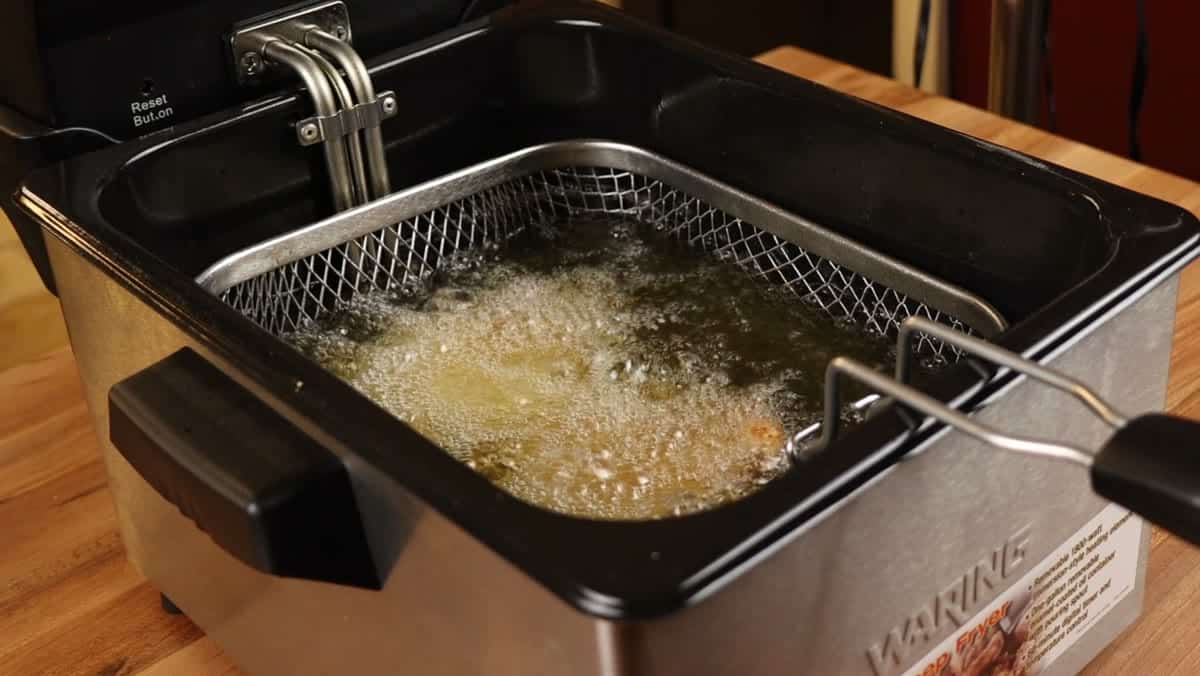
Thicker filets take a little longer, so cook one first and check it. It's done when the breading is golden brown and the inside reads 165°F.
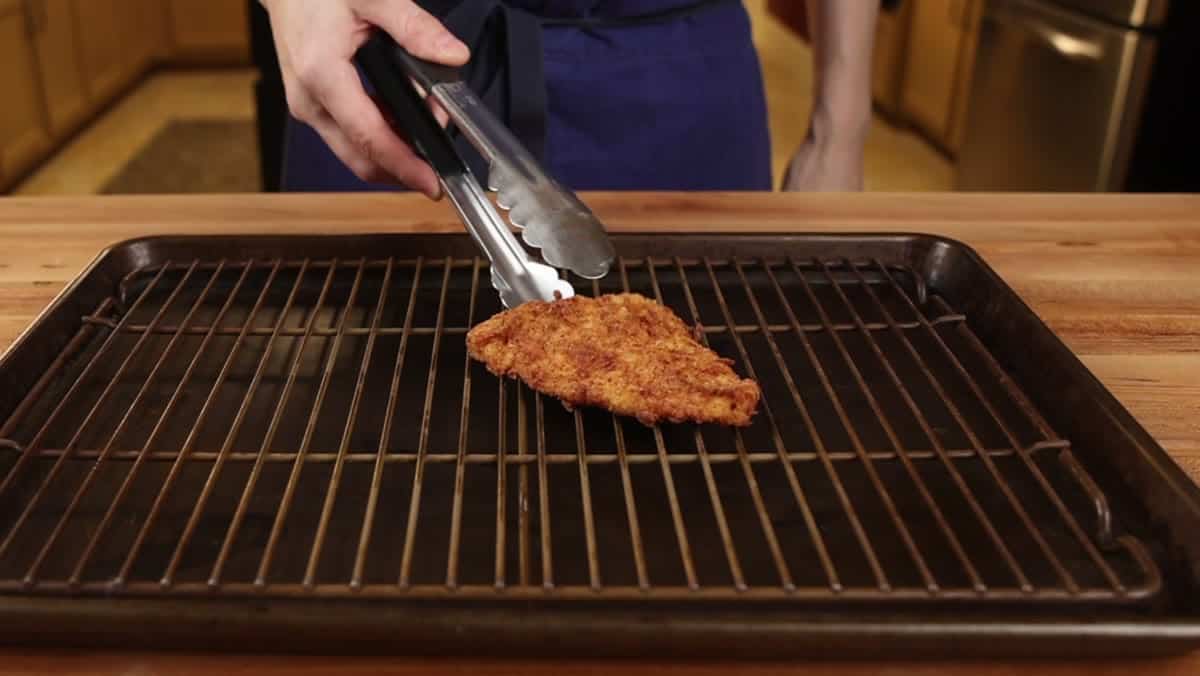
Move each one to the wire rack instead of paper towels. With air getting underneath, the bottom stays crispy instead of steaming.
11. Put the sandwich together
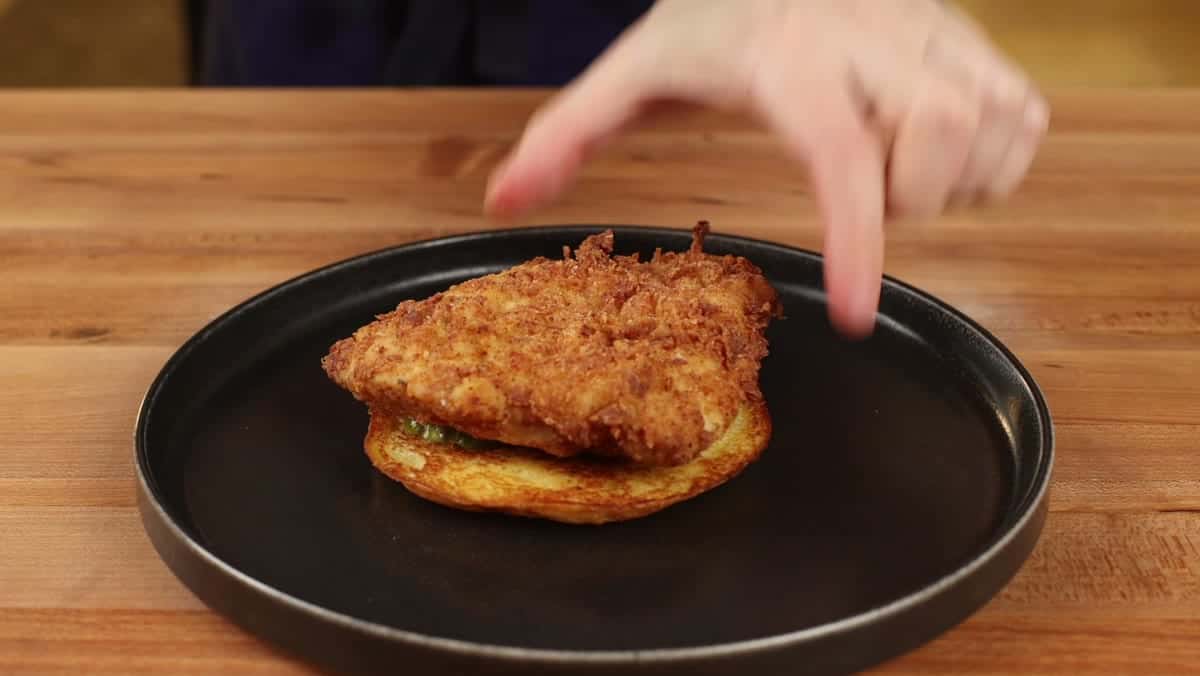
Lay 2 pickle slices side by side on the toasted bottom bun. At Chick-fil-A the saying is that the pickles should be "dating, not mating," which means they never sit on top of each other.
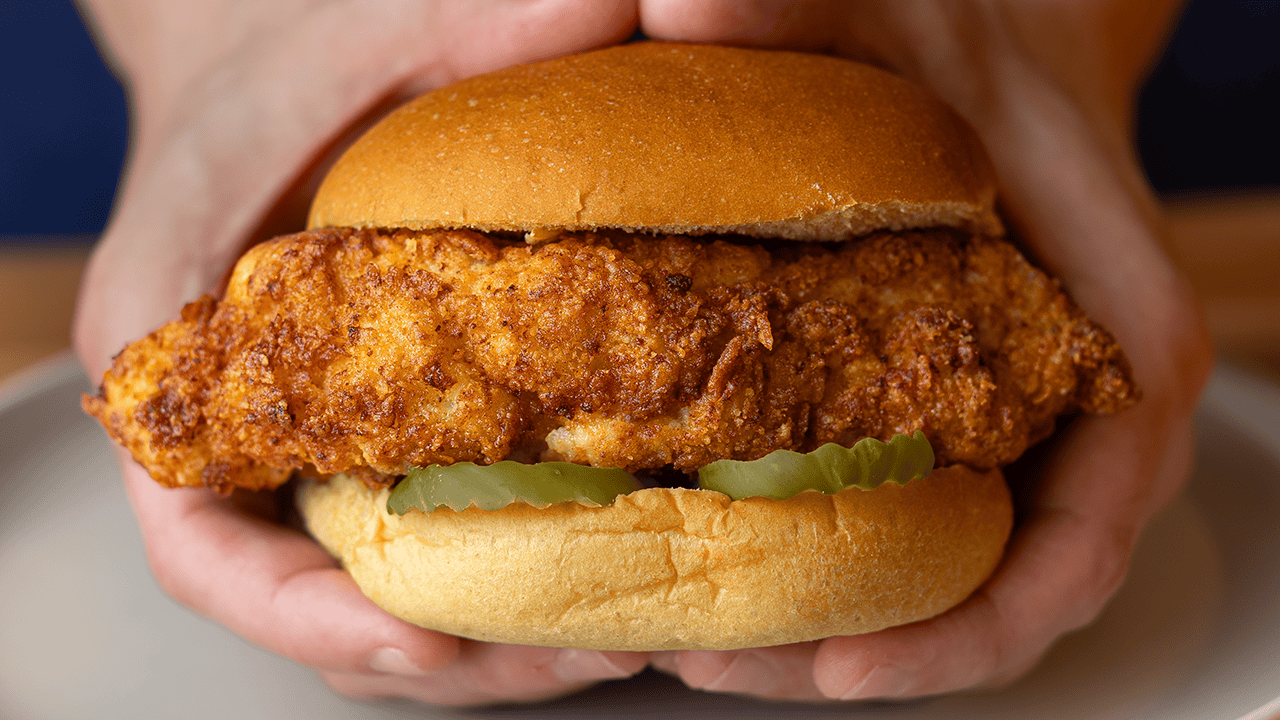
Put the fried filet on the pickles and the top bun on that.
Chick-fil-A Chicken Sandwich Tips
Keep one hand dry. Use one hand for the milk wash and the other for the coater. If the same hand goes in both, the breading ends up on your fingers instead of the chicken.
Strain and reuse the oil. Peanut oil isn't cheap. Once it's cool, pour it through a 100-micron coffee filter or a strainer lined with cheesecloth, and you can reuse it about 5 or 6 times before it starts breaking down.
Make the coater ahead. The dry mix keeps fine, so you can make a big batch and use what you need. Add the milk wash only right before you bread.
Storing and Freezing
Brined filets freeze well. That's how the chicken arrives at Chick-fil-A. Take the filets out of the brine, dry them off, then vacuum seal them and freeze them for up to 3 months.
Thaw them in the fridge overnight, pat them dry and bread them as usual.
I wouldn't freeze them after breading. I haven't tried it, and I don't think the crust would come out right.
Leftover fried chicken keeps in the fridge for 3 to 4 days, stored apart from the buns and pickles, the USDA's guideline for leftovers.
To reheat it, put it on a wire rack on a baking sheet in a 375°F oven for about 10 minutes, until it's hot all the way through, 165°F if you check with a thermometer (the USDA's reheating temperature, on the same leftovers page). The microwave makes the breading soft.
There's one ingredient almost every home recipe for orange chicken gets wrong. The right one is in my free recipe pack, along with five more restaurant recipes. You can get it here.
Chick-fil-A Sandwich Questions
Can I make Chick-fil-A nuggets?
Yes. Chick-fil-A's ingredient list for the nuggets matches the one for the sandwich filet, so it's the same recipe with the breast cut into small pieces.
I haven't made them myself, but cut the brined breast into pieces, bread them the same way and fry them until they're golden and 165°F inside. They'll be done sooner than a whole filet, so check the first batch.
Can I make this in an air fryer?
I haven't tested it, so this is my best guess. Bread the filets as usual, spritz them all over with oil and air fry them at 350°F for about 8 to 12 minutes, until they're 165°F inside. It won't be the same crust as deep frying, but the chicken is still seasoned all the way through from the brine.
Why is my chicken too salty?
Usually it comes down to how the salt was measured. If you spooned out table salt using the Morton's kosher salt amounts, you ended up with about 25% more than 67 grams. If you weighed it and it's still too salty for you, brine for less time (4 to 6 hours), or use less salt in the brine, around 40 grams per liter.
What can I use instead of MSG?
A little more salt, to taste. It won't taste exactly like Chick-fil-A without the MSG, since it's on their ingredient list, but it'll still be a good sandwich.
How do I make the spicy version?
It takes a couple of changes beyond extra cayenne, so I worked it out separately in my Chick-fil-A spicy chicken sandwich recipe.
If you make this, leave a star rating in the card below; it helps other people find the recipe.
More Fried Chicken Recipes
- Panda Express-Style Orange Chicken
- Popeyes Fried Chicken Sandwich
- P.F. Chang's Spicy Chicken
- P.F. Chang's Crispy Honey Chicken
Chick-fil-A Chicken Sandwich
Ingredients
Chicken Brine
- ¼ cup + 2 tsp Morton kosher salt 67 grams. If using table salt: 3 tablespoon + 2 ¼ tsp. If using Diamond Crystal: ½ cup. Or weigh 67 grams of any salt.
- ½ cup sugar
- 1 tablespoon MSG
- 2 ½ teaspoon paprika
- ¼ teaspoon black pepper coarse ground
- 1 ¾ teaspoon mustard powder
- 1 liter water
Seasoned Coater (Double Batch)
- 2 cups all-purpose flour
- 2 tbsp + 2 tsp sugar
- 1 ¾ teaspoon Morton kosher salt If using table salt: 1 ½ tsp. If using Diamond Crystal: 1 tbsp. Or weigh 9 grams of any salt.
- 2 teaspoon MSG
- ⅓ cup nonfat milk powder
- 1 ½ teaspoon baking powder
- ¼ tsp + ⅛ tsp white pepper
- 1 tbsp + ½ tsp mustard powder
- 2 pinch cayenne pepper
- 4 tablespoon milk wash drizzle into flour mixture and crumble with your fingers to create "seeds" for extra crispy crust
Milk Wash
- 1 cup milk reconstituted from nonfat milk powder, or use skim milk
- 2 eggs
The Sandwich
- 2 boneless skinless chicken breasts 12-16 oz each; section into 4-oz filets (yields ~3 filets + 1 tenderloin per breast)
- 6 hamburger buns brioche preferred
- 2 tablespoon butter
- 12 dill pickle slices Vlasic Ovals Hamburger Dill Chips recommended; 2 per sandwich
- peanut oil for deep frying at 325°F; vegetable or canola oil also works
Instructions
Make the Brine
- Combine Morton's kosher salt, granulated sugar, MSG, paprika, black pepper, and mustard powder in a large bowl. Add 1 liter of water and stir until all the dry ingredients are completely dissolved. This is a 6.7% salt brine.
Prep and Brine the Chicken
- Remove the tenderloin from each breast and set aside. Trim the narrow end of the breast about halfway up, then butterfly the thick half and split it horizontally into two even pieces. You should get about 3 sandwich filets and 1 tenderloin per breast.
- Use a meat mallet to gently even out any thick spots. You want thin, uniform filets so they cook evenly and quickly.
- Place the filets in the brine, making sure they're fully submerged. Cover and refrigerate for 6 to 8 hours.
- Remove chicken from the brine and dry thoroughly with paper towels. The surface needs to be as dry as possible for the coating to stick.
Make the Seasoned Coater
- Combine all-purpose flour, granulated sugar, Morton's kosher salt, MSG, nonfat milk powder, baking powder, white pepper, mustard powder, and cayenne pepper in a large bowl. Sift the entire mixture through a fine mesh strainer to remove any clumps of flour or spice.
- Drizzle 4 tablespoons of milk wash into the flour mixture. Crumble it between your fingers until you get little beads of thickened coating throughout the flour. This is the "seeding" technique, and those beads fry up into the craggy, crunchy texture that the sandwich is known for.
Make the Milk Wash
- Reconstitute 1 cup of milk from nonfat milk powder following the directions on the box, or use 1 cup of skim milk. Whisk in 2 eggs until the mixture is completely smooth. Set aside and refrigerate if making in advance.
Bread and Fry the Chicken
- Heat peanut oil to 325°F (165°C) in a deep fryer or heavy-bottomed pot like a Dutch oven. If using a pot, clip a deep-fry thermometer to the side.
- While the oil heats, butter both halves of each hamburger bun and toast them in a pan over medium heat. Set aside.
- Dip each filet in the milk wash, shaking off the excess. Press it firmly into the seasoned coater with the palm of your hand. Press hard enough that your heels want to leave the floor. Flatten the filet as evenly as possible, then shake off excess flour.
- Fry each filet for approximately 4 minutes and 20 seconds at 325°F. The breading should be deep golden brown and the internal temperature should read 165°F (74°C). Place finished filets on a wire rack set over a baking sheet. The air circulating underneath keeps the crust as crispy as possible.
Assemble the Sandwich
- Place 2 dill pickle slices on the bottom bun. Lay the pickles side by side, never stacked.
- Top with a fried chicken filet and crown with the top bun. Serve immediately.
Video
Equipment
- 1 Dutch Oven Alternative to deep fryer
- 1 Deep Fry / Candy Thermometer Essential if using a pot
- 1 Meat Mallet For evening out filet thickness
- 1 Wire Cooling Rack For resting fried chicken
- 1 Jeweler's Gram Scale For precise salt measurement
- 1 100 Micron Coffee Filter For straining and reusing frying oil
- 1 Whisk For milk wash
- 1 Fine Mesh Strainer For sifting seasoned coater